Login
Login
 login / signup









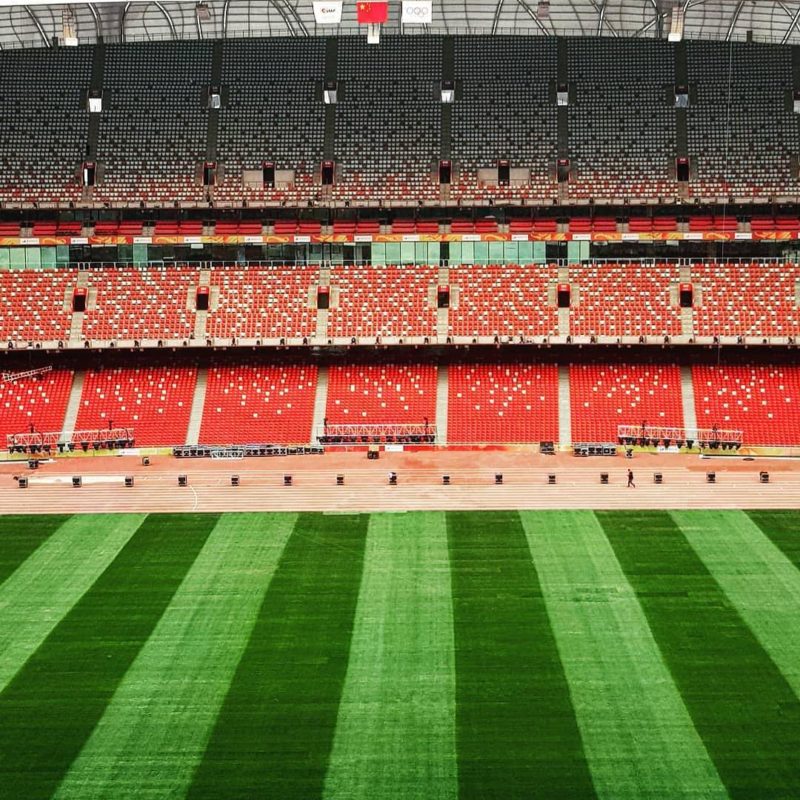
Beijing, China
Beijing National Stadium
This Chinese stadium's unique exterior design resembles a Bird's Nest and attracts thousands of tourists every day.






This Chinese stadium's unique exterior design resembles a Bird's Nest and attracts thousands of tourists every day.
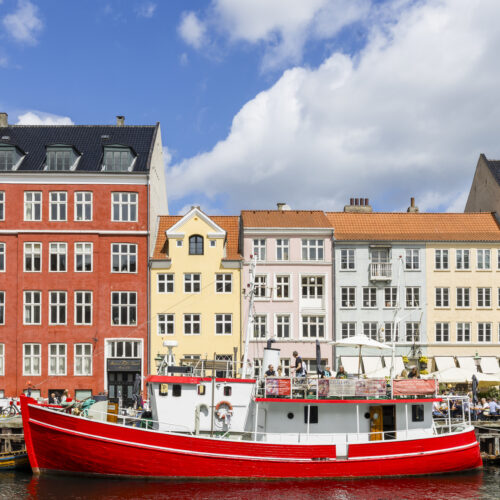
Originally built in 1903, this tugboat's current owner has restored the vessel to its original beauty and equipped it with some fancy amenities.
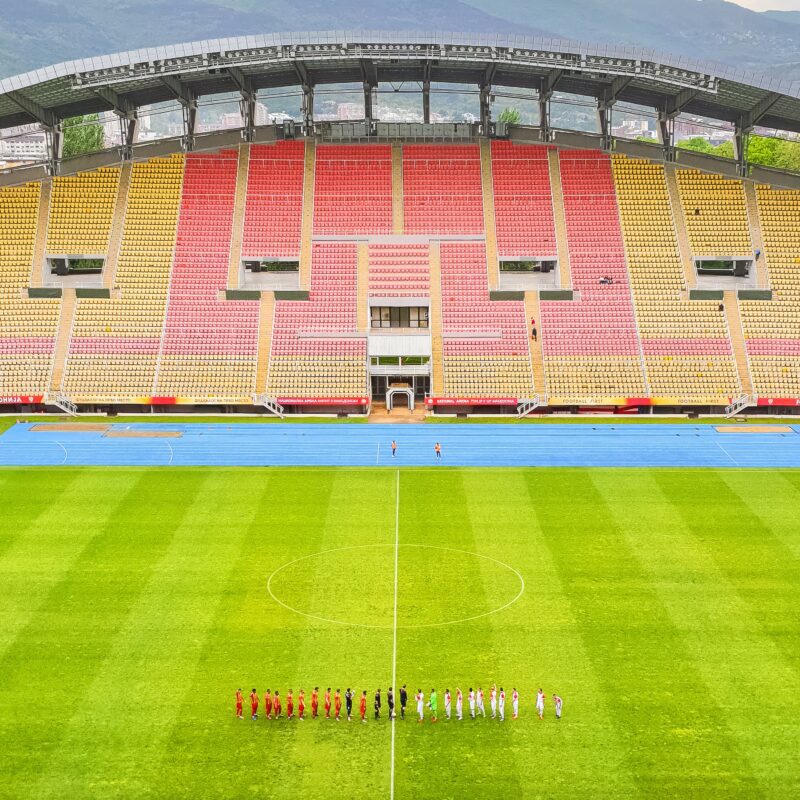
Originally built in 1947, this stadium is now home to Skopje's football teams - FK Vardar and FK Rabotnicki.
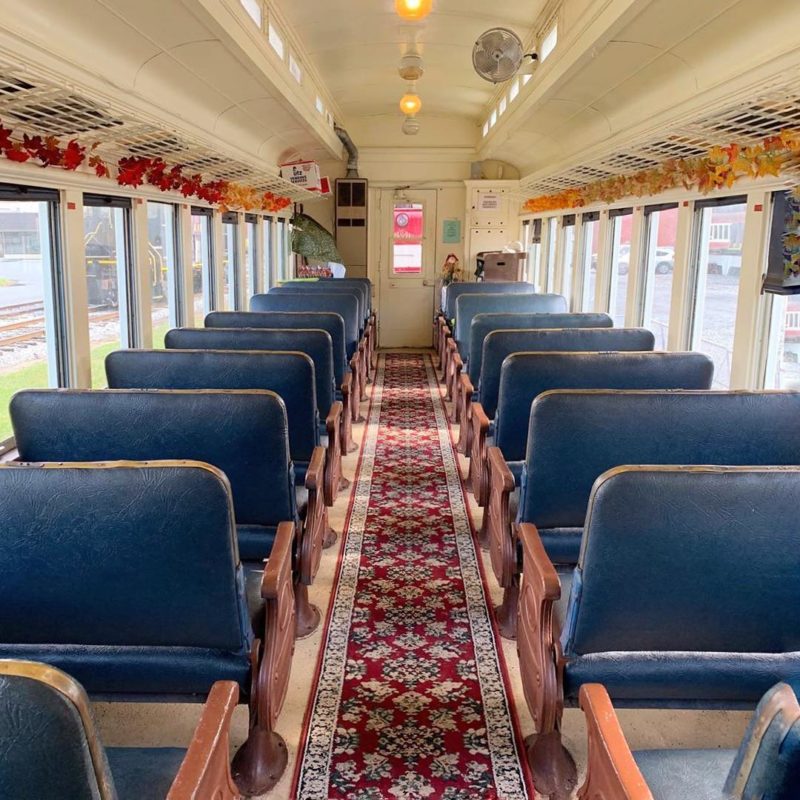
From the CommunityPassenger and freight trains run on this historic Pennsylvania rail line, established in 1888.
Founded in 1778 and regarded as one of the leading opera and ballet theaters in the world

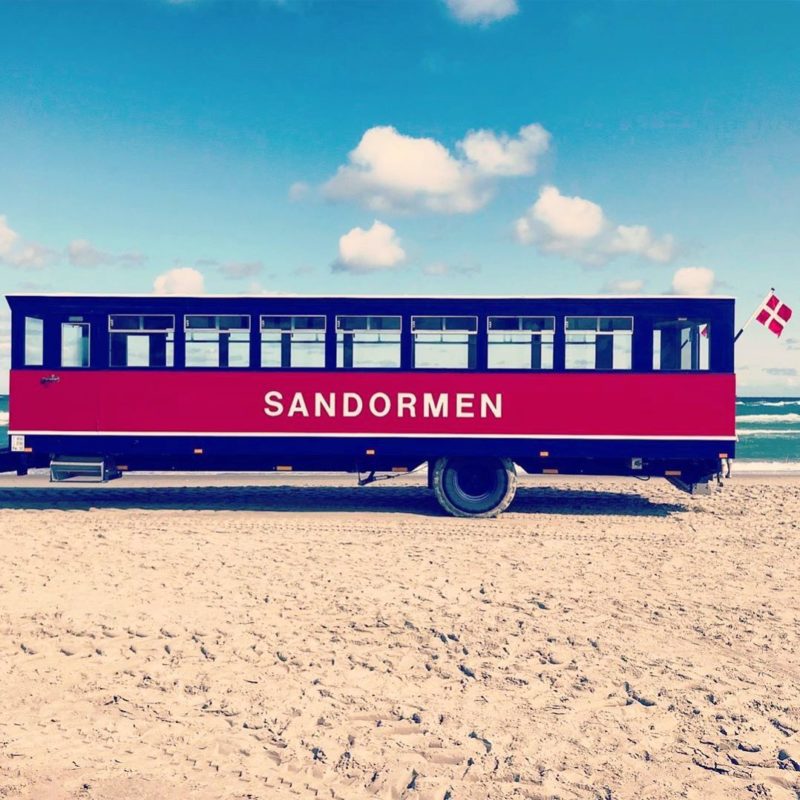
Sandormen is a tractor-pulled vehicle service that brings tourists to the tip of Grenen, Denmark's northernmost point in order to collect their famous pebbles.
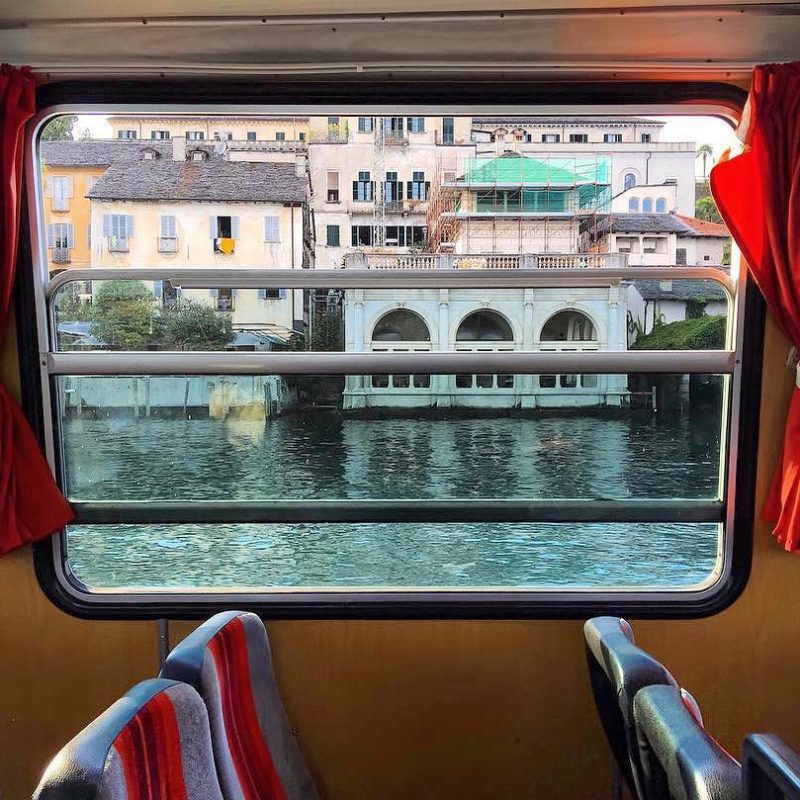
Passenger service boats struggled on this Italian lake for decades until Italy's national rowing championship was held here in 1910.
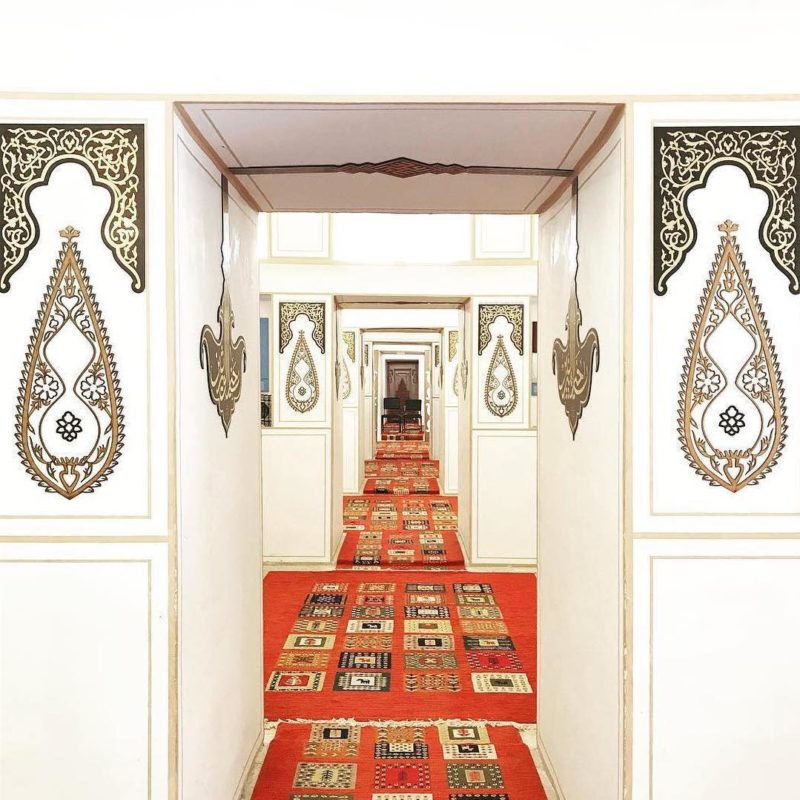
This Iranian Mosque is regarded as one of the masterpieces of Iranian architecture and featured on the reverse side of the 20,000 Rials banknote.
German sports stadium that was renamed to honor a man known in Germany as the father of gymnastics.
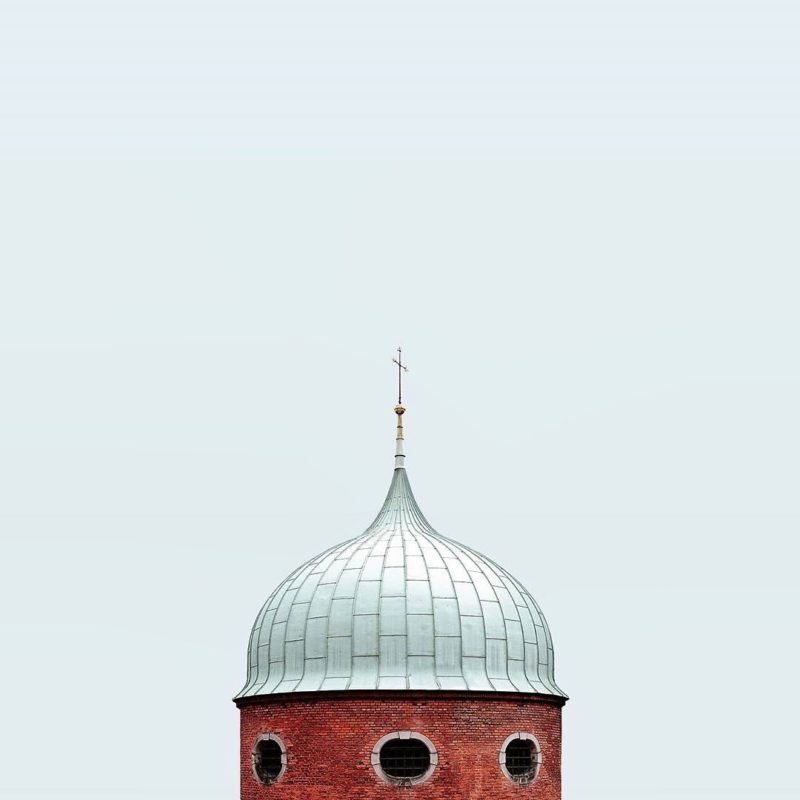
From the CommunitySome structures of this ancient church in Copenhagen date back half a millennium.
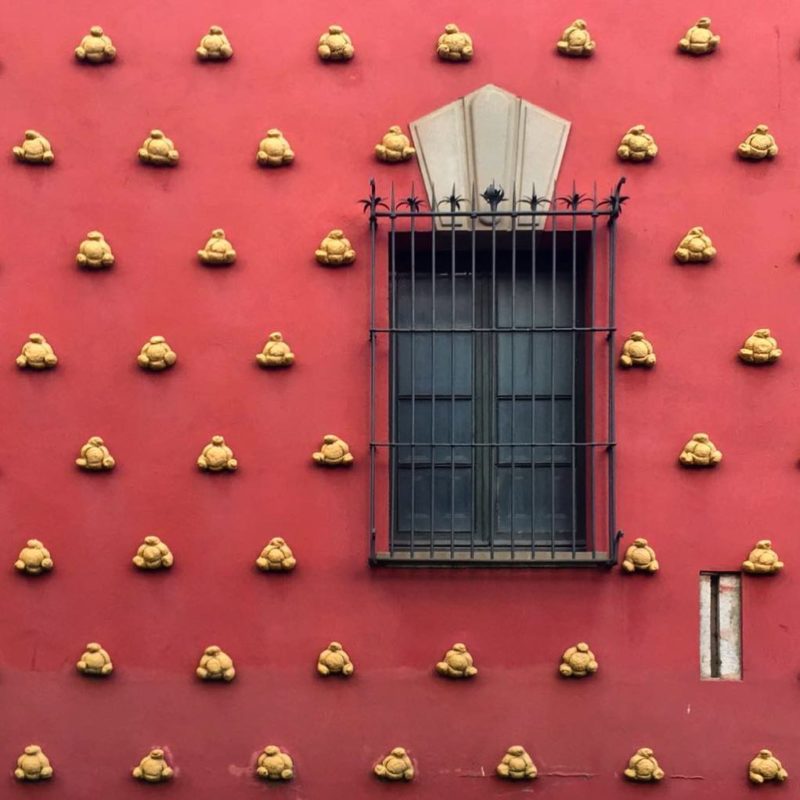
From the CommunityThis site holds the personal art collection of Salvador Dali, and is also his final resting place.
This concert venue has some skeletons in its closet. The Royal Pavilion Estate to which it belongs was found to be the burial site for a Quaker village.

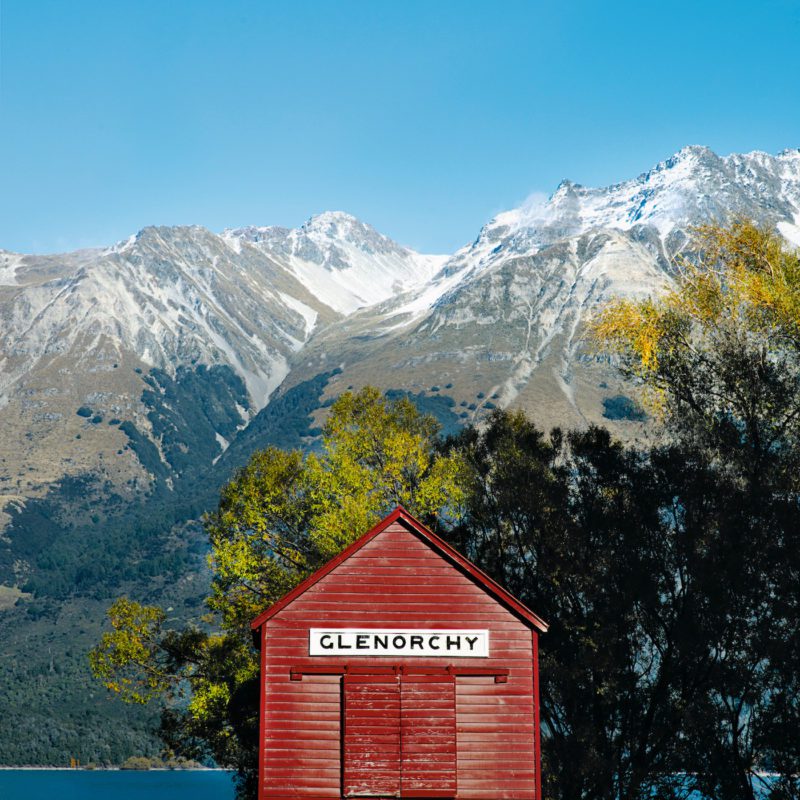
For nearly a century, the only access to Glenorchy was by steamboat.
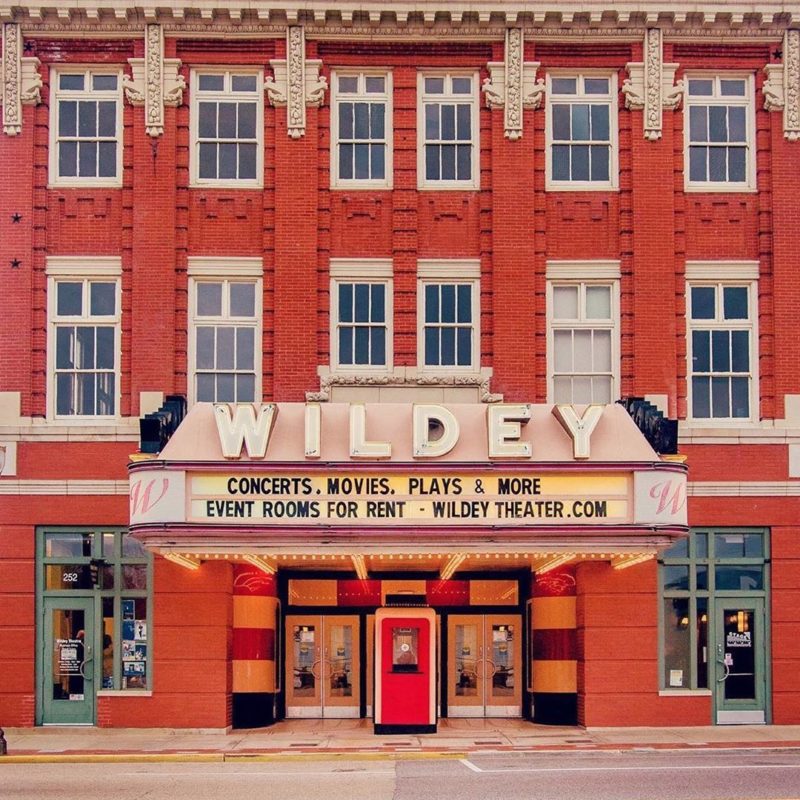
From the CommunityOnce a meeting place for the Independent Order of Odd Fellows, this Art Deco theater has been given a new life as a multipurpose venue.
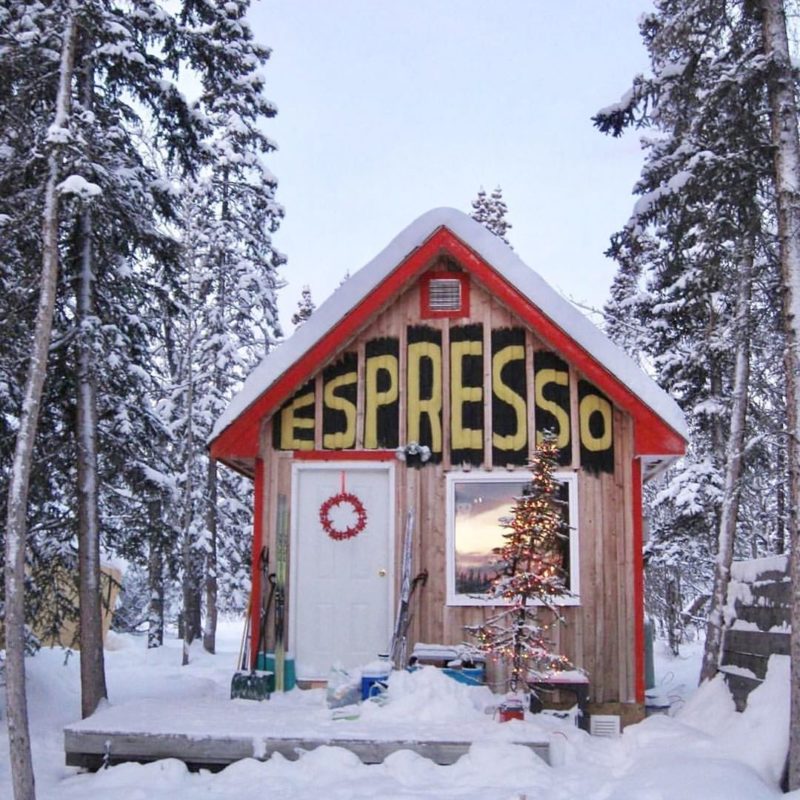
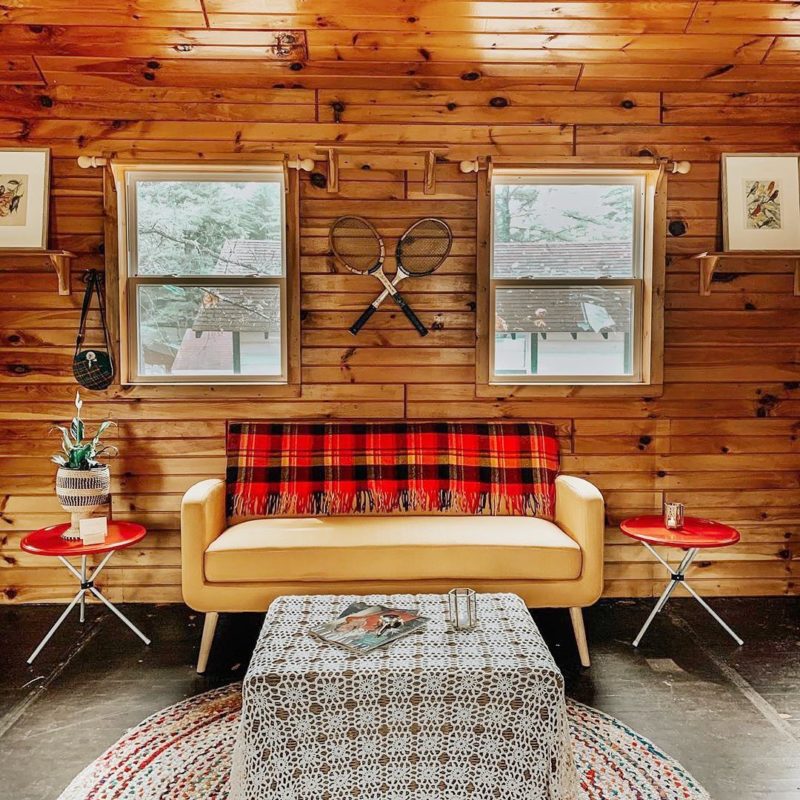
This minimalist Canadian cabin-in-the-woods has been occupied by the same tenant for 15 years.
This garden scape in Berlin truly offers a trip around the world to visitors with its landscapes that represent gardens from around the globe.
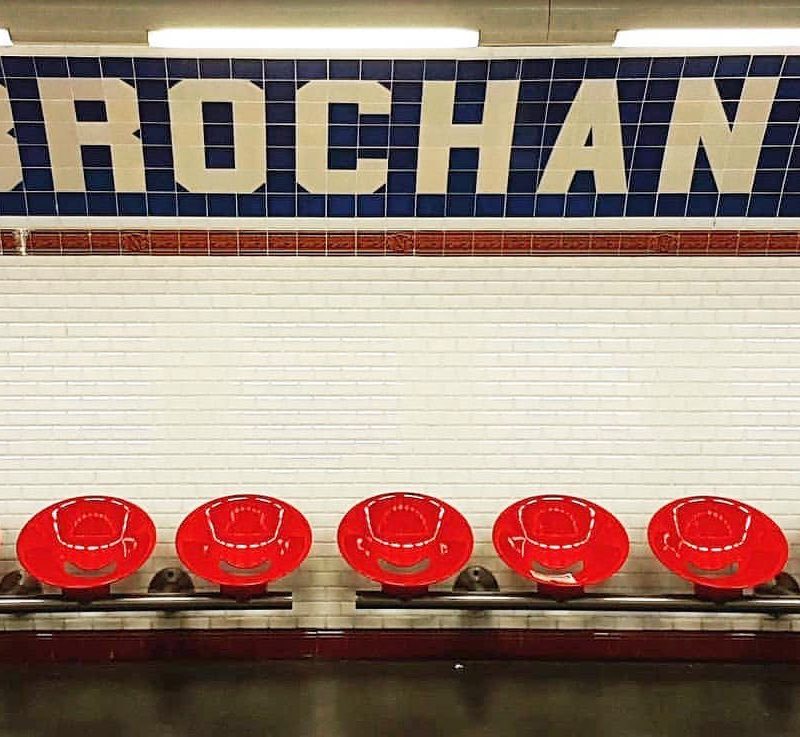
This Paris metro station is named after the mineralogist and geologist responsible for the preparation of the first geological map of France.
This small Ohio scoop shop was named the top spot in the USA for homemade ice cream by newspaper, USA Today.
Nearly destroyed by the logging industry, this mountainous region of New York state is now a thriving recreation area.
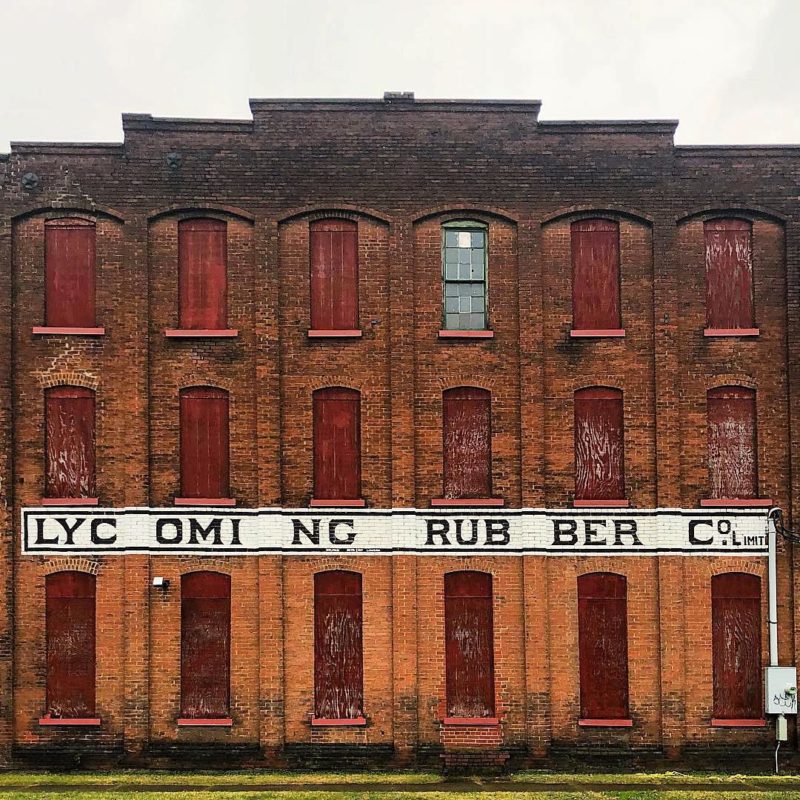
Now a complex of artist's studios and shops, this former rubber factory was also once the world's largest pajama factory.
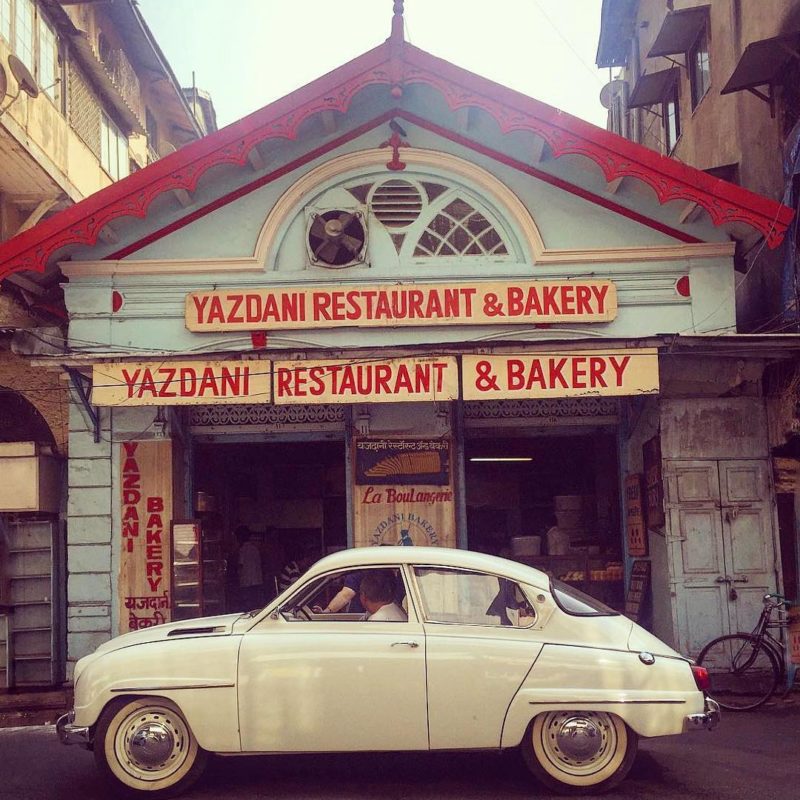
Family owned and continuously operated since the 1950s, this bakery serves mouth-watering traditional treats.
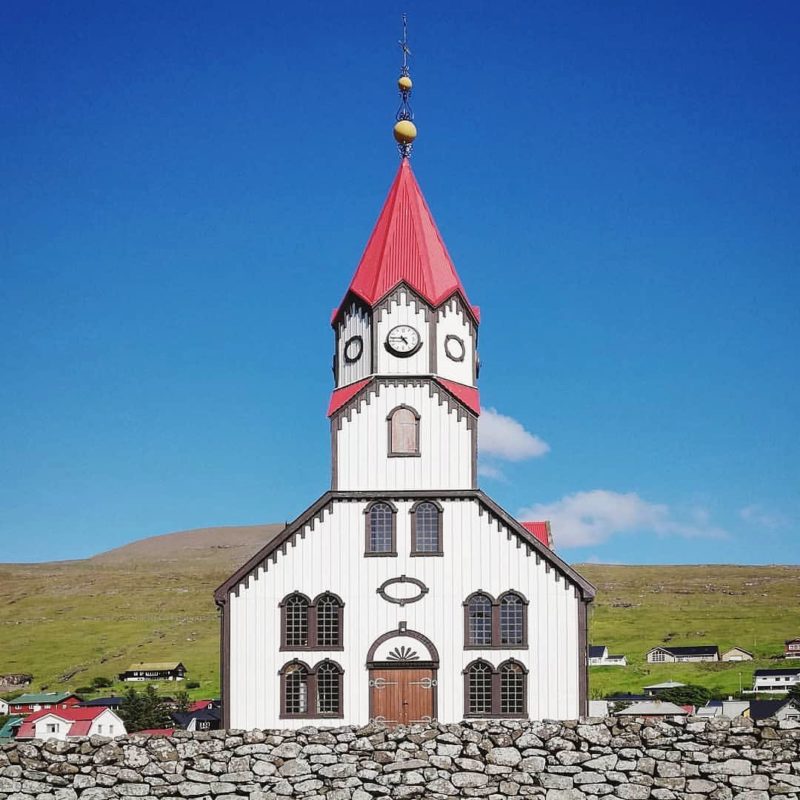
Known for its distinctive red roof, this church on the Faroe Islands is home to a rune-stone that tells the story of Sandavágur's first Viking settler.
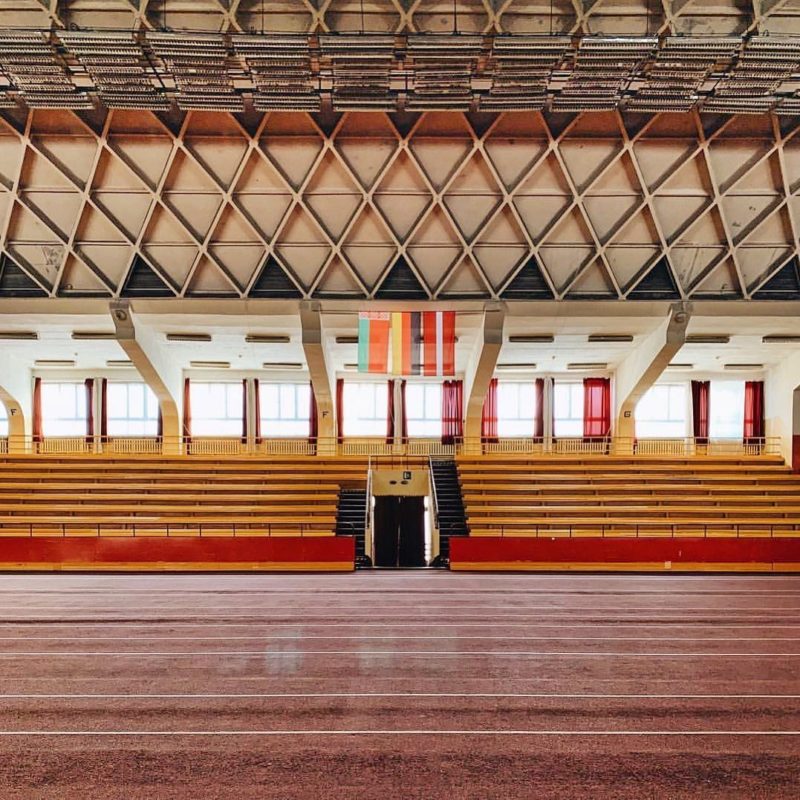
This mid-century sports hall in Latvia was once the most modern athletic venue in the country.
A look at the entry for the longest-running children's theater company in Los Angeles, founded by famous puppeteer, Bob Baker.
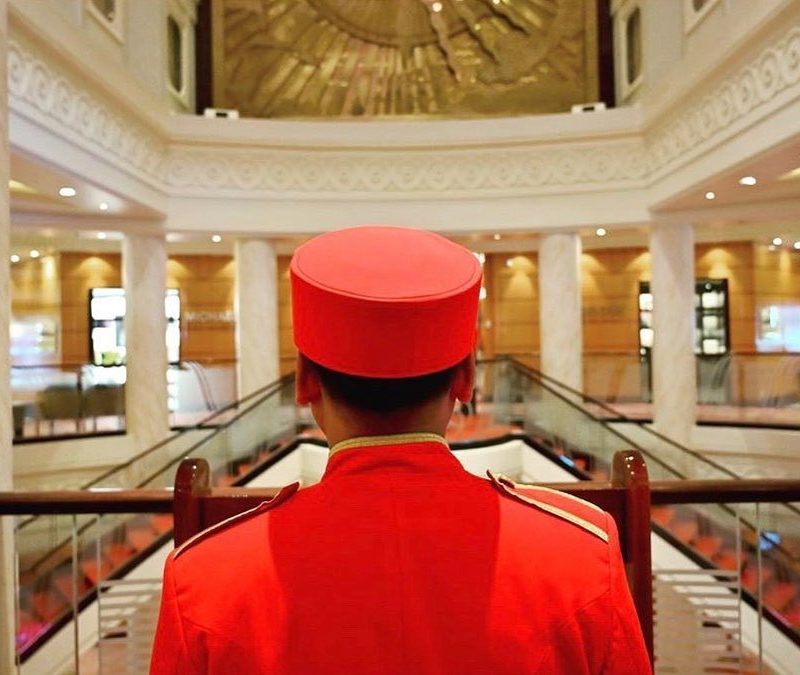
From the CommunityThis luxury British cruise liner features the first planetarium at sea.
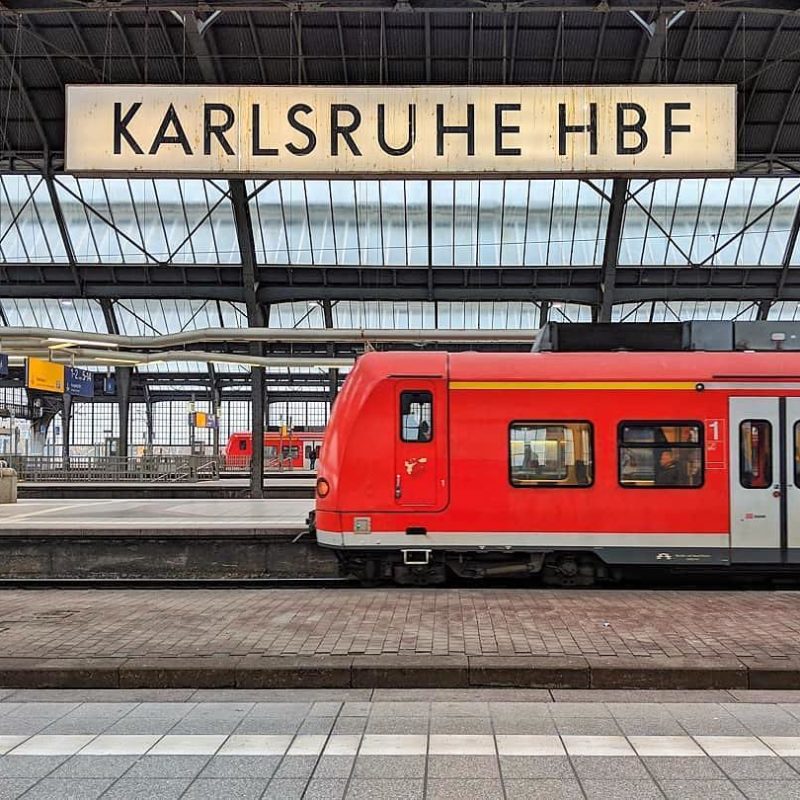
This rail station is major hub for Germany's rail network and has been in operation since 1913.
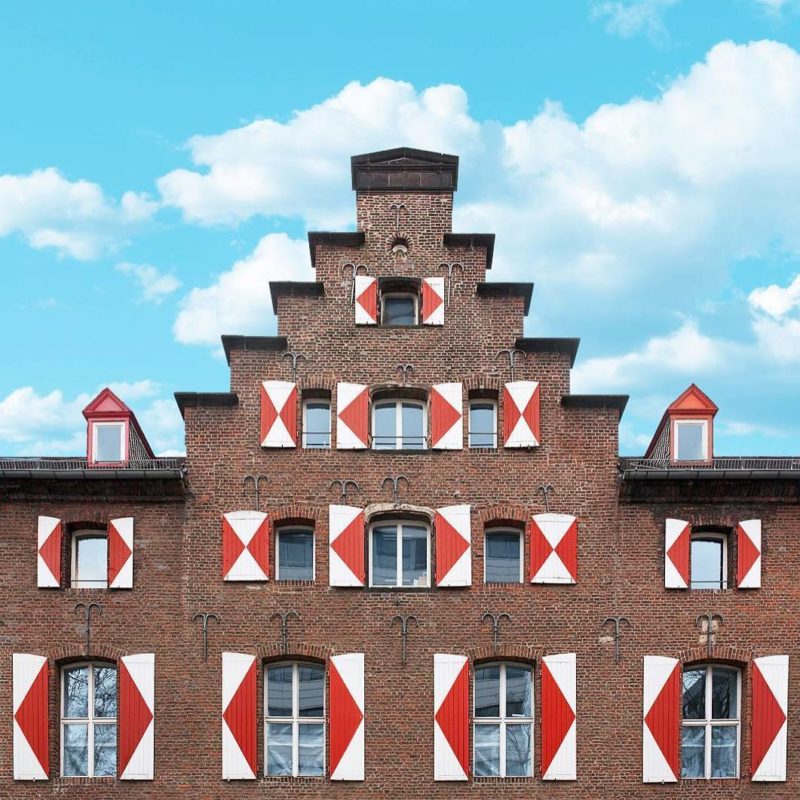
Housed in a historic arsenal, this museum presents the history of Cologne from the Middle Ages to present day.
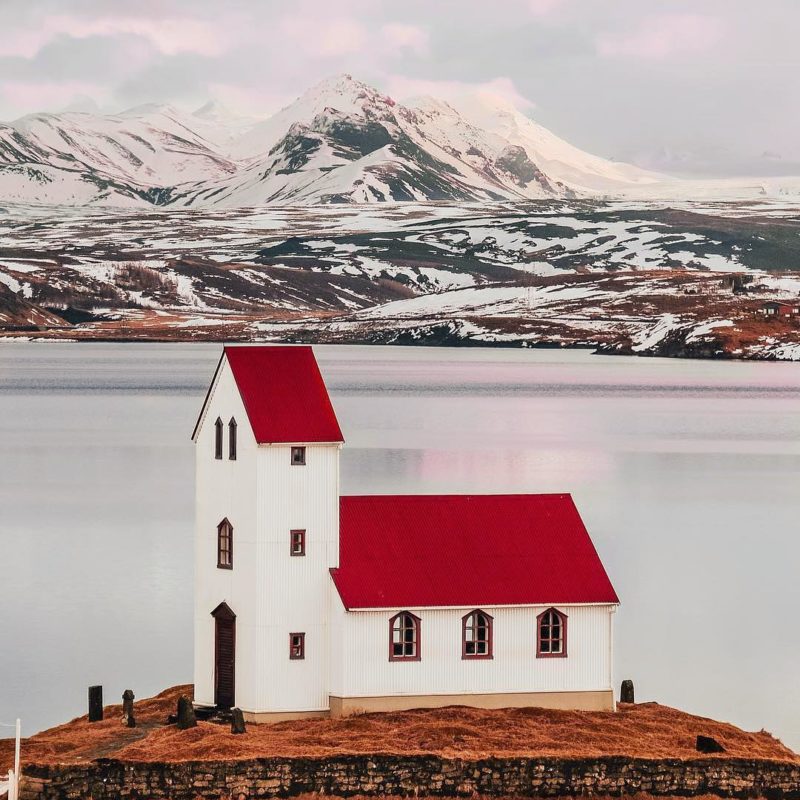
This Icelandic church is notable for its proportionally large steeple.
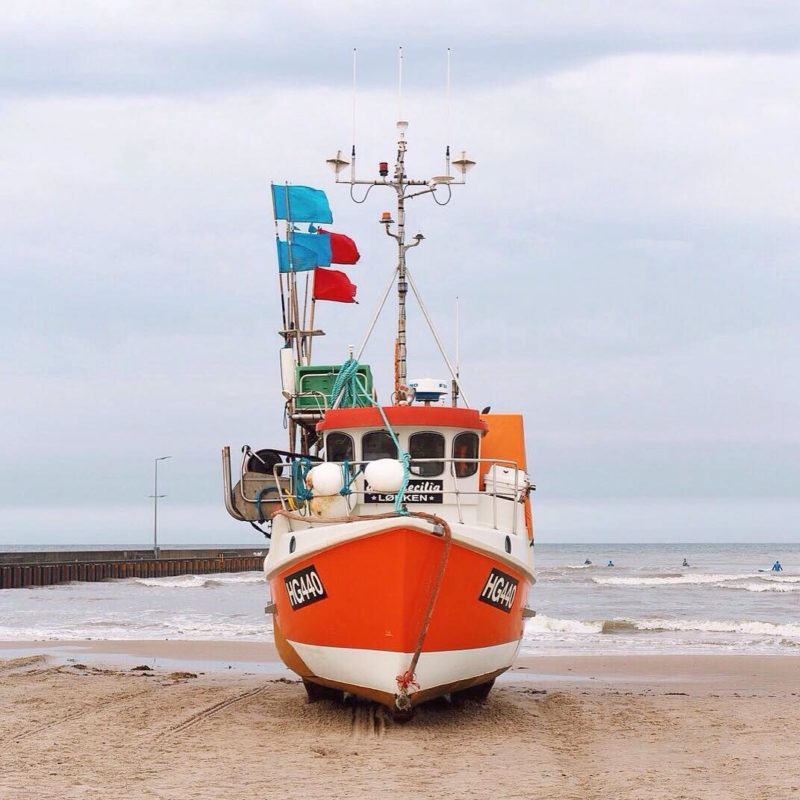
Ideal topography has assisted this Danish town in various industries, from shipping to fishing to tourism.
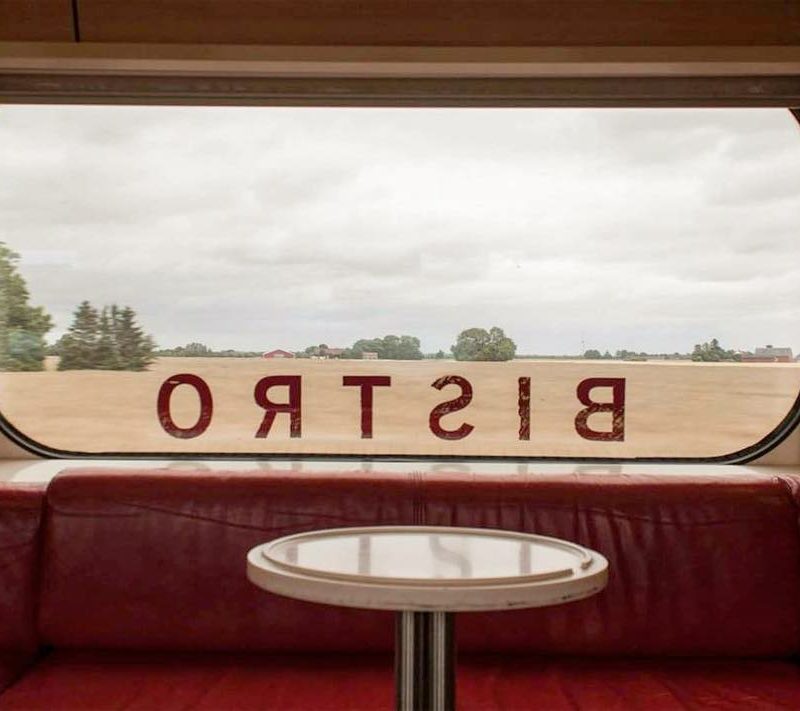
When opened in 1990, a ticket on this first-class Swedish train included free use of the fax machine.
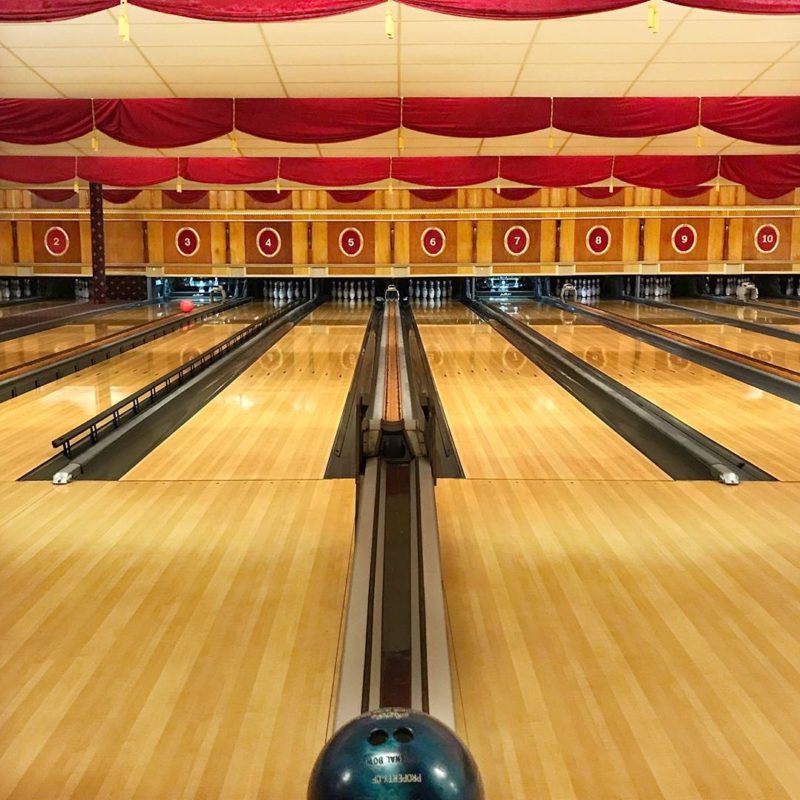
This vintage bowling alley in Pittsburgh, Pennsylvania takes its name from the main supplier of munitions during the American Civil War.
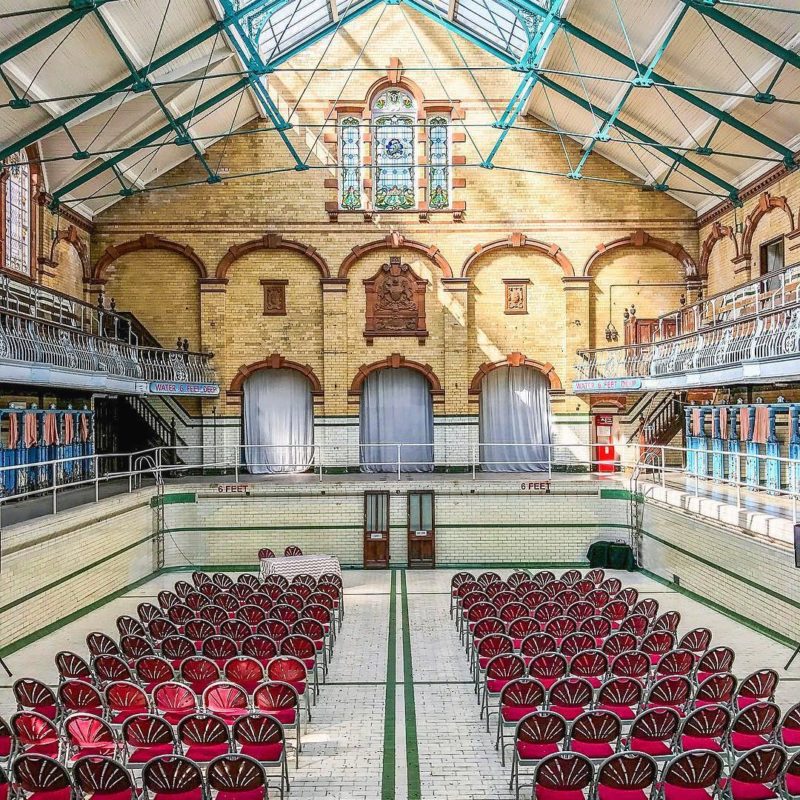
In its heyday, this pool was popular in all seasons as it converted in winter to a dance floor and bowling alley.
This independent Moroccan theater is dedicated to film culture and housed in a slightly crumbly 1930s cinema.
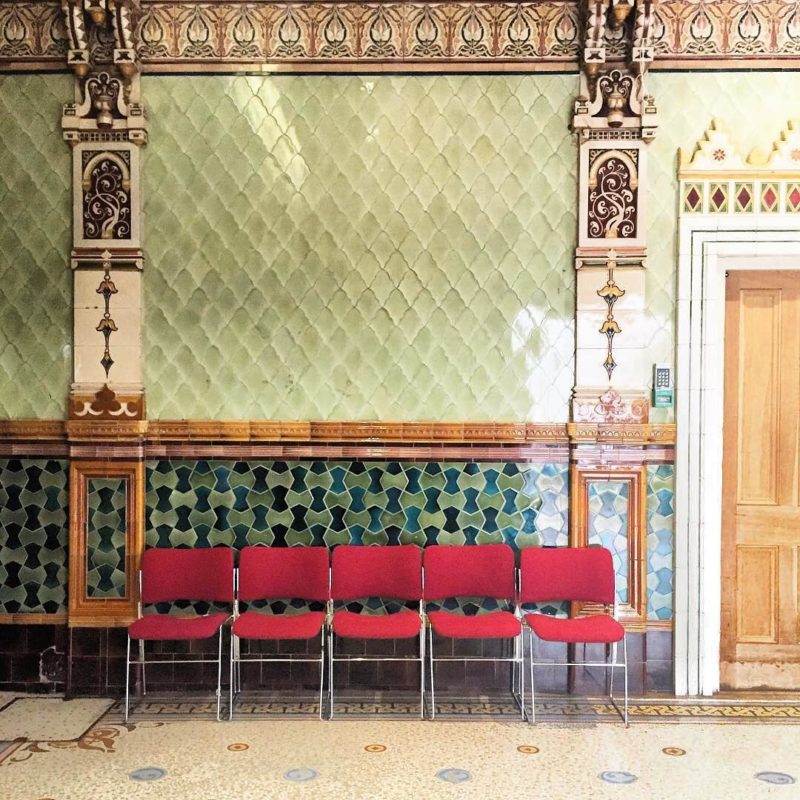
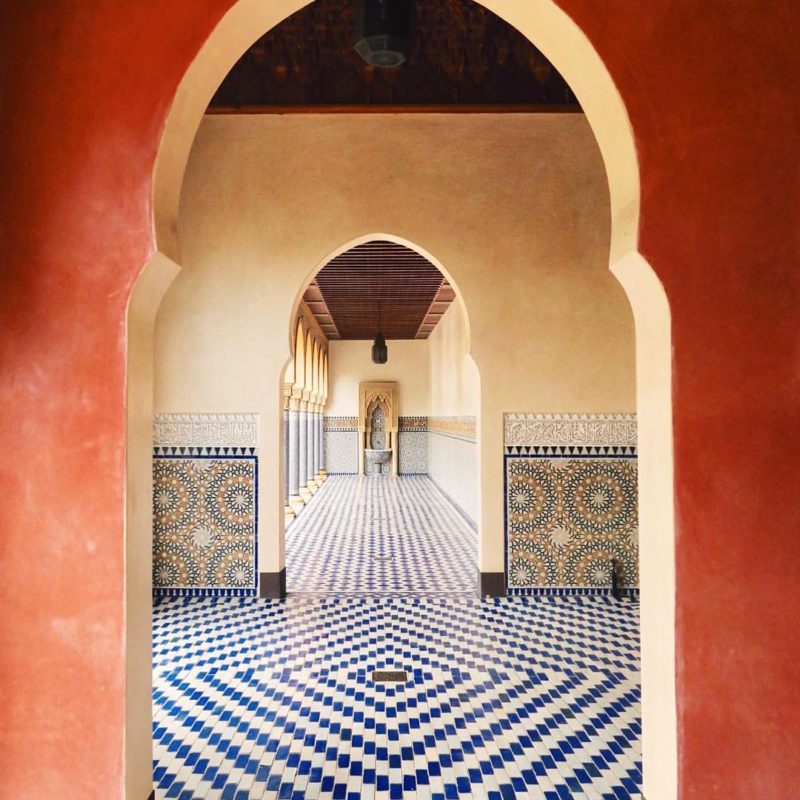
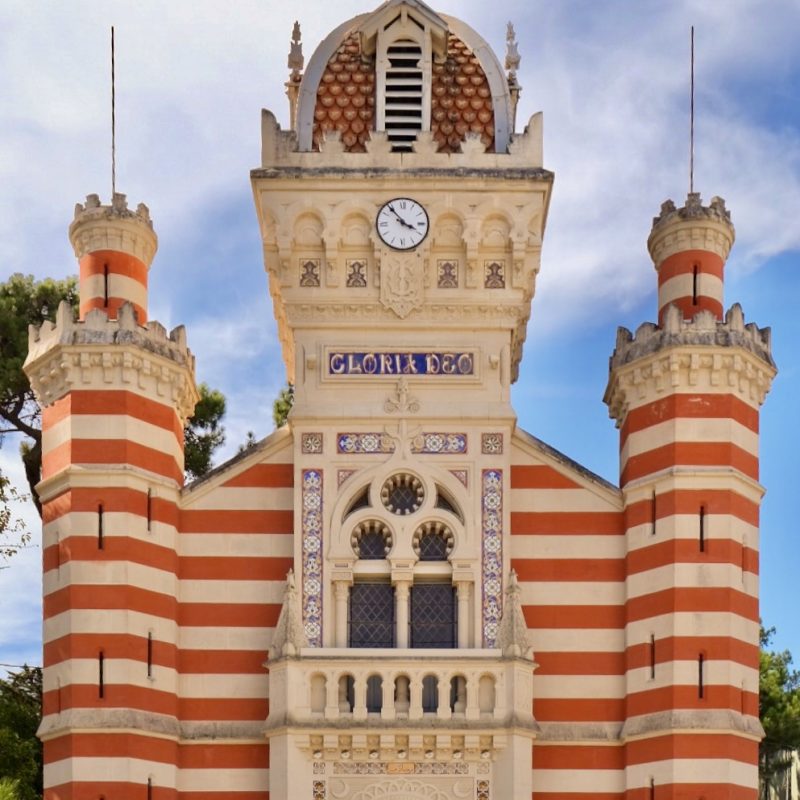
Funded by business ventures in North Africa, Leon Lesca had this chapel built in 1865 to match his Moorish villa.
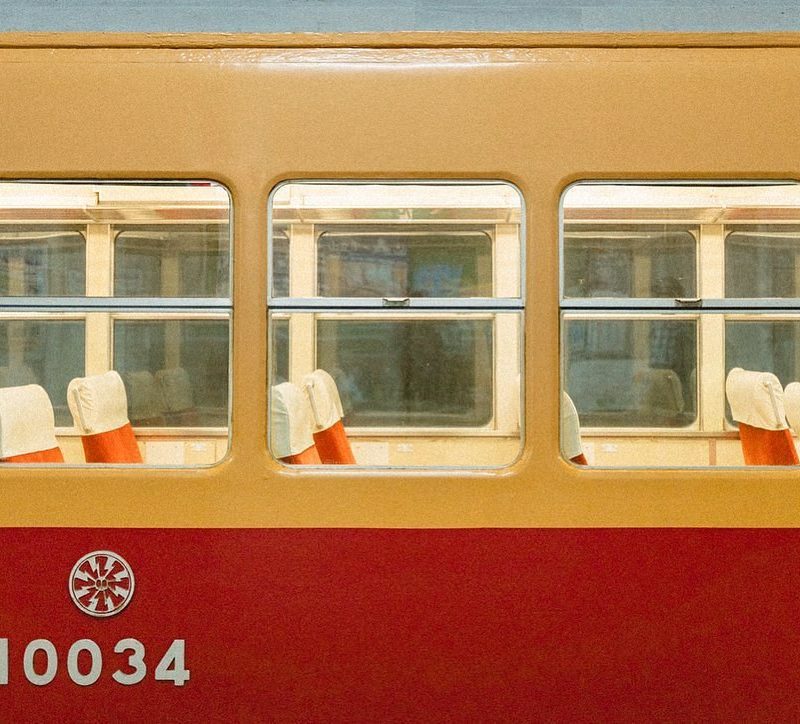
These retro train cars were bought with an intention to lower spending costs for the Toyama Chihō Railway, however they ended up drawing more visitors for their aesthetic appeal.