Login
Login
 login / signup









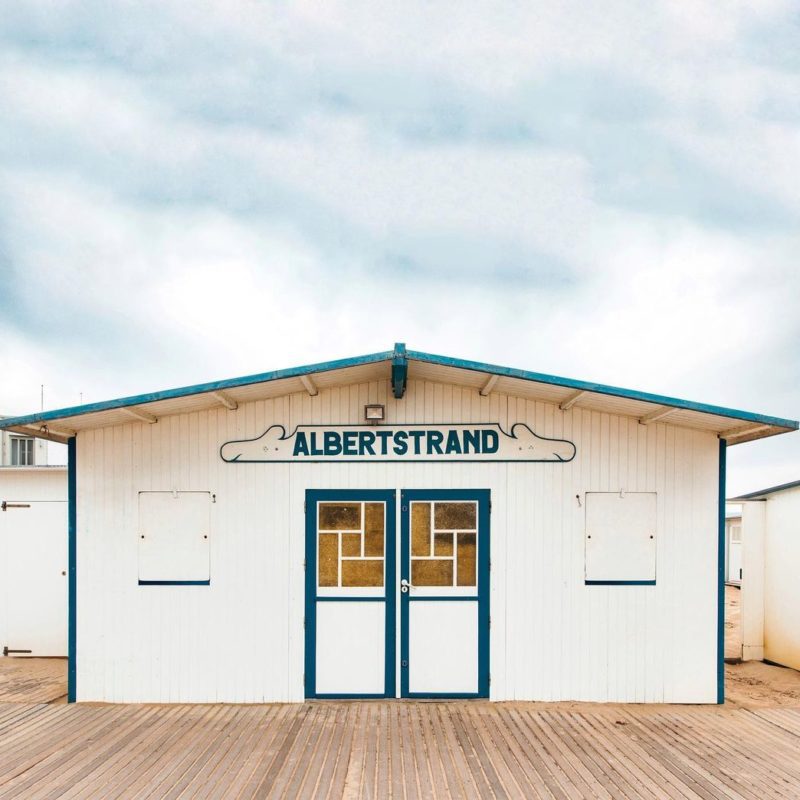
Knokke, Belgium
Albertstrand
This popular beach in Belgium is named after WW1 veteran and beloved Belgian monarch Albert I.






This popular beach in Belgium is named after WW1 veteran and beloved Belgian monarch Albert I.
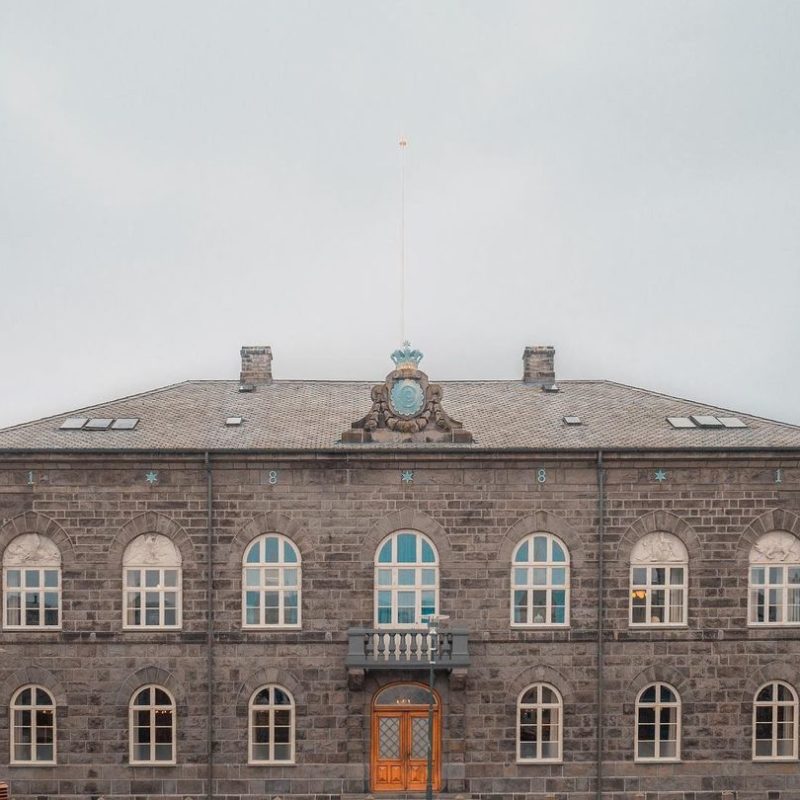
The Althing has convened every year since 930 A.D. making it the longest running parliament in the world.
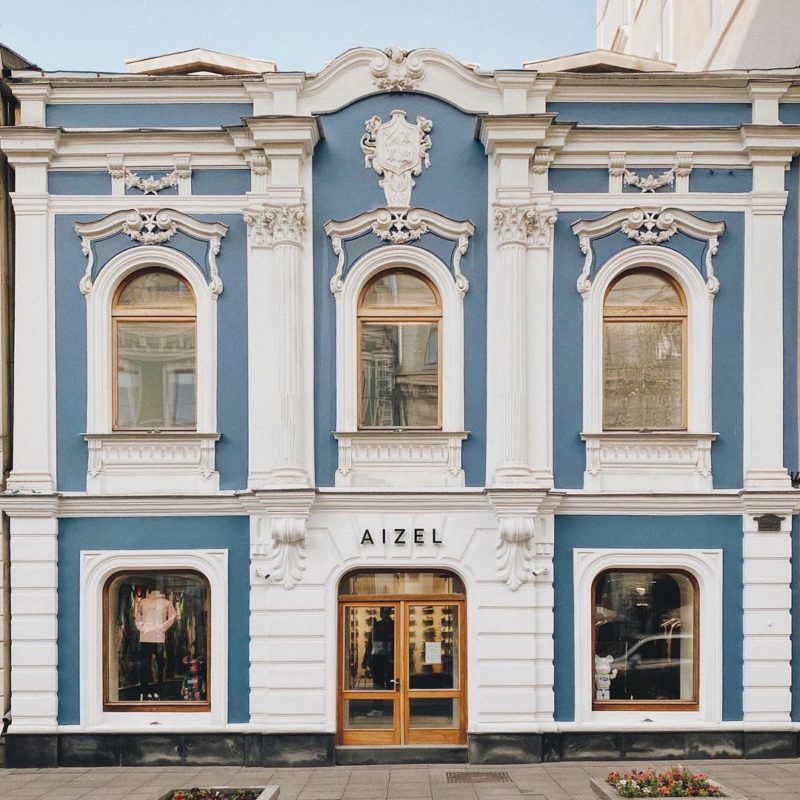
From the CommunityBefore luxury shops lined Stoleshnikov Lane, the district was home to tablecloth makers for Russia's Royal Court.
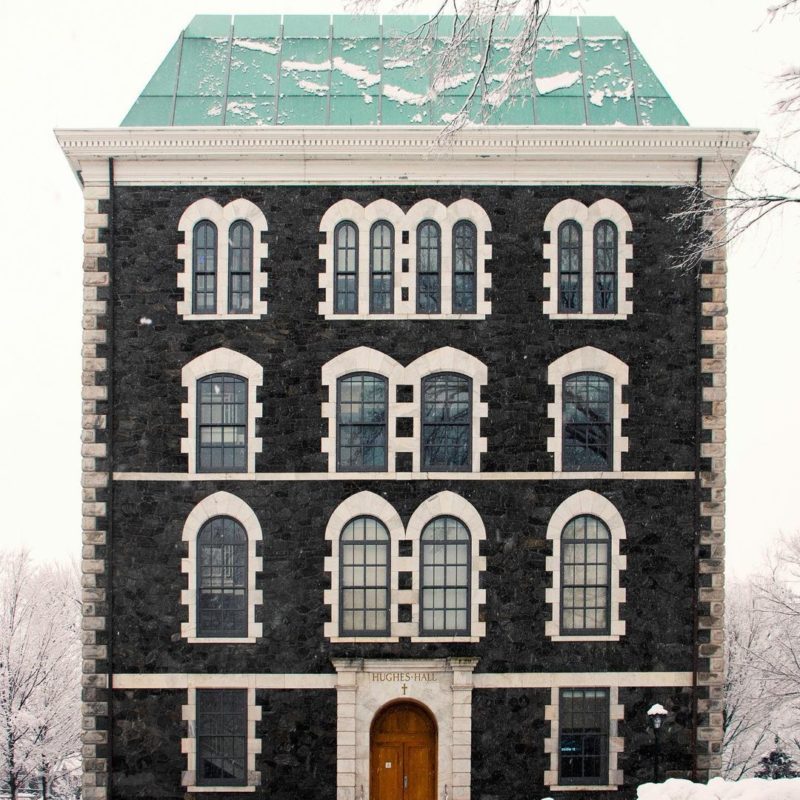
Hughes Hall became an iconic location in The Exorcist. Rumored to be haunted itself, the historic French Gothic building blends academic legacy with cinematic terror.
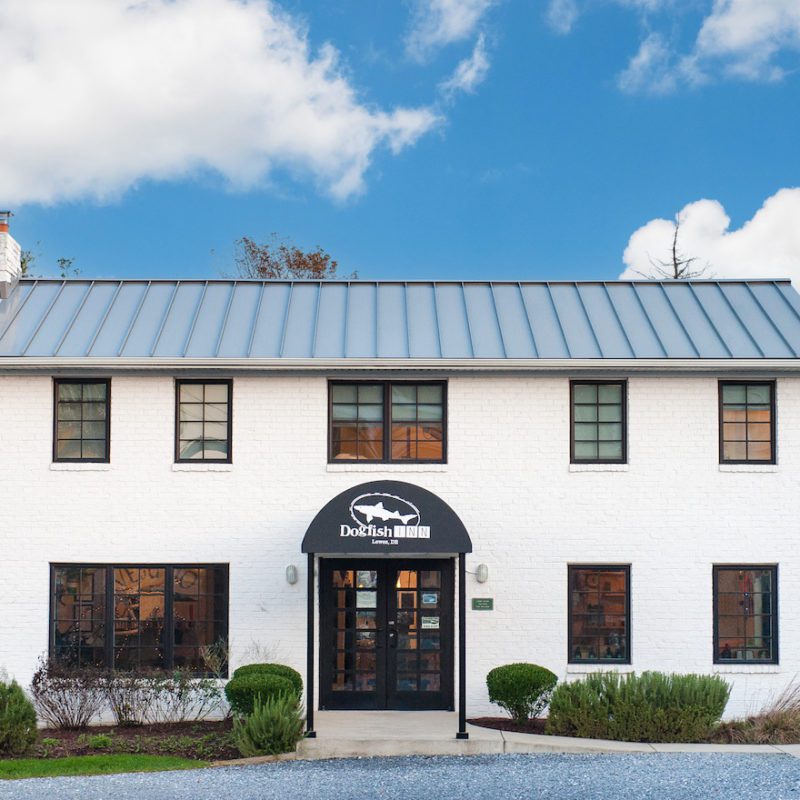
From the CommunityOpened in 2014, Dogfish teamed up with Studio Tack in Brooklyn, N.Y., and Lighthouse Construction in Magnolia to design and renovate the property.
AWA visted here
The most unique structures in the entire town.
AWA visted here
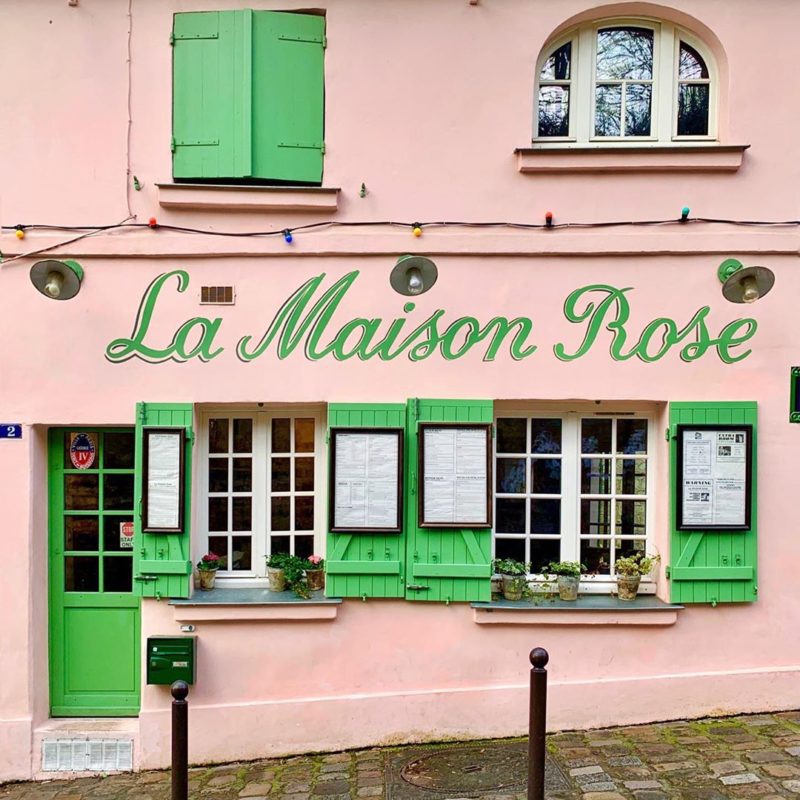
This restaurant on Paris' famed Montmartre hill was once frequented by Picasso.
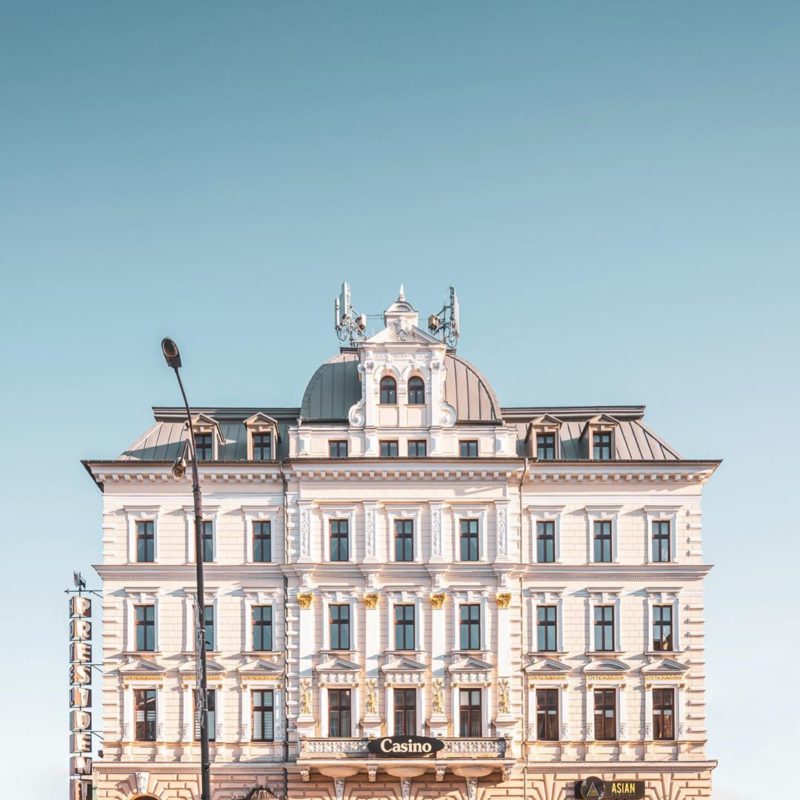
Originally named after an Austrian emperor, the Hotel President is one of the most recognizable buildings in Bielsko-Biala.
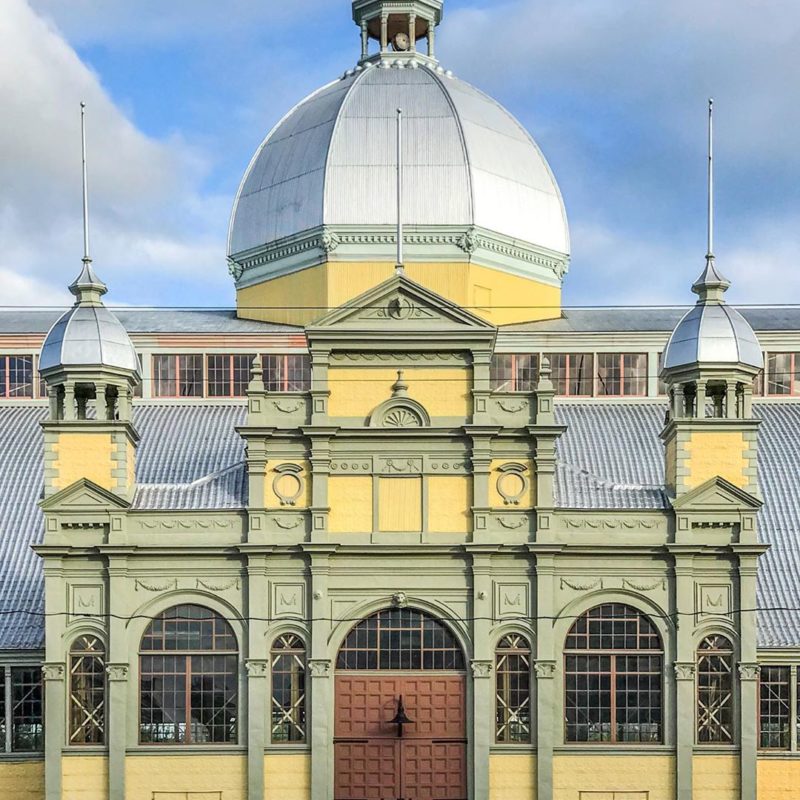
Originally used to host agricultural fairs, this exhibition hall earned the nickname the "Cattle Castle".
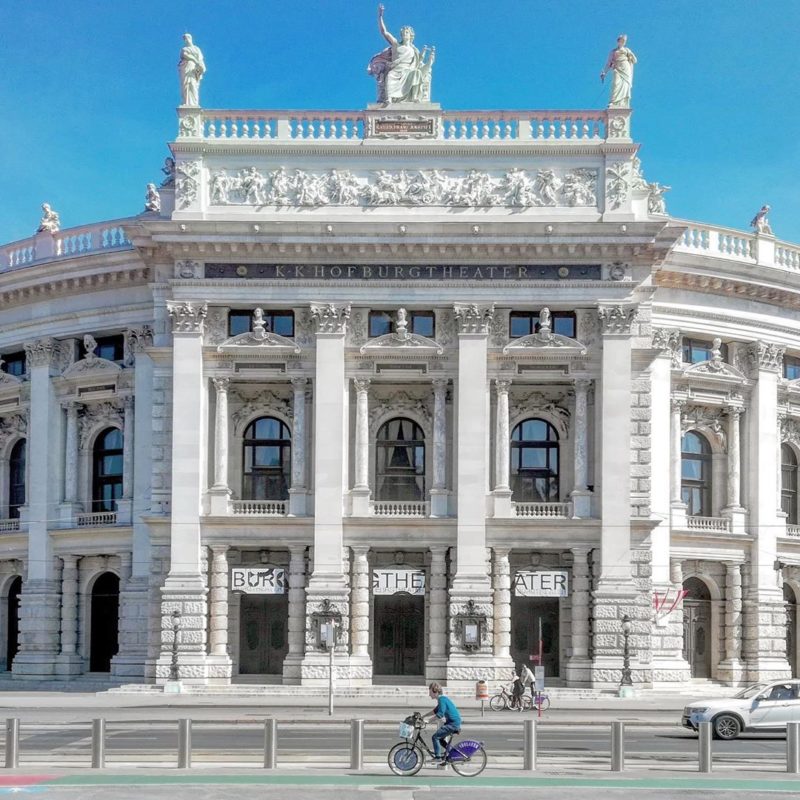
Built in 1741, this theater premiered three Mozart operas and Beethoven's 1st symphony.
Visitors to Aveiro, Portugal are greeted by colorful homes inhabited by its close-knit community.
The original gates defended a fortified city. This one defends Asia's largest circular park on a traffic circle.
AWA visted here

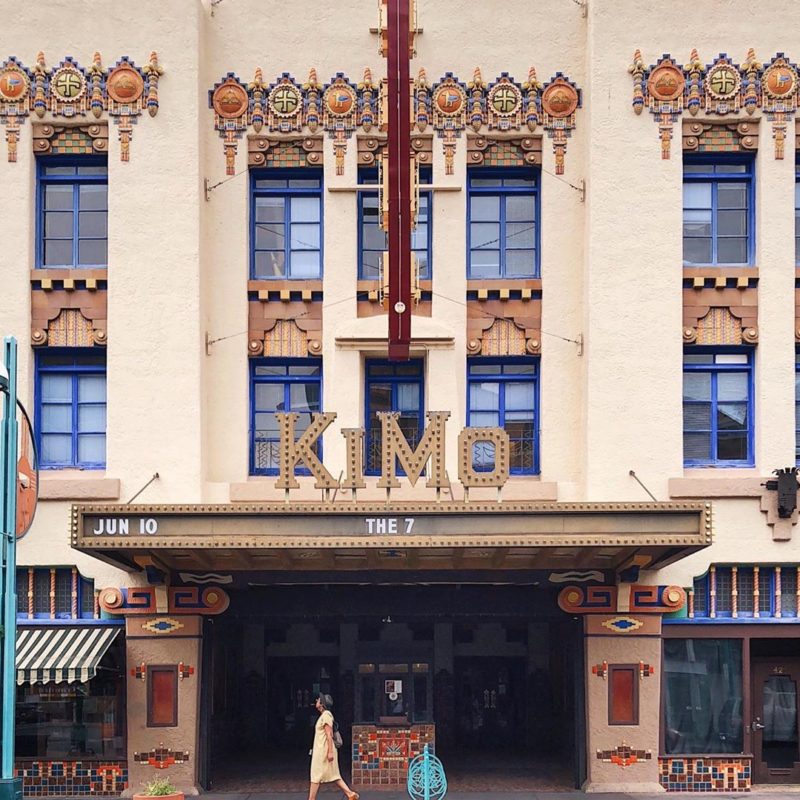
Designed in the Pueblo Deco style, the KiMo Theater was built to pay tribute to Native American tribes in New Mexico.
From the CommunityBacked by a rich history, this Montreal museum adapts with the changing times while also staying true to the city's unique stories.
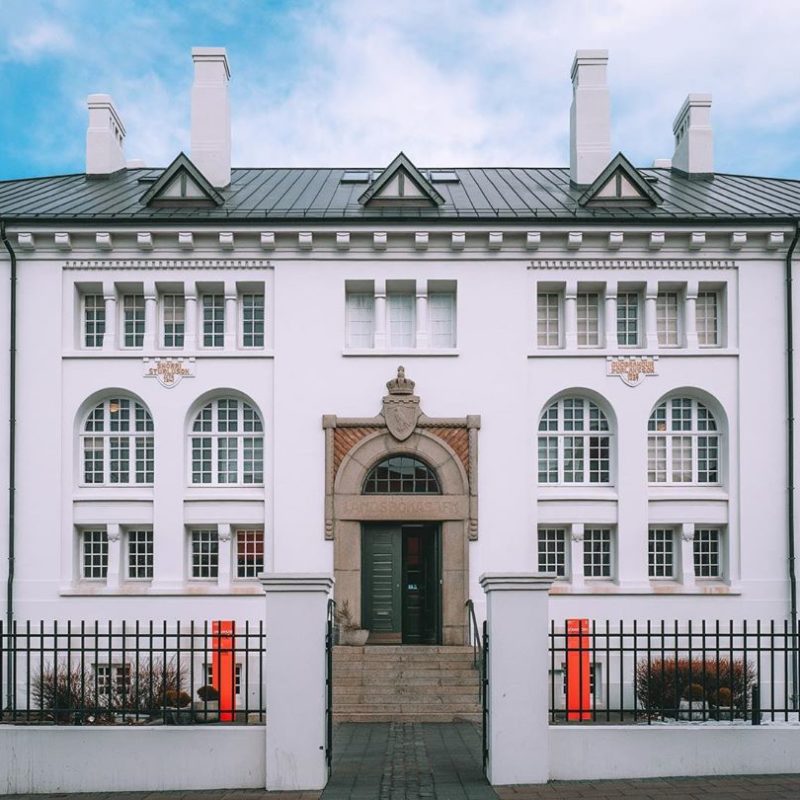
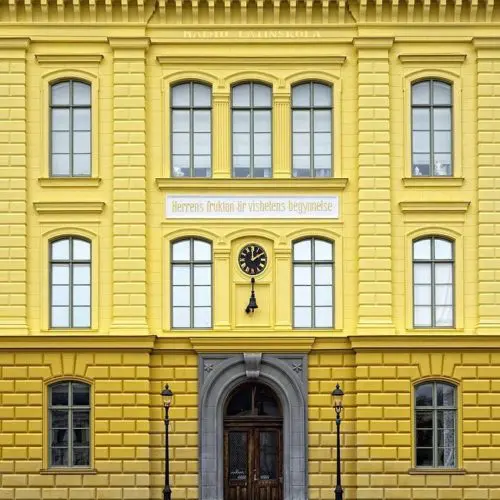
The stately structure in the heart of Reykjavík, Iceland was initially commissioned to house the National Library and the National Archives.
From the CommunityOnce the royal residence of Marie de' Medici, the Luxembourg Palace is now home to the Senate of the Fifth Republic.
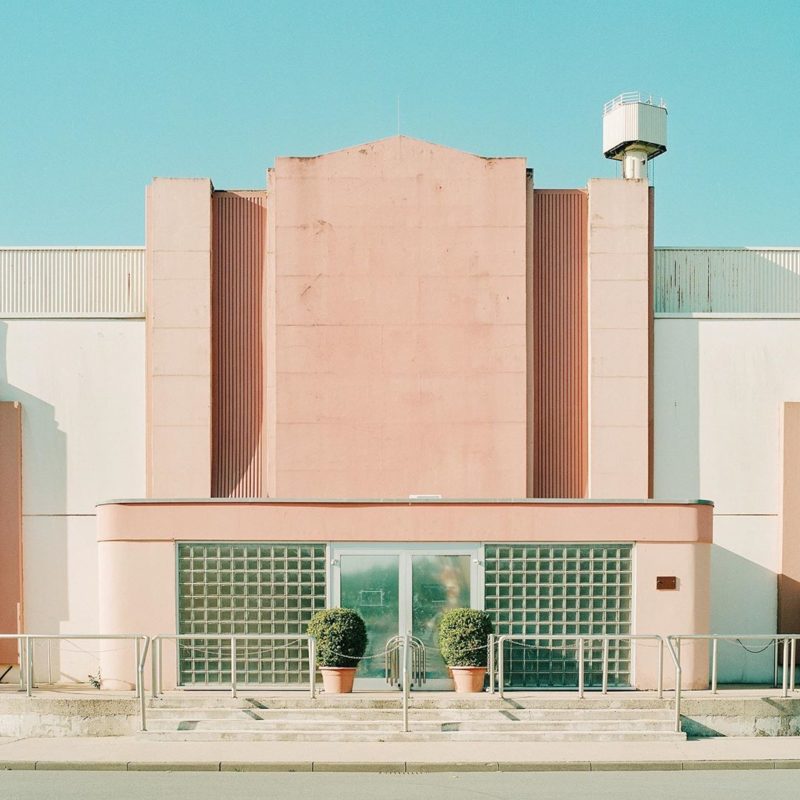
This German theme park, now known as “Movie Park Germany”, has undergone many thematic and name changes over its 50+ year history.
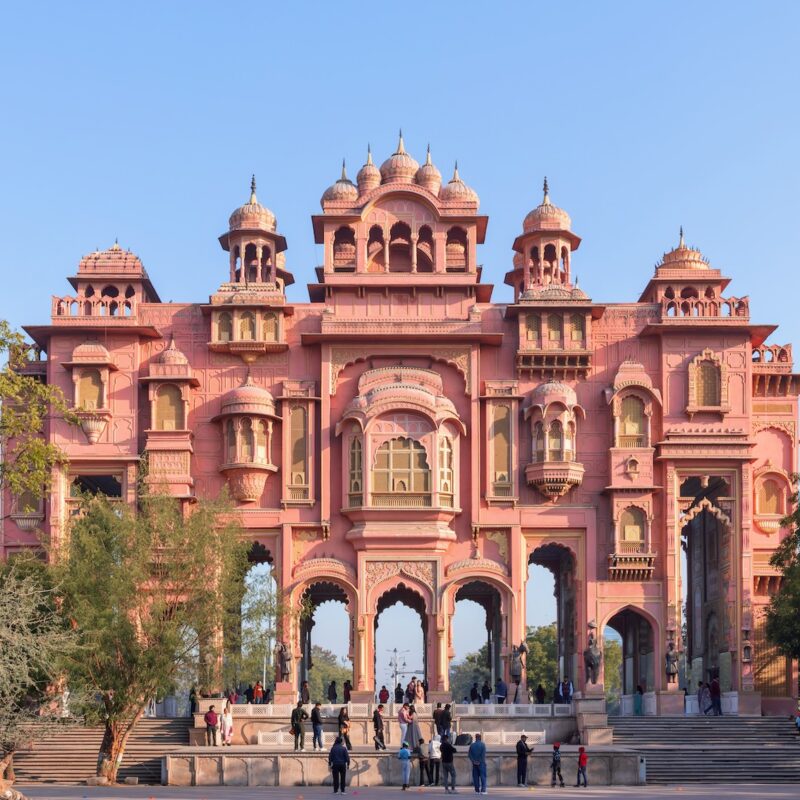
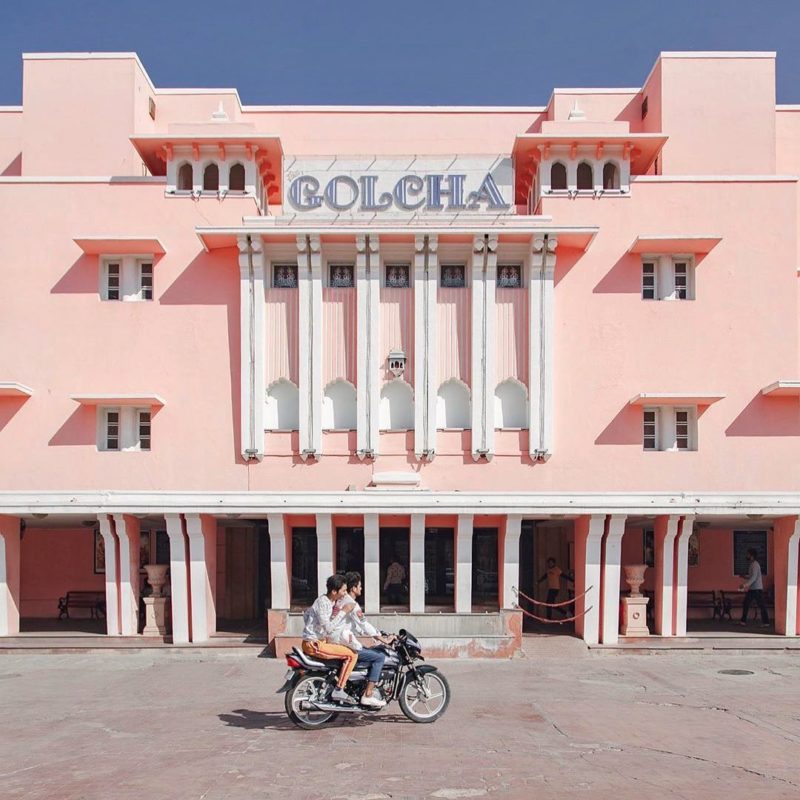
From the CommunityA timeless movie haven in Jaipur, where neon lights, retro charm, and samosas await.
AWA visted here
Built in 1842, the Marine House has served many functions including a hotel, army barracks, factory, orphanage, private home, and now is an educational institution.
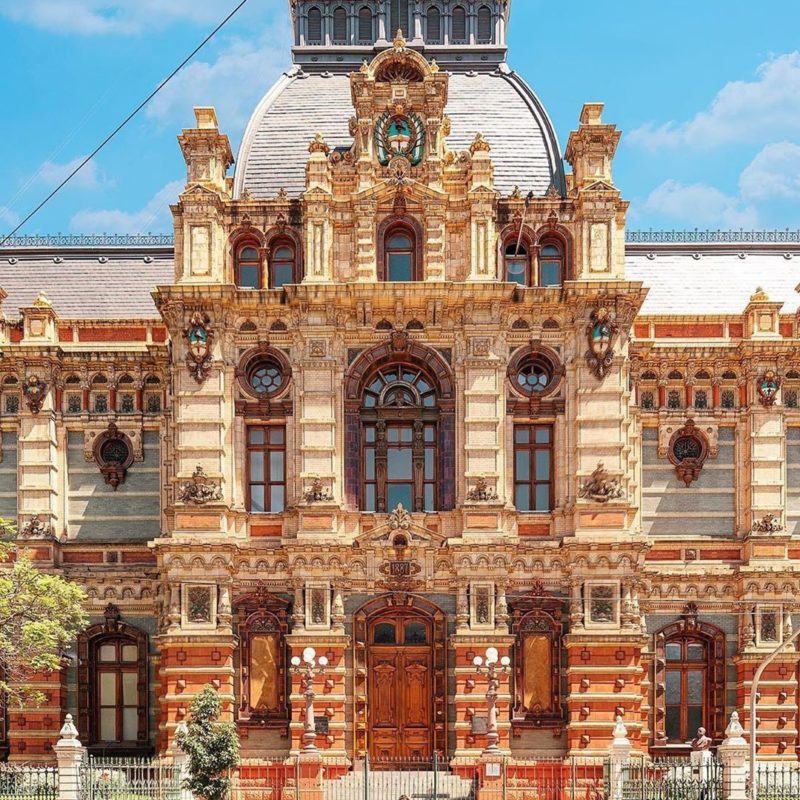
Visitors are welcome to take a refreshing tour of the pumping station - tissues are encouraged!
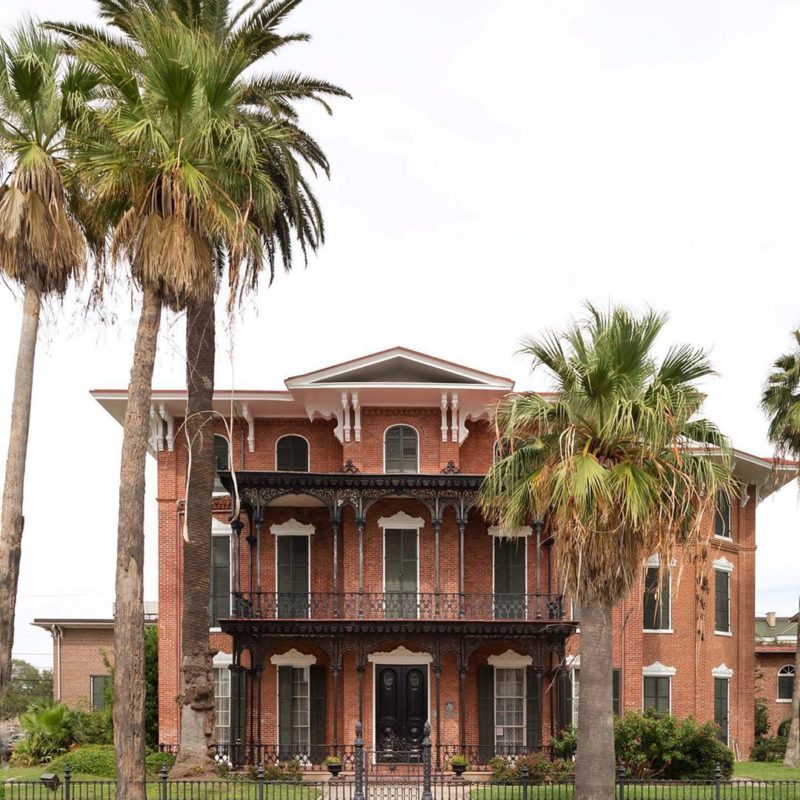
This Victorian mansion was the site where Union General Granger read the order freeing Texas slaves on June 19, 1865 - now commemorated as the historic liberation holiday, Juneteenth.
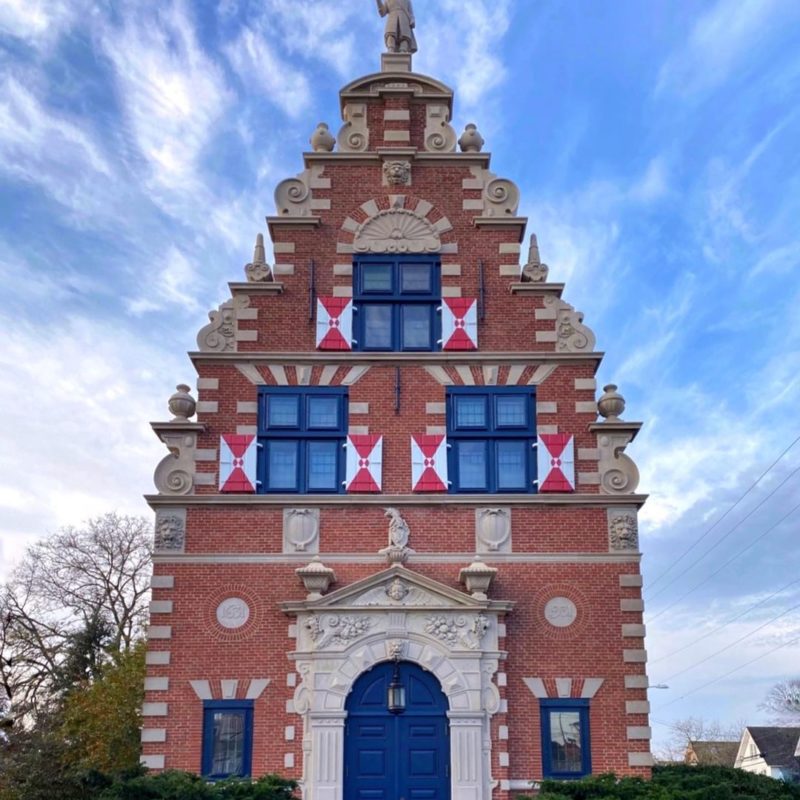
Built in 1961, Zaanse Schans is a neighborhood in the Netherlands that aims to capture Dutch life during the 18th and 19th centuries.
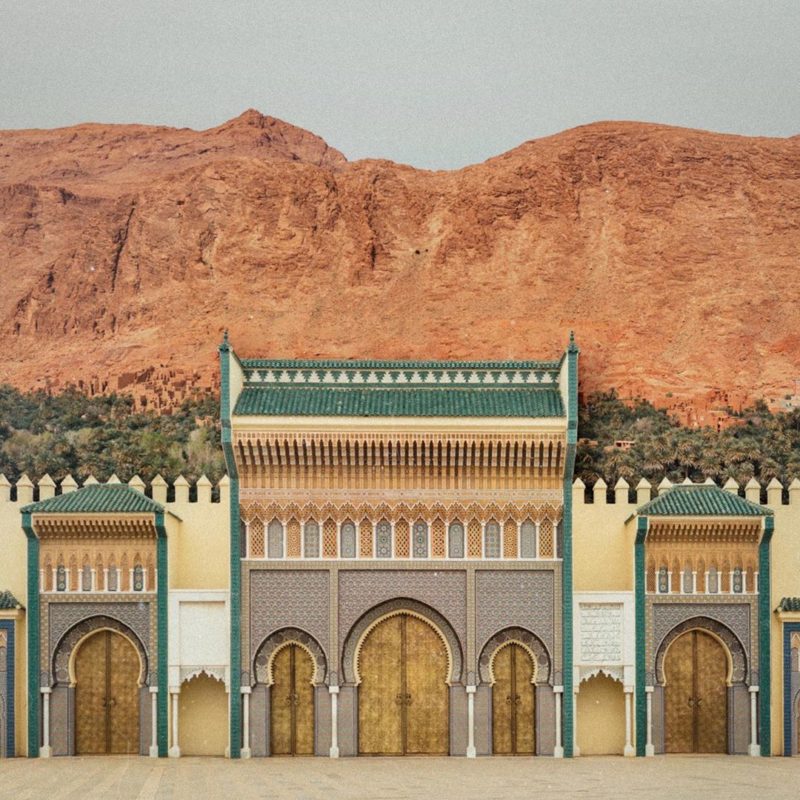
Built in 1276, the Palais Royal is the palace of the King of Morocco and visitors can gain access by invitation only.
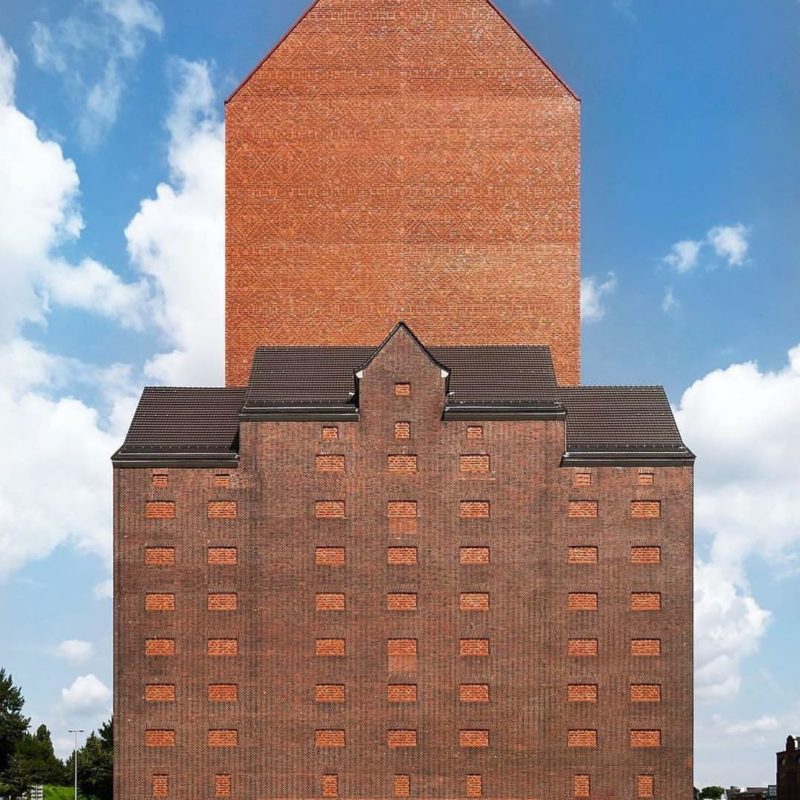
This brick-clad archival building in Germany was once a corn storage facility.
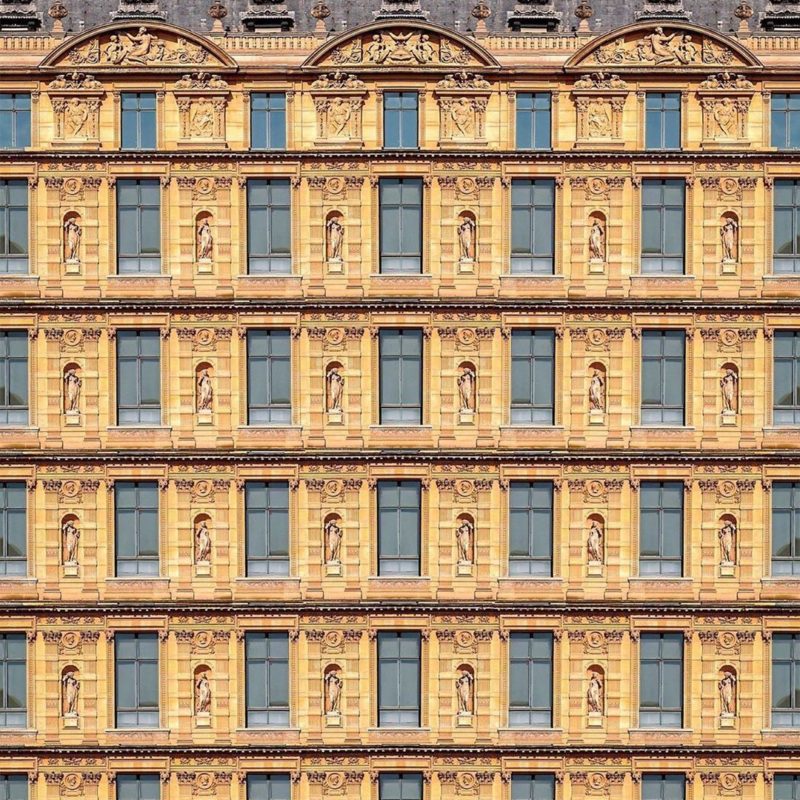
Located within the Louvre, this museum exhibits collections of decorative arts, fashion, and design.
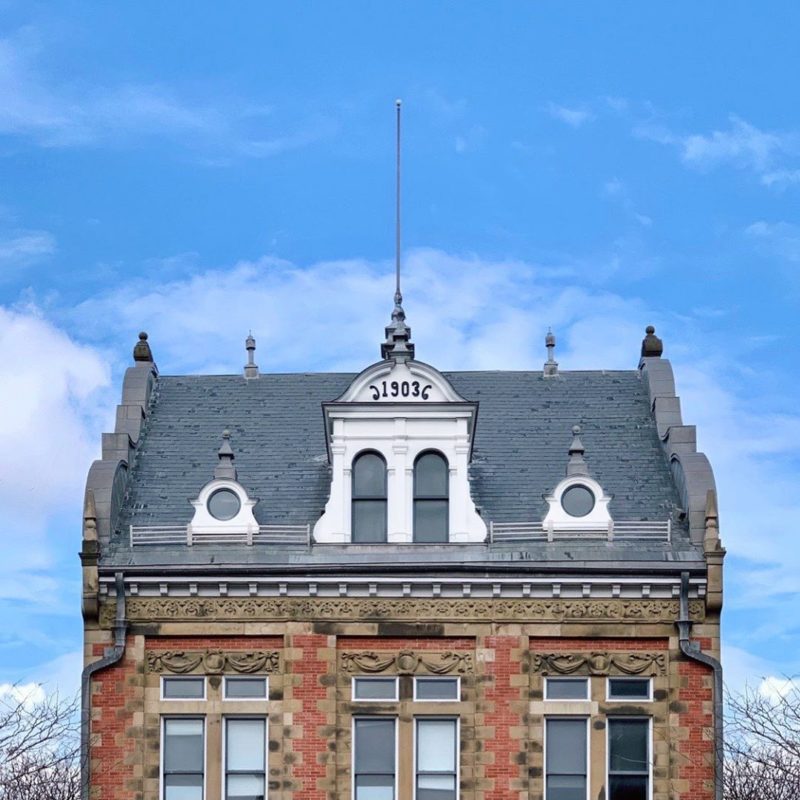
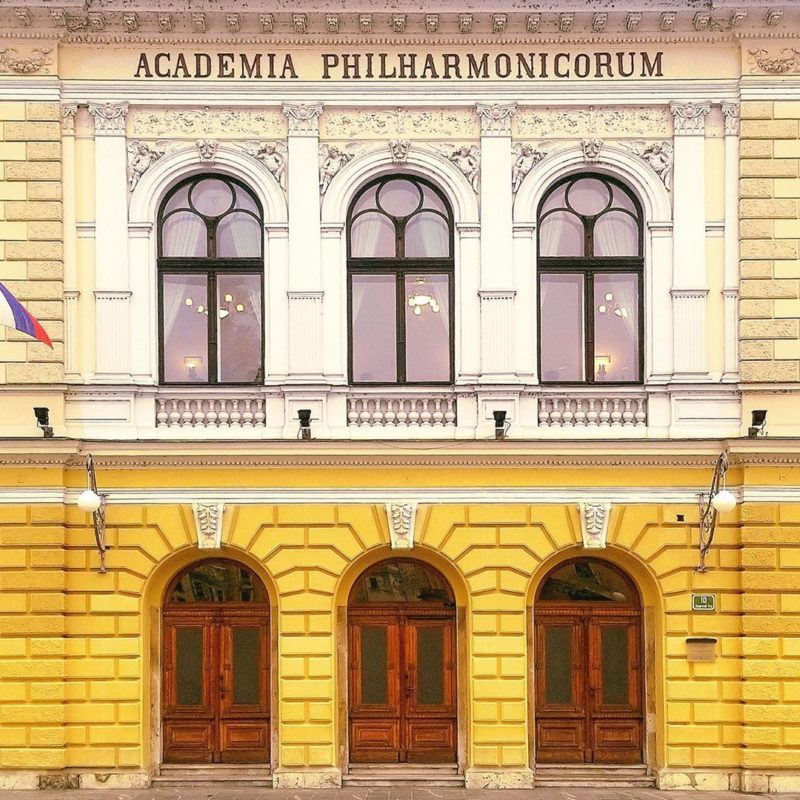
Built in 1891, this building housed Slovenia's first philharmonic orchestra.
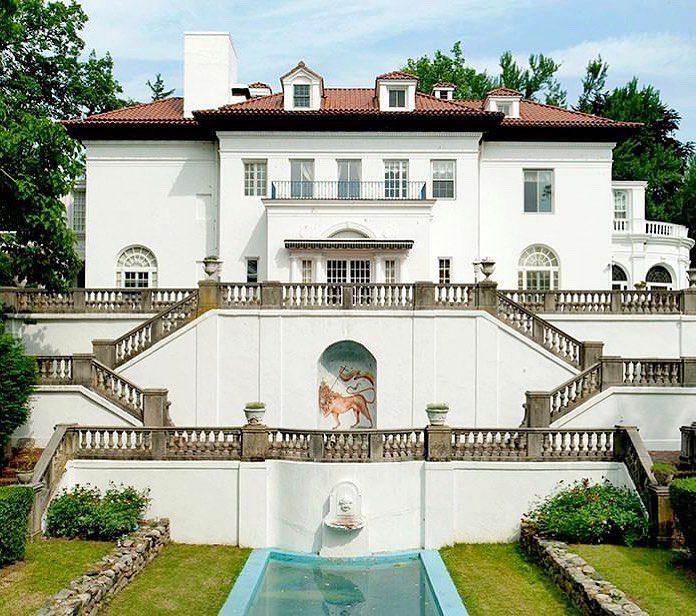
Built in 1918, Villa Lewaro was owned by America's first self-made female millionaire, Black American beauty mogul Madame C.J. Walker.
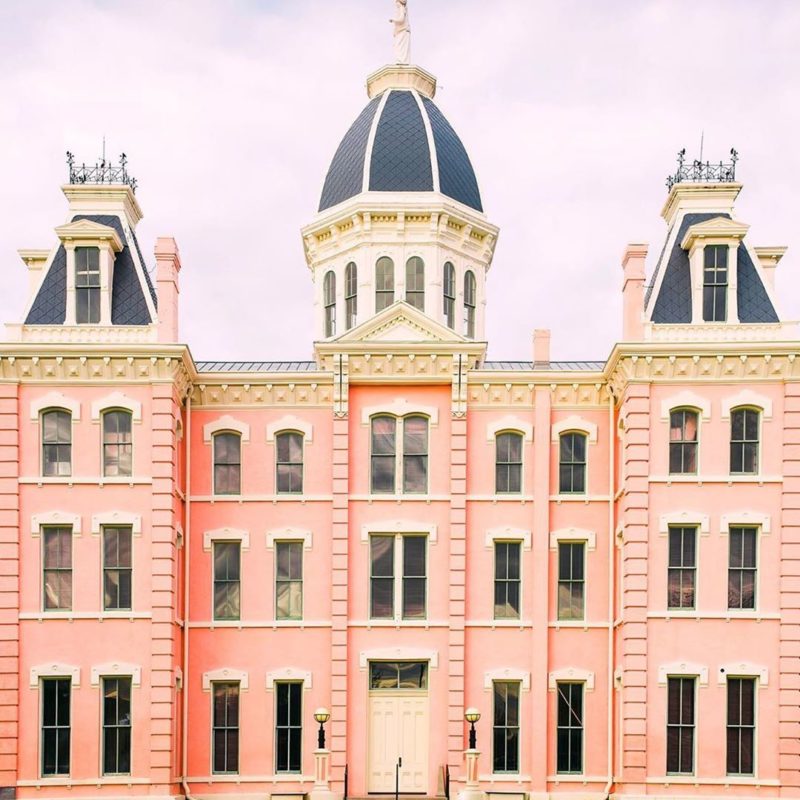
Built in 1887, this elegantly designed Courthouse in West Texas shows off its European architectural influences.
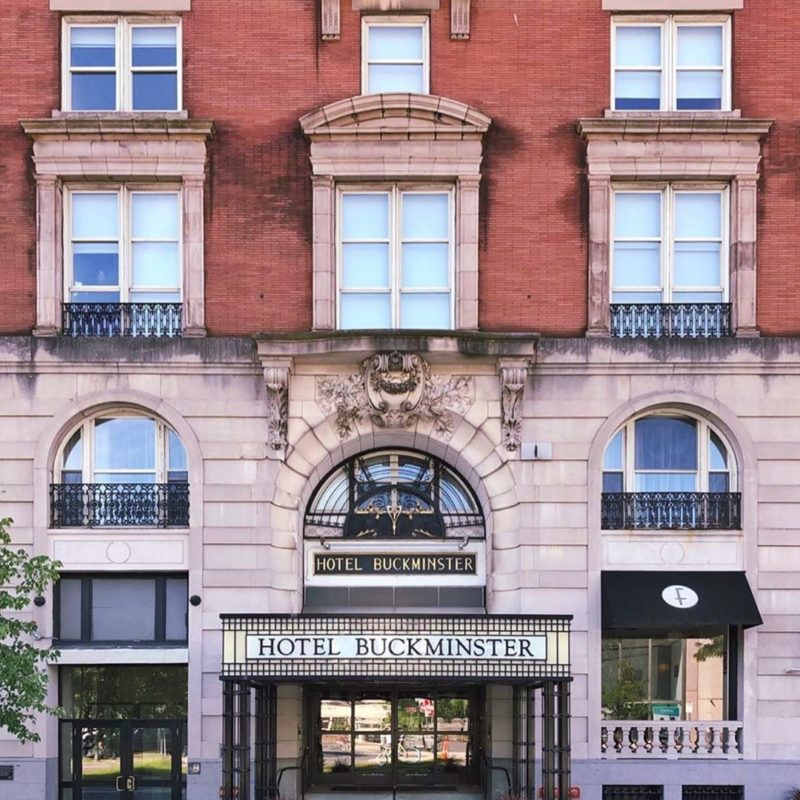
This historic Boston hotel played host to one of the biggest scandals in the history of American baseball.
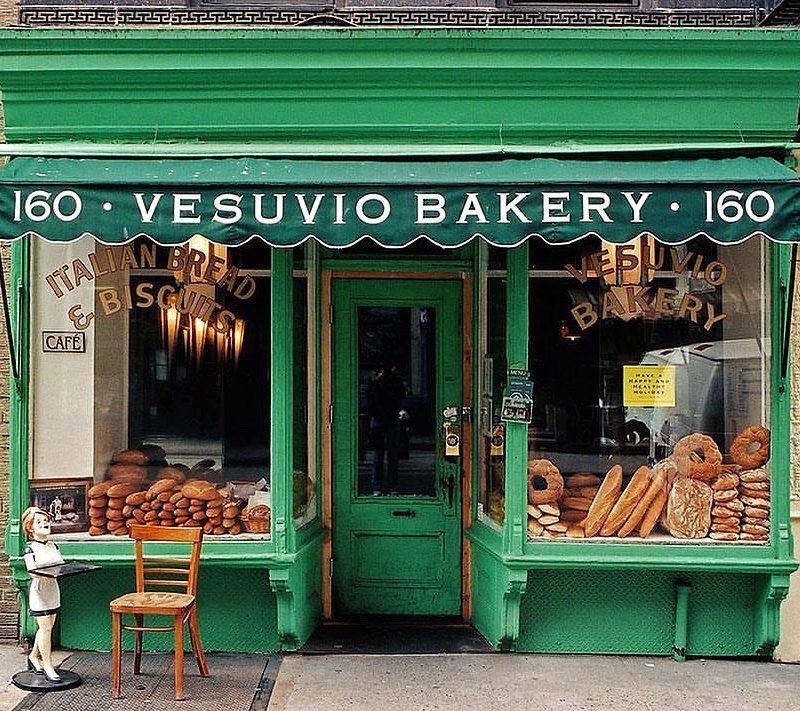
From the CommunityReopened in 2020, this iconic 100-year old Italian bakery still trades beneath its original storefront and signage.
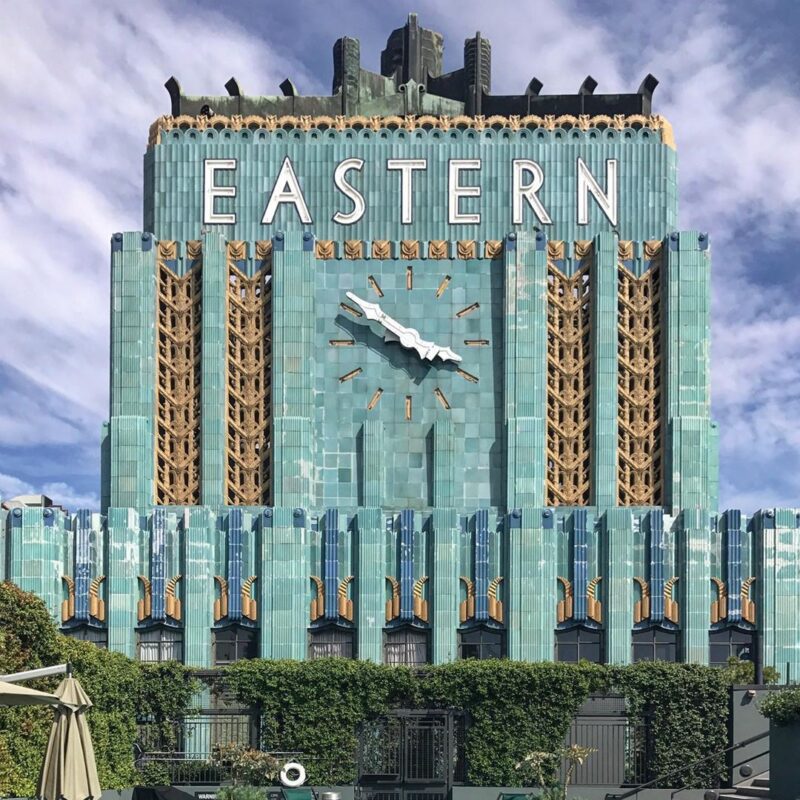
Built in 1930, this former department store headquarters is considered the finest type of Art Deco architecture in Los Angeles.

The former summer home of the royal Swedish family, the Sofiero Palace has a rich history and an expansive array of spectacular gardens.
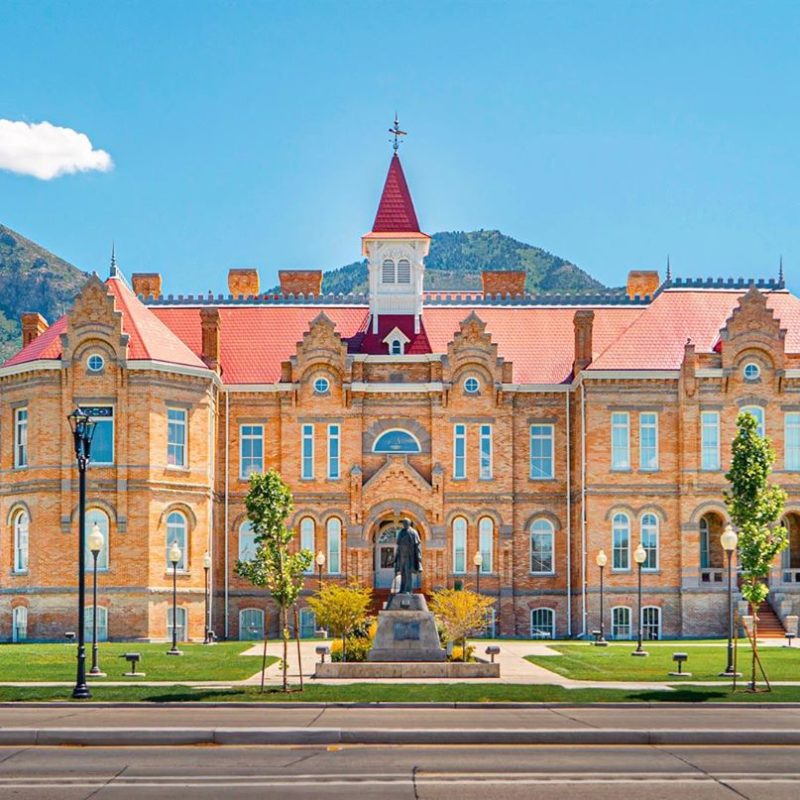
From the CommunityThe origins of this large, fancy library in Provo City, Utah began as a book club in a courthouse basement that hoped to catch the gaze of industrialist Andrew Carnegie, who was building libraries across the U.S. at the time.
Originally Located in Germany's Garden Realm, the Gothic House was originally built as a gardener's apartment and was transformed into a private residence for Prince Leopold III.
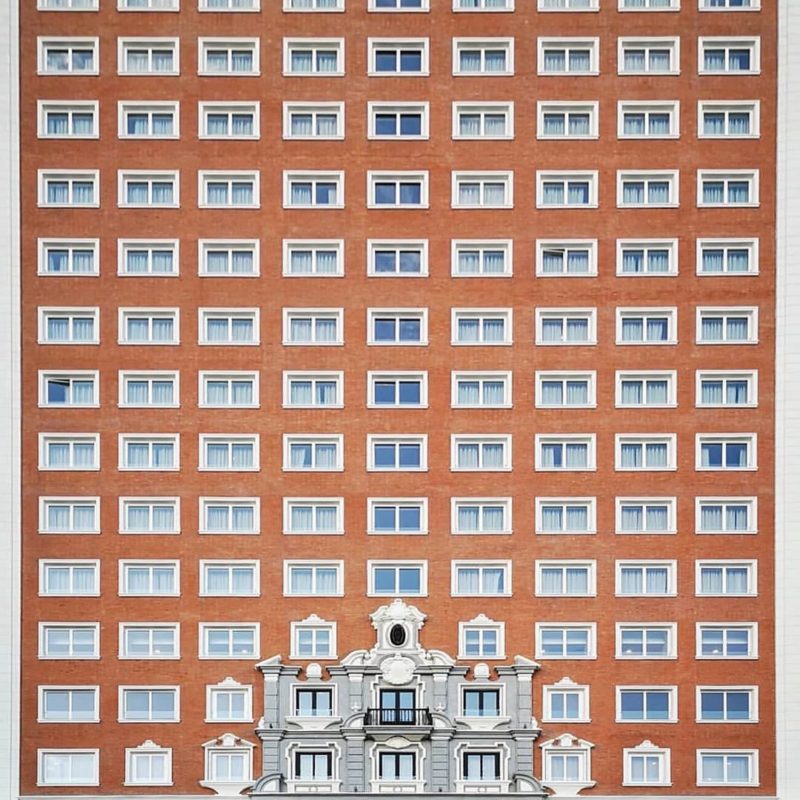
This four-star hotel was the tallest building in Spain when it was completed in 1953.