 Login
Login
 login / signup













Kyoto, Japan
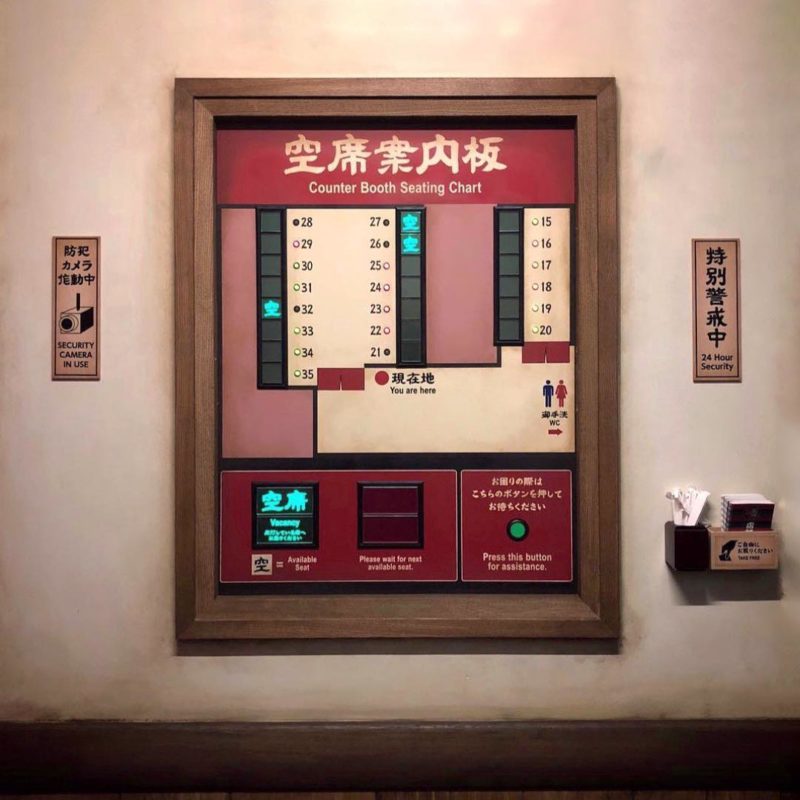
Ichiran Ramen
This famed Japanese ramen franchise started as a single stall that required a membership to be seated.
Presented with






Berlin, Germany | C.1930

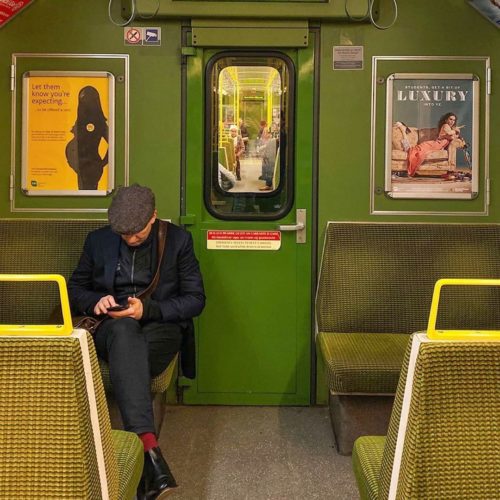
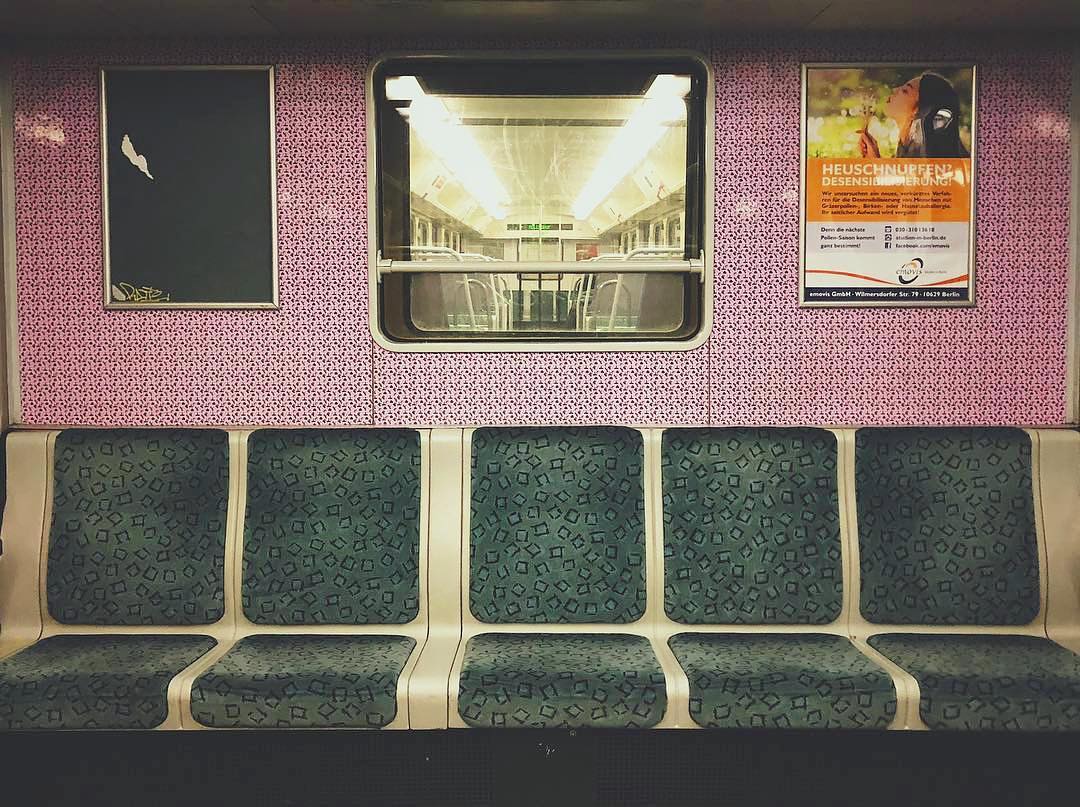
Berlin’s S-Bahn is proof that trains can carry more than commuters—they can carry history itself. First laid down in the 1870s, these suburban rails were meant to shuttle Berliners into the city. By 1930, the network had a new name—Stadtschnellbahn, or “city rapid railway”—and a growing web of electric lines.
The Ringbahn loop and East-West corridor were among the first to swap steam for sparks in the late 1920s. But, many trains clung to their smoky engines well into the 1950s, trailing soot even as the city rebuilt around them.
By 1961, the S-Bahn stretched over 300 km—until the Berlin Wall split it in two. Suddenly, what had been a symbol of connection became a checkpoint maze. Boycotts and politics drained its ridership, leaving stations eerily quiet.
When the Berlin Wall fell in 1989, the S-Bahn became more than a transit line—it became a banner of unity. Crews worked for over a decade to stitch the broken network back together, finally reopening the Ringbahn’s Westhafen section in 2002. Today, its red-and-yellow trains once again circle Berlin, carrying millions each day—and the weight of a city’s divided, and rejoined, past.
All aboard!
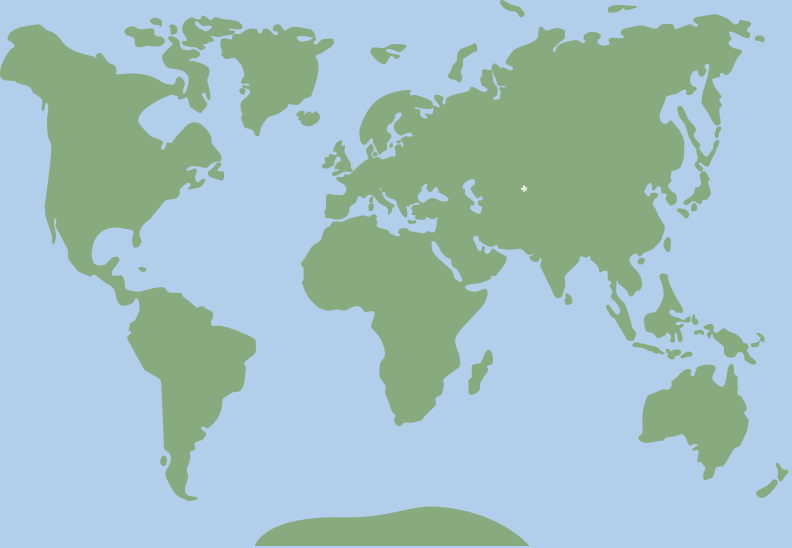 52.493961, 13.461448
Partner


This famed Japanese ramen franchise started as a single stall that required a membership to be seated.
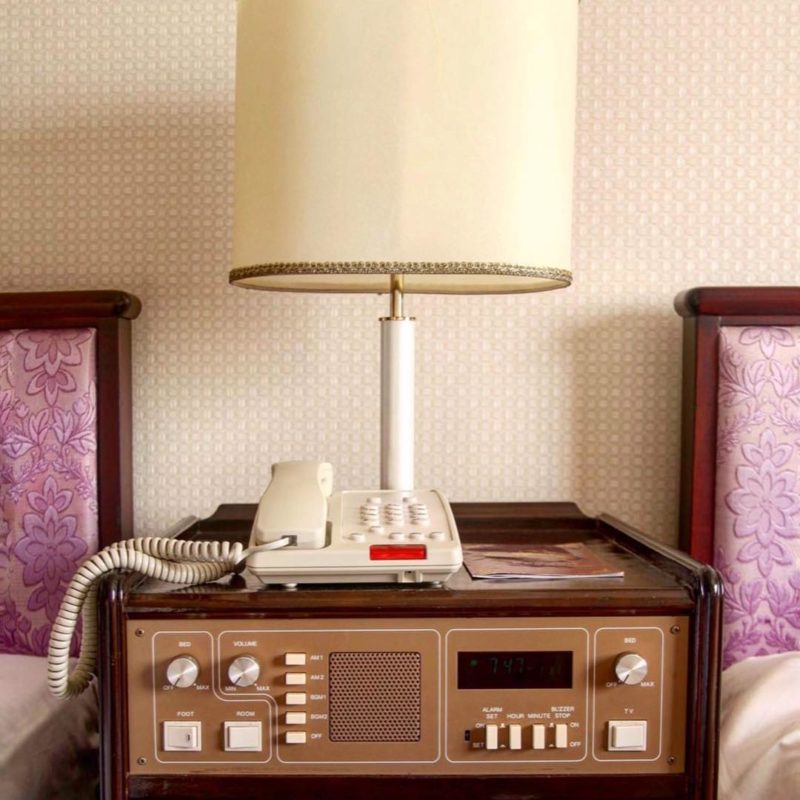
This retro-looking interior is found within the second-largest operating hotel in North Korea that has two cinemas and a casino in the basement.
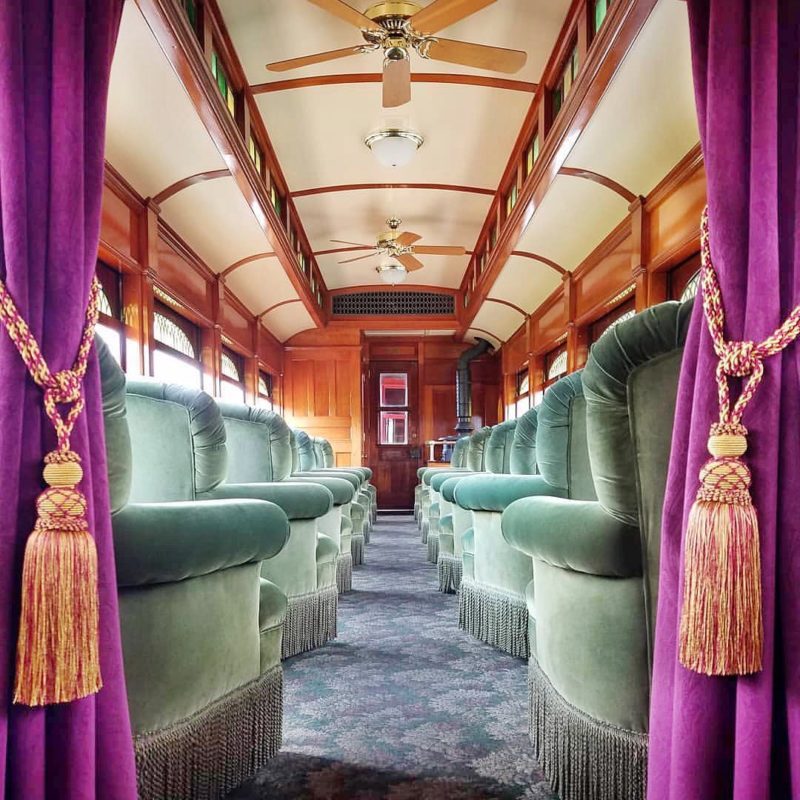
Luxurious railcar rides with the oldest continuously operating railroad in the Western hemisphere.
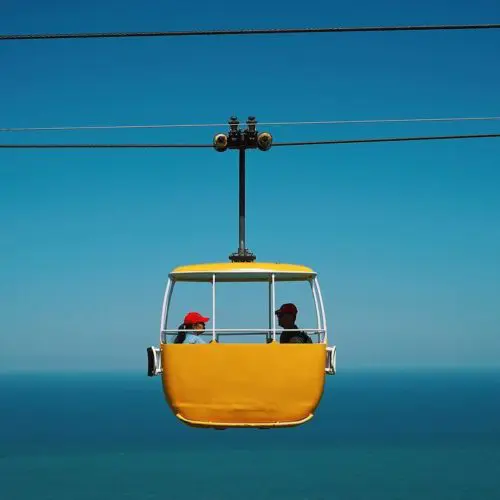
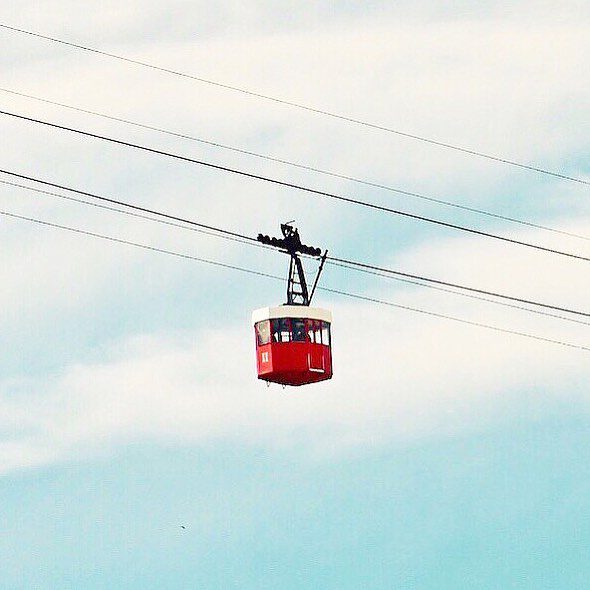
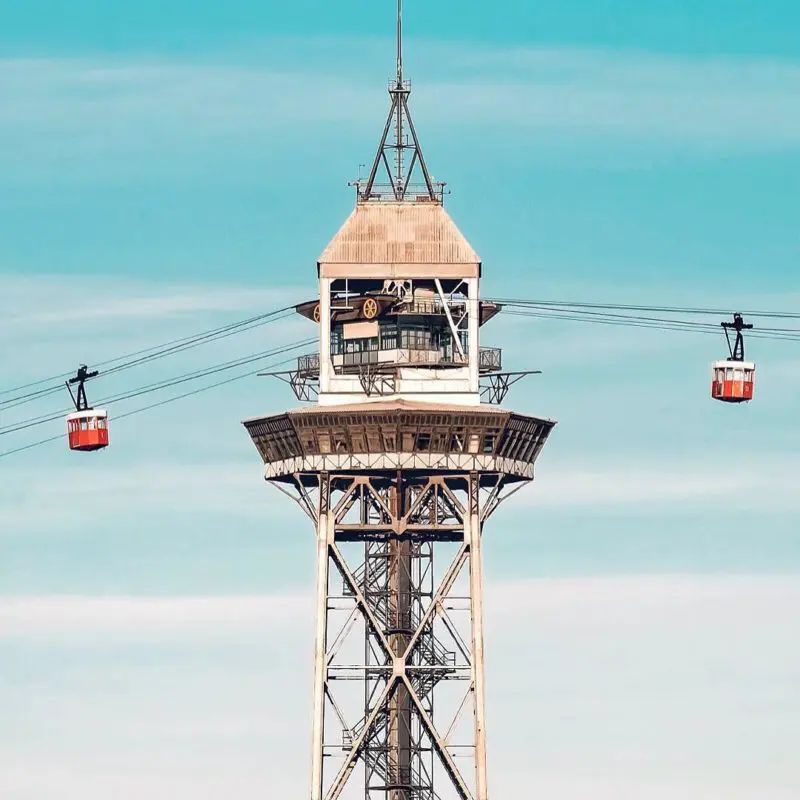
This cable car in Barcelona celebrates its 50th anniversary in 2020.
Decimated by the Spanish War, this tramway was restored in 2000 to serve its intended purpose: a tourist attraction offering exceptional views of Barcelona.
Max file size is 40MB. JPEGs are preferred.
You do not have permission to view this form.Need an account? Sign up
This site is protected by reCAPTCHA and the Google Privacy Policy and Terms of Service apply.


Know more? Share with the community!
Submit Your ImageLogin/Sign Up.