Login
 login / signup









Warsaw, Poland
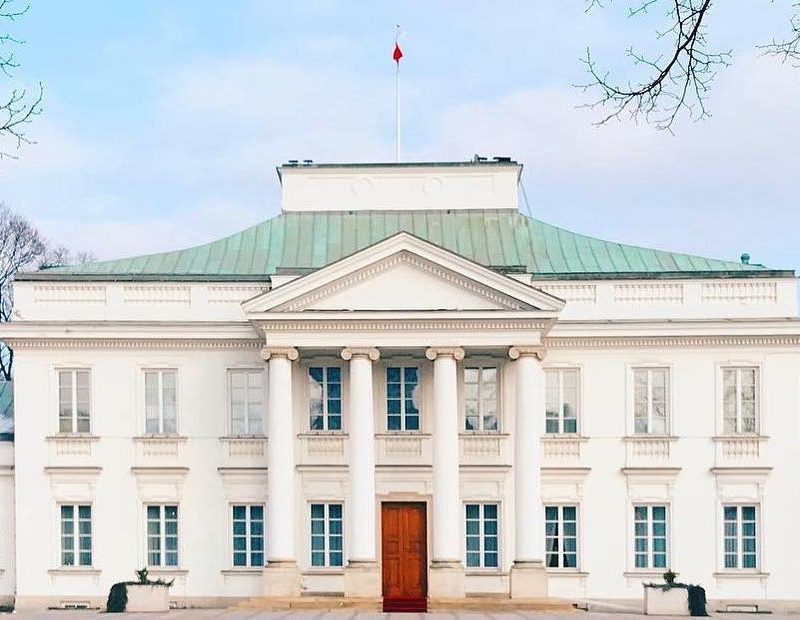
Belweder Palace
The scene of several dramatic events in Poland's history, this palace was also once a a porcelain factory.





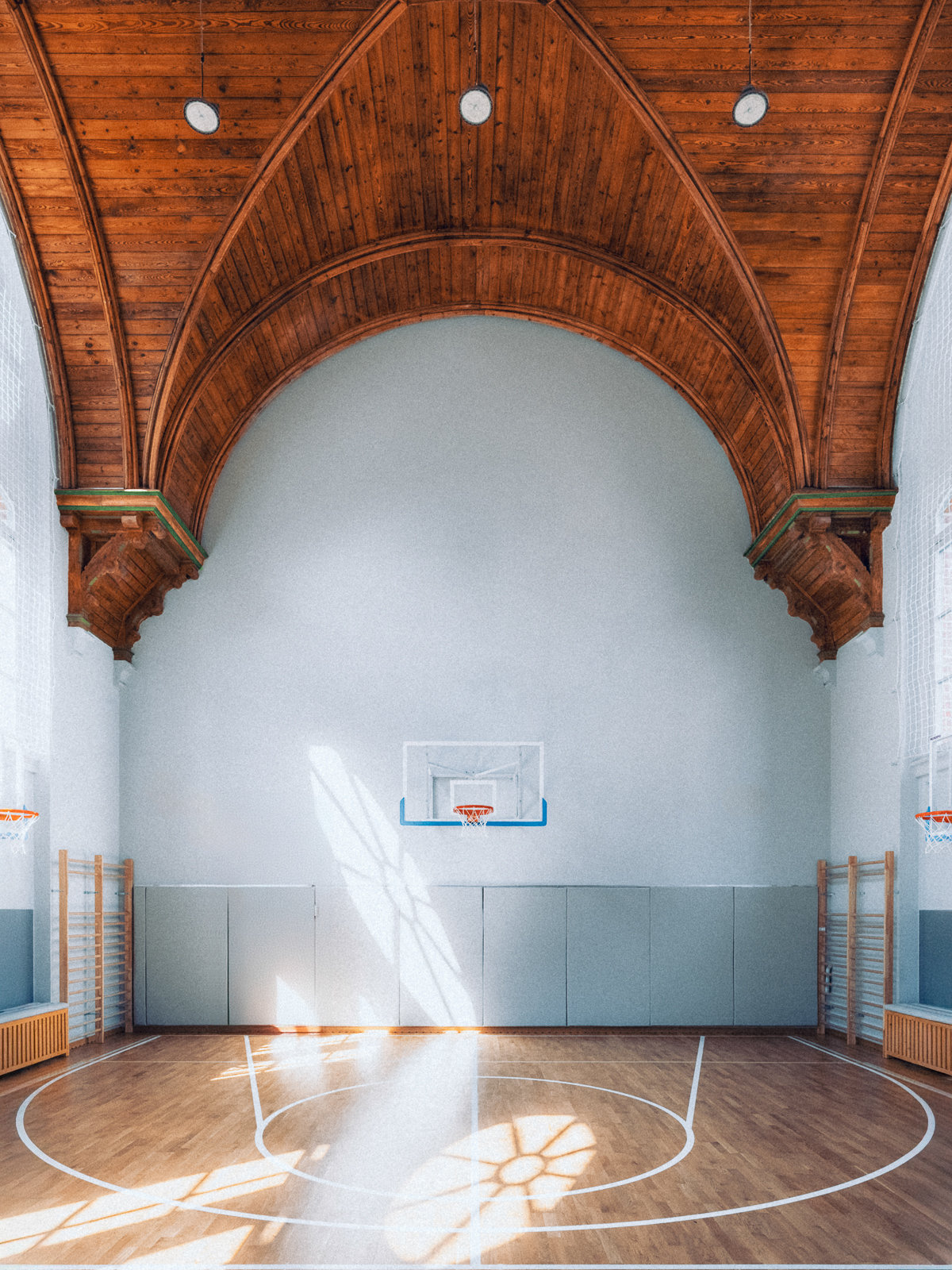
Szczecin, Poland | C.1901

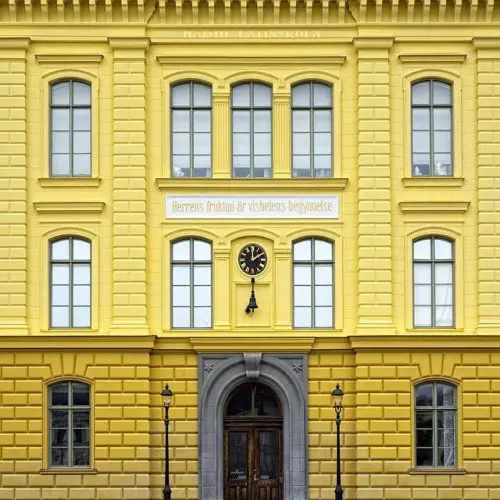
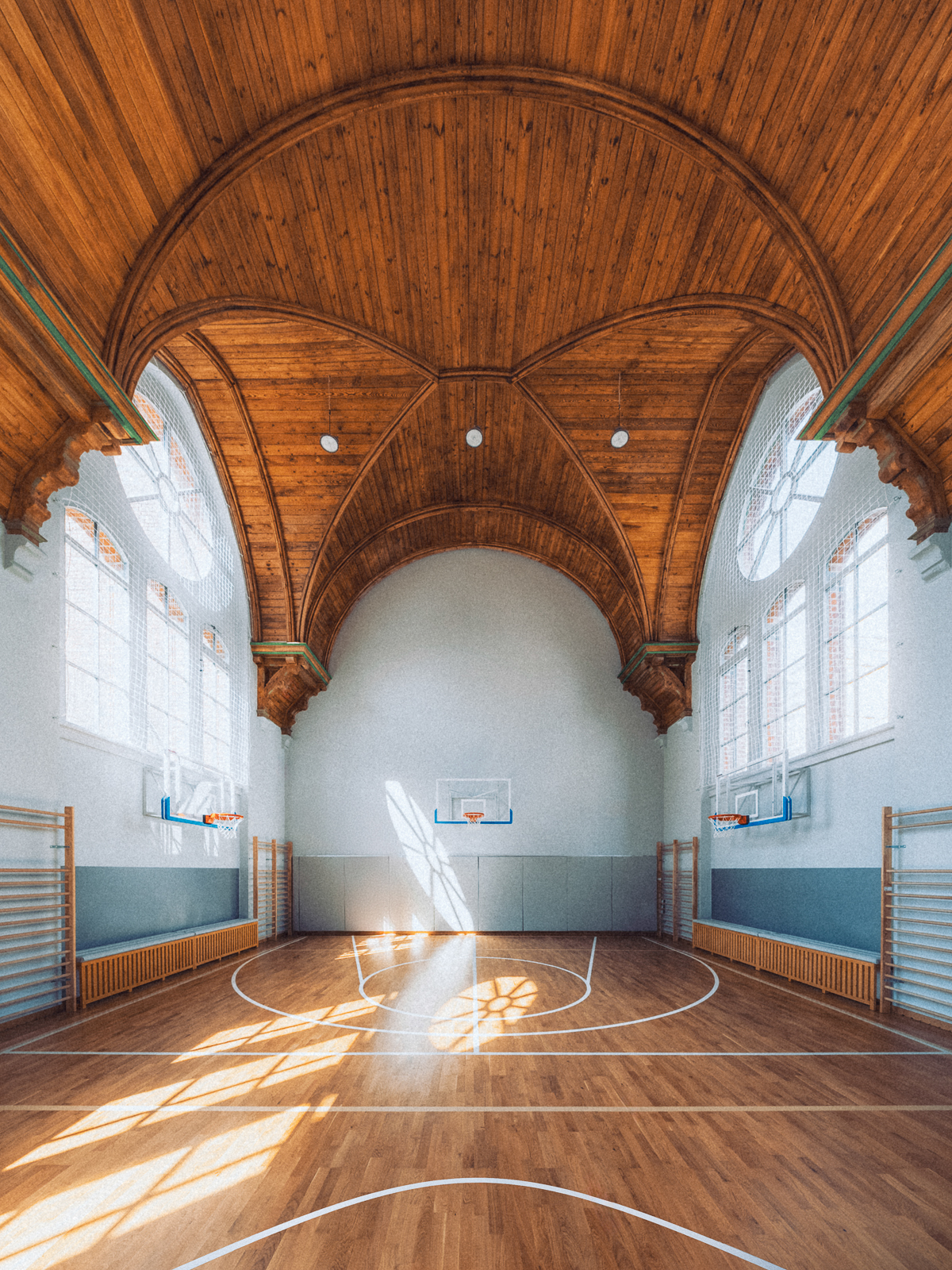
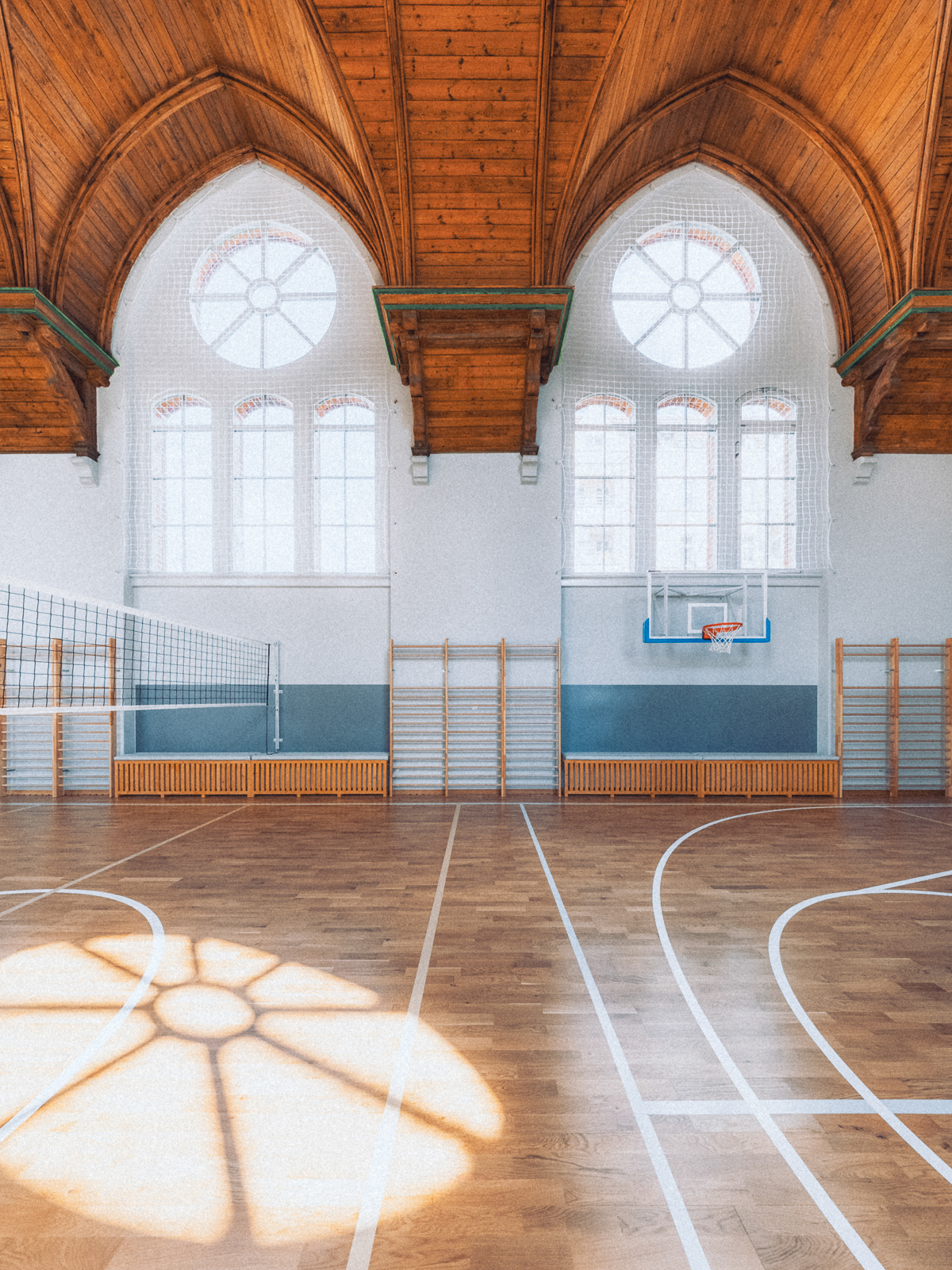
A basketball hoop makes perfect sense at a school. A handcart full of maps, globes, and stuffed birds takes a little explaining.
In the autumn of 1945, teachers at Szczecin’s first Polish primary school were rounding up anything they could use in a classroom. One teacher remembered salvaging those supplies from the rubble of former German schools and wheeling them back through streets that still bore German names. Just months earlier, the city itself had been known as Stettin. After World War II, Poland’s border shifted west, and Stettin became Szczecin.
The school opened in September with 36 pupils. By the end of the month, there were 300. Younger children shared desks with older ones. Some spoke little Polish, and some arrived hungry or barefoot. In November, the school moved a few doors down to a larger building, a former German girls’ school that had opened in 1901. By December, the canteen was preparing 1,200 lunches a day, according to the school’s own account.
The Gothic arches and heavy doors stayed put. Inside, Polish became the language of instruction, and German was taught as a foreign language. The school took the name of Bolesław Chrobry, Poland’s first king. Today, the basketball court at Aleja Piastów 6 belongs to Szczecin’s oldest primary school.
Partner

The scene of several dramatic events in Poland's history, this palace was also once a a porcelain factory.
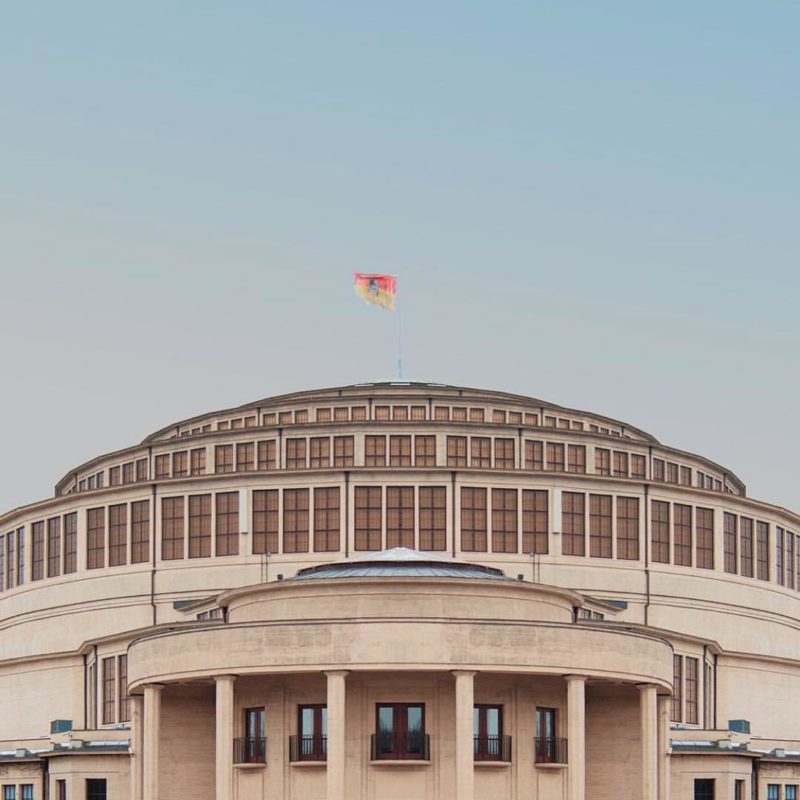
This World Heritage site in Poland once held the world's largest pipe organ.
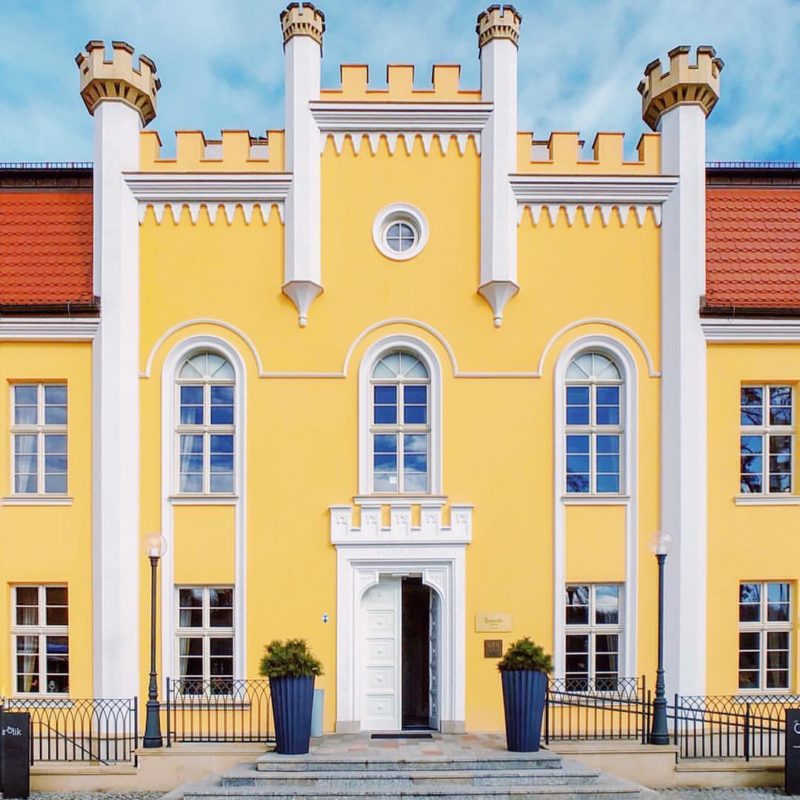
This Polish Palace with medieval roots has undergone many changes over the years.
This historic Scottish football stadium underwent major renovations following not just one, but two fatal disasters.
AWA visted here
Queenstown was Singapore’s first “satellite town,” founded during the colonial period by the British in honor of Queen Elizabeth II’s coronation.
From the CommunityThis family-owned hotel in England doubles as a museum, showcasing objects collected from visitors and owners alike throughout its century-long history.
Max file size is 40MB. JPEGs are preferred.
You do not have permission to view this form.