Login
Login
 login / signup


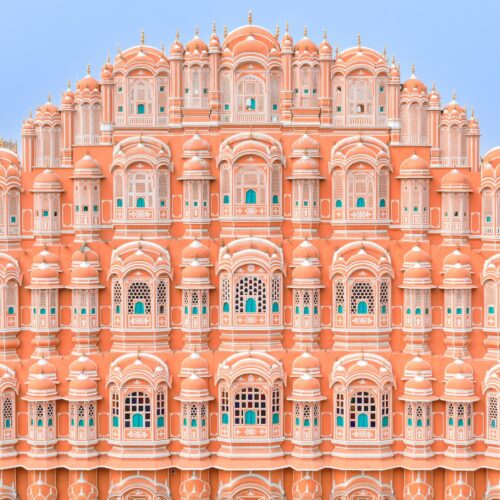
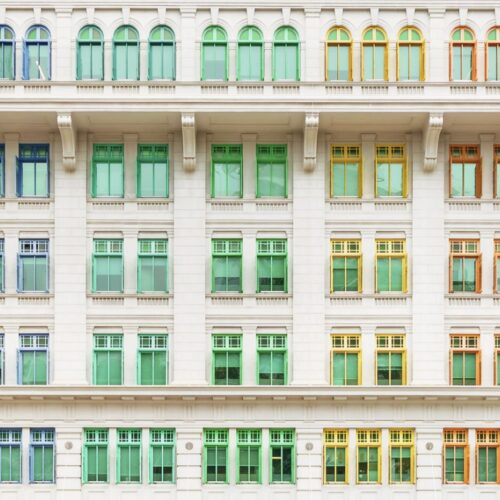
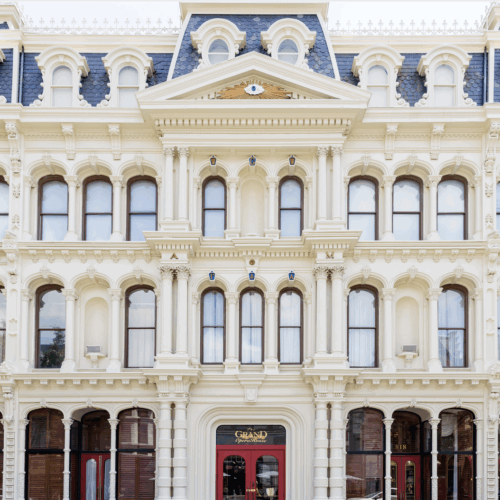
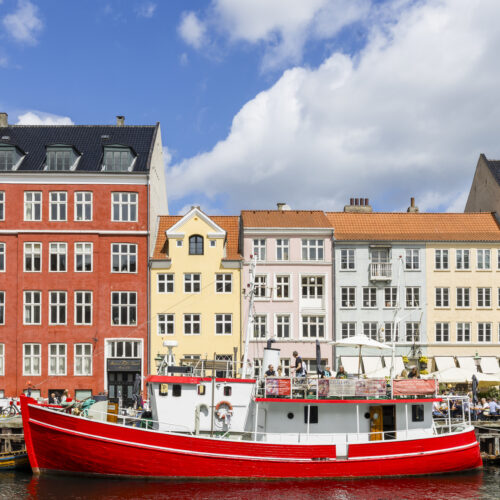








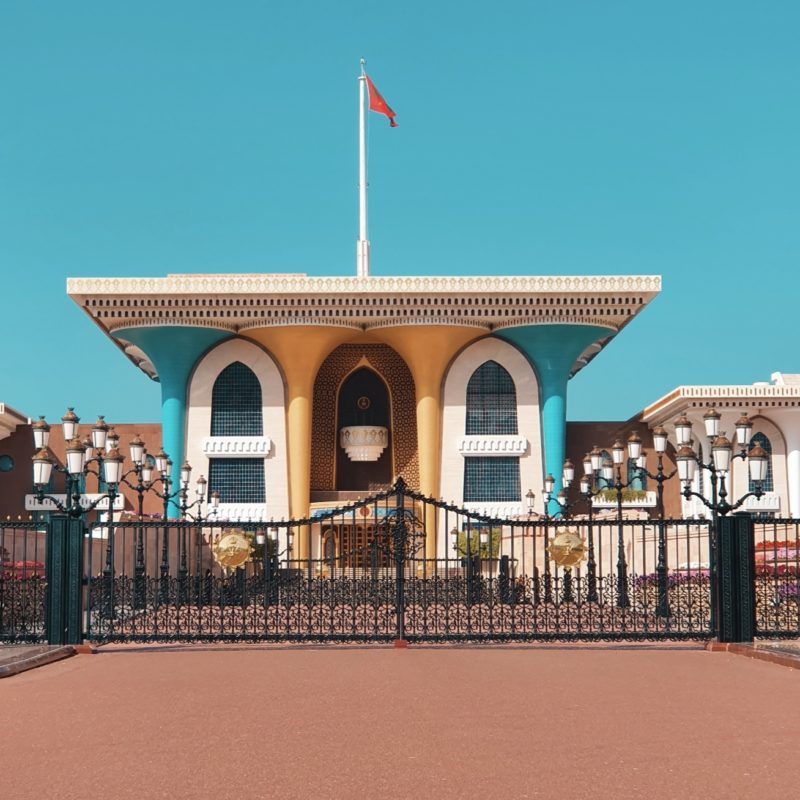
Muscat, Oman
Al Alam Palace
This royal palace in Oman is owned by the Sultan, who has retained the property through eight generations.




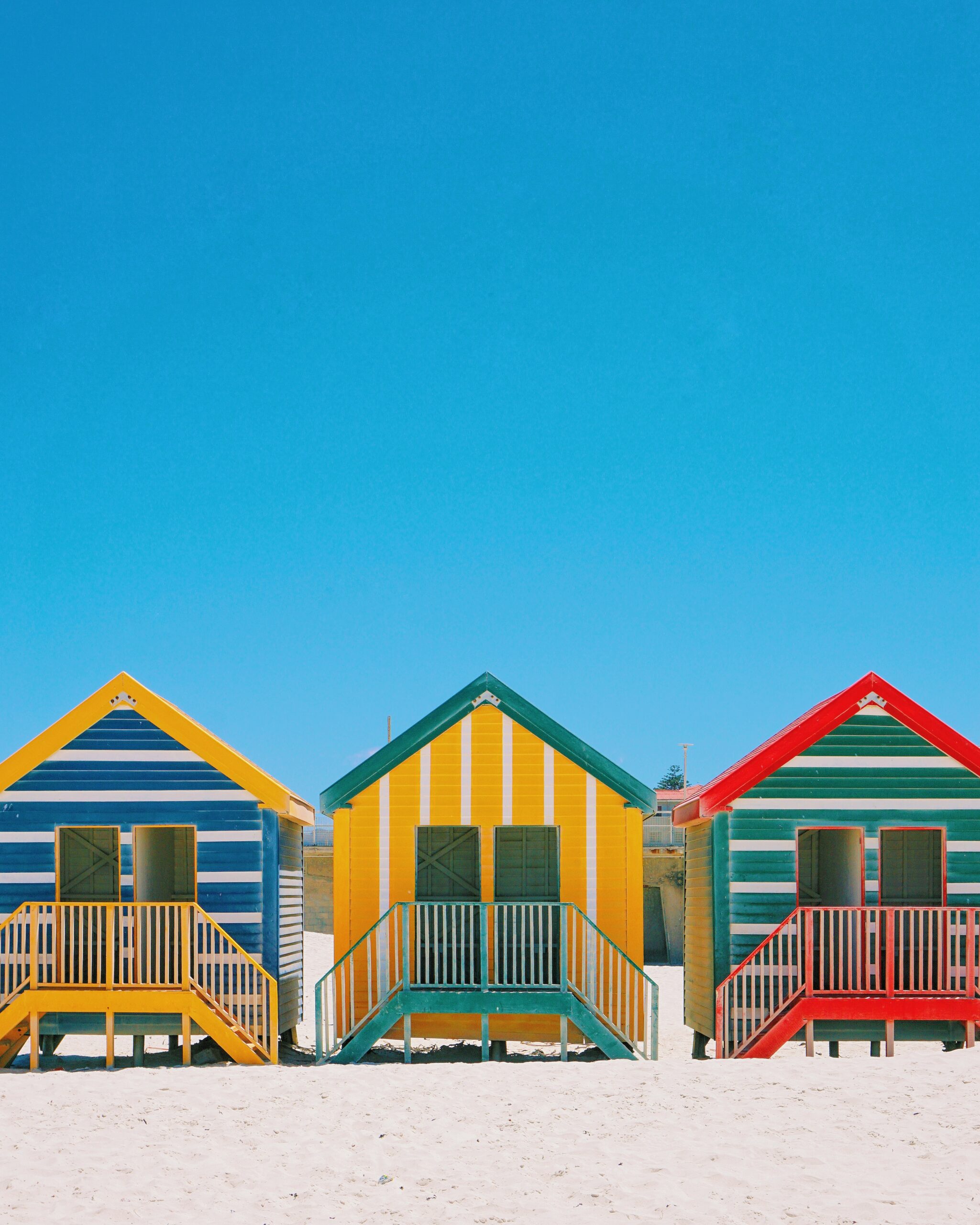
Cape Town, South Africa | C.1929

When Victorian propriety demanded that ladies change into chin-to-ankle bathing wear out of public view, wheeled bathing machines rolled into the sea at beaches worldwide. After mixed bathing became legal in 1901, many lost their wheels and settled permanently on the sand. At Muizenberg, the municipality built 174 regulated bathing boxes in 1929, painted in regulation colors and positioned along the high-water mark. Nearly a century later, these same huts faced removal over safety concerns and criminal activity, until locals rallied to save them, proving that some beach traditions are worth fighting for.
That fight isn’t quite over. In 2017, reports of prostitution and muggings inside the huts prompted talk of tearing them down, and a community petition kept them standing. As of early 2026, they’re coming down again, this time deliberately, as part of a promenade upgrade project. The city has promised to rebuild them to the original design, colors, and patterns once the work is finished, so the huts aren’t disappearing so much as taking a scheduled break from the beach they’ve occupied for nearly a hundred years.
The site has seen bigger disruptions than a construction project. In 1795, a British fleet fired roughly 800 cannonballs at Dutch defenses on this same stretch of coast in a battle that lasted about thirty minutes and ended with Britain’s first occupation of the Cape Colony. It set the terms for the next century of who ruled here, and the language most of South Africa would come to speak. The beach huts, by comparison, have had it easy: theirs is a fight against neglect and bureaucracy, not artillery, and so far it’s one they keep winning.
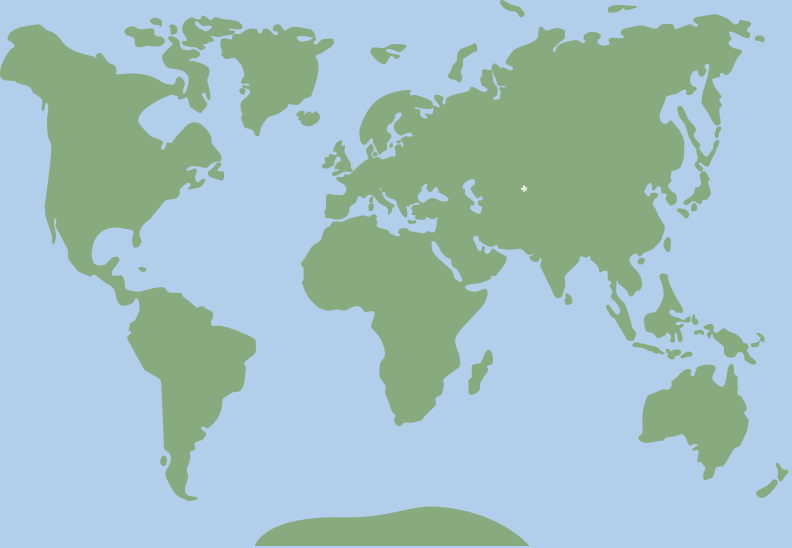 -34.1087366, 18.4701801
Partner


This royal palace in Oman is owned by the Sultan, who has retained the property through eight generations.
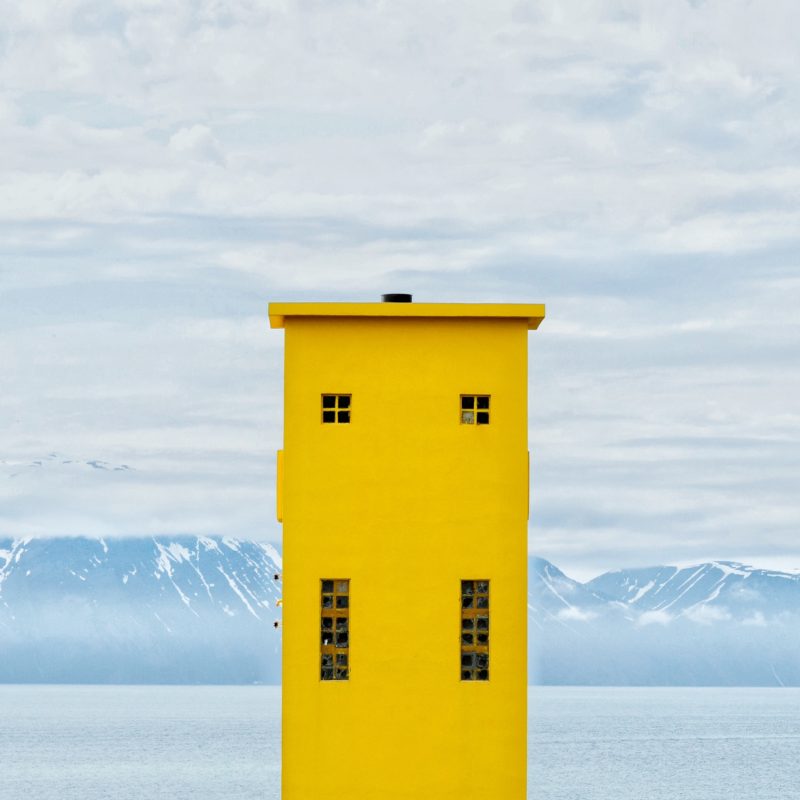
This semicircular-cylindrical light house guards a fishing village in Iceland.
Known locally as "the pregnant oyster," this center for the arts was a gift from the US to Berlin in 1957.
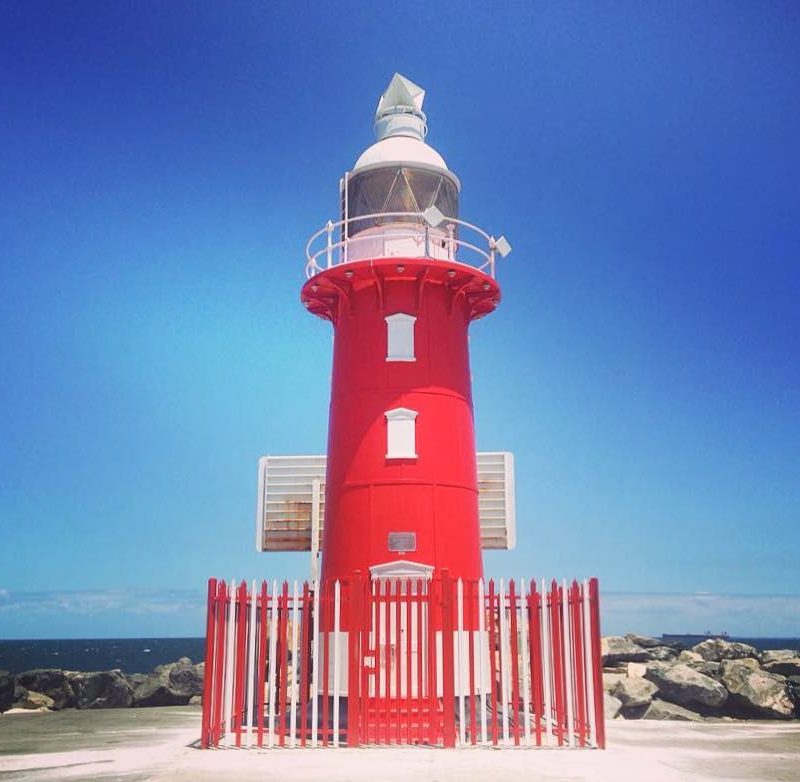
The North Mole Lighthouse is one of a pair of "twin" lighthouses found at the entrance to Fremantle Harbour in Western Australia.
This semicircular-cylindrical light house guards a fishing village in Iceland.
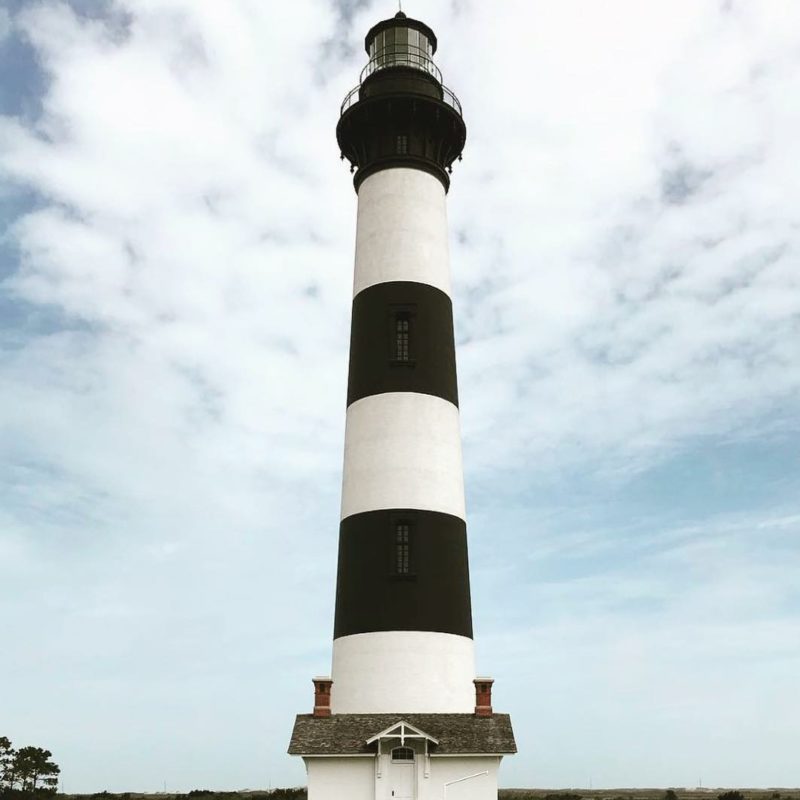
The 170-foot structure is one of only a dozen remaining tall, brick tower lighthouses in the United States.
AWA visted hereMax file size is 40MB. JPEGs are preferred.
You do not have permission to view this form.