Login
Login
 login / signup









Berlin, Germany
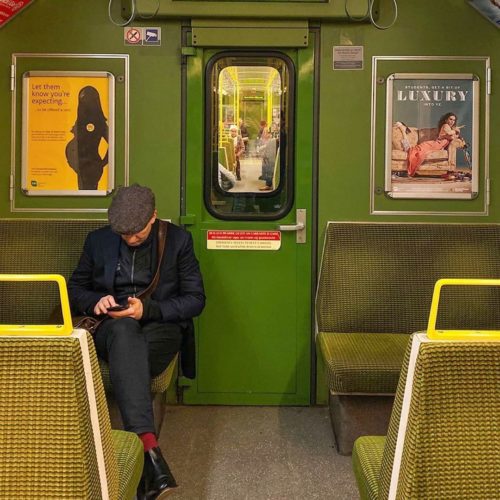
Haus der Kulturen der Welt
Known locally as "the pregnant oyster," this center for the arts was a gift from the US to Berlin in 1957.





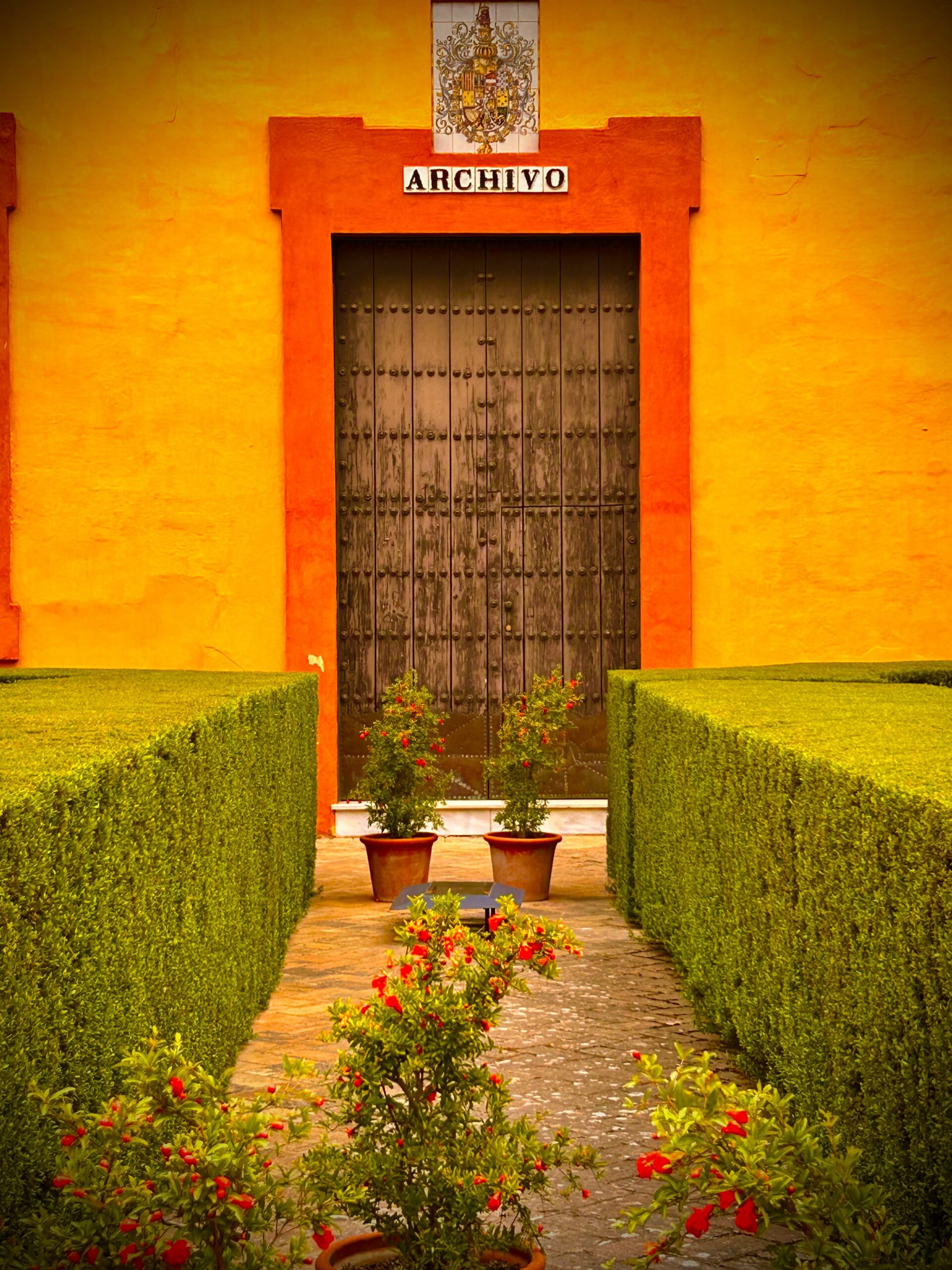
Seville, Spain | C.1526

When Emperor Charles V married Isabella of Portugal in 1526, the gardens of Seville’s royal palace were still orchards, kitchen gardens and farmyards for feeding the court. What started as a practical Islamic paradise garden, where aromatic herbs mingled with fruit trees in geometric plots, has been rewritten by every ruler since. Italian designer Vermondo Resta transformed a 12th century Almohad defensive wall into the Galeria de Grutesco, a Renaissance loggia for admiring views. The result: seven hectares blending Moorish water channels with Baroque statuary, Mannerist grottoes with English landscaping, absolutely unique in Europe.
Resta did his work nearly a century after the royal wedding, arriving in the early 1600s to turn a stretch of defensive stonework into something built purely for looking rather than keeping anyone out. The wall had originally kept the Tagarete River’s floods at bay, which makes its second career as a scenic overlook a fairly significant demotion in seriousness. The gallery’s Fountain of Fame once ran on a hydraulic organ triggered by the flowing water, one of only a handful ever built in Europe, though only six of its original fifteen mythological statues have survived to the present. Somewhere beneath all of this, the orchards that once fed the court are still represented by orange and lemon trees scattered through the grounds, the last surviving trace of a garden that used to have actual work to do.
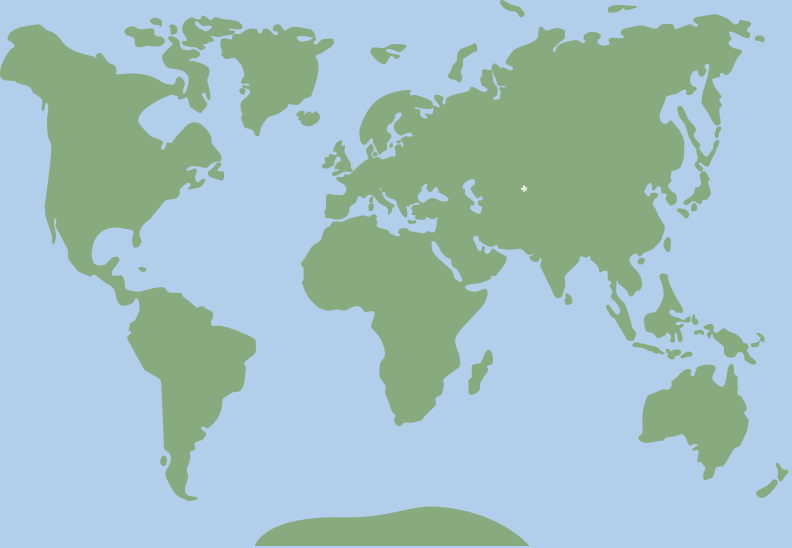 37.3830519, -5.9902257
Partner


Known locally as "the pregnant oyster," this center for the arts was a gift from the US to Berlin in 1957.
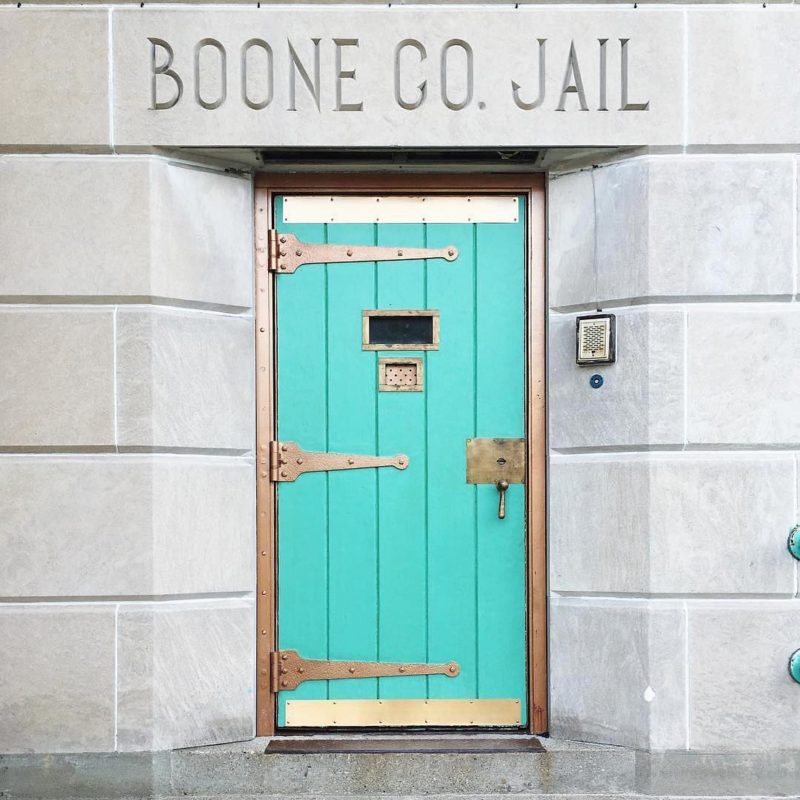
Built in 1832 during the establishment of the county seat, this historic jail recently spent a little time as a restaurant.
The Luvaria Ulisses glove shop has been creating custom gloves within its 4-square-meter store for more than a century.
From the CommunityMax file size is 40MB. JPEGs are preferred.
You do not have permission to view this form.