Login
Login
 login / signup












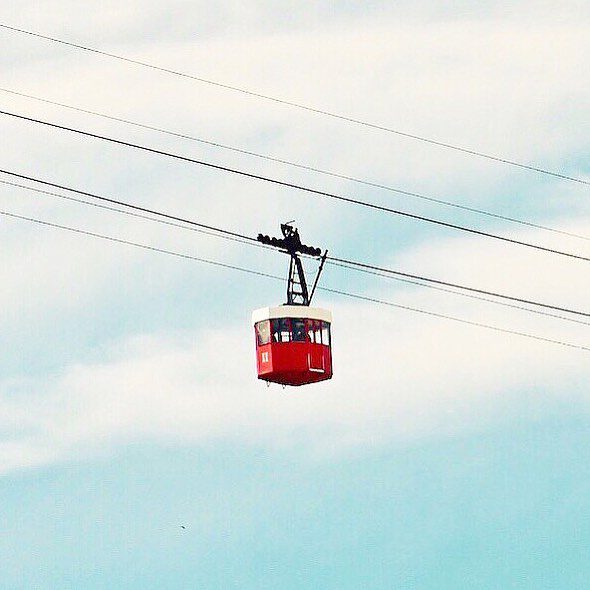

Barcelona, Spain
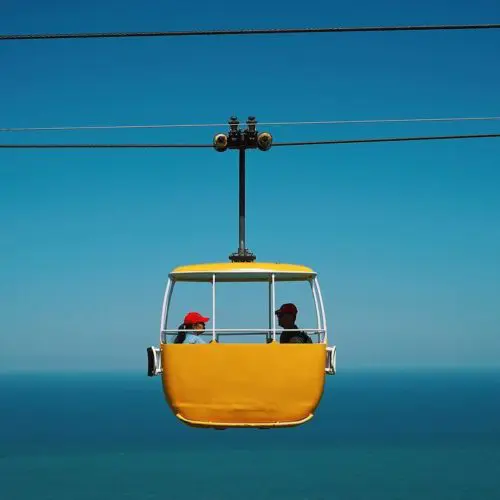
Montjuïc Cable Car
This cable car in Barcelona celebrates its 50th anniversary in 2020.




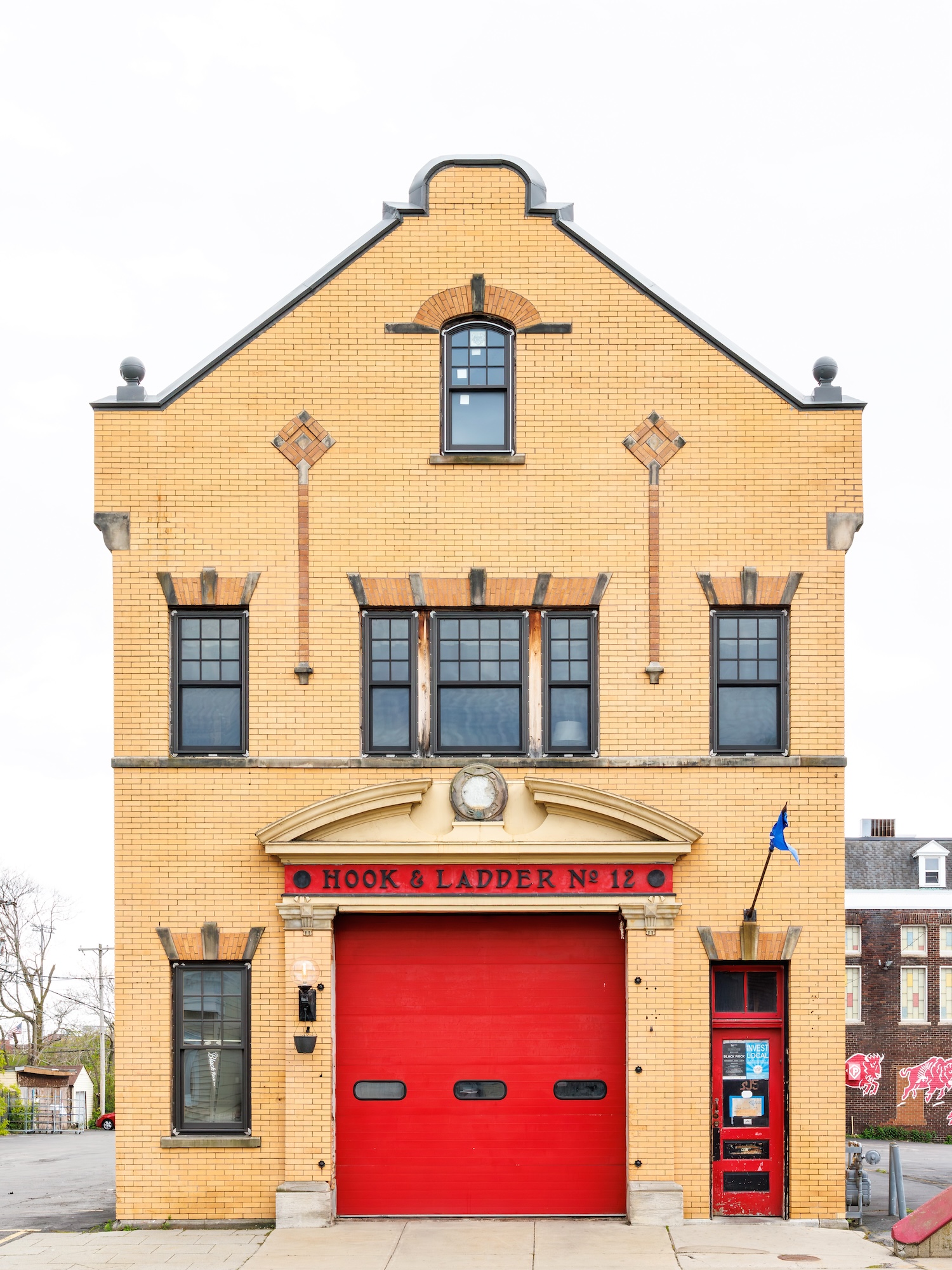
Buffalo, New York | C.1913

Partner

In 1813, British troops torched the Village of Buffalo during the War of 1812, leaving precisely one house standing. When residents rebuilt, the new municipal code had a novel requirement: every homeowner must keep leather buckets on hand. Fires were considered communal disasters, and every able-bodied man was expected to join the bucket brigade, a human chain passing water hand-to-hand until the flames surrendered or the building didn’t.
The city’s first formal fire apparatus arrived in 1831: two hand pumpers and 200 feet of leather hose. Later that year came a hand-drawn truck carrying ladders, ropes, axes, and hooks, equipment that gave the Hook & Ladder companies their name. By 1900, the department had ballooned to 26 engines, nine Hook & Ladders, six Battalion Chiefs, five chemical companies, and two fireboats. During the horse-drawn era, firefighters worked 21-hour shifts with three hours off for meals and two days off per month. The horses, presumably, had better unions.
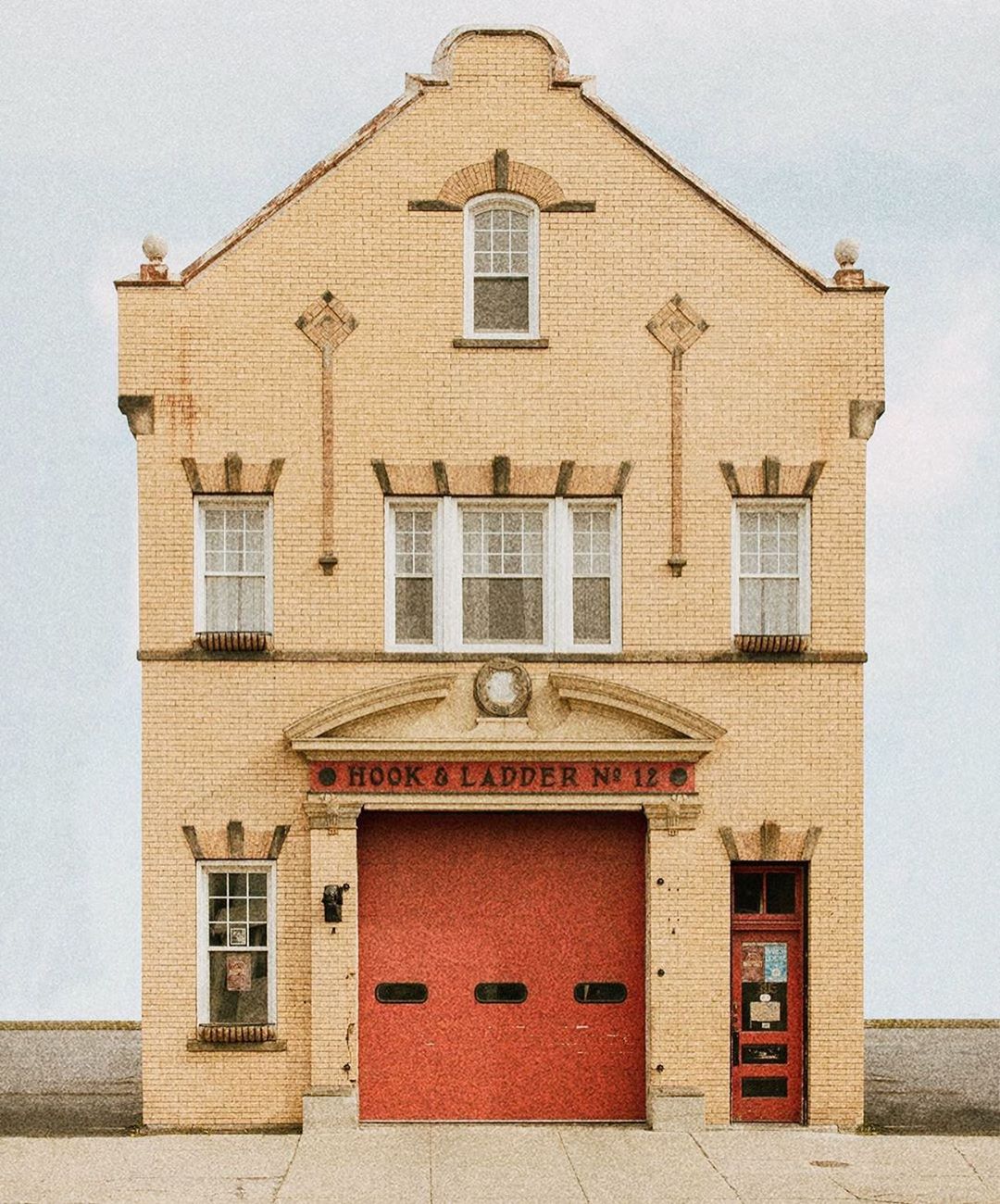
Hook & Ladder #12 rose in Buffalo’s Black Rock neighborhood in 1913, designed by architect Howard L. Beck in the Flemish Renaissance style. All red brick, stepped gables, and the kind of ornamental flourishes that suggested civic pride and municipal budgets hadn’t yet discovered austerity. It was one of the last Ladder Companies to maintain its own standalone quarters, operating for 92 years until the company was disbanded in 2005.
The building is now privately owned. In 2018, it marked its 105th anniversary, no longer housing firefighters, but still standing in a city that learned early how easily everything can burn.
 42.938358, -78.889299
This cable car in Barcelona celebrates its 50th anniversary in 2020.
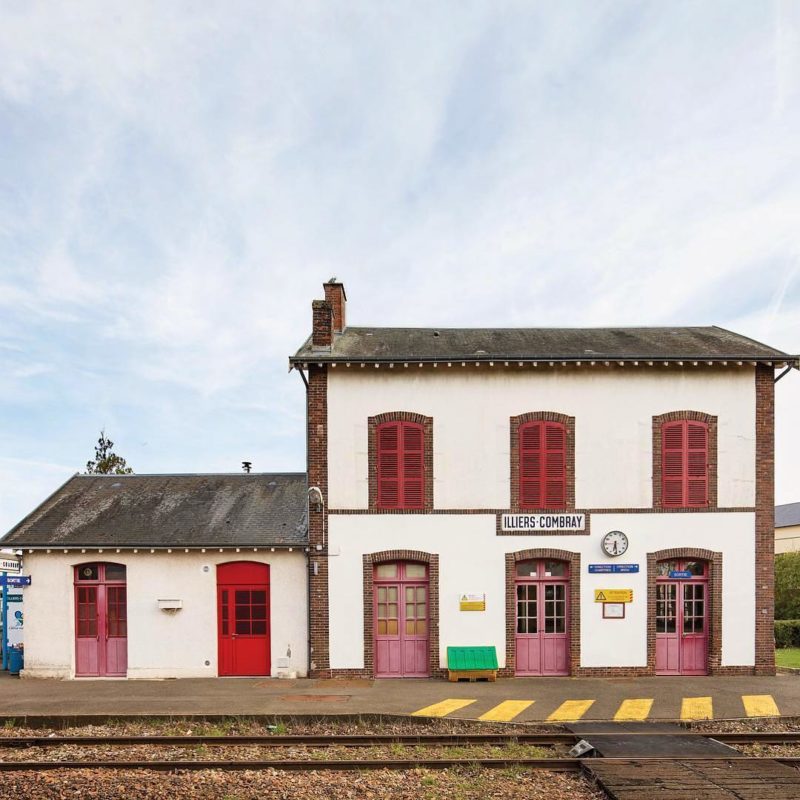
This French train station is located in a town renamed after the famed writer Marcel Proust's fictional name for the village.
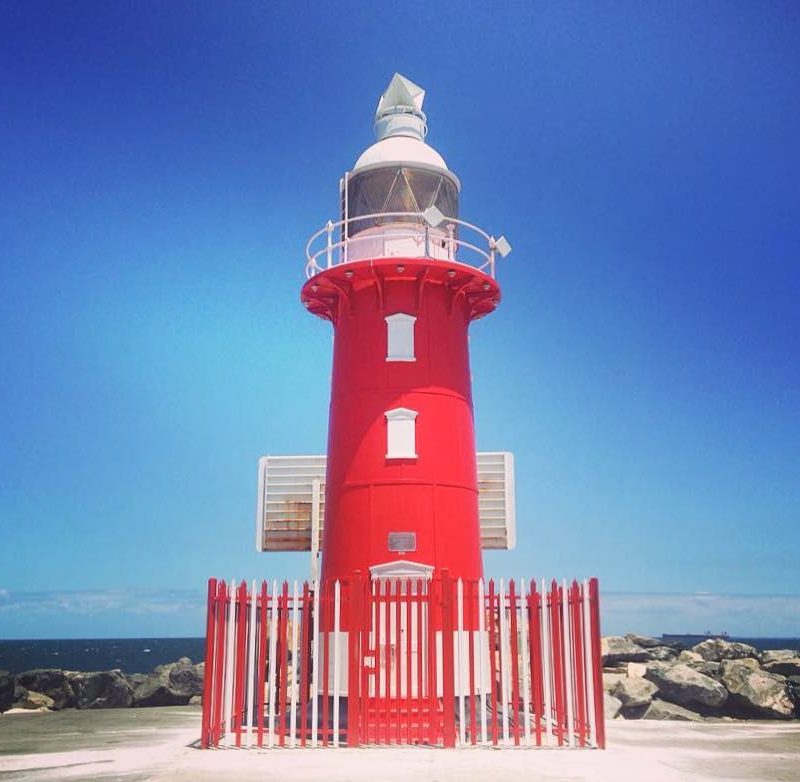
The North Mole Lighthouse is one of a pair of "twin" lighthouses found at the entrance to Fremantle Harbour in Western Australia.
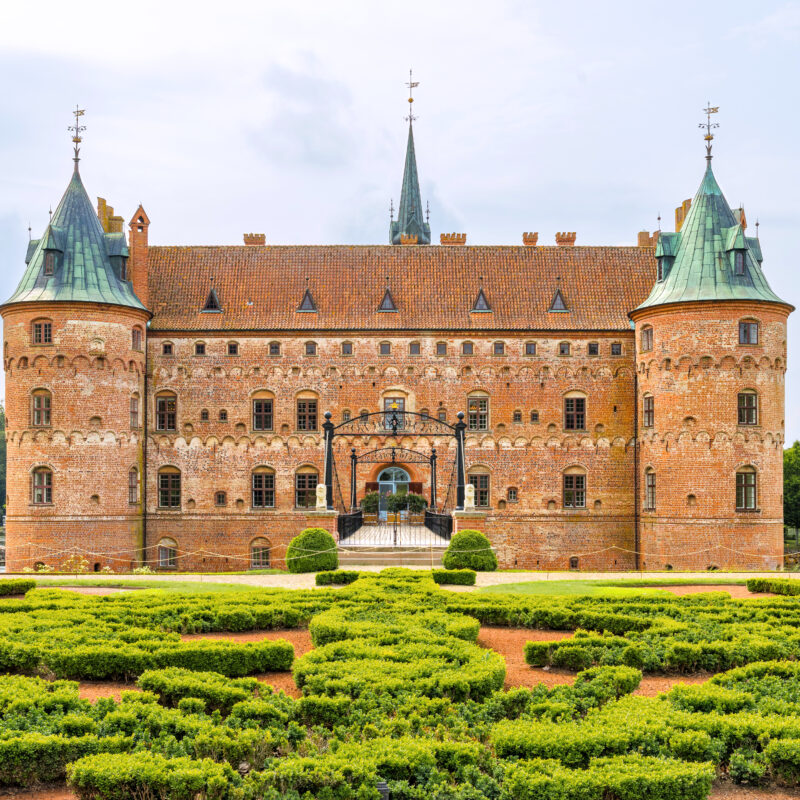
This floating castle appears to be from an enchanted fable, but in actuality it is Europe's best preserved Renaissance water castle.
AWA visted here
This resilient theater has weathered two destructive fires, and continues to be one of the most important cultural centers throughout Spain.
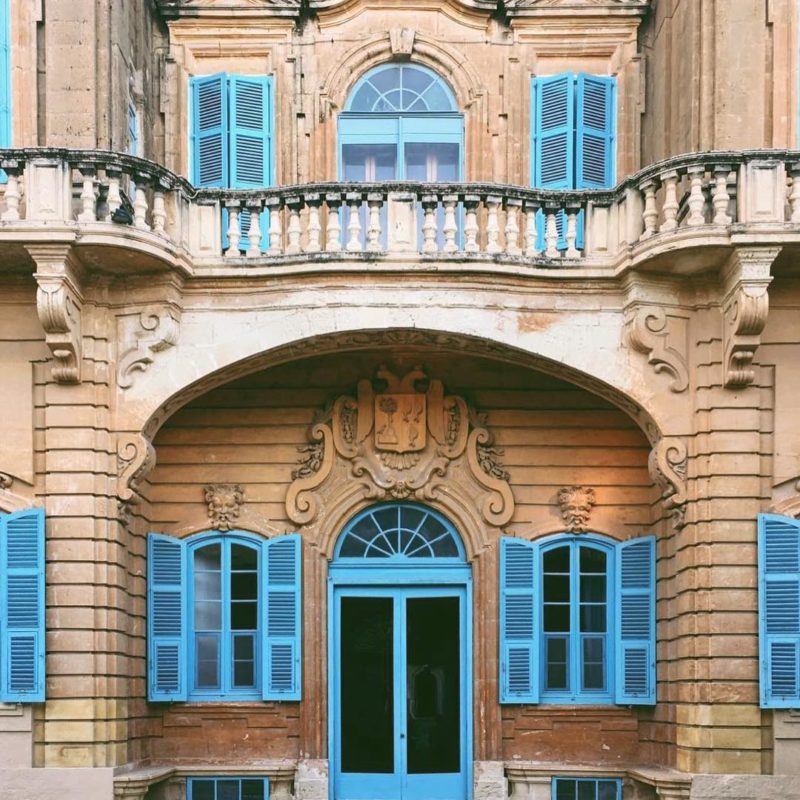
Uditore Fabrizio Grech would say this 1745 country house was built for his daughter, but it was in fact constructed to silence critics of his wealth.
Max file size is 40MB. JPEGs are preferred.
You do not have permission to view this form.