Login
Login
 login / signup










Chartres, France
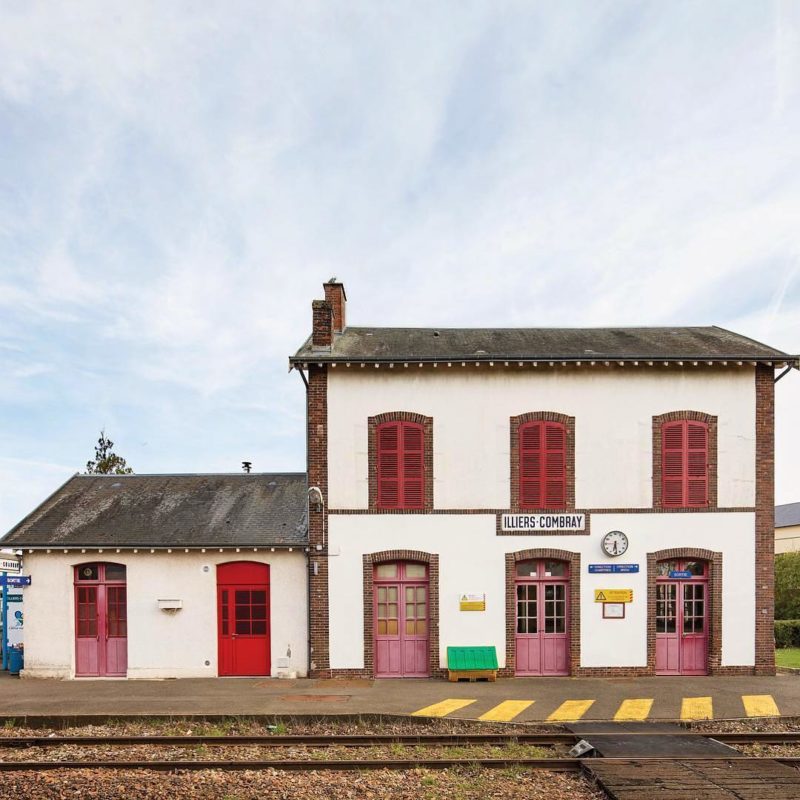
Illiers-Combray Station
This French train station is located in a town renamed after the famed writer Marcel Proust's fictional name for the village.





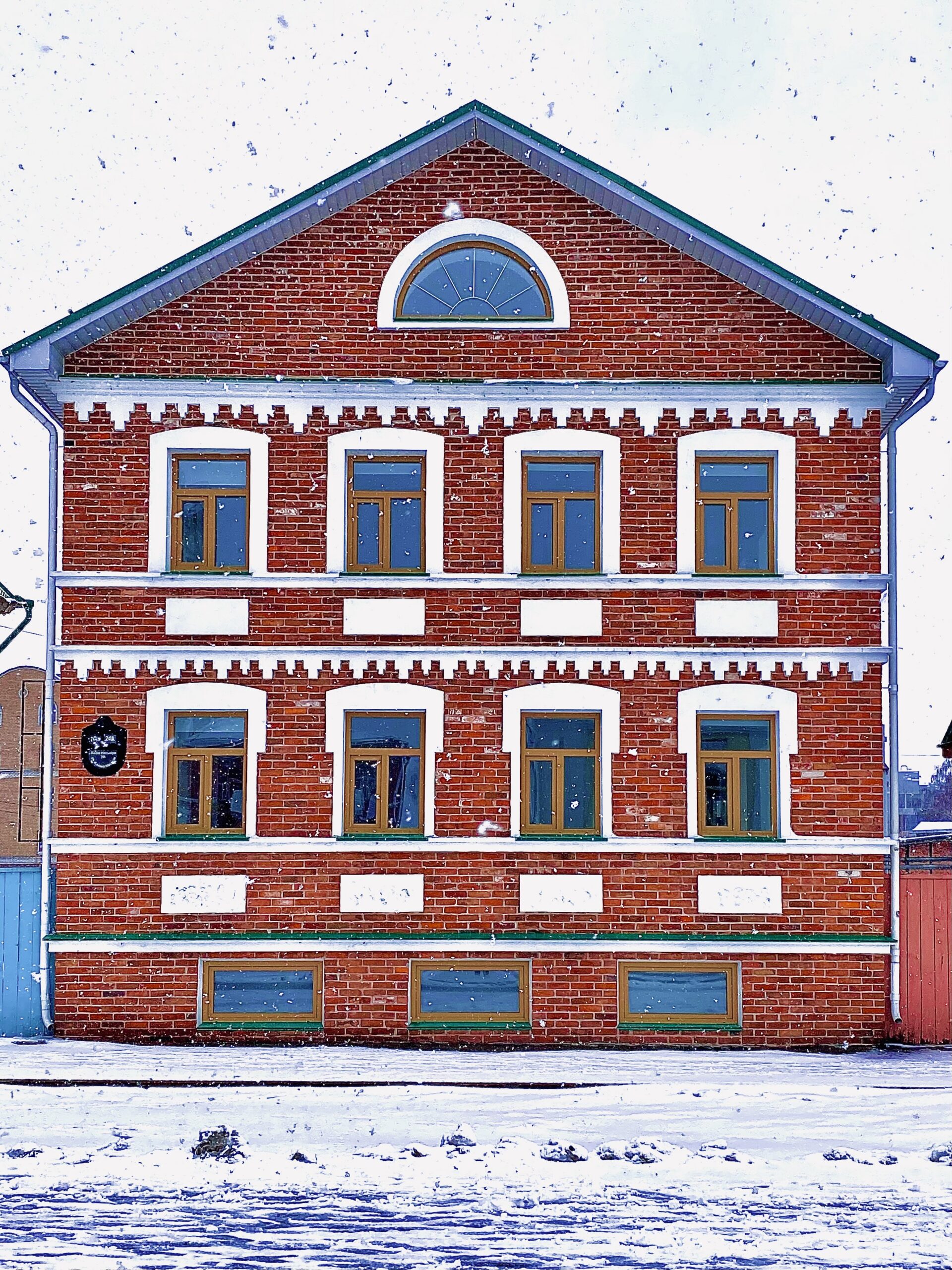
Kazan, Russia | C.1552

After Ivan the Terrible conquered Kazan in 1552, Tatars were forbidden from building stone mosques for over two centuries. That changed in 1767 when Catherine the Great visited and lifted the ban, allowing the settlement’s first stone mosque to be built. When nervous city officials wrote to complain that the minaret was too tall, Catherine reportedly replied: “I determined their place on earth, but they are free to rise to the sky at their discretion, because the sky is not a part of my possessions.”
The mosque didn’t rise in isolation. It anchored what became the Old Tatar Settlement, a quarter pushed beyond the original city walls after the conquest, where Tatar language, religion, and culture kept developing on their own terms for centuries rather than being absorbed into the Kremlin side of the city. By the 19th century, the same quarter had quietly become an intellectual center too, its wooden houses doubling as madrasas and schools that helped shape a broader sense of Tatar identity well beyond Kazan itself. Much of that wooden architecture survived less by deliberate preservation than by simple poverty, the neighborhood too poor for centuries to knock down and rebuild, which left it, almost by accident, as one of the more intact records of what Imperial Russia’s Muslim community actually looked like before anyone thought to protect it on purpose.
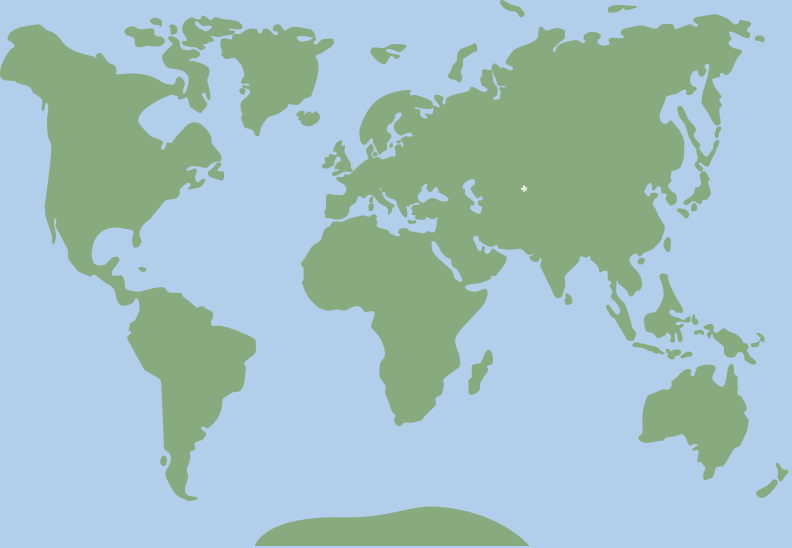 55.7878944, 49.1233293
Partner


This French train station is located in a town renamed after the famed writer Marcel Proust's fictional name for the village.
Bubbling deep beneath the heart of Budapest—also known as “the city of baths”—is nature’s hot tub: geothermal springs enriched with healing minerals.
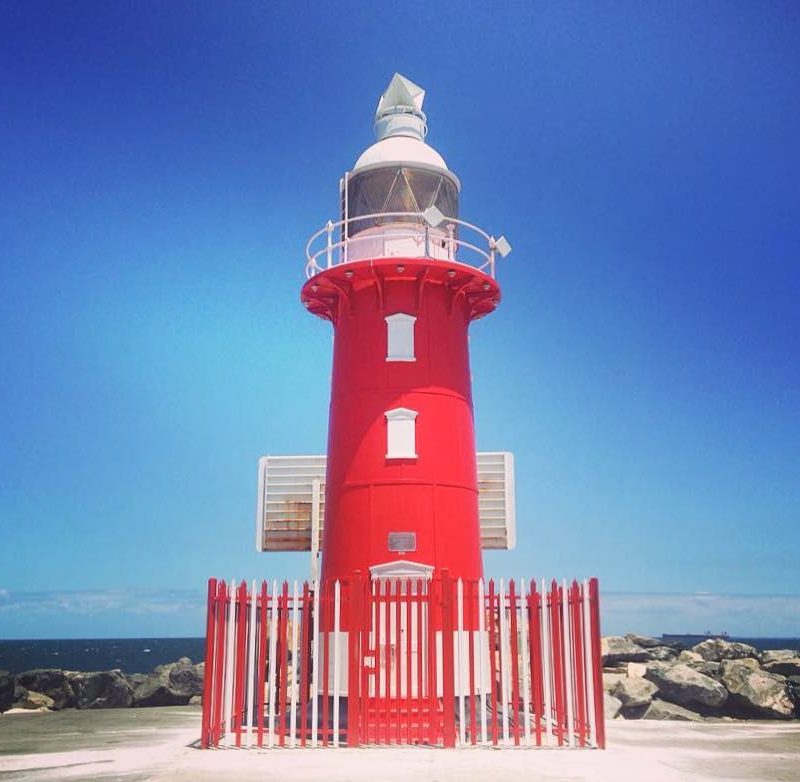
From the CommunityThe North Mole Lighthouse is one of a pair of "twin" lighthouses found at the entrance to Fremantle Harbour in Western Australia.
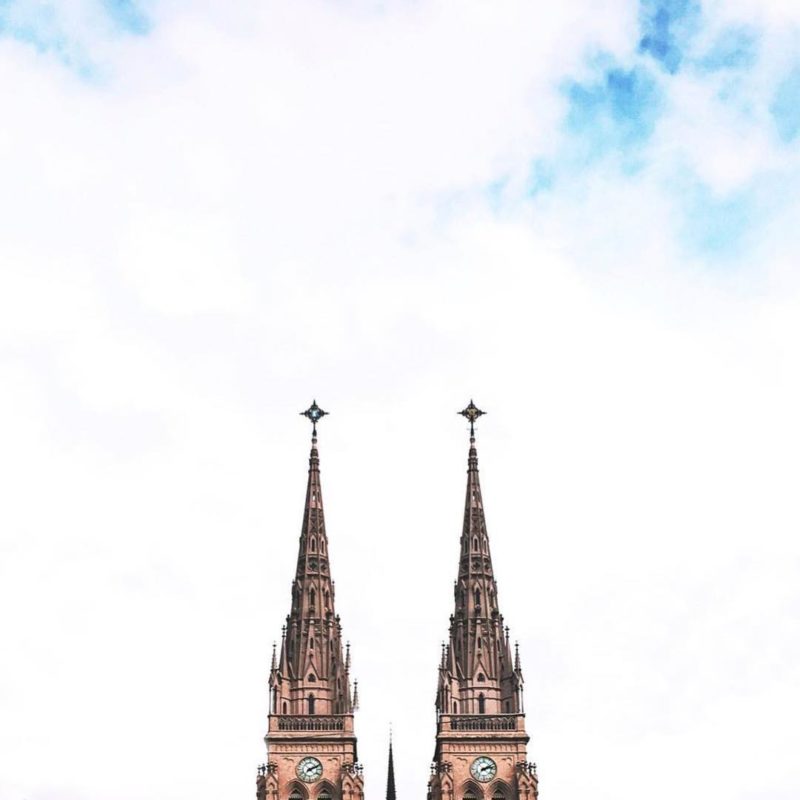
This Argentinian basilica is home to a famous icon and 15 bells, each with a different name and motto.
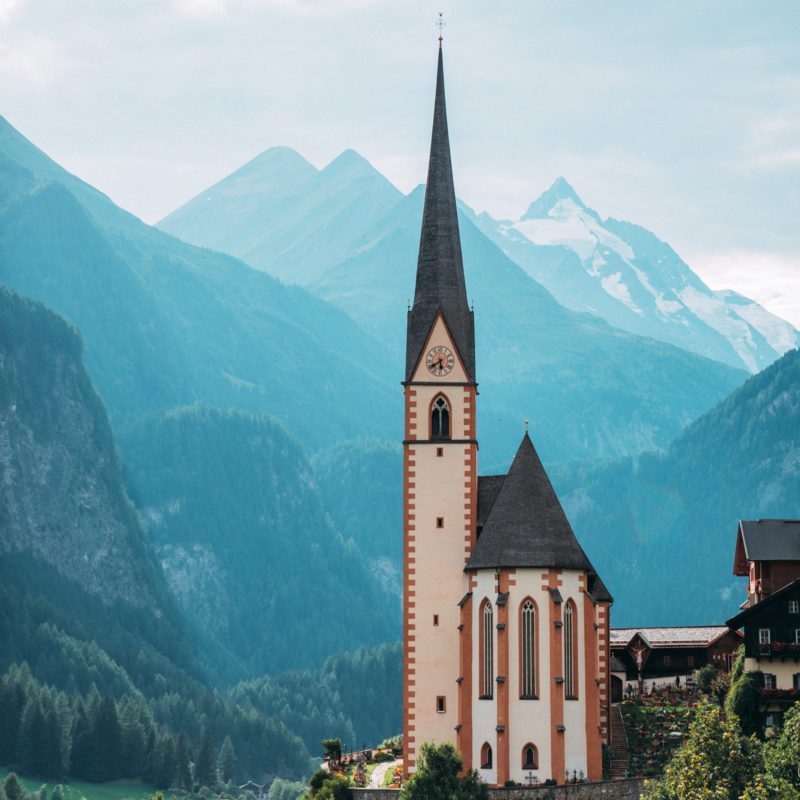
It started with an avalanche and a flask of Holy Blood.
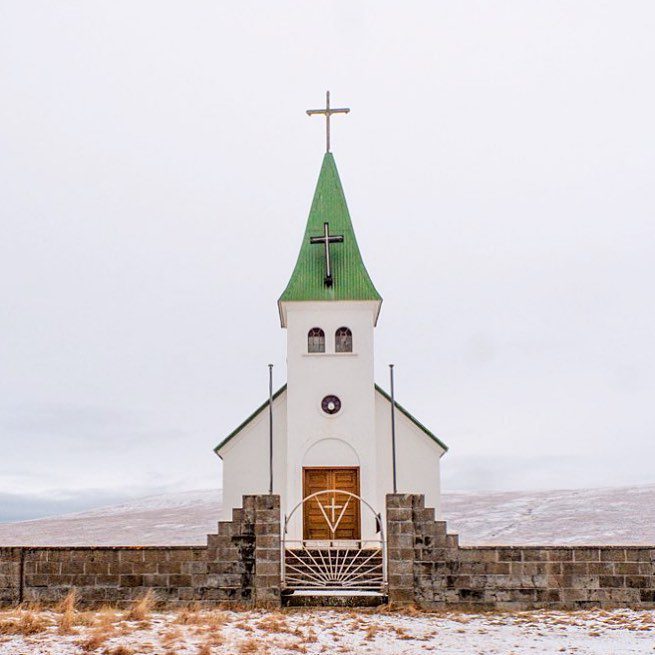
This Icelandic church's cemetery plays a major role in a popular Icelandic ghost story.
Max file size is 40MB. JPEGs are preferred.
You do not have permission to view this form.