Login
Login
 login / signup
















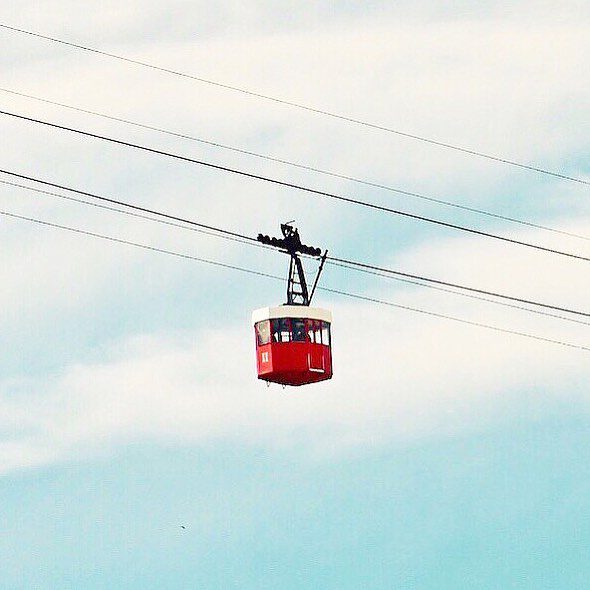

Barcelona, Spain
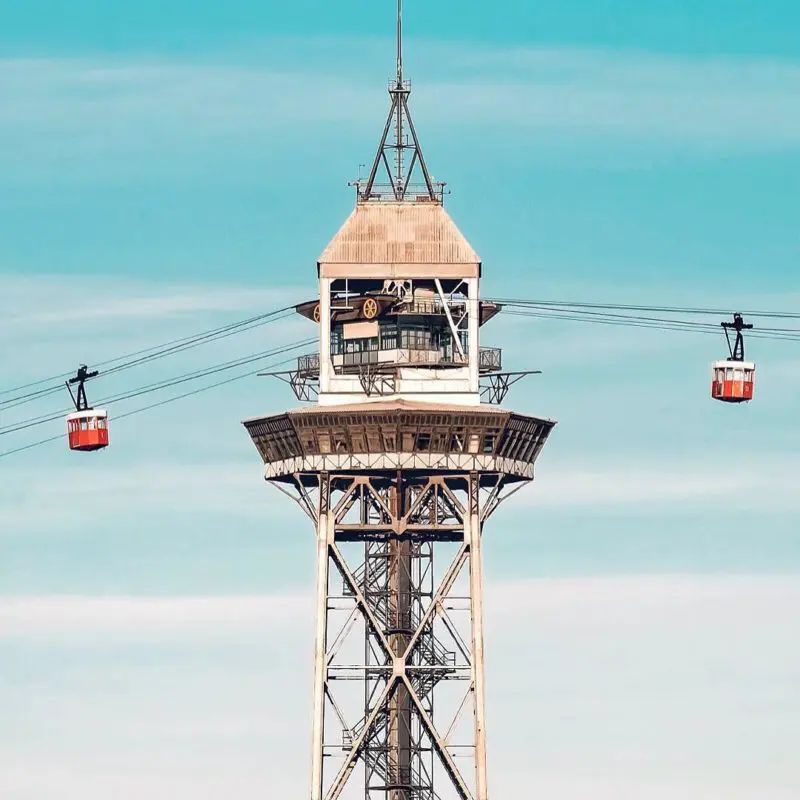
Montjuïc Cable Car
This cable car in Barcelona celebrates its 50th anniversary in 2020.






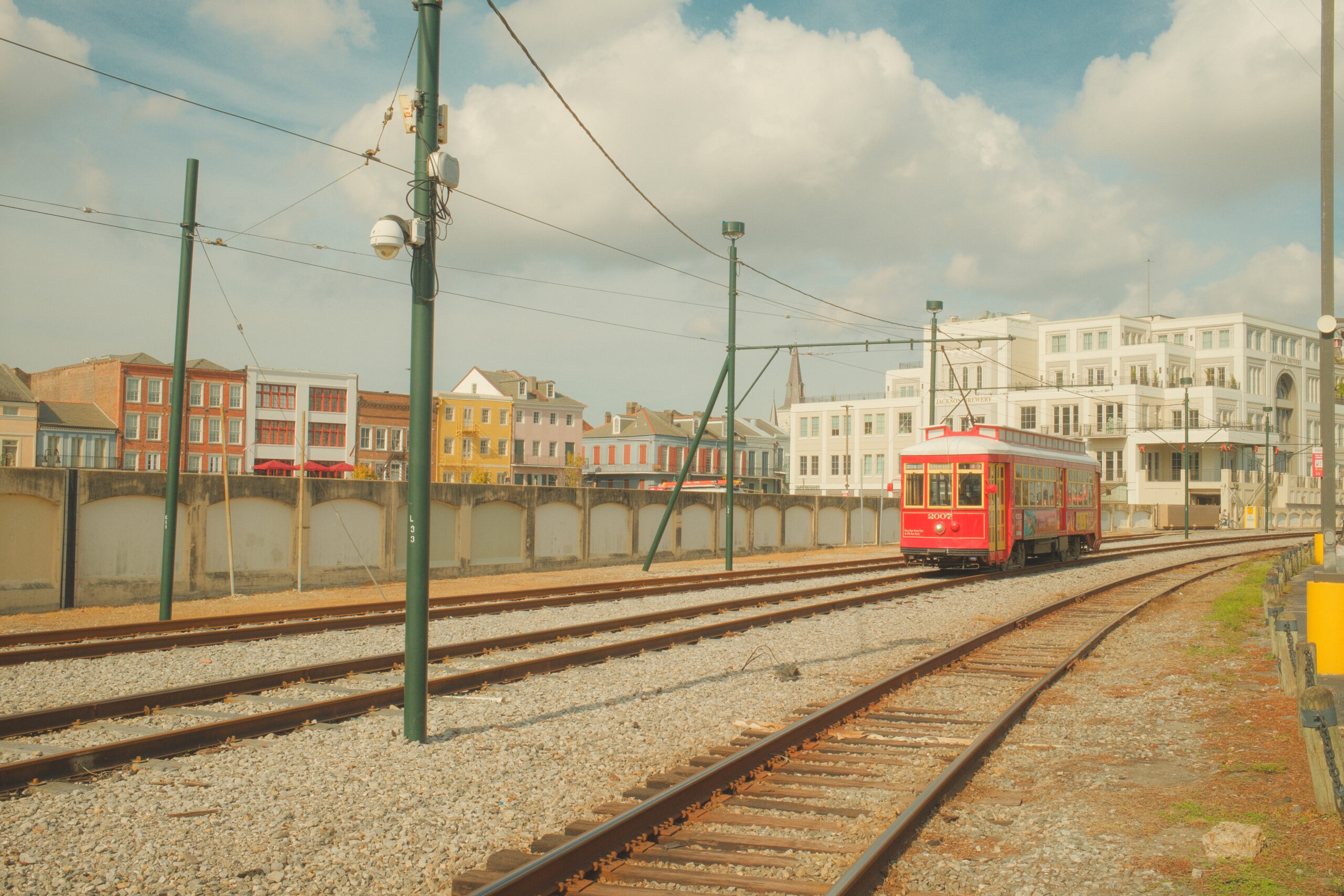
New Orleans, Louisiana | C.1835

On April 28, 1867, William Nichols, a painter, forced his way onto a whites-only New Orleans streetcar and was physically dragged off by the driver. The charges against him were dropped within two days, which did nothing to settle the matter. Within a week, streetcar companies had adopted a new tactic: instead of removing Black riders by force, drivers were ordered to simply stop the car and wait them out. On May 4, a cigar maker named Joseph Guillaume tested that policy by boarding a car on Love Street. When the driver tried to remove him, Guillaume took the reins himself, drove off, and led police on a chase through the city before his arrest.
By May 8, the city had seen enough. Facing crowds at streetcar terminals and the threat of wider unrest, officials ordered the transit companies to accept any passenger, full stop. New Orleans, two years removed from the Civil War, had desegregated its entire streetcar system. The victory held for thirty five years, until Louisiana’s Jim Crow laws quietly rolled it back in 1902.
The tracks under all of this trouble were already old news by 1867. They had been laid in 1835, and they are still there, carrying more than three million riders a year on what is now recognized as the oldest continuously operating streetcar line in the world.
 29.9335594, -90.0700051
Partner


This cable car in Barcelona celebrates its 50th anniversary in 2020.
She won Parliament by a world-record landslide, founded schools, and turned a garden palace into a political headquarters- beauty be damned.
AWA visted here
Decimated by the Spanish War, this tramway was restored in 2000 to serve its intended purpose: a tourist attraction offering exceptional views of Barcelona.
Max file size is 40MB. JPEGs are preferred.
You do not have permission to view this form.