 Login
Login
 login / signup










Muscat, Oman
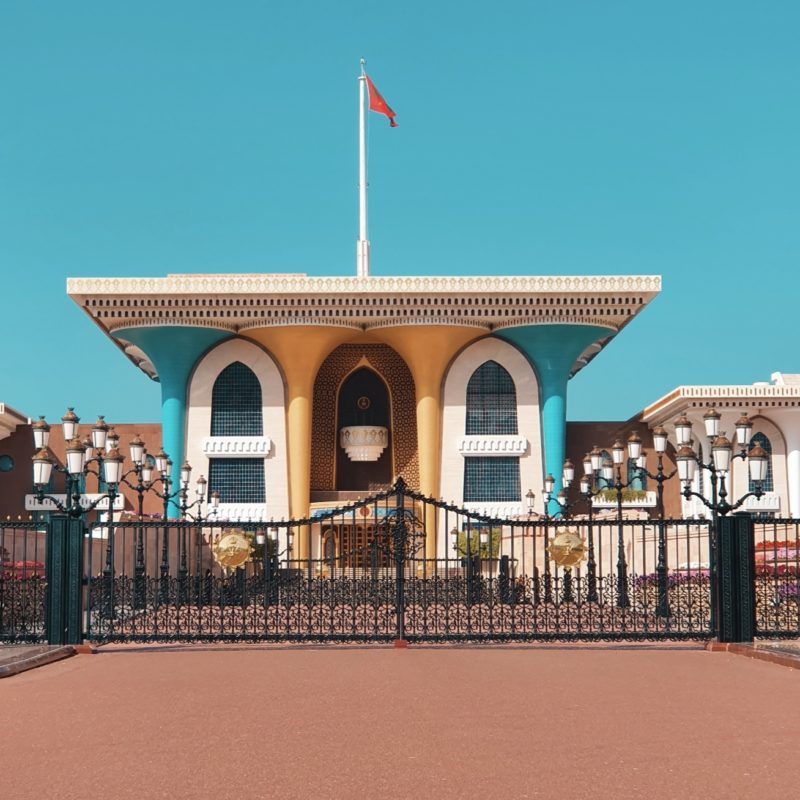
Al Alam Palace
This royal palace in Oman is owned by the Sultan, who has retained the property through eight generations.






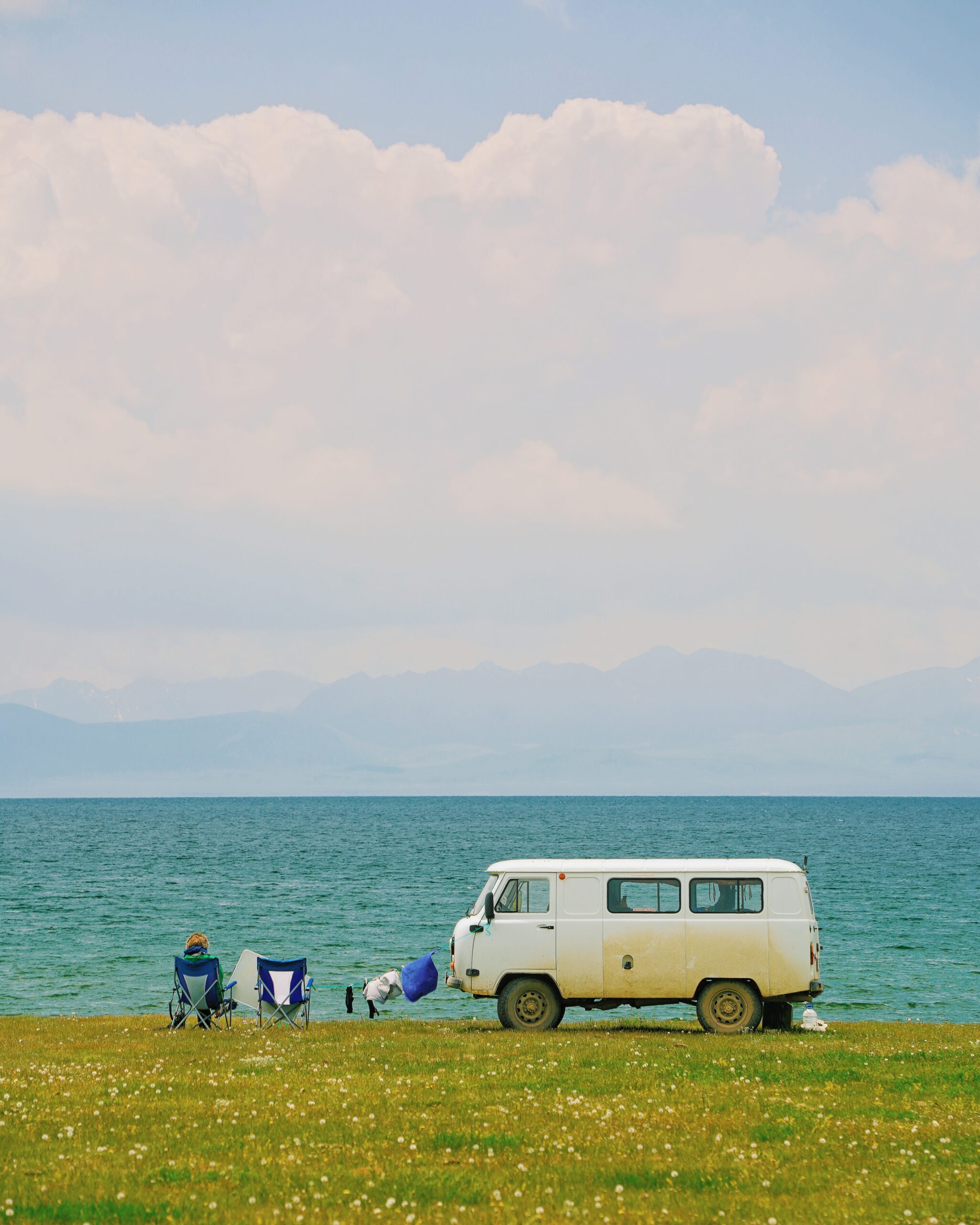
Naryn, Kyrgyzstan

Song Kol sits under snow for 180 to 200 days each year, the lake freezing with ice up to 1.2 meters thick—and when winter comes, every human disappears.
The lake sits at 3,016 meters in the Naryn Province of Kyrgyzstan, surrounded by mountains rising to 3,700 meters on all sides. It is the second-largest lake in the country after Issyk-Kul, spanning roughly 29 kilometers in length and 18 kilometers at its widest point. The mean temperature in the lake basin is −3.5 °C. In January it drops to −20 °C. In July it reaches 11 °C. There are no permanent settlements here.
What exists instead is a rhythm of occupation and erasure that has persisted for thousands of years. In late spring, after the ice thaws by late May, semi-nomadic Kyrgyz families make the trek up to the jailoo—traditional summer pastures where herds are brought to graze at high altitude. They arrive with horses, cows, and sheep, set up yurts, and live on the plains surrounding the lake for roughly four months. The practice is ancient. Nomads have been making this seasonal migration since long before borders existed, leaving behind mysterious arrangements of standing stones as evidence of their presence.
By late September, the families pack up and descend. Snow begins to fall. The lake freezes solid, ice creeping outward until it reaches over a meter thick. Roads become impassable. The basin empties completely, then in June people return.
The Soviet-era van parked lakeside with laundry hanging from its frame is part of that return—a relic of practical infrastructure repurposed for the season. Some families now run seasonal yurt camps alongside traditional herding, hosting trekkers and tourists who arrive during the narrow window when Song Kol is accessible. The camps appear in summer, then vanish. The yurts go down. The vans drive away. The laundry comes off the line.
In 2011, Song-Köl—which translates roughly to “Last Lake”—was designated by Kyrgyzstan as its third Wetland of International Importance under the Ramsar Convention, recognized for supporting large numbers of migratory waterfowl, including breeding colonies of demoiselle cranes, bar-headed geese, and black-headed gulls. The birds leave too. By October the lake is silent again, freezing over for another six months, erasing all evidence that anyone was ever here—except for the standing stones, which remain half-buried in snow, waiting for summer to remind them they mark something temporary.
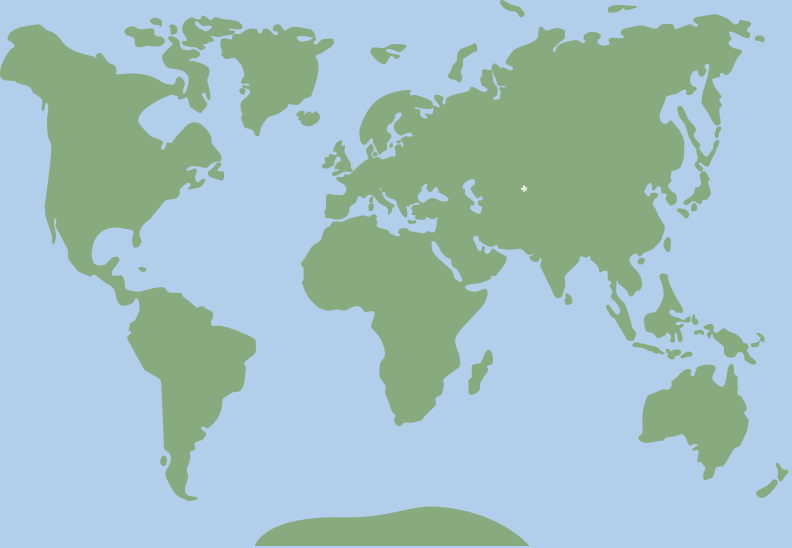 41.8339152, 75.1311874
Partner


This royal palace in Oman is owned by the Sultan, who has retained the property through eight generations.
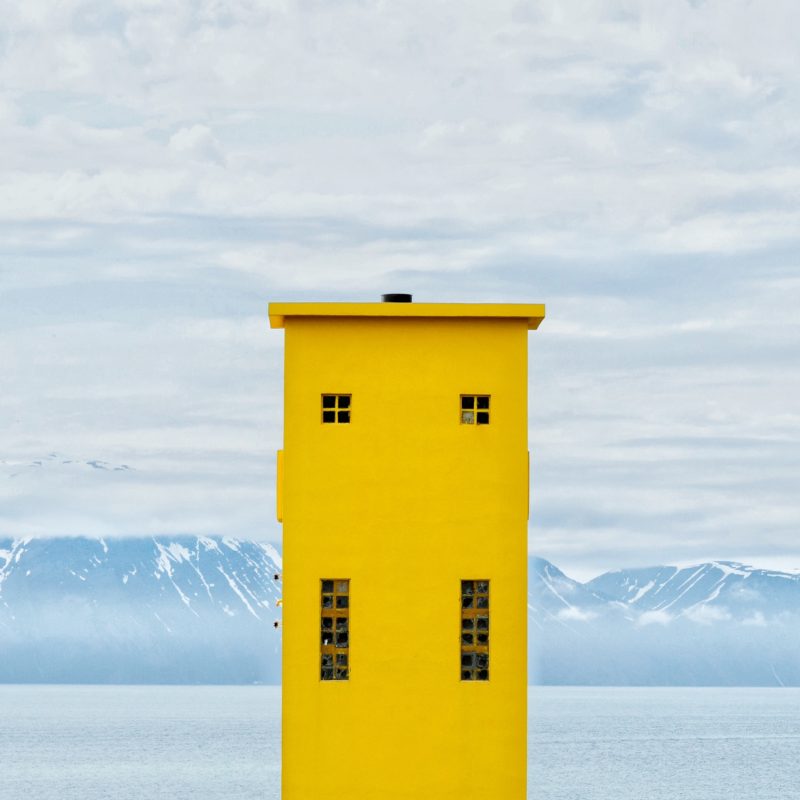
This semicircular-cylindrical light house guards a fishing village in Iceland.
Known locally as "the pregnant oyster," this center for the arts was a gift from the US to Berlin in 1957.
Max file size is 40MB. JPEGs are preferred.
You do not have permission to view this form.Need an account? Sign up
This site is protected by reCAPTCHA and the Google Privacy Policy and Terms of Service apply.


Know more? Share with the community!
Submit Your ImageLogin/Sign Up.