Login
Login
 login / signup












Barcelona, Spain
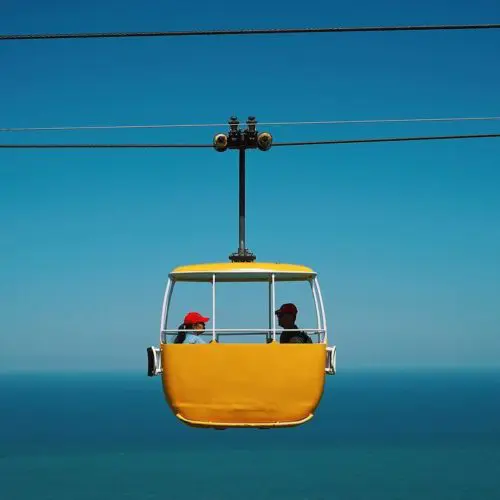
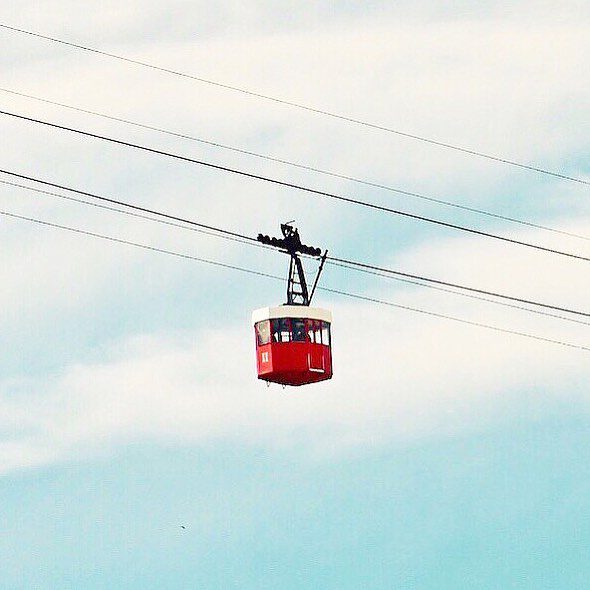
Montjuïc Cable Car
This cable car in Barcelona celebrates its 50th anniversary in 2020.






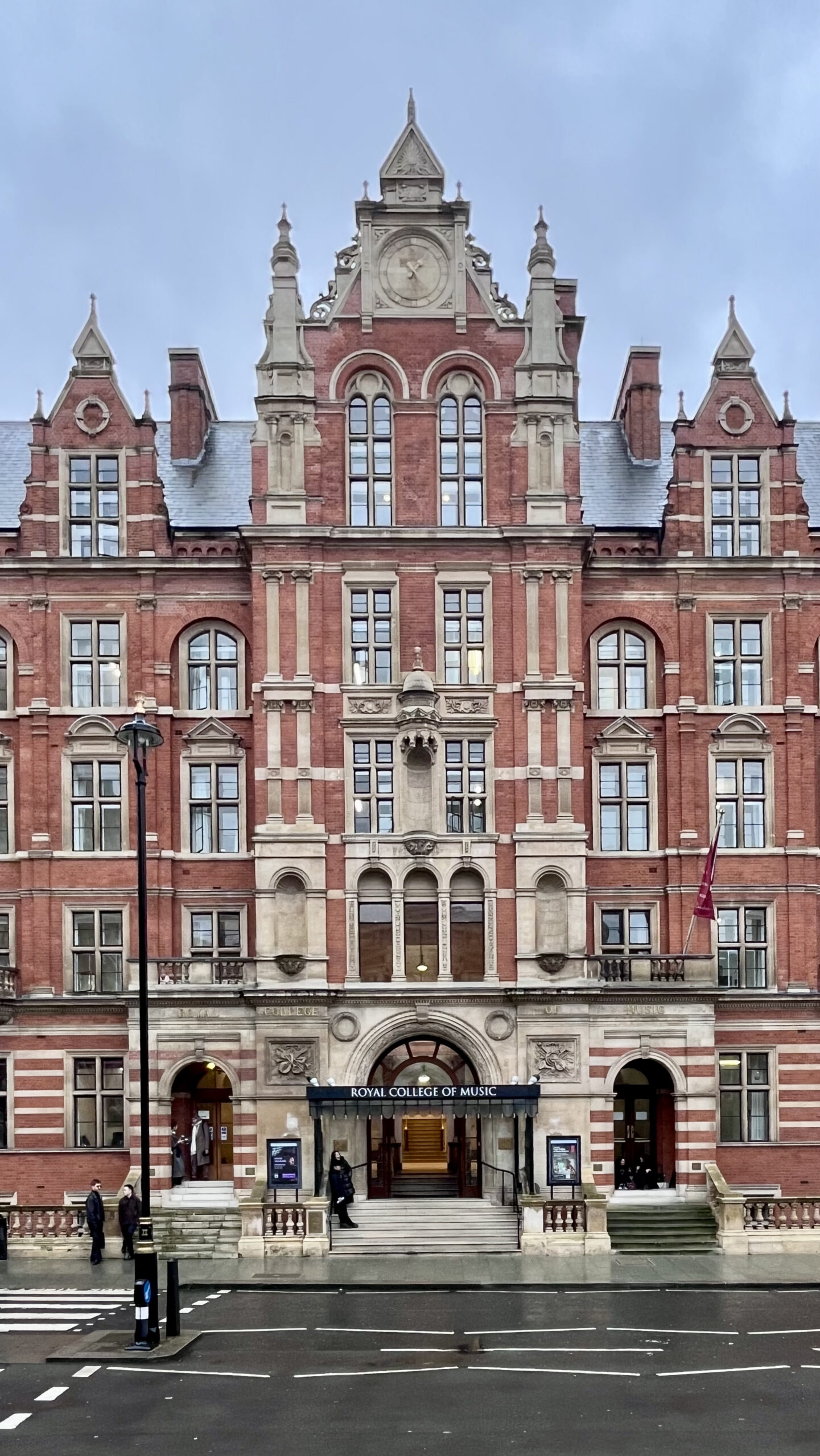
London, United Kingdom | C.1883

When the Royal College of Music opened in 1883, the future King Edward VII stood before the assembled crowd and proudly announced that a mill girl, the daughter of a brickmaker, and the son of a blacksmith had taken top honors in singing. It was a radical vision of musical meritocracy in Victorian England, where class barriers typically determined who could study music professionally. The Royal College was founded specifically to challenge that system, offering scholarships based on talent rather than birthright.
The college grew from a merger of the National Training School for Music and the vision of the Prince of Wales himself, who believed Britain needed an institution to rival the conservatories of Paris and Leipzig. Architect Arthur Blomfield designed the South Kensington building in Flemish Renaissance style, all red brick and terracotta flourishes, creating a palace for music that felt both serious and accessible. By the time the doors opened, the college had already attracted over 50 scholarship students from across Britain, many from working-class backgrounds that would have barred them from traditional music education.
Today, the Royal College of Music operates on a scale that would astonish its Victorian founders. Nearly 900 students from more than 60 countries study in a vastly expanded complex that now includes the museum housing some of the world’s most significant historical instruments. Among them: the earliest known stringed keyboard instrument, built around 1480, and the oldest surviving guitar, dated to 1581. These instruments predate the institution by centuries yet still sing occasionally in the hands of students trained in historical performance practice.
The modern campus balances reverence for musical history with relentless practicality. Students practice in acoustically treated rooms where even the bedrooms are soundproofed, a necessity when hundreds of musicians are rehearsing simultaneously. The college’s commitment to accessibility continues: roughly 90 percent of students receive some form of financial support, ensuring that talent, not wealth, remains the entrance requirement.
 51.4998239, -0.1777054
Partner


This cable car in Barcelona celebrates its 50th anniversary in 2020.
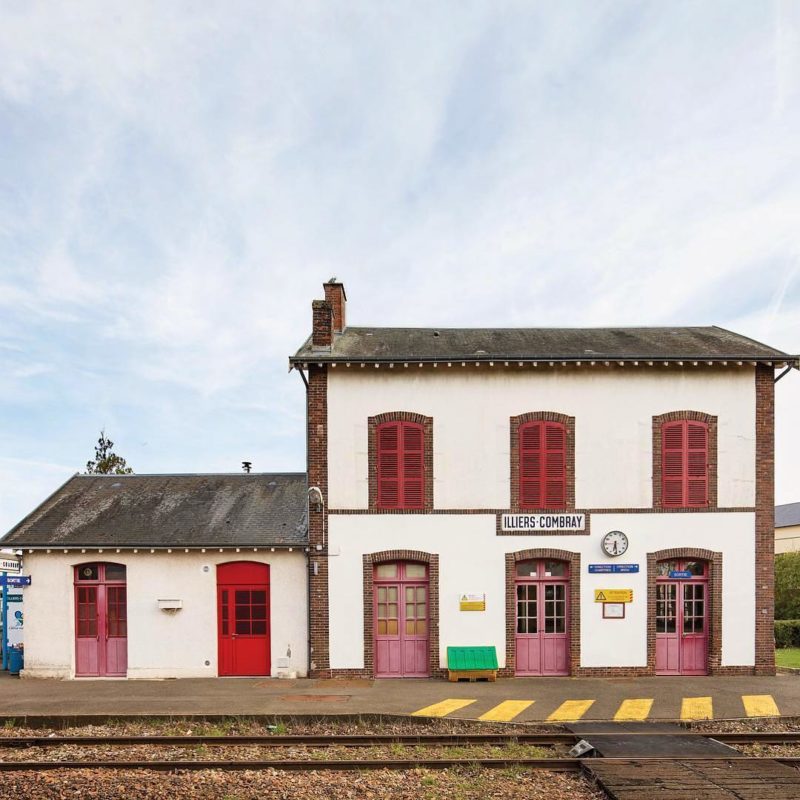
This French train station is located in a town renamed after the famed writer Marcel Proust's fictional name for the village.
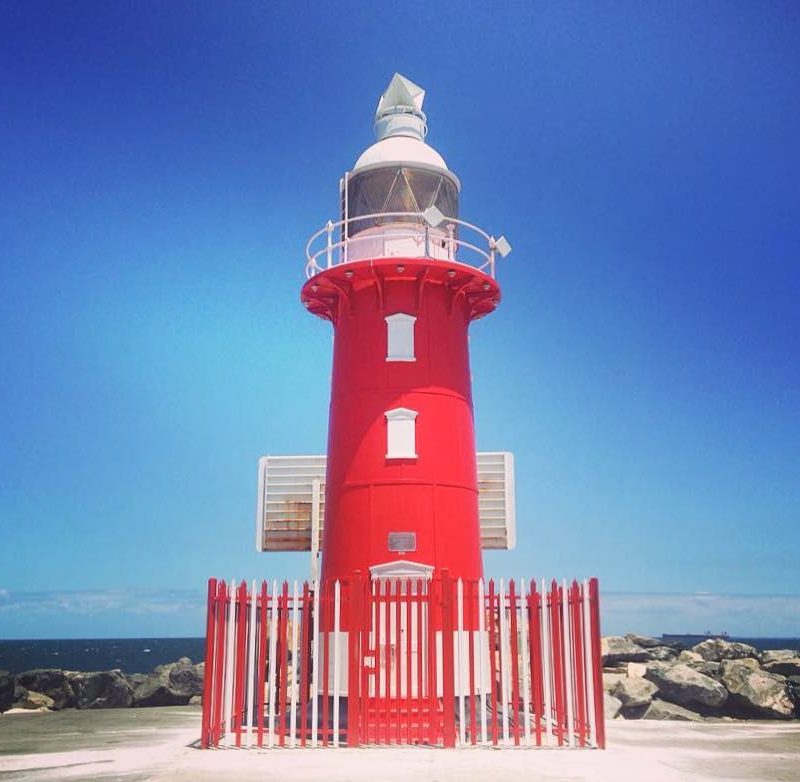
The North Mole Lighthouse is one of a pair of "twin" lighthouses found at the entrance to Fremantle Harbour in Western Australia.
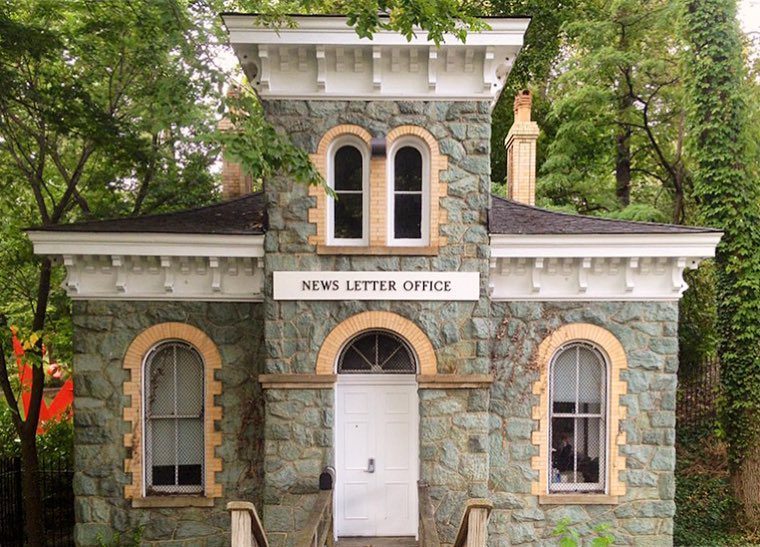
Formerly the public entrance to an estate, this gatehouse has served as the headquarters of John's Hopkins' student newspaper since 1965.
Known locally as "the pregnant oyster," this center for the arts was a gift from the US to Berlin in 1957.
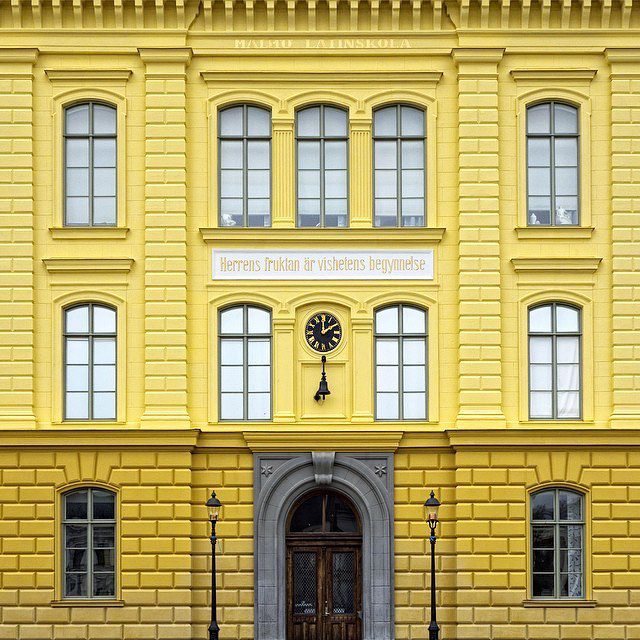
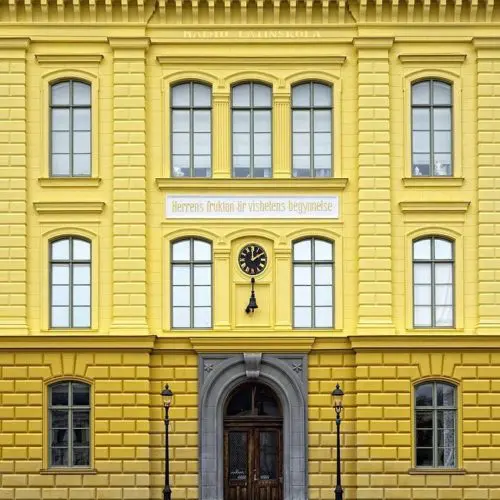
This Latin School in Malmo, Sweden was founded 600 years ago, and has never ceased operations.
From the CommunityMax file size is 40MB. JPEGs are preferred.
You do not have permission to view this form.