Login
Login
 login / signup







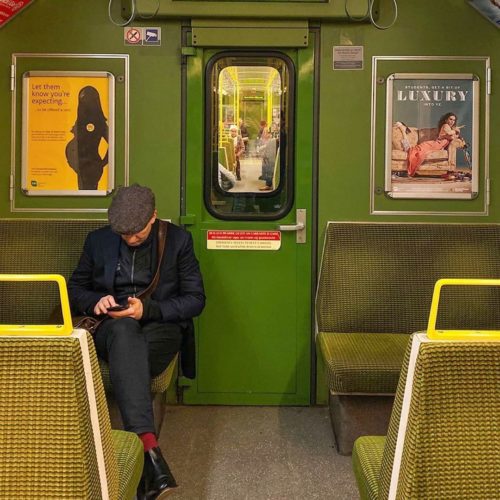



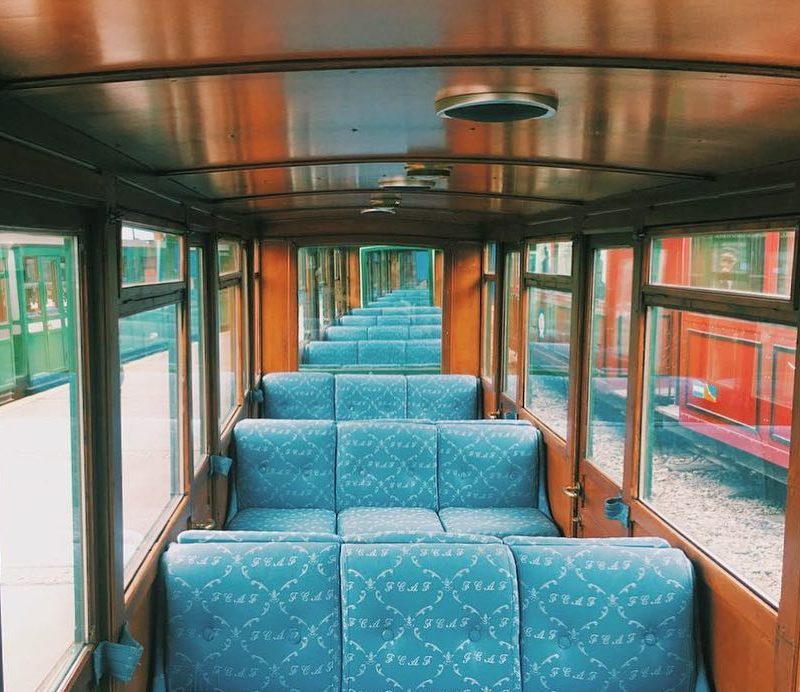

Tierra del Fuego, Argentina
Southern Fuegian Railway
This Argentinian transportation service is known as the "Train of the End of the World".






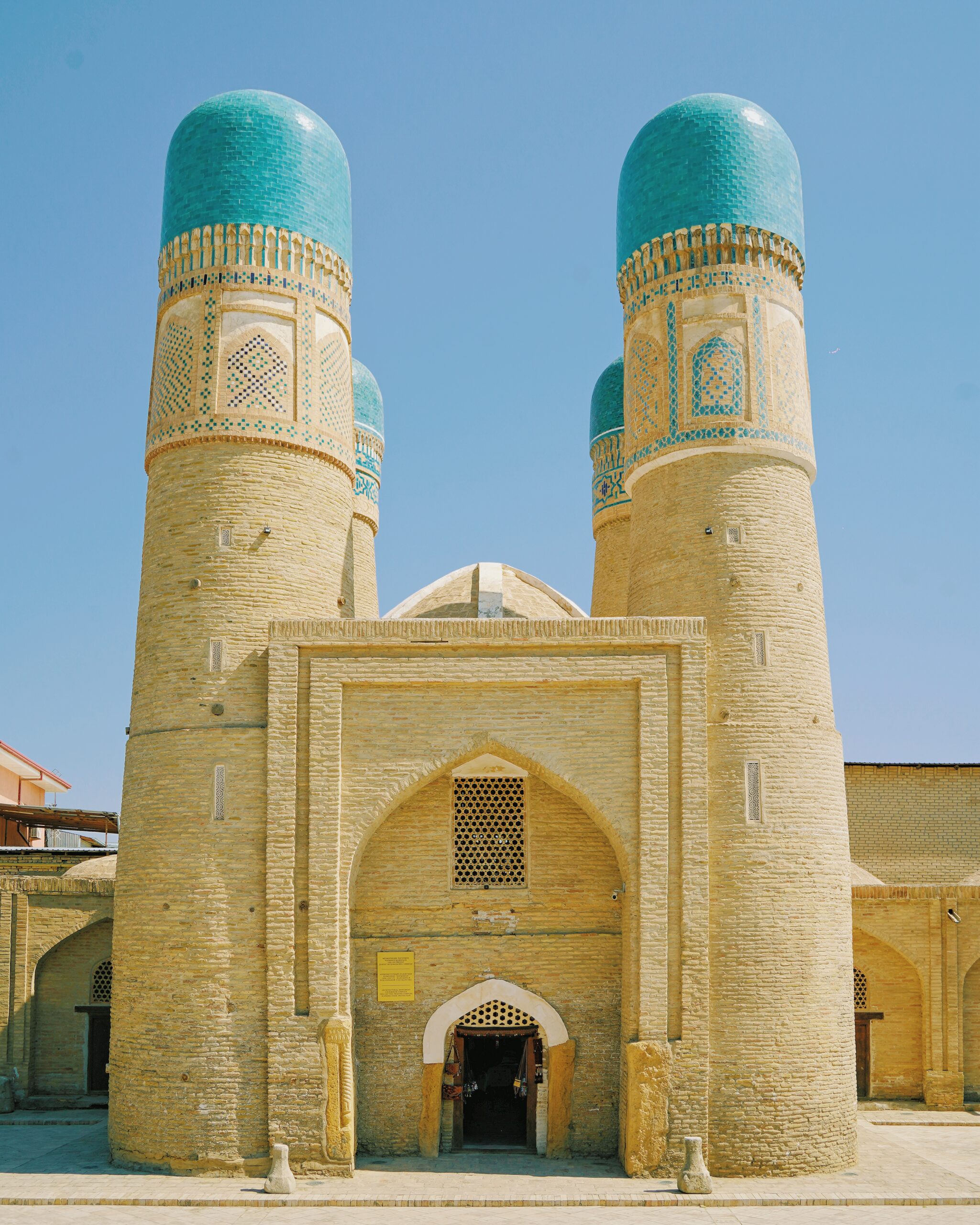
Buxoro Viloyati, Uzbekistan | C.1807

The name translates to “four minarets,” but here’s the thing: they’re not minarets at all. Built in 1807 by Turkmen merchant Khalif Niyaz-kul, possibly inspired by the Charminar in Hyderabad, India, three of Chor Minor’s turquoise-domed towers served as storage rooms, while the fourth housed a staircase. The whole structure was merely a gatehouse to a much larger madrasa that no longer exists. In 1995, one tower collapsed due to an underground brook, prompting a hushed UNESCO-funded reconstruction that authorities kept quiet for years.
Each of the four towers wears a different decorative face, and the differences have spawned Chor Minor’s most popular legend: that the reliefs represent the world’s four major religions, a cross here, a fish there, a Buddhist prayer wheel on a third. It’s a tidy story for a merchant town that once hosted travelers of every faith along the Silk Road, though it rests more on tour-guide tradition than on settled scholarship. What’s less disputed is that storks used to nest on top of the towers for generations; a mock nest now stands in for the real ones, which stopped coming sometime in the twentieth century.
The 1995 collapse got the quiet fix its bureaucracy preferred, but the money behind it wasn’t quiet at all: UNESCO put in $50,000 to fund the reconstruction, completed by 1997. The organization later noted, diplomatically, some reservations about the cement and steel used to repair a building with no structural analog anywhere else in Bukhara. A monument built to echo something in India ended up needing help from an institution based in Paris just to stay standing.
 39.7748677, 64.4273495
Partner


This Argentinian transportation service is known as the "Train of the End of the World".
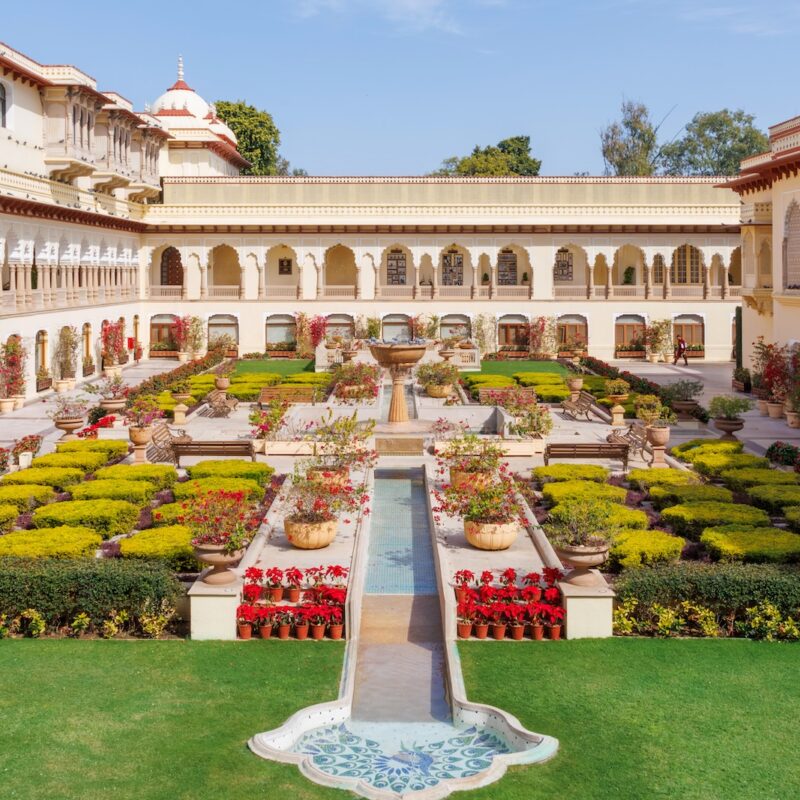
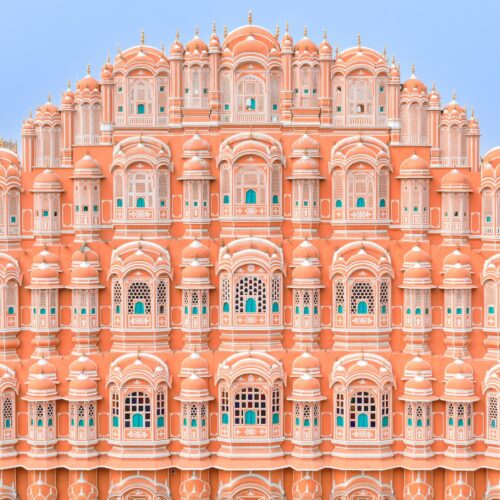
This Indian luxury hotel, known as the "Jewel of Jaipur," was once the royal residence of the Maharaja of Jaipur.
AWA visted here
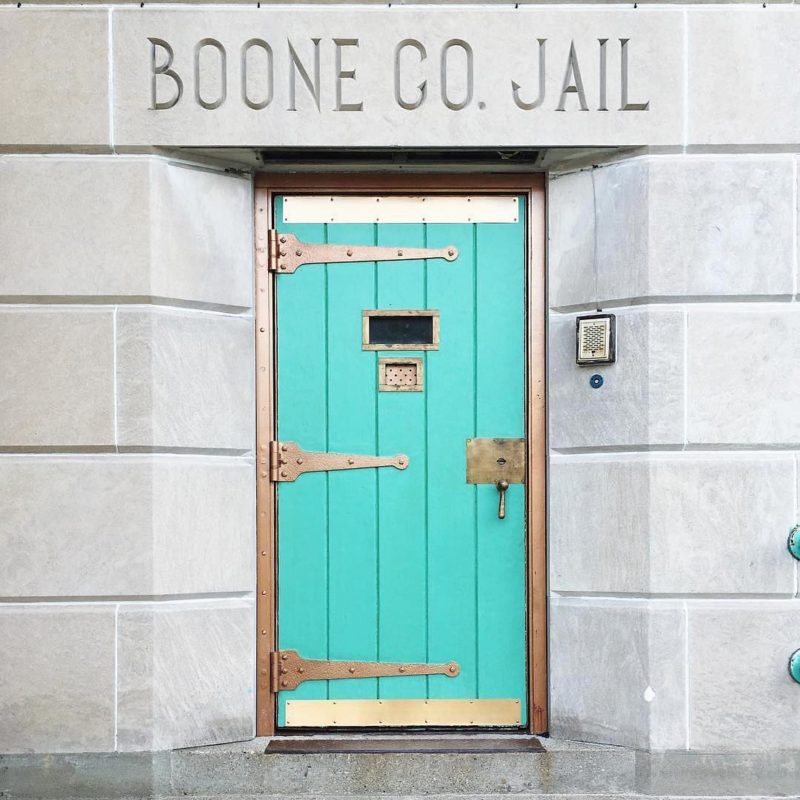
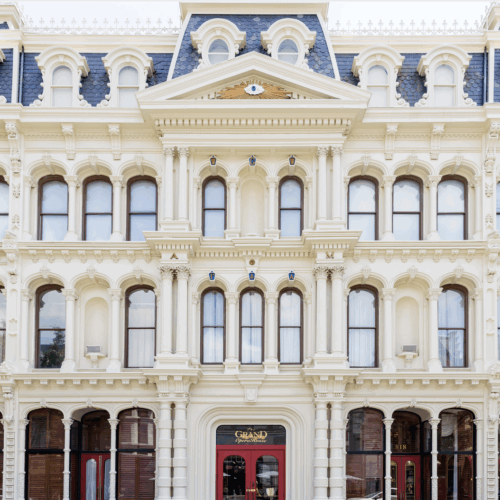
Built in 1832 during the establishment of the county seat, this historic jail recently spent a little time as a restaurant.
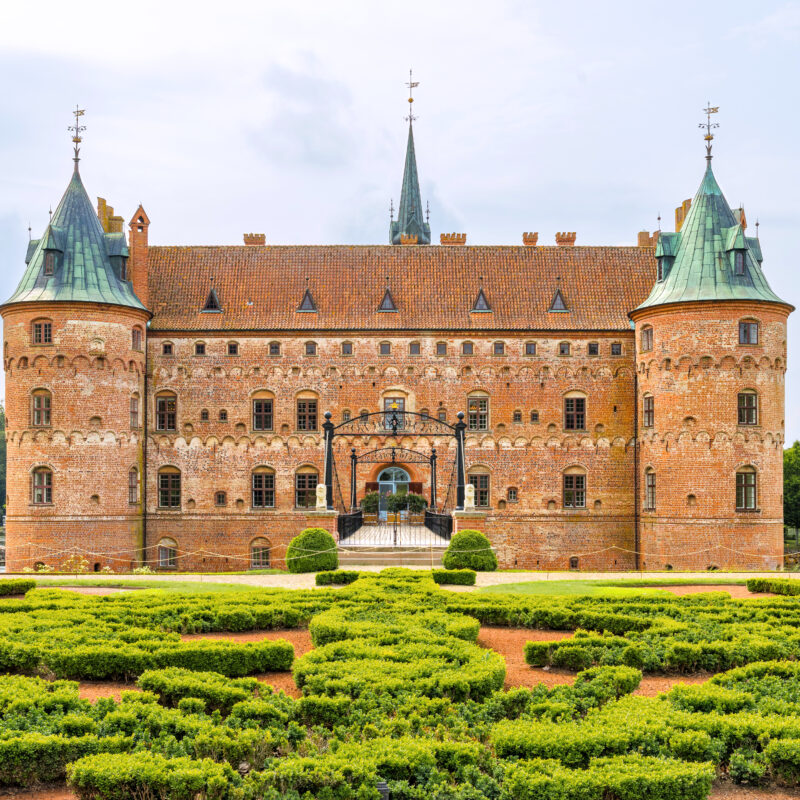
This floating castle appears to be from an enchanted fable, but in actuality it is Europe's best preserved Renaissance water castle.
AWA visted here
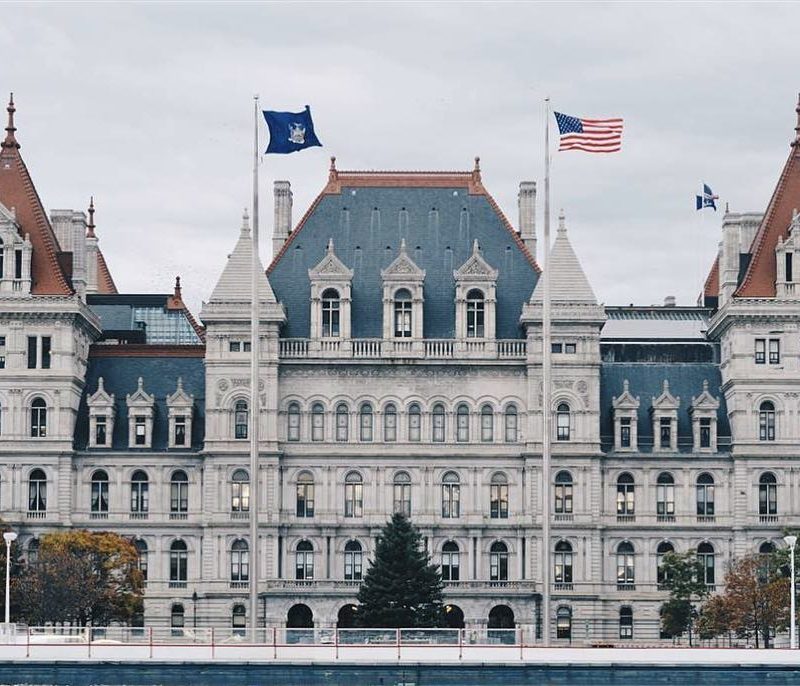
This state capitol building, constructed by three architects in different styles, still stands today thanks to an exterior staircase supporting the Eastern façade.
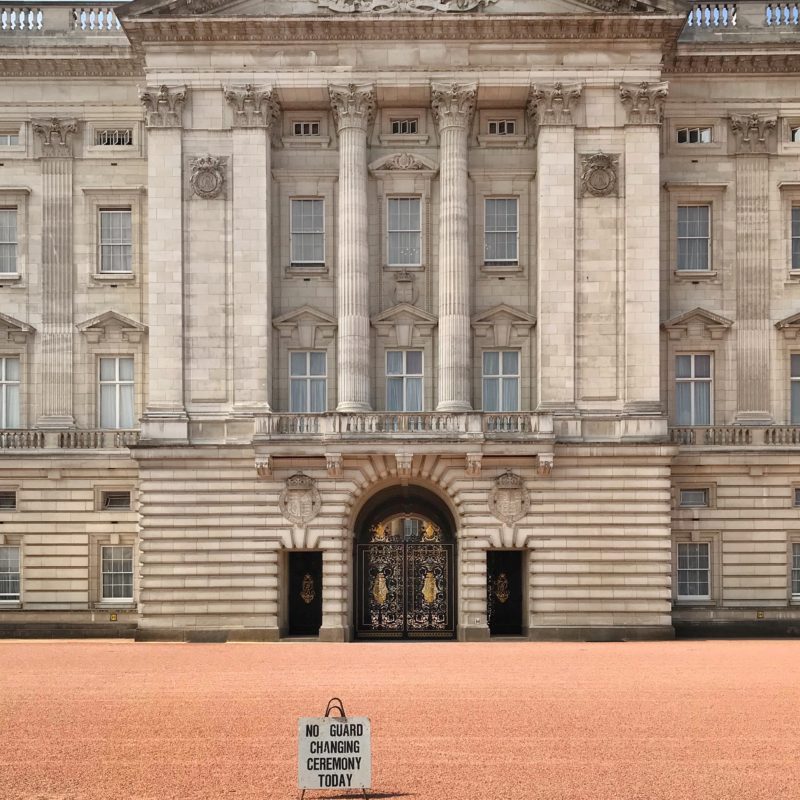
This fixture of British culture was nearly destroyed in World War II after five German bombs were dropped on the palace on Friday the 13th, 1940.
From the CommunityMax file size is 40MB. JPEGs are preferred.
You do not have permission to view this form.