Login
Login
 login / signup












Barcelona, Spain
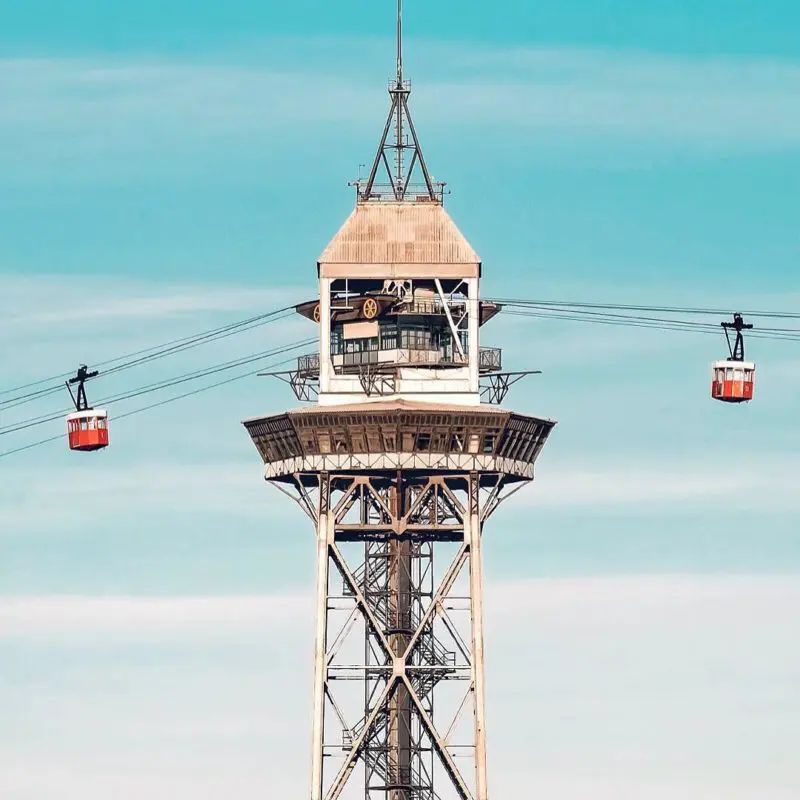
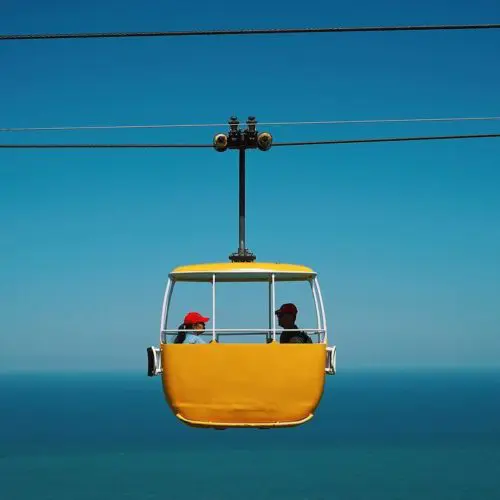
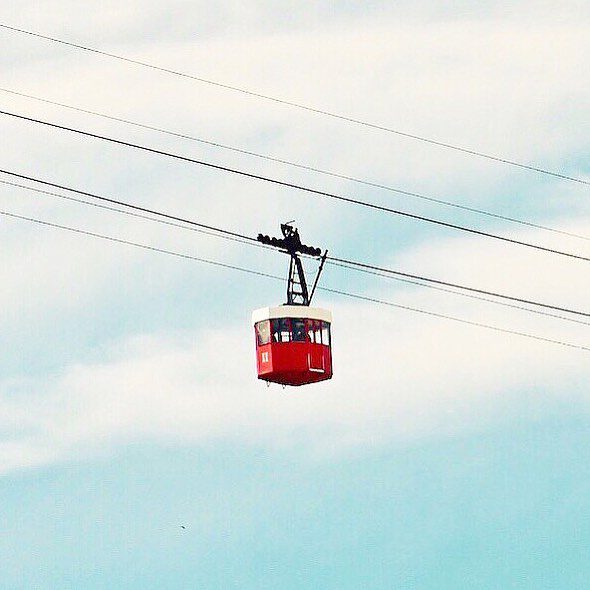
Montjuïc Cable Car
This cable car in Barcelona celebrates its 50th anniversary in 2020.




Budapest, Hungary | C.1870

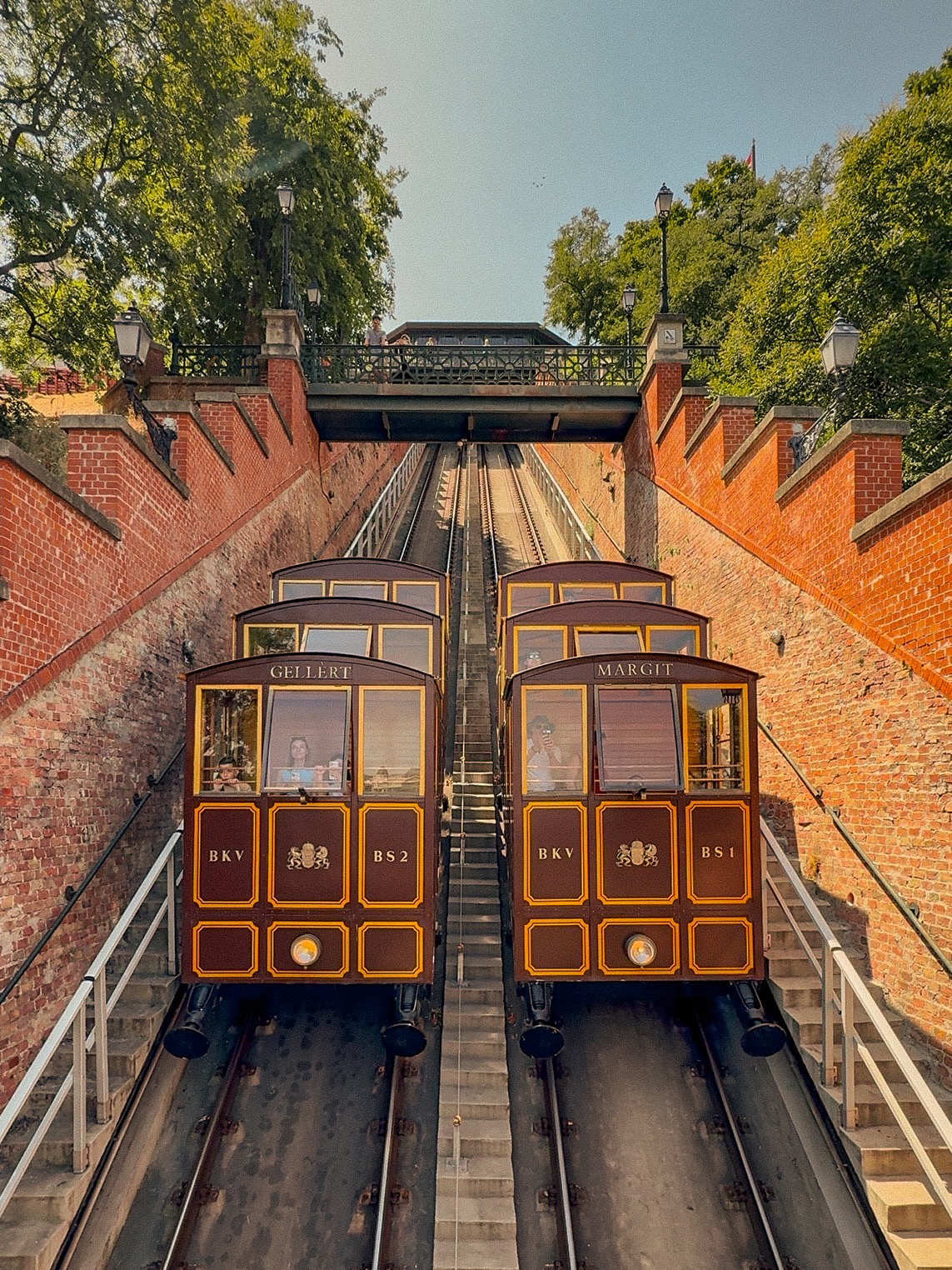
When Europe’s second funicular opened in 1870, government clerks could finally skip the trudge up Castle Hill. The steam-powered railway was built to help government officials and theatergoers avoid climbing on foot to the ministries, offices, and Castle Theatre perched atop Castle Hill. By 1873, it was ferrying 1.5 million passengers annually- then a bomb struck on December 20, 1944. The ruins sat for over four decades while officials debated escalators. Instead, in 1986, it returned exactly as it had been: steam engine swapped for electric, but the vintage elegance intact.
The two carriages are named after Saint Gellért and Saint Margaret, whose stories are as dramatic as the funicular’s own. Gellért, an Italian Benedictine bishop invited to convert pagan Magyars in the 11th century, was captured by insurgents in 1046 and allegedly sent to his death in a barrel pierced with nails, rolled down the steep hill that now bears his name. Margaret was a princess born in 1242 whose parents vowed to dedicate her to religious life if Hungary was liberated from the Mongols- she entered a Dominican convent at age three and remained there until her death at 28.
Today, the twin cars still run parallel, taking 90 seconds to climb what would take you 15 minutes on foot. The track stretches just 95 meters, barely longer than a football field, making it one of the shortest funicular rides in the world. Yet it ascends 48 meters at a gradient steep enough that Gellért and Margit pass each other at the exact midpoint every single time.
 47.497891, 19.039787
Partner


This cable car in Barcelona celebrates its 50th anniversary in 2020.
Decimated by the Spanish War, this tramway was restored in 2000 to serve its intended purpose: a tourist attraction offering exceptional views of Barcelona.
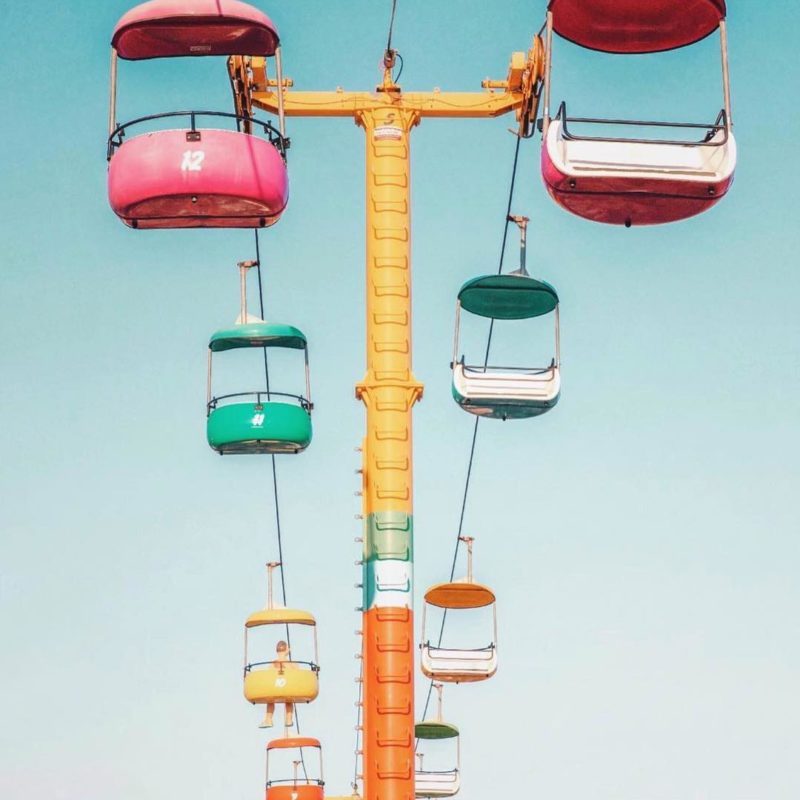
This seaside amusement park is one of California's oldest but most recognizable landmarks, known especially for the park's "Giant Dipper" roller coaster.
From the CommunityMax file size is 40MB. JPEGs are preferred.
You do not have permission to view this form.