Login
Login
 login / signup










Barcelona, Spain
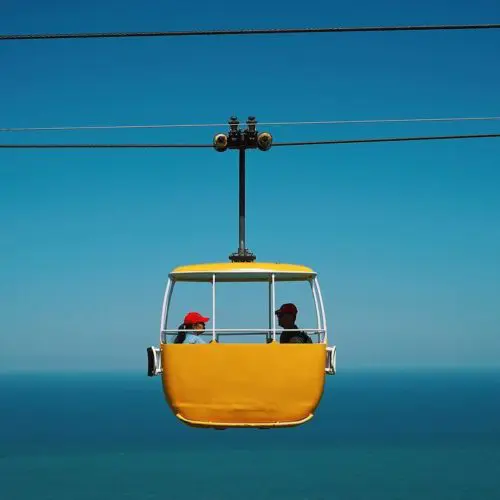
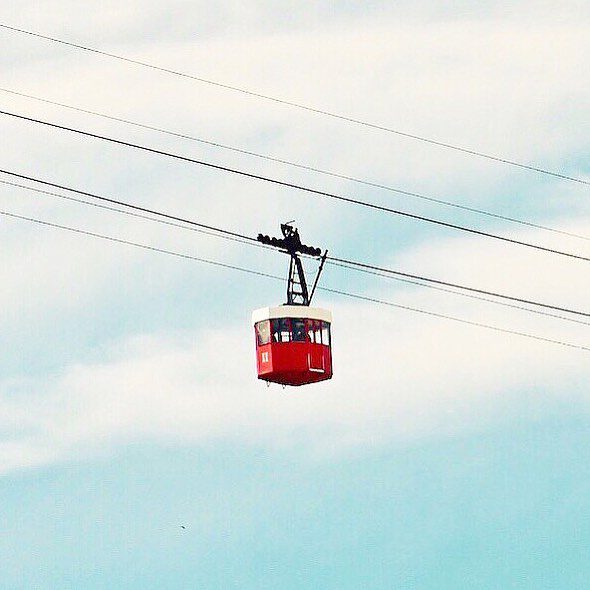
Montjuïc Cable Car
This cable car in Barcelona celebrates its 50th anniversary in 2020.



Marstal, Denmark

Partner

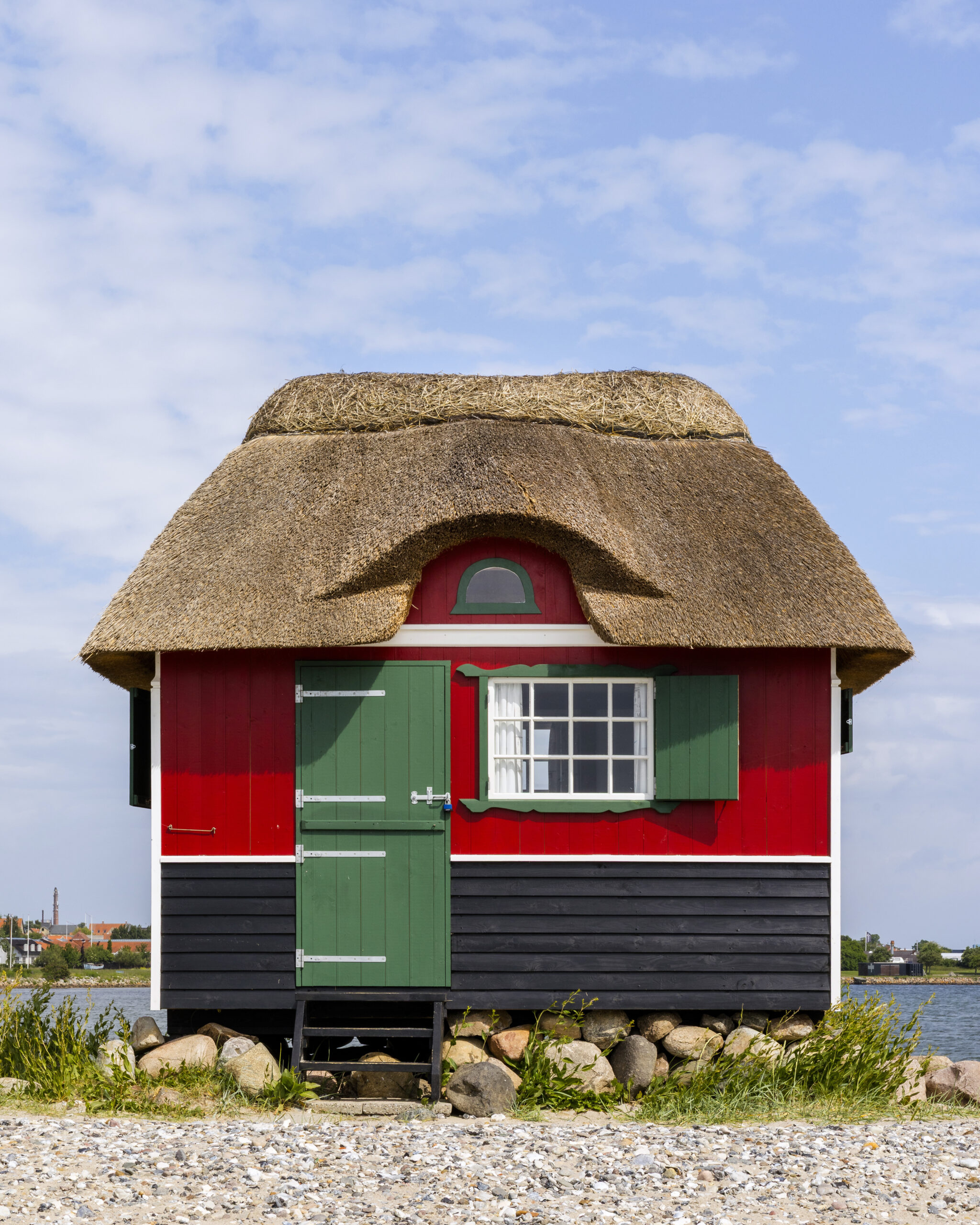
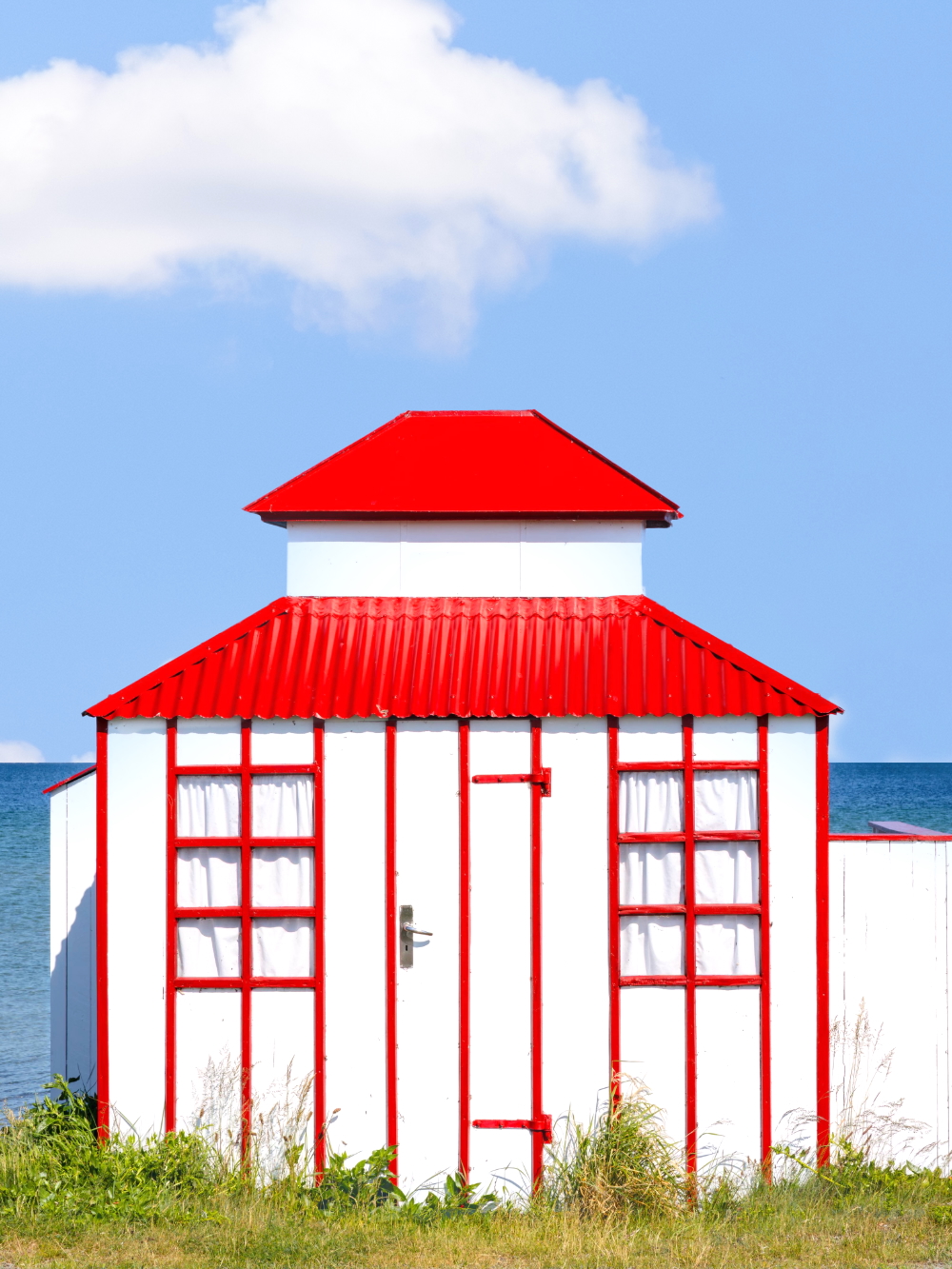
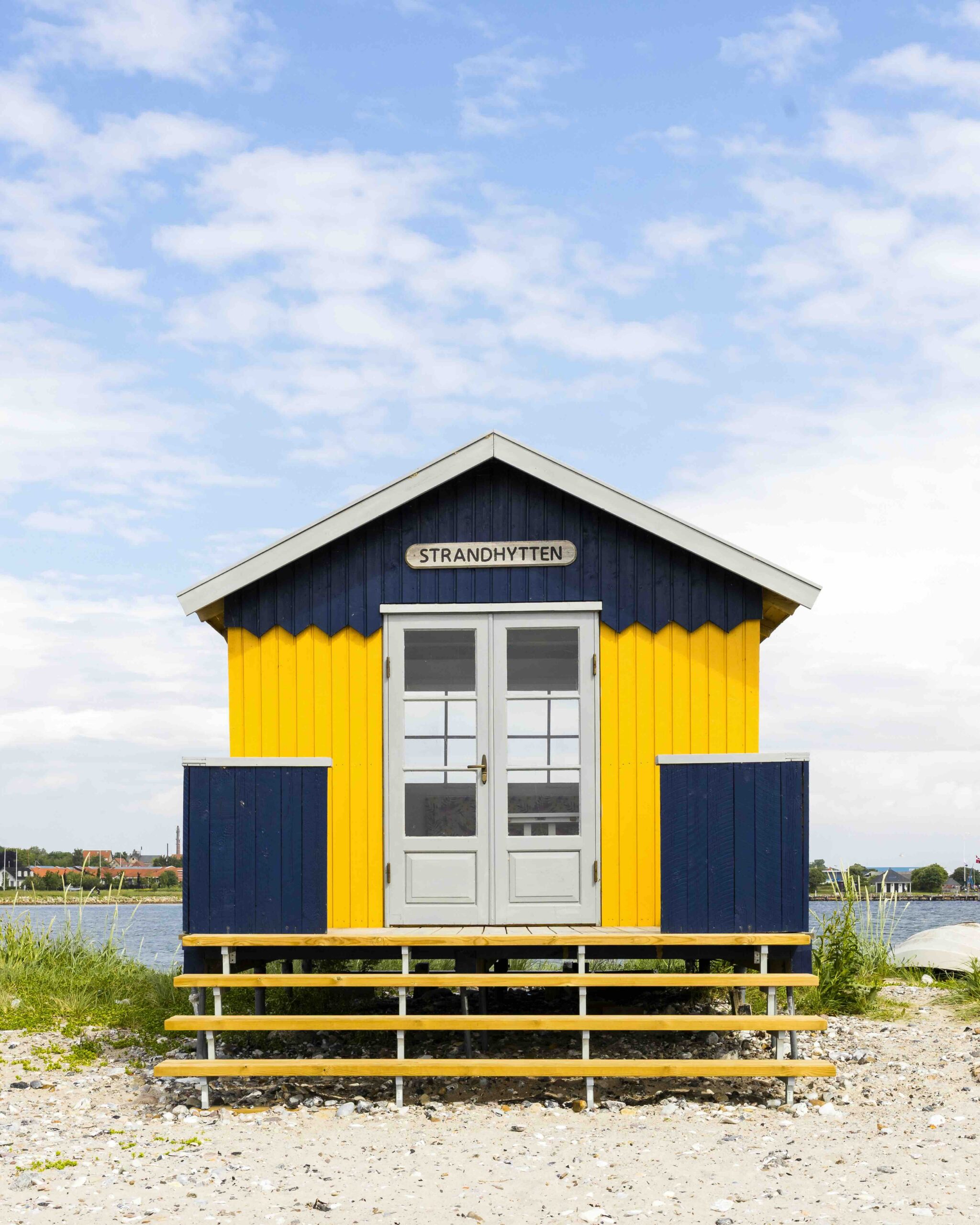
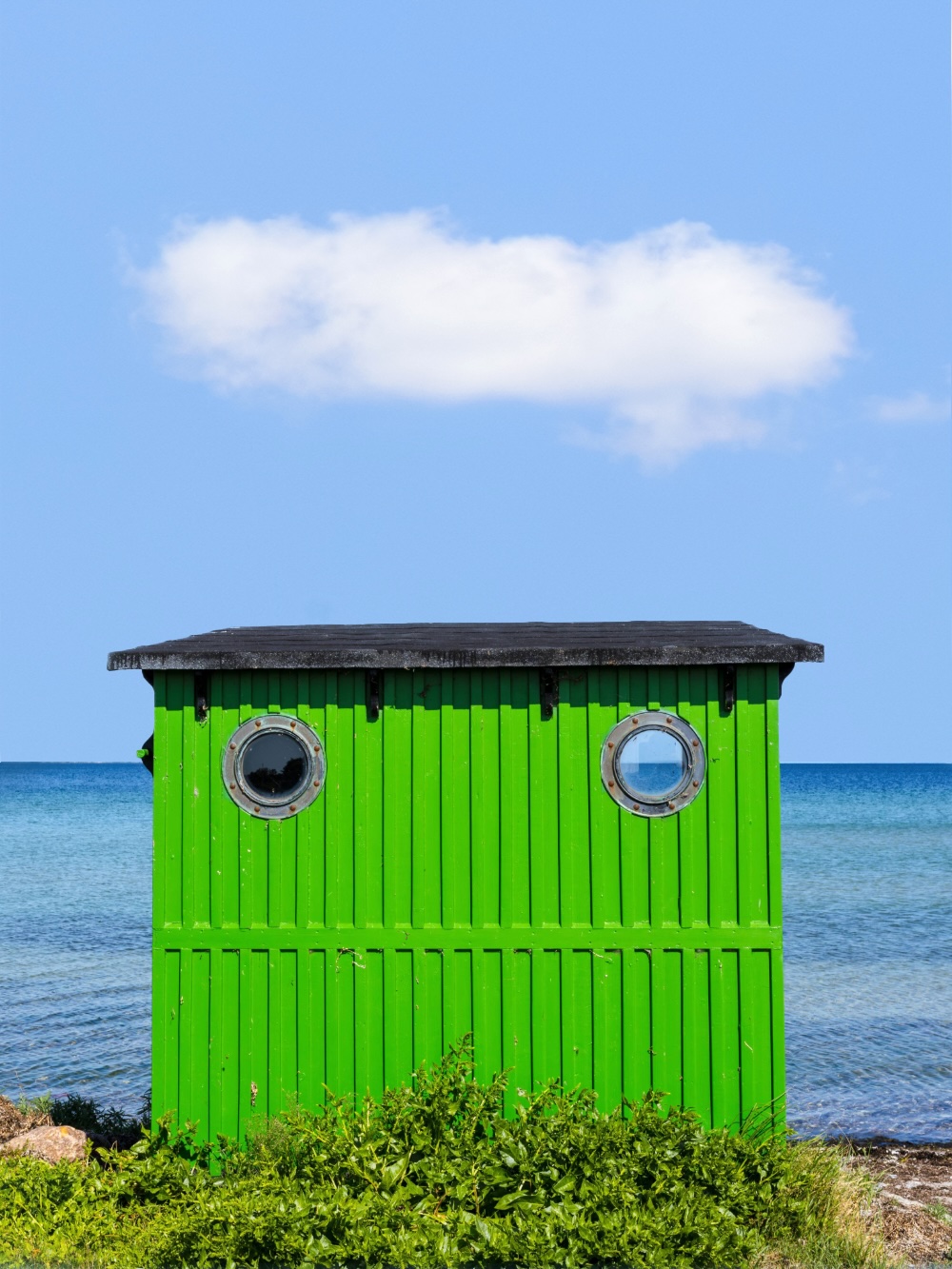
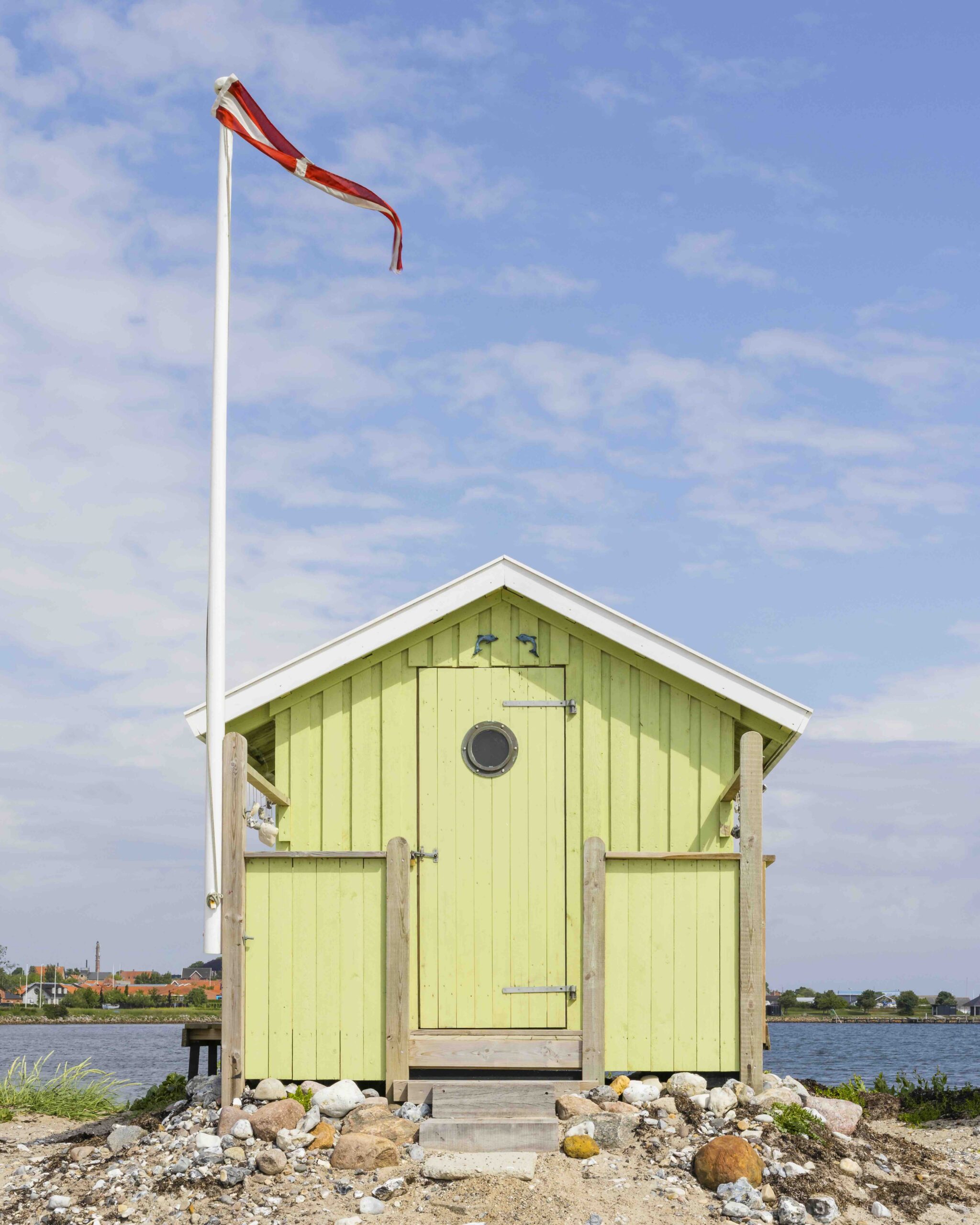
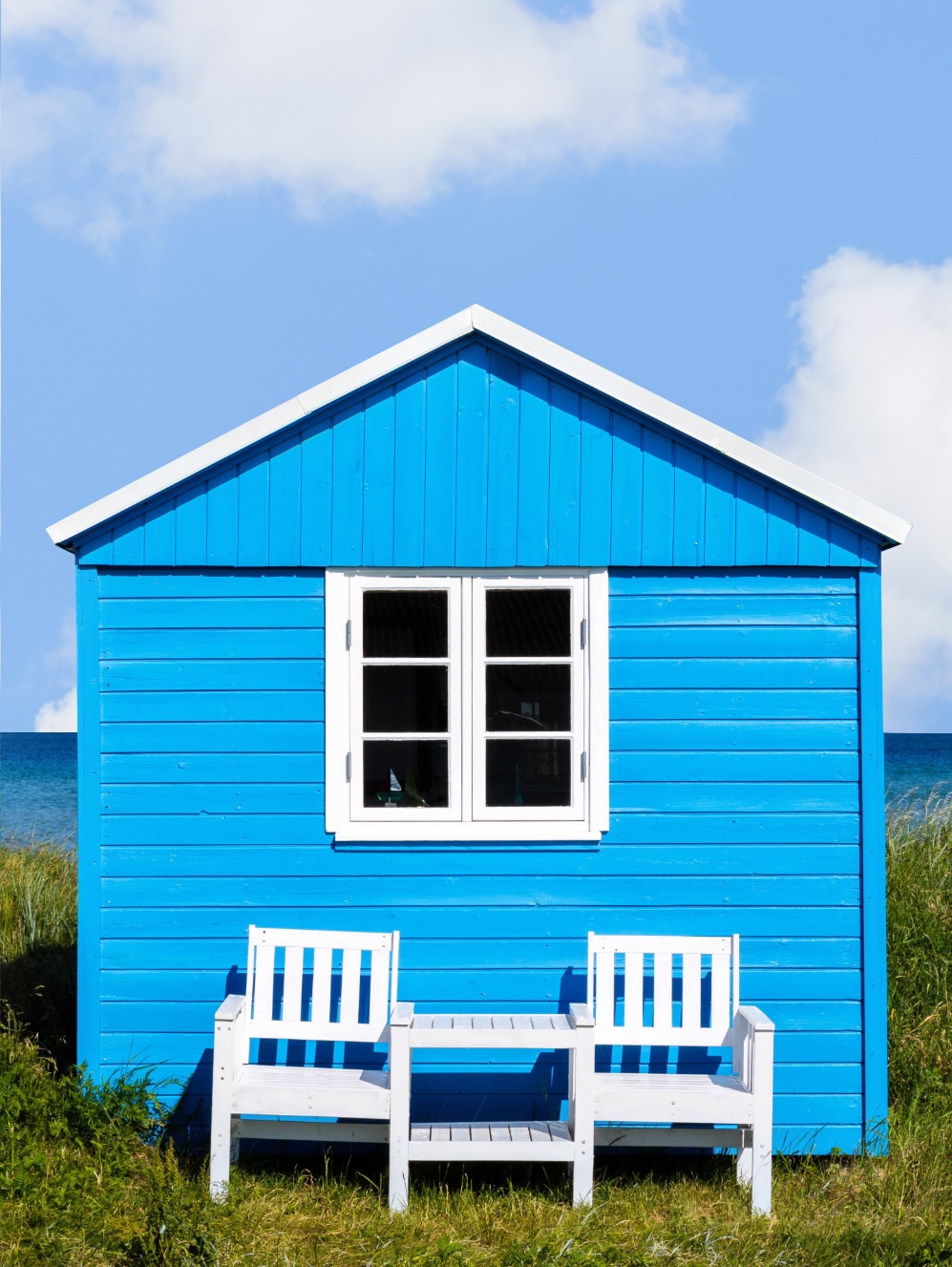
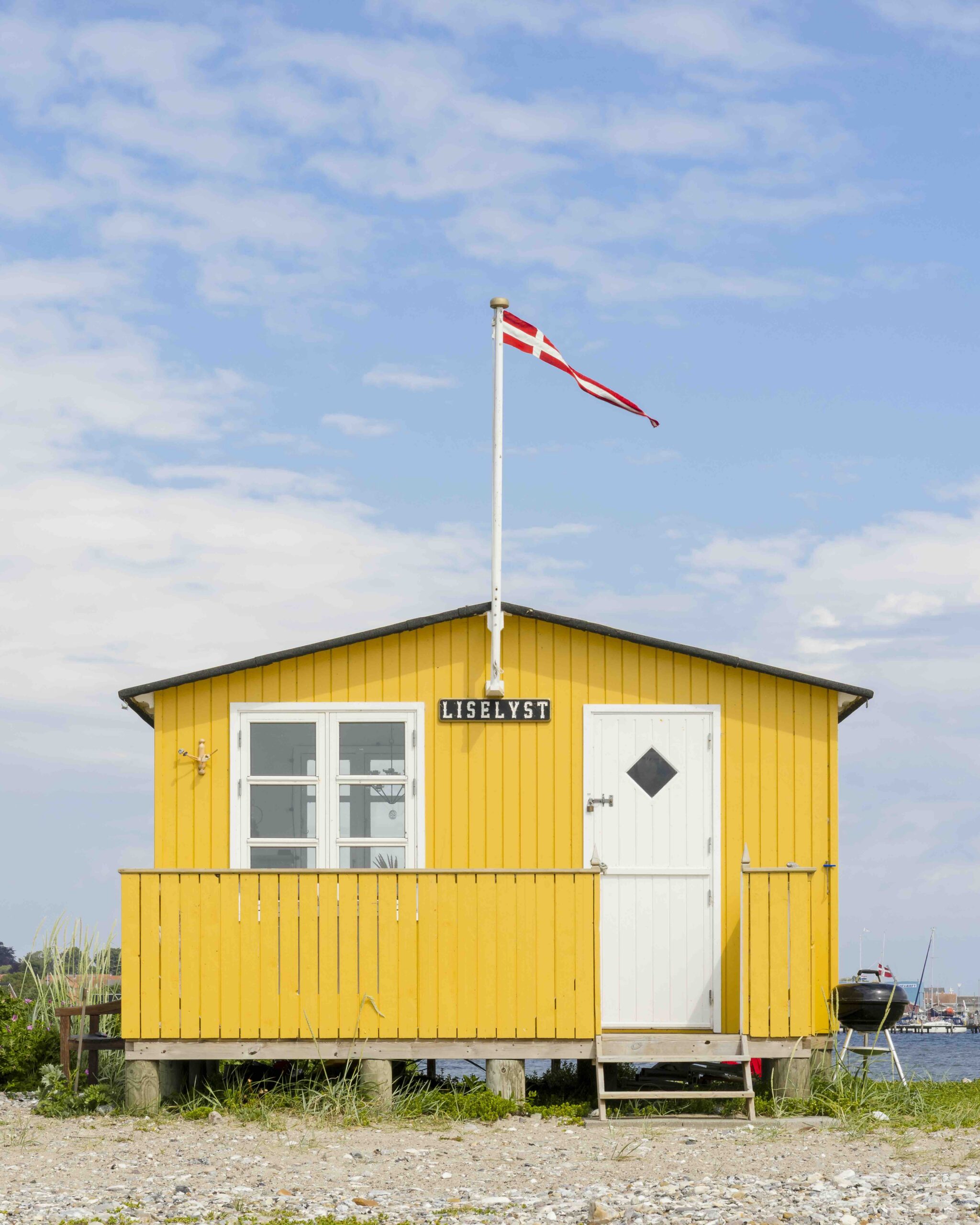
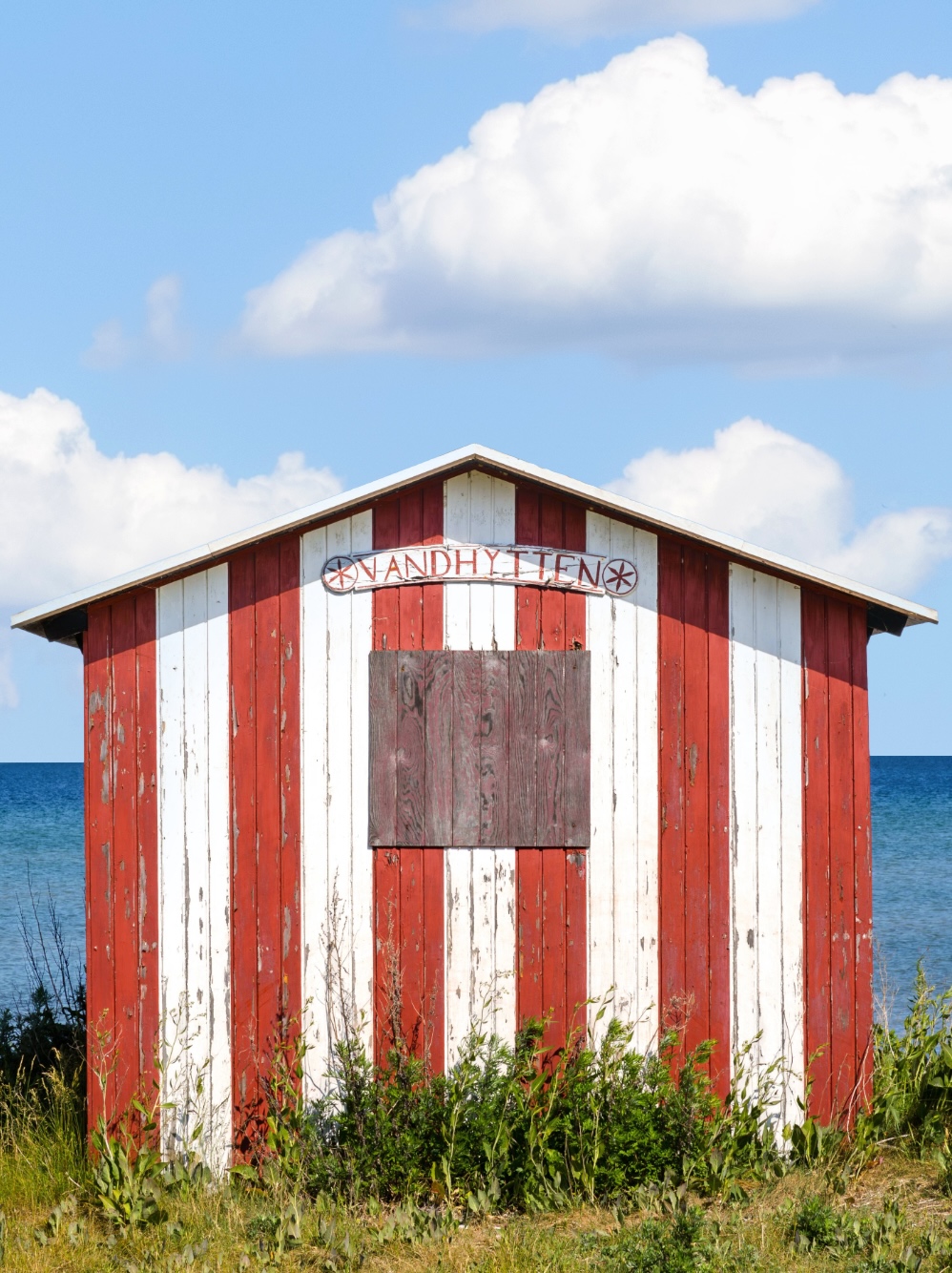
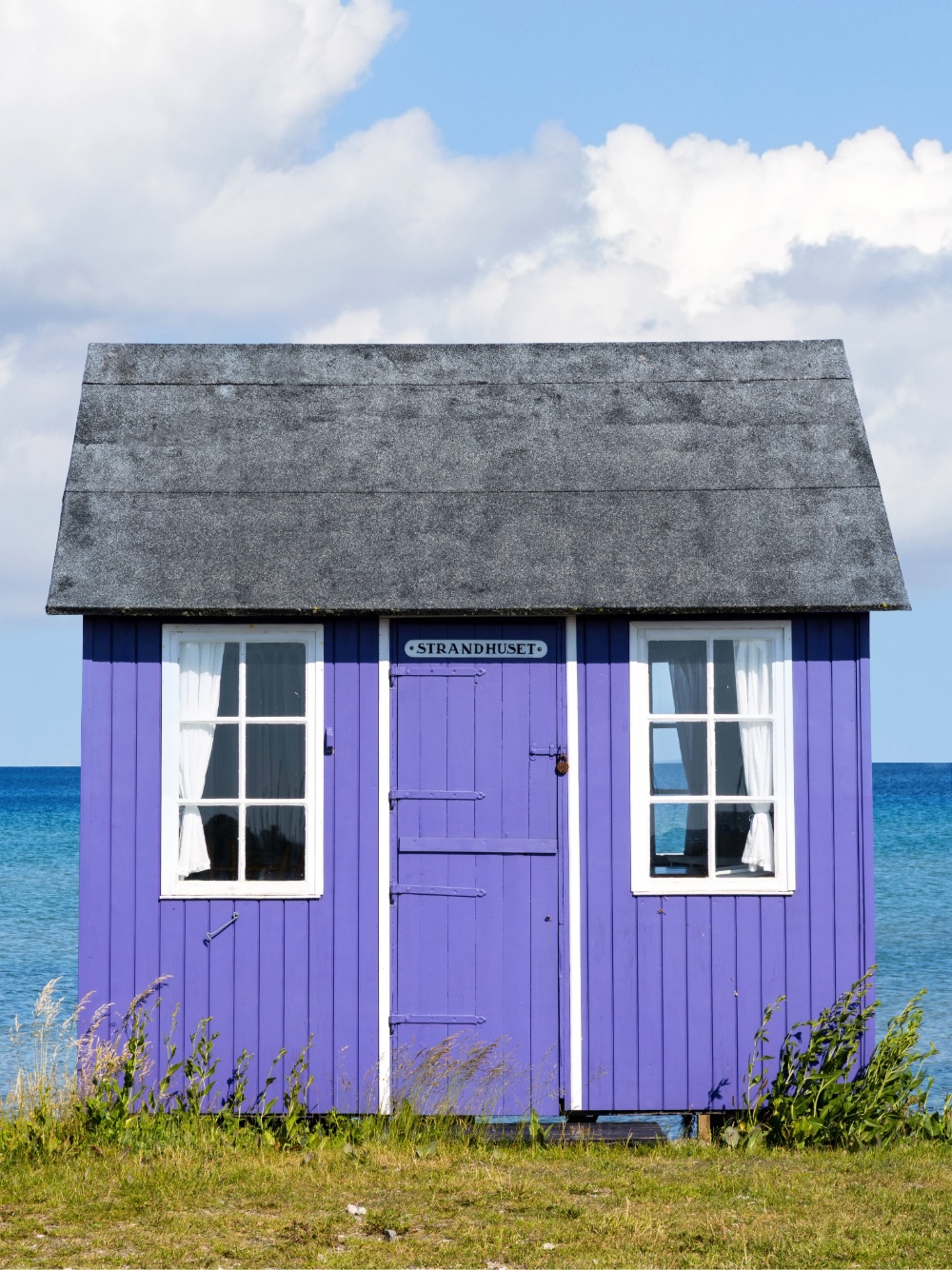
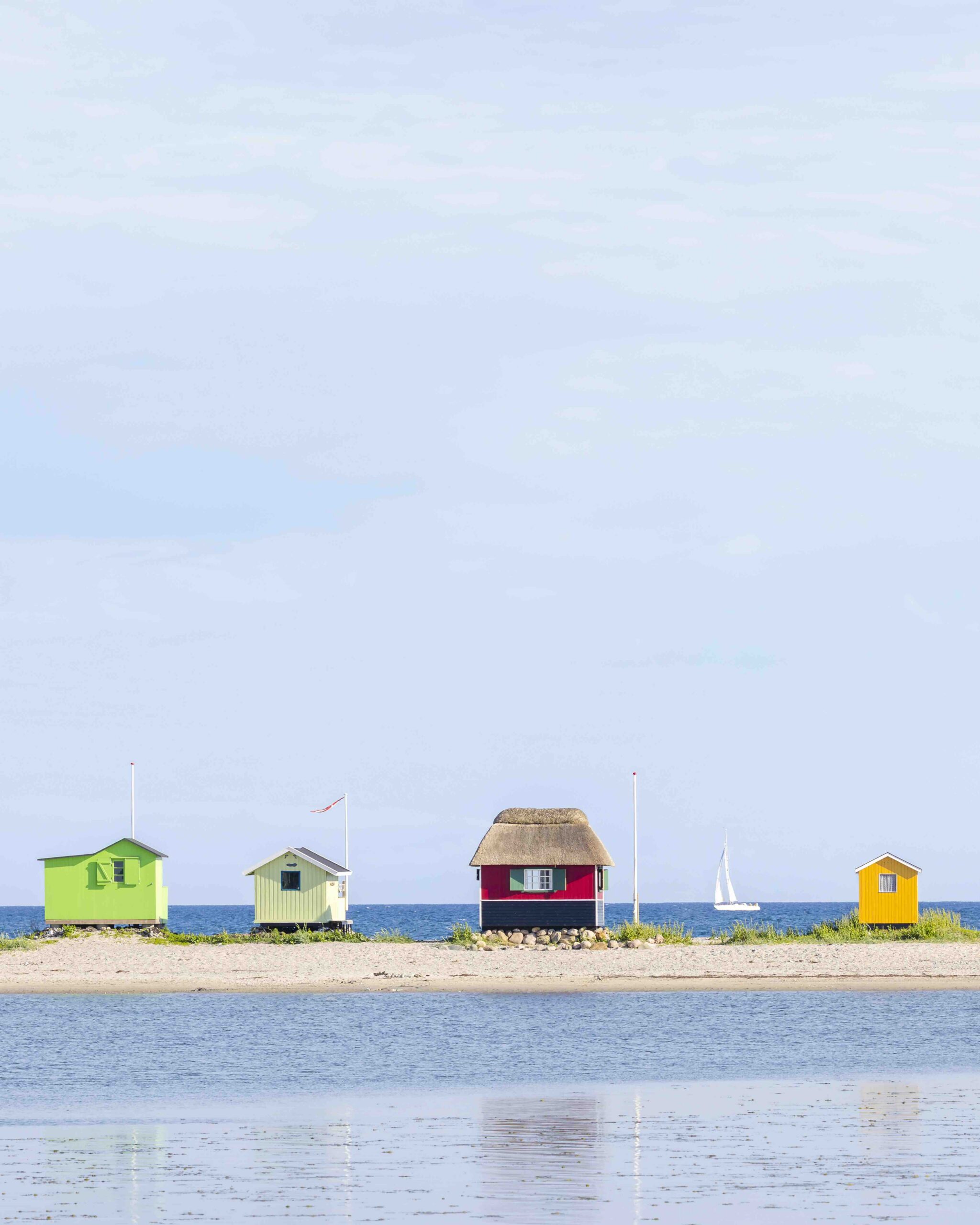
The beach huts of Marstal and Ærøskøbing first appeared in the 1920s. Built by locals along Eriks Hale beach, they ranged from simple changing sheds to miniature summer cottages – a seaside escape for residents of an island whose livelihood had long been tied to the sea.
For decades, the huts stood on public shoreline with little oversight. There were no formal rules governing where they could be built, how they should look, or even what colors they could be painted.
Then in the early 1960s questions arose about the huts’ legality. Lease renewals became increasingly difficult, conservation authorities became involved, and proposals to remove the structures surfaced repeatedly. The dispute dragged on for nearly twenty years.
By then, however, the huts had become part of Ærø’s identity. They were too beloved to disappear.
Today, the plots remain leased under strict conditions: no extensions, no annexes, and no electricity or running water. The huts must remain much as they always have. The most famous? The picture perfect red thatched-roof hut at Eriks Hale (the first one in the carousel!) is now an unofficial symbol of Ærø’s badehusene and is the most photographed of them all.
A short ferry ride away, more huts line Vesterstrand, while nearby Ærøskøbing’s cobblestone streets and beautifully preserved 18th-century buildings have earned it the nickname “Fairytale Town.”
We’re glad the huts won.
Looking to read more about this area of the world? This location exists in a guide:
Read the Guide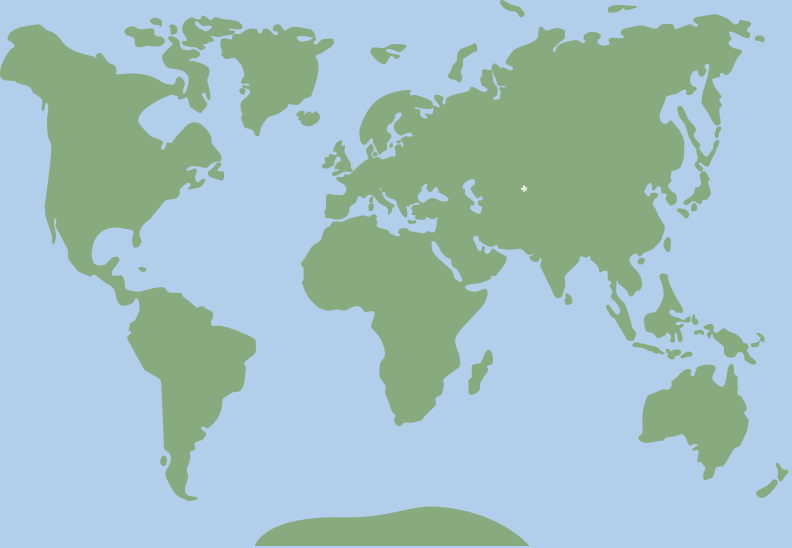 54.8456051, 10.5300325
This cable car in Barcelona celebrates its 50th anniversary in 2020.
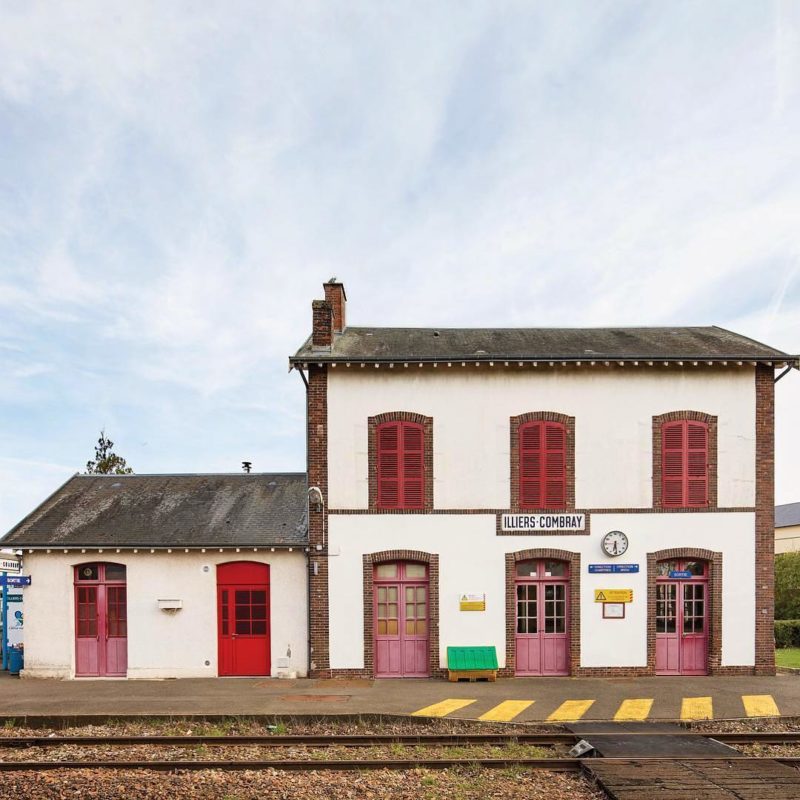
This French train station is located in a town renamed after the famed writer Marcel Proust's fictional name for the village.
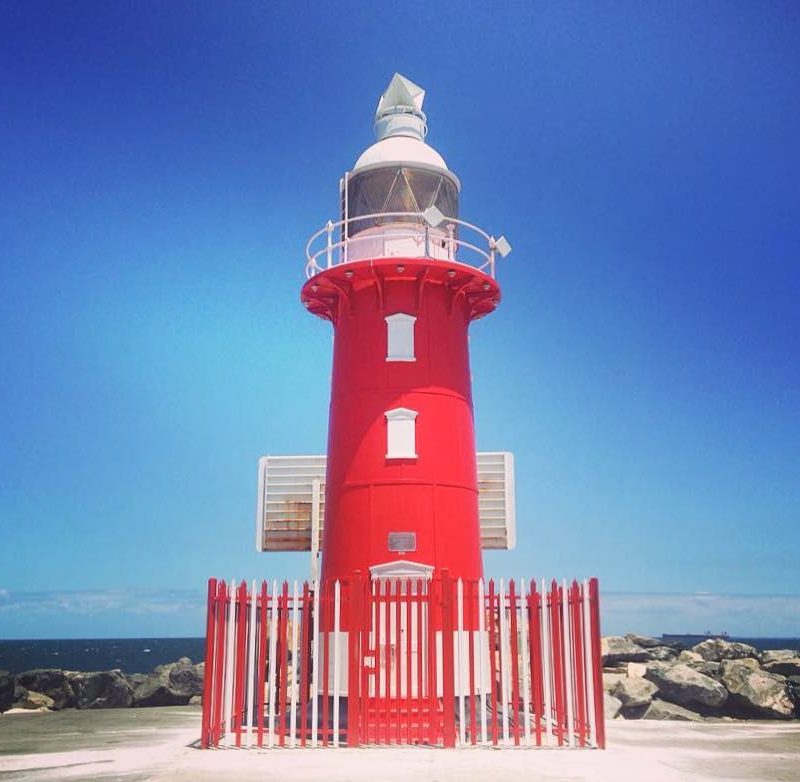
The North Mole Lighthouse is one of a pair of "twin" lighthouses found at the entrance to Fremantle Harbour in Western Australia.
Max file size is 40MB. JPEGs are preferred.
You do not have permission to view this form.