 Login
Login
 login / signup









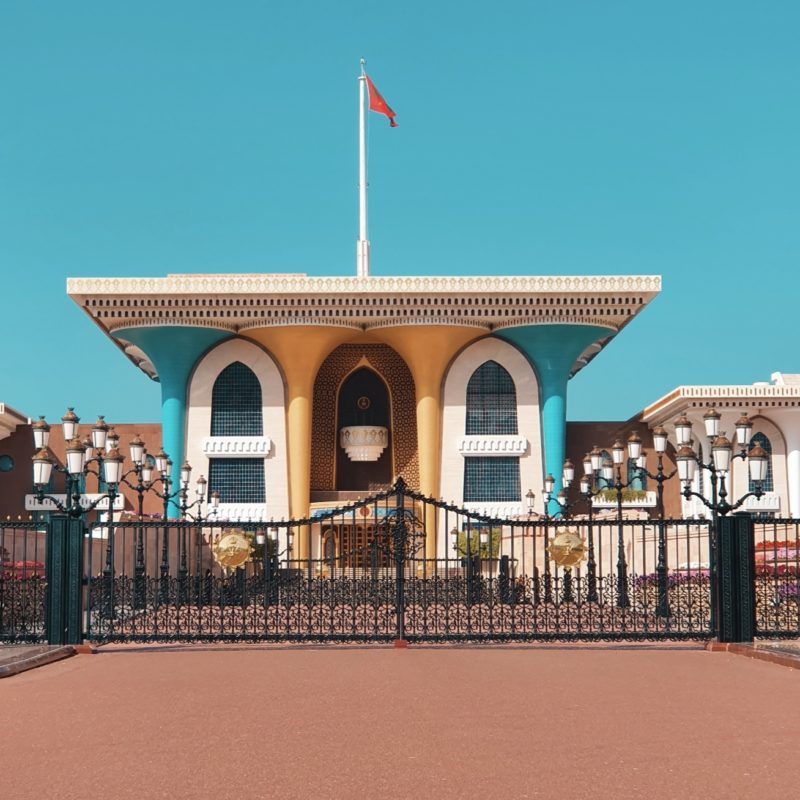
Muscat, Oman
Al Alam Palace
This royal palace in Oman is owned by the Sultan, who has retained the property through eight generations.


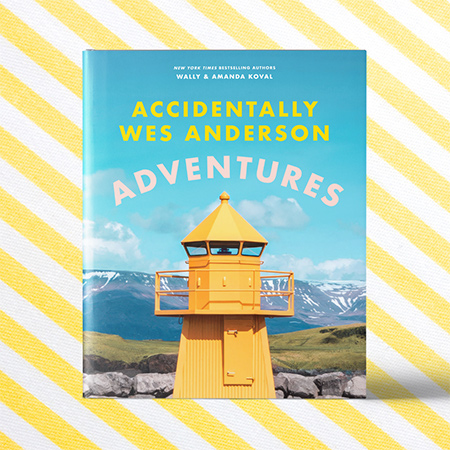
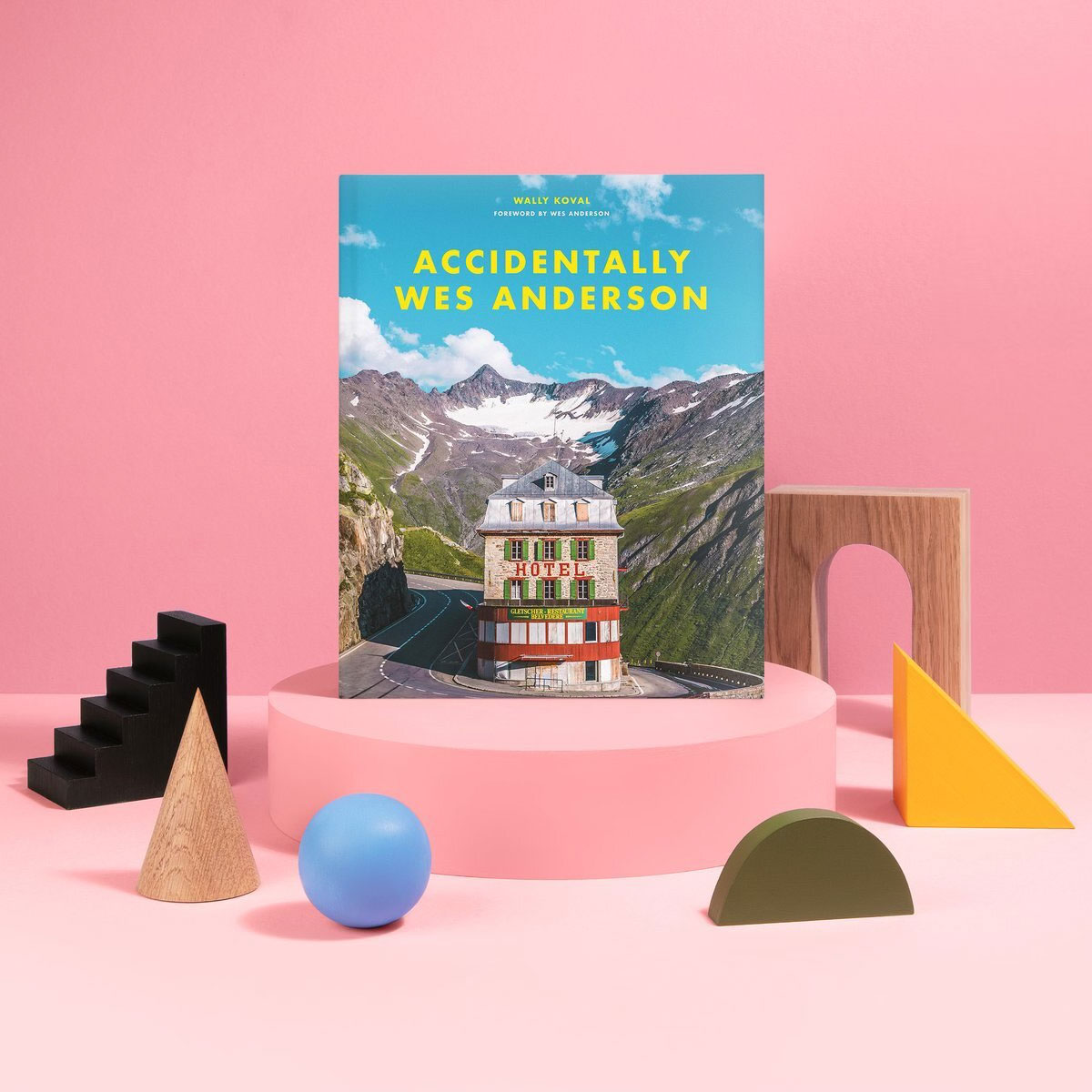


Seaford, England

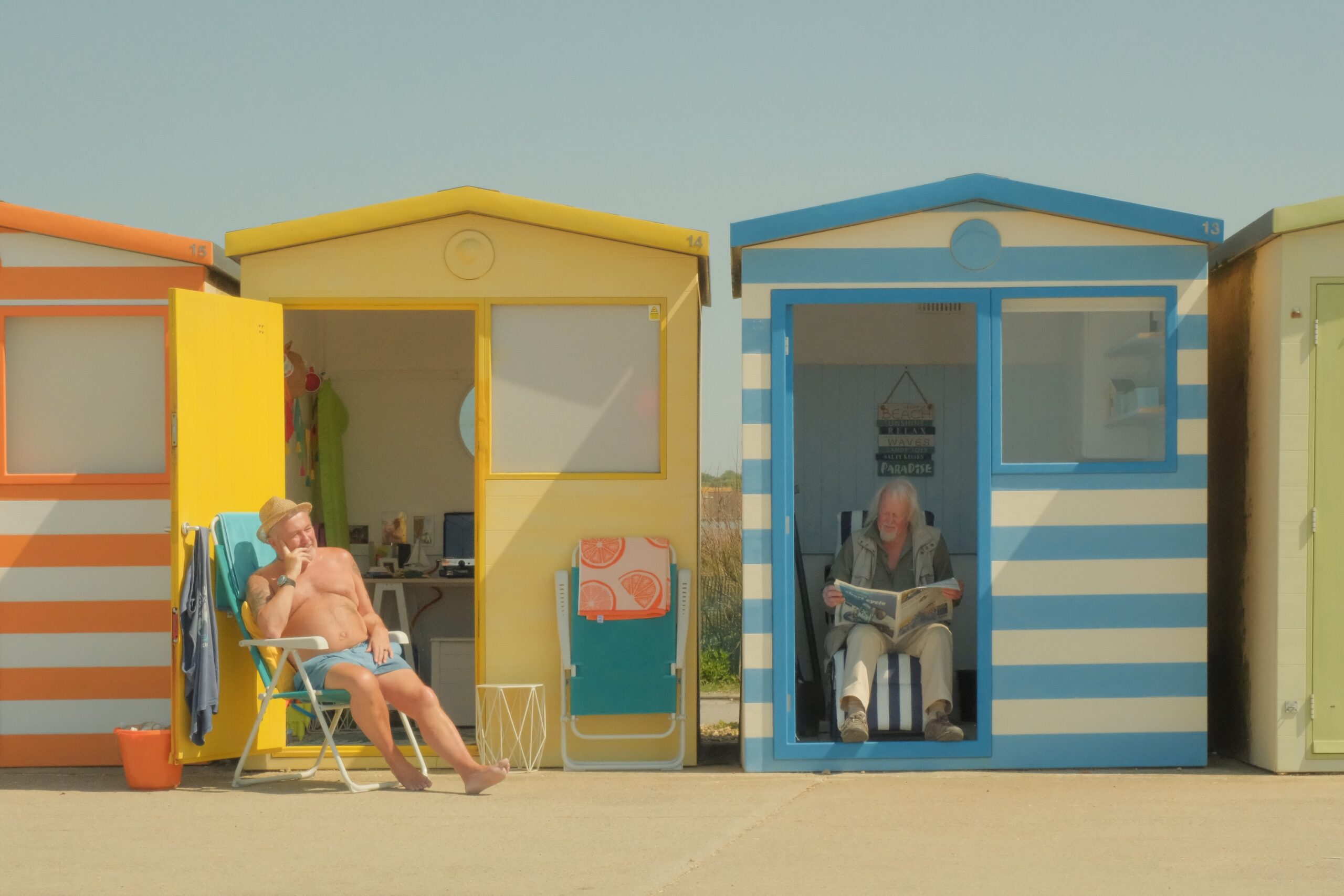
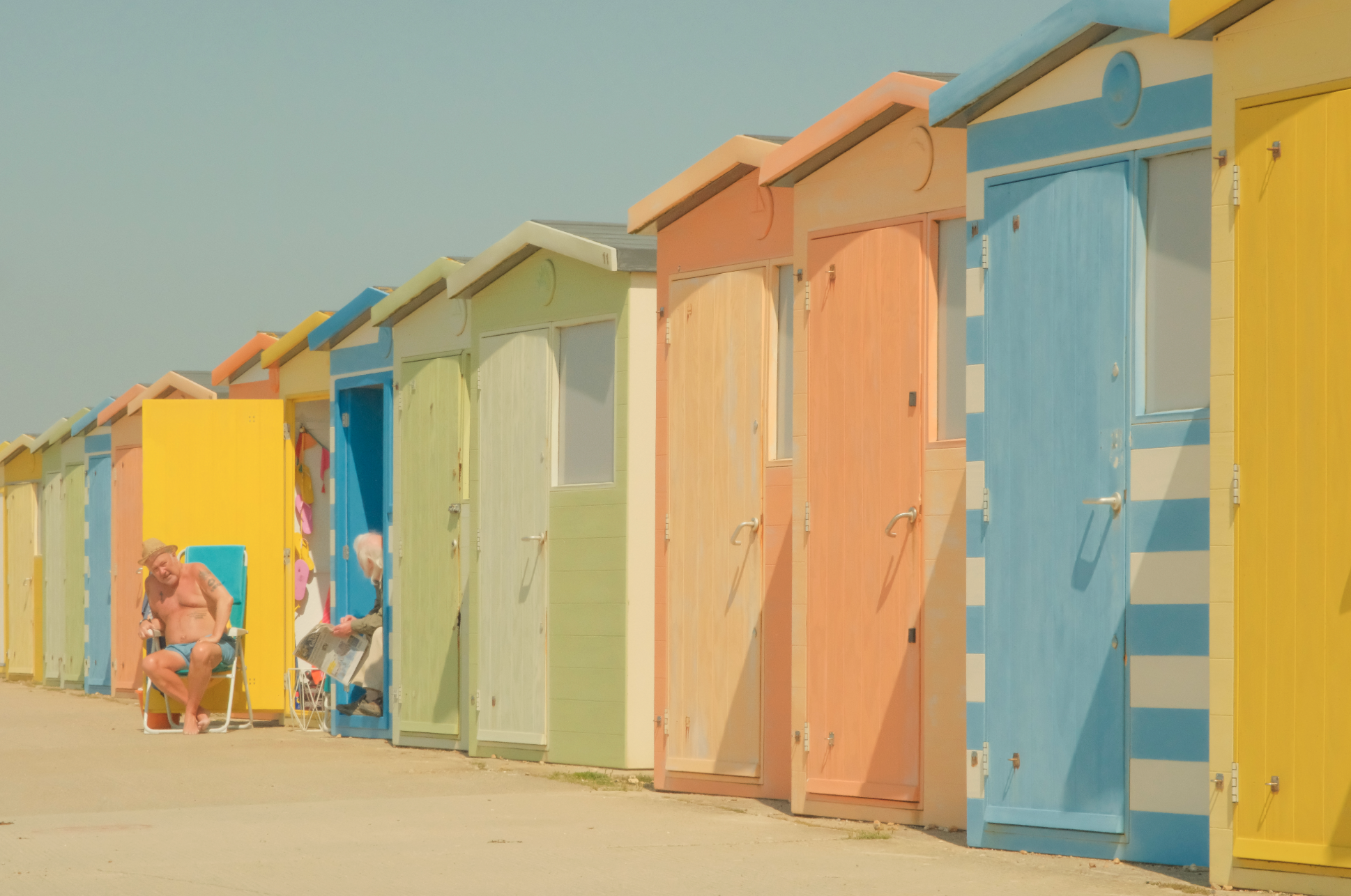
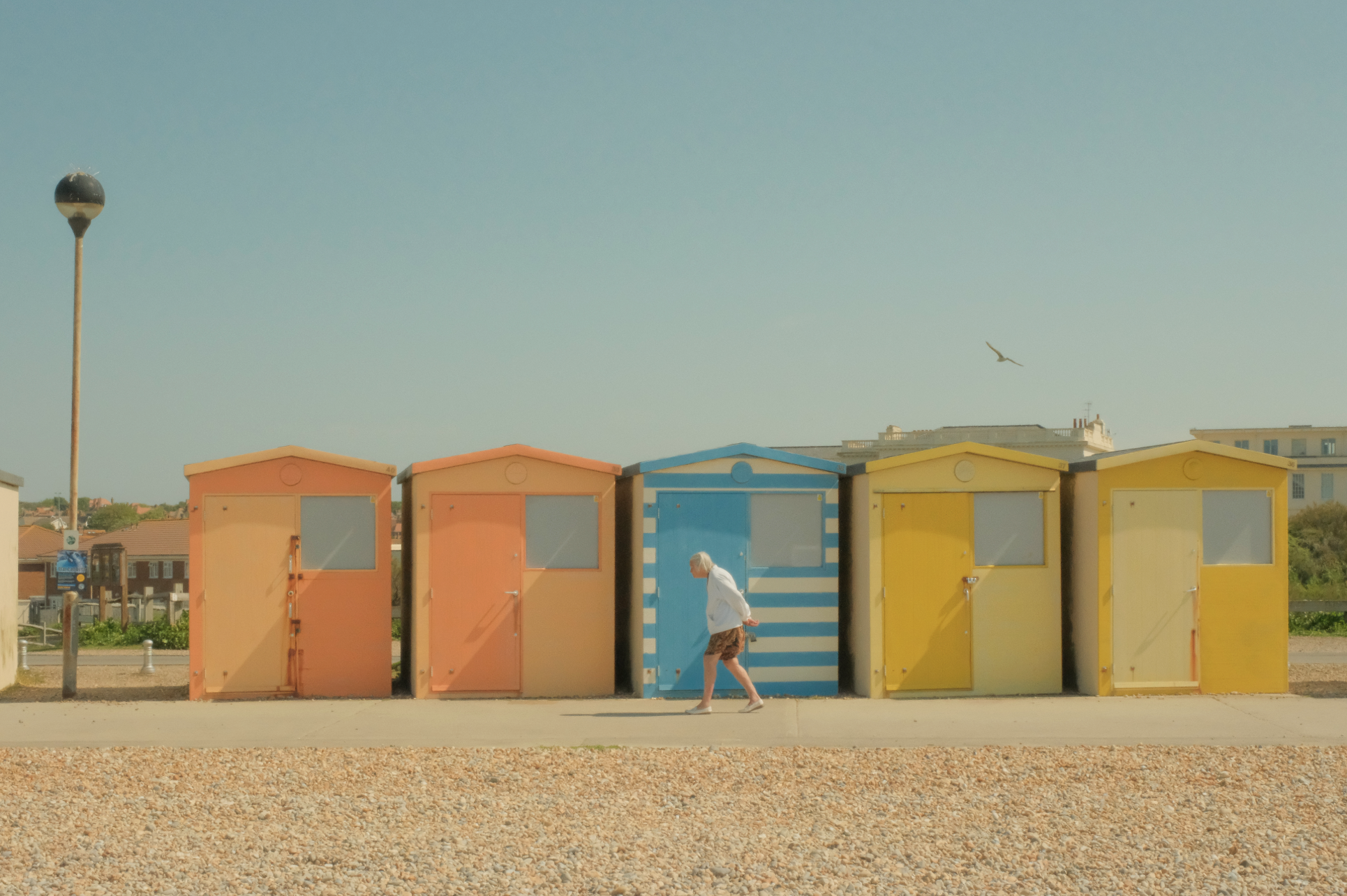
By day, Seaford Beach is a picture of coastal charm – waves rolling onto the pebbled shore, cliffs standing watch over sunbathers and seagulls. But in the 16th century, this coastline had a far more sinister reputation.
Locals were known as “The Shags of Seaford,” named after cormorants – opportunistic seabirds that snatch whatever the ocean offers up – and they didn’t earn that nickname by being friendly neighbors.
According to legend, some particularly … resourceful Seafordians didn’t leave wrecks to chance. They were said to place false lights along the cliffs, deliberately luring ships off course under the illusion of safe harbor. Vessels would crash against the treacherous rocks, spilling their precious cargo of silks, spices, wine, and timber into the water to ultimately be snatched up by the townsfolk waiting along the dark shoreline.
It is said that residents even slept with their windows open – not to enjoy the cool breeze, but so they wouldn’t miss the sound of a splintering hull against rocky shore. The moment a ship ran aground, locals sprung into action. Goods were salvaged, wealth was shared, and questions weren’t asked. Seaford’s reputation as a wrecker’s haven was set.
These days, the only lights along the cliffs are those of lighthouses, warning ships to steer clear rather than lure them in to danger. The town has swapped shipwrecking for sun-seeking, and the only treasure washing ashore now is driftwood and the occasional lost sandal. Beach huts now advertise “SALTY KISSES” and “PARADISE” – a slightly different kind of lure, and considerably less lethal.
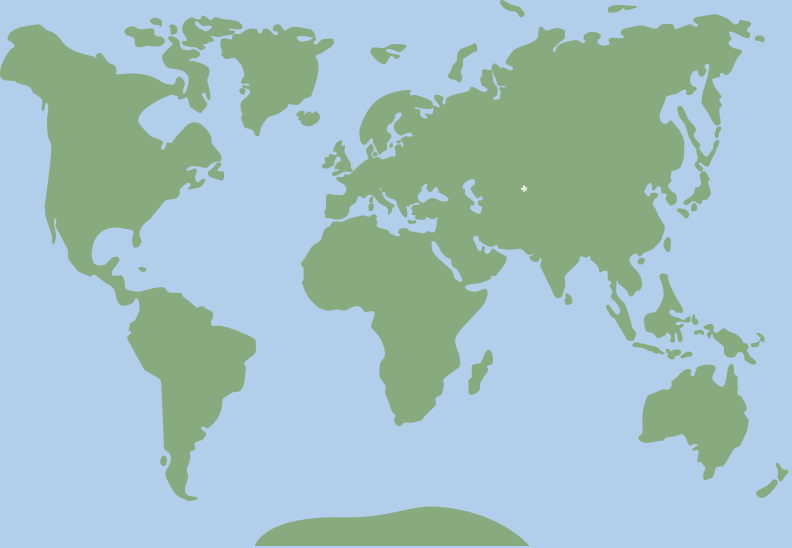 50.7734669, 0.101108
Partner


This royal palace in Oman is owned by the Sultan, who has retained the property through eight generations.
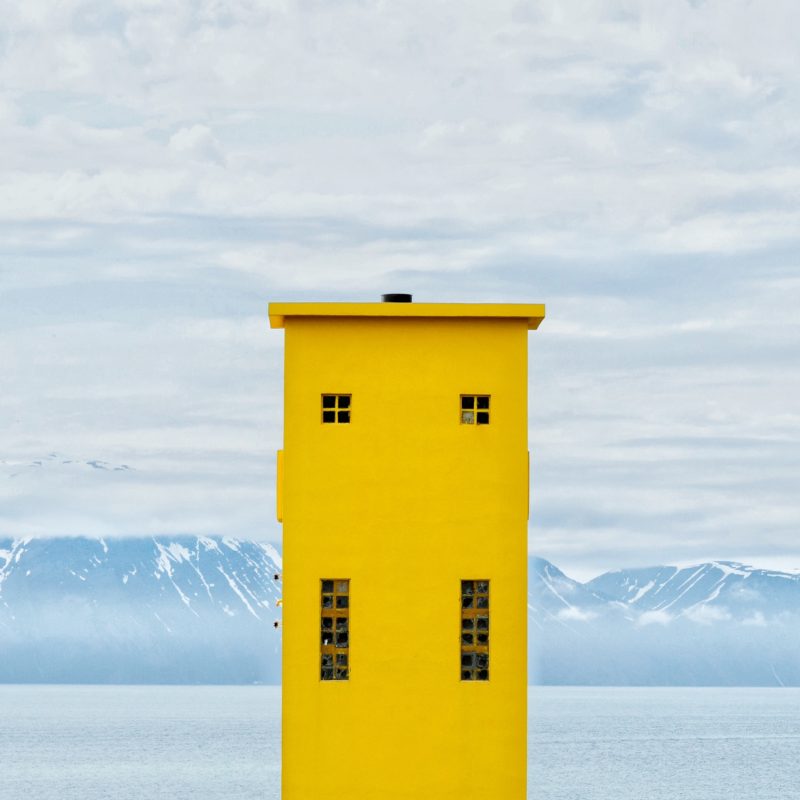
This semicircular-cylindrical light house guards a fishing village in Iceland.
Known locally as "the pregnant oyster," this center for the arts was a gift from the US to Berlin in 1957.
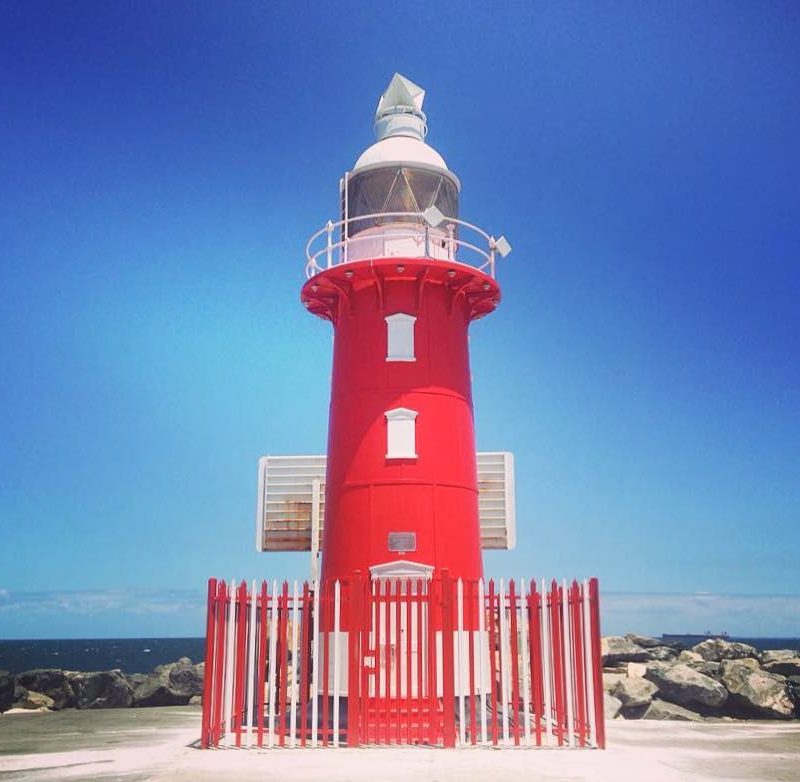
The North Mole Lighthouse is one of a pair of "twin" lighthouses found at the entrance to Fremantle Harbour in Western Australia.
This semicircular-cylindrical light house guards a fishing village in Iceland.
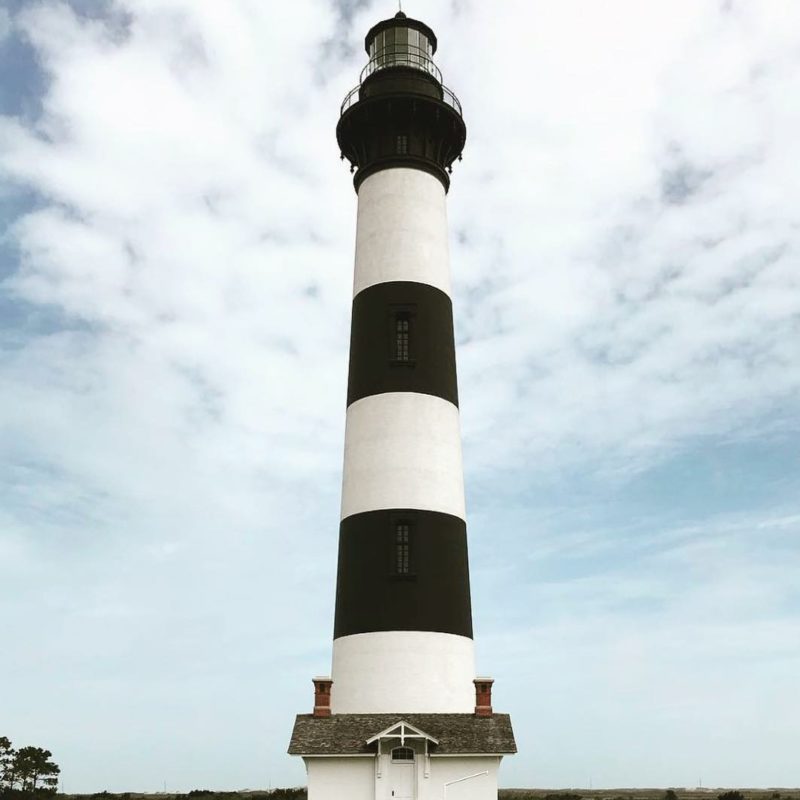
The 170-foot structure is one of only a dozen remaining tall, brick tower lighthouses in the United States.
AWA visted hereMax file size is 40MB. JPEGs are preferred.
You do not have permission to view this form.Need an account? Sign up
This site is protected by reCAPTCHA and the Google Privacy Policy and Terms of Service apply.

Know more? Share with the community!
Submit Your ImageLogin/Sign Up.