Login
Login
 login / signup









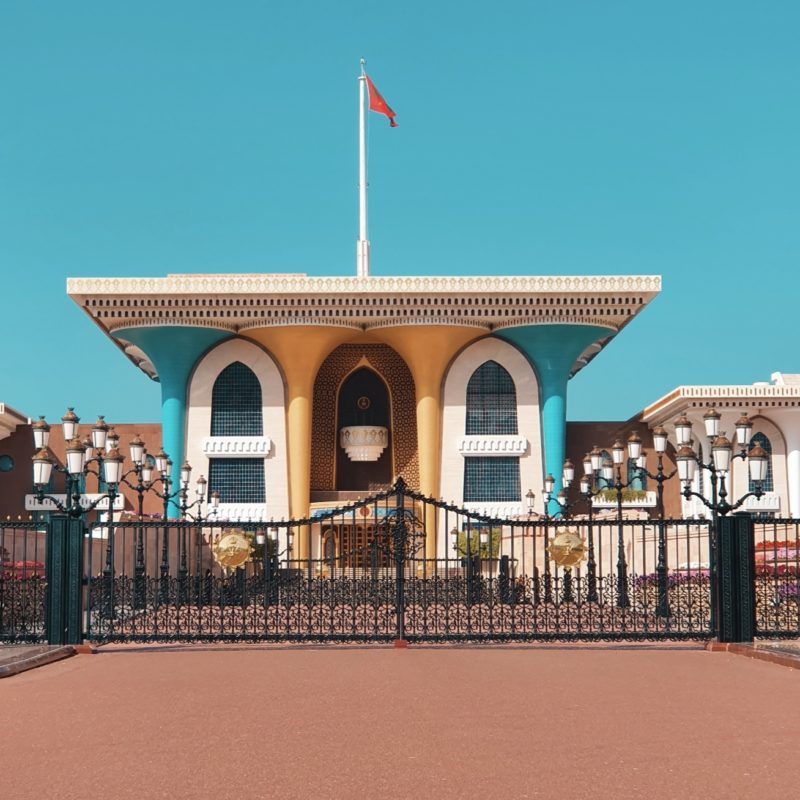
Muscat, Oman
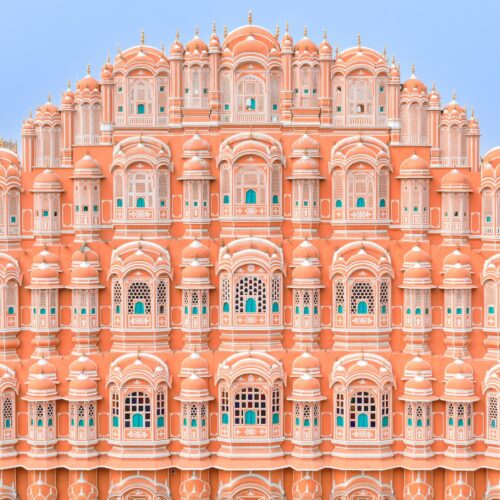
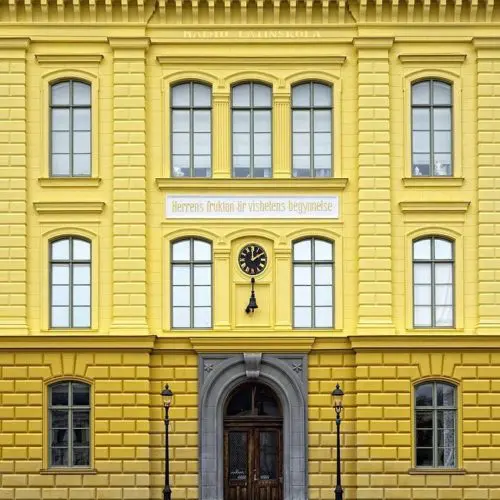
Al Alam Palace
This royal palace in Oman is owned by the Sultan, who has retained the property through eight generations.





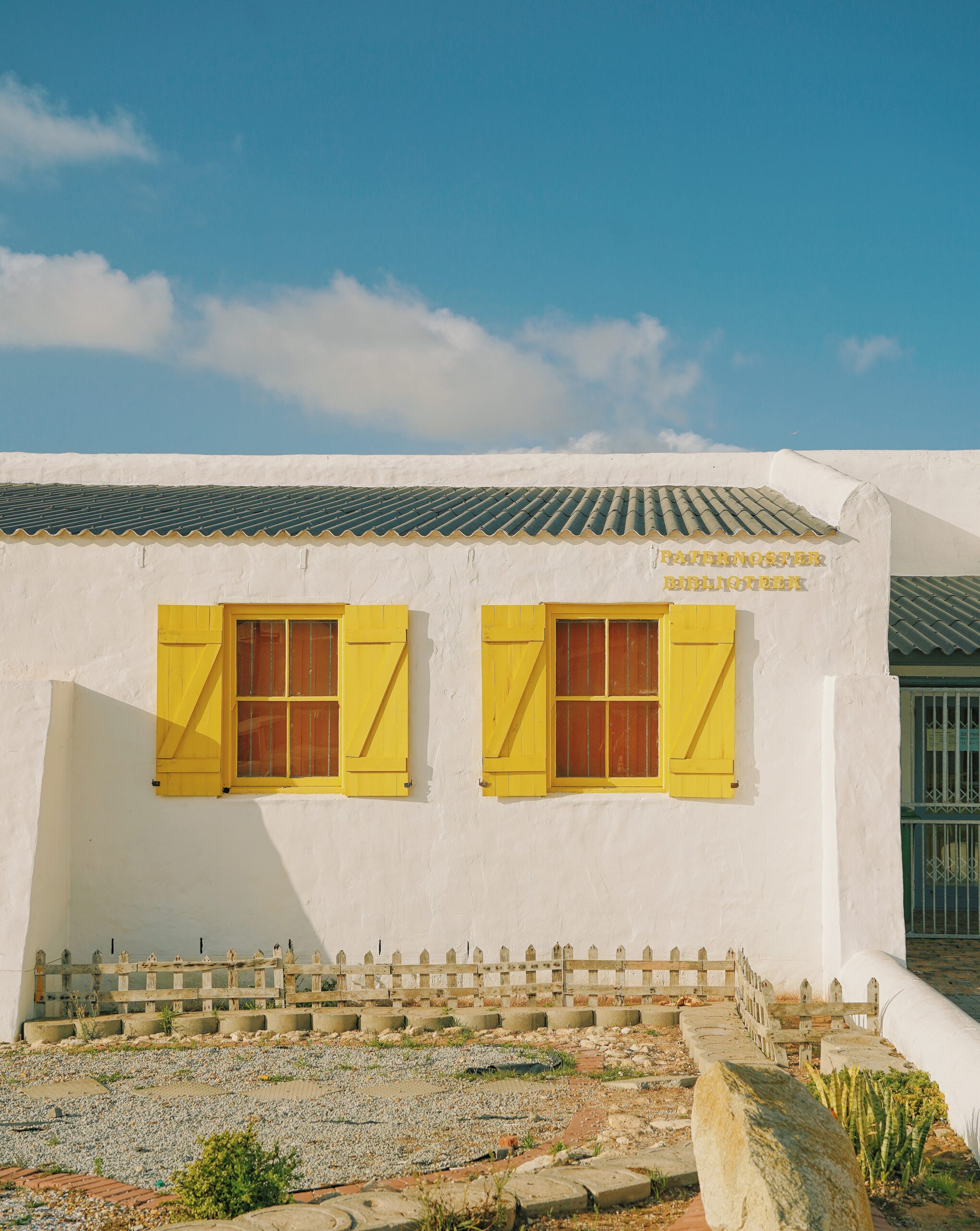
Paternoster, South Africa

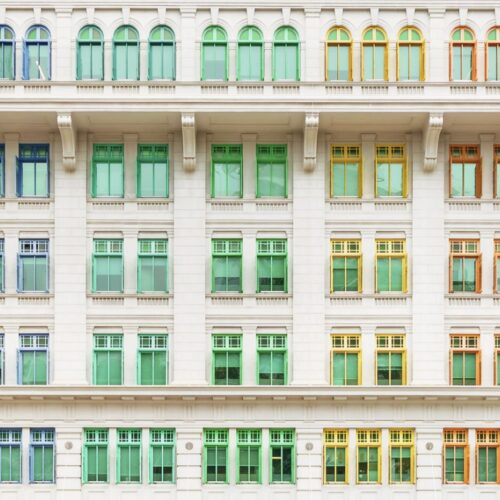
In a fishing village where every building wears the same white-washed limestone facade, a tradition dating back to 1863, there’s one structure that dares to break ranks. The Paternoster Biblioteek announces itself with vibrant yellow shutters, a splash of color in a sea of uniformity that locals describe as their visual landmark. While the village transforms into a tourist haven with boutique hotels and world-class restaurants, this small public library remains a quiet anchor for a community whose fishing traditions stretch back over 160 years.
The whitewashed look predates any zoning code. Long before 1863, the bay had already served nomadic hunter-gatherers for thousands of years before becoming a point for loading grain onto ships bound for Cape Town in the late 19th century. A lobster canning industry took hold in 1902, and the Cape Columbine Lighthouse went up in 1936, the last manned lighthouse South Africa ever built. Even the village’s name carries a legend: Latin for “Our Father,” supposedly first spoken by shipwreck survivors grateful to have made it to shore.
The whitewash also carries a harder history. Under the 1966 Group Areas Act, land in Paternoster was designated for whites only, and Black and Coloured residents were forcibly evicted from homes their families had built. Decades later, as West Coast property values climbed, those same whitewashed cottages became valuable real estate, priced well beyond what the fishing families who once lived there could afford. The library’s yellow shutters weren’t put there to make a point. They just happen to be the one thing in Paternoster that was never for sale.
 -32.8097708, 17.8948355
Partner


This royal palace in Oman is owned by the Sultan, who has retained the property through eight generations.
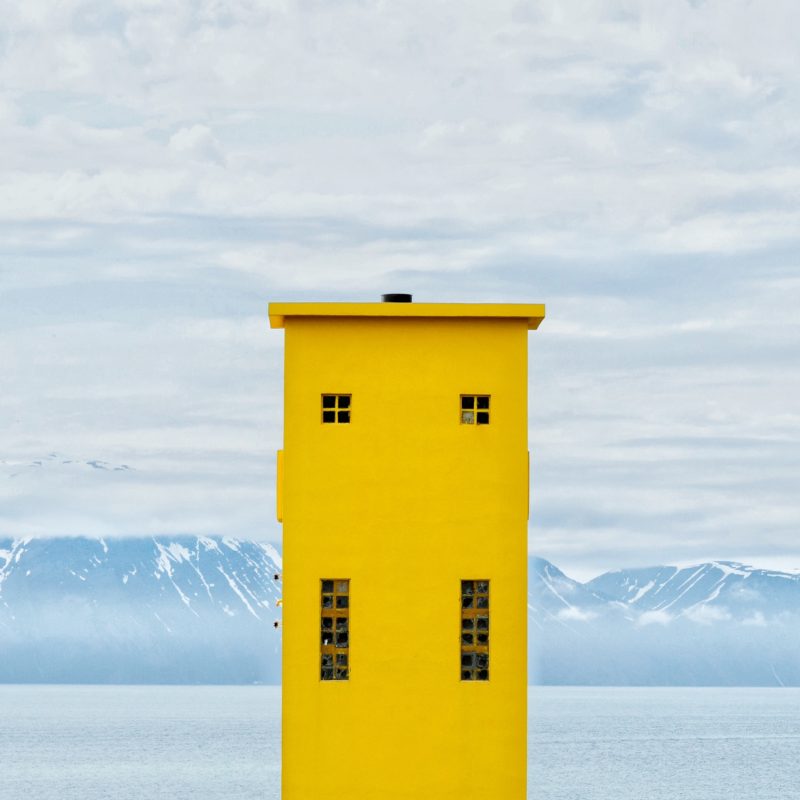
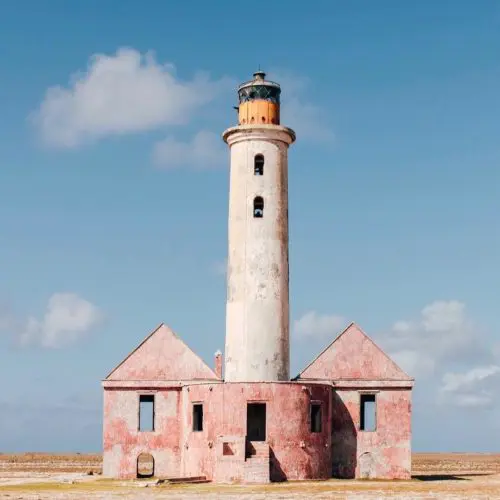
This semicircular-cylindrical light house guards a fishing village in Iceland.
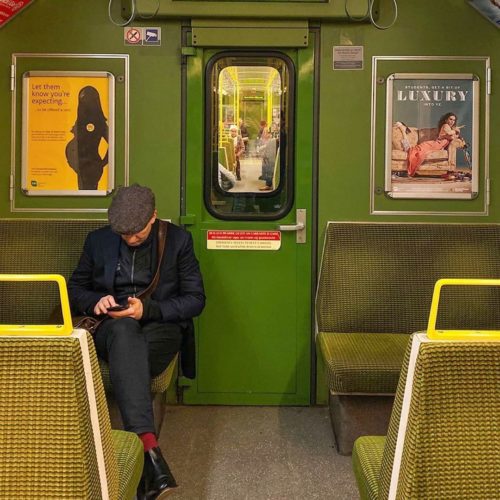
Known locally as "the pregnant oyster," this center for the arts was a gift from the US to Berlin in 1957.
Max file size is 40MB. JPEGs are preferred.
You do not have permission to view this form.