Login
Login
 login / signup










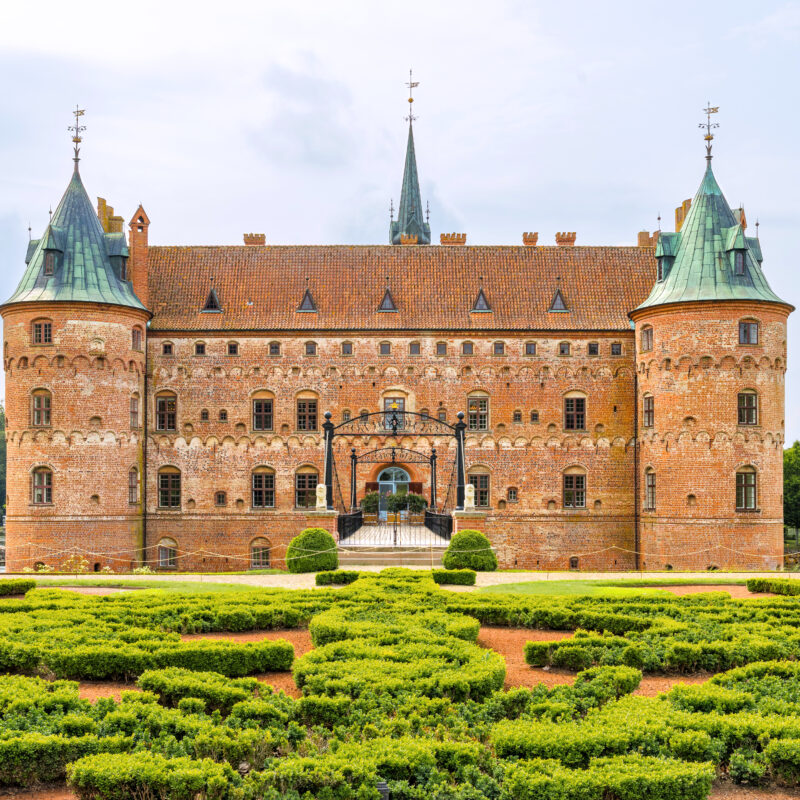

Funen, Denmark
Egeskov Castle
This floating castle appears to be from an enchanted fable, but in actuality it is Europe's best preserved Renaissance water castle.
AWA visted here
Presented with




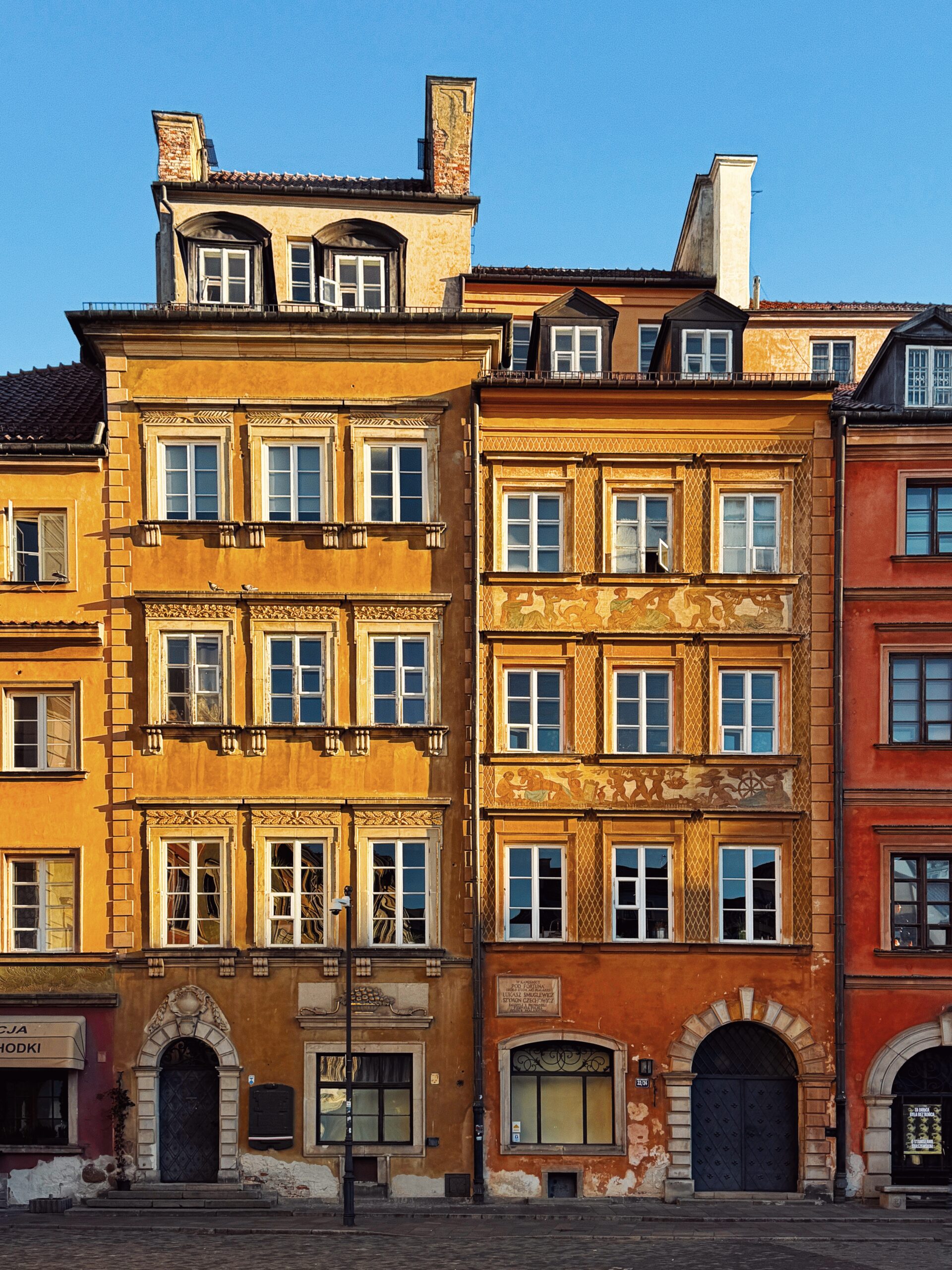
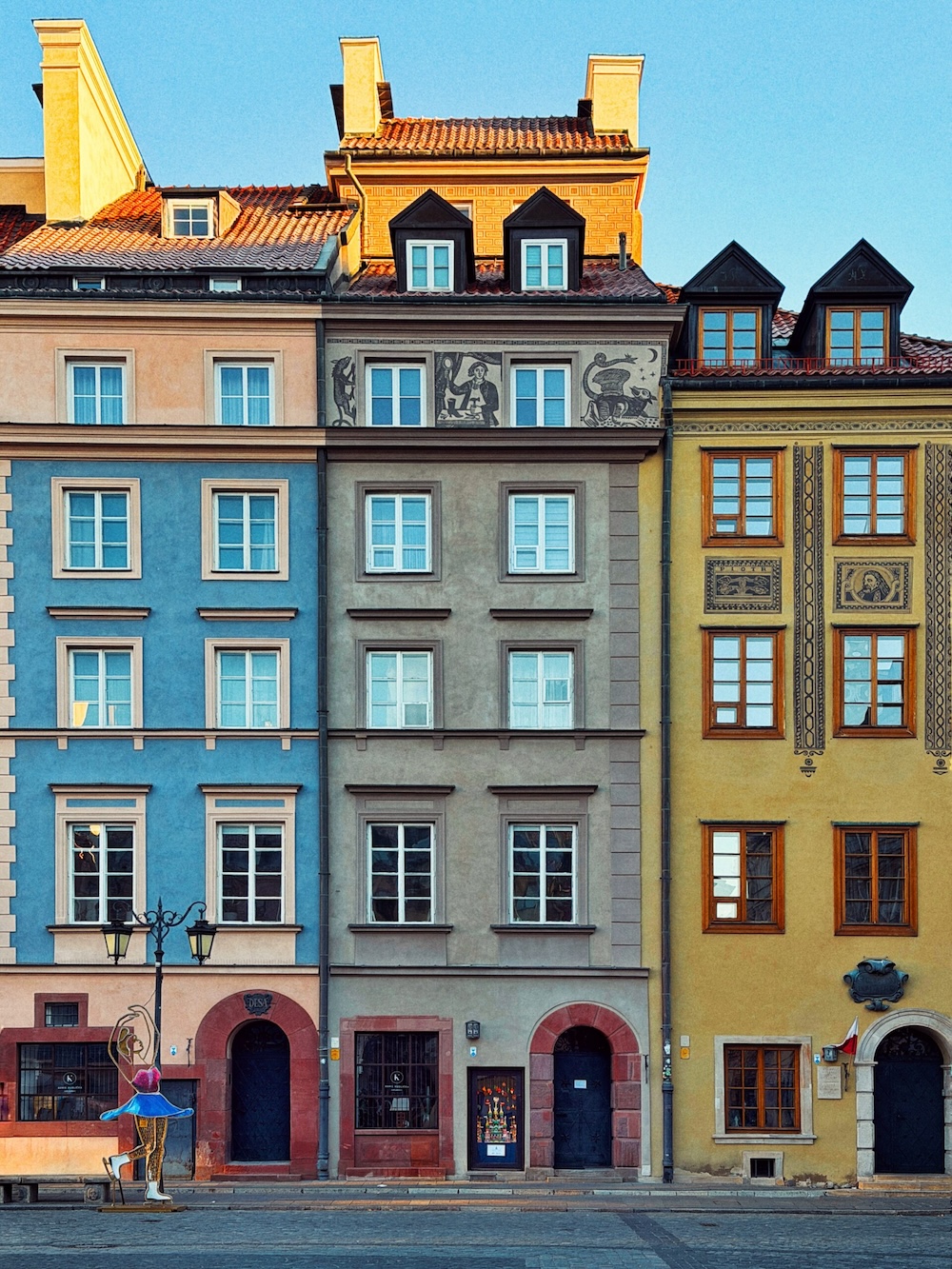
Warsaw, Poland | C.1955

Bernardo Bellotto captured Warsaw’s streets with near-photographic precision, he couldn’t have known his vedute would become architectural blueprints. After Nazi forces reduced over 85% of the Old Town to rubble in 1944, Polish architects turned to Bellotto’s obsessively detailed canvases, painted nearly 200 years earlier, to rebuild the city brick by brick. The result? In 1980, UNESCO inscribed Warsaw’s Old Town as a World Heritage Site not because it was old, but because the reconstruction itself was an outstanding achievement of humanity.
Bellotto himself was not entirely who Warsaw’s planners might have assumed. Trained by his uncle, Giovanni Antonio Canal, better known as Canaletto, he adopted the family name and spent his career working under it across the courts of Northern Europe, earning the nickname “Canaletto of the North.” The paintings he produced for King Stanisław August Poniatowski in the 1770s were precise enough that the Warsaw Reconstruction Office treated them as primary source material, cross-referencing his brushwork against salvaged bricks, pre-war photographs, and the memory of residents who had watched the city burn. Most of the rebuilding was finished by 1955, though work continued into the 1980s.
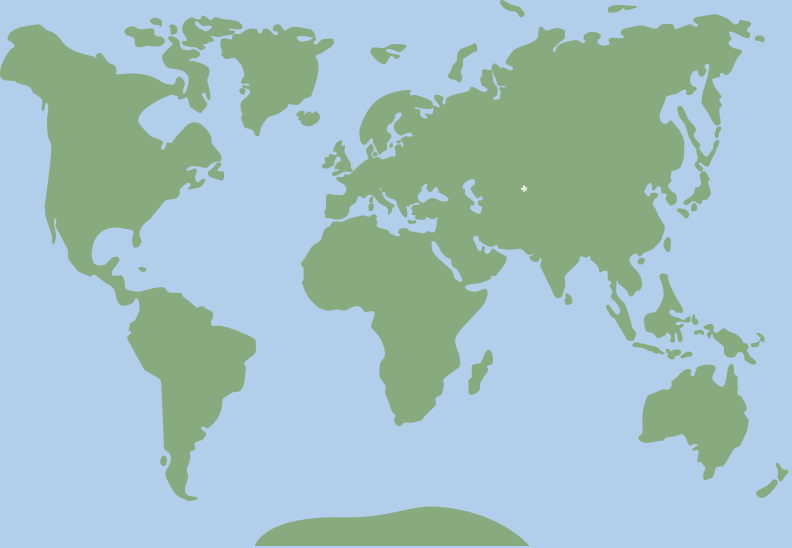 52.2296756, 21.0122287
Partner


This floating castle appears to be from an enchanted fable, but in actuality it is Europe's best preserved Renaissance water castle.
AWA visted here
This resilient theater has weathered two destructive fires, and continues to be one of the most important cultural centers throughout Spain.
Uditore Fabrizio Grech would say this 1745 country house was built for his daughter, but it was in fact constructed to silence critics of his wealth.
Max file size is 40MB. JPEGs are preferred.
You do not have permission to view this form.