Login
Login
 login / signup











Funen, Denmark
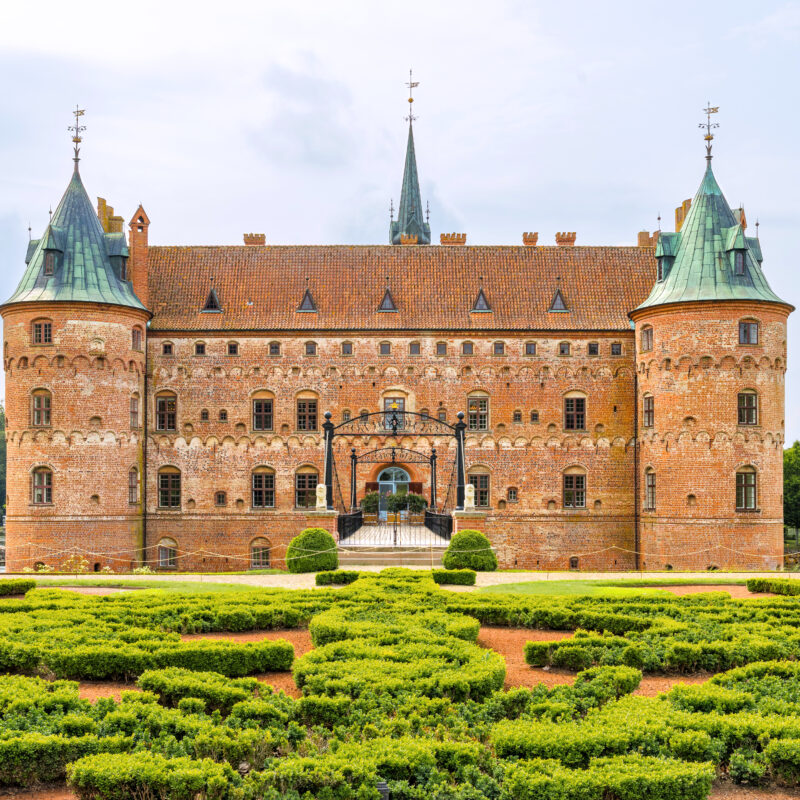
Egeskov Castle
This floating castle appears to be from an enchanted fable, but in actuality it is Europe's best preserved Renaissance water castle.
AWA visted here
Presented with






Vienna, Austria | C.1917

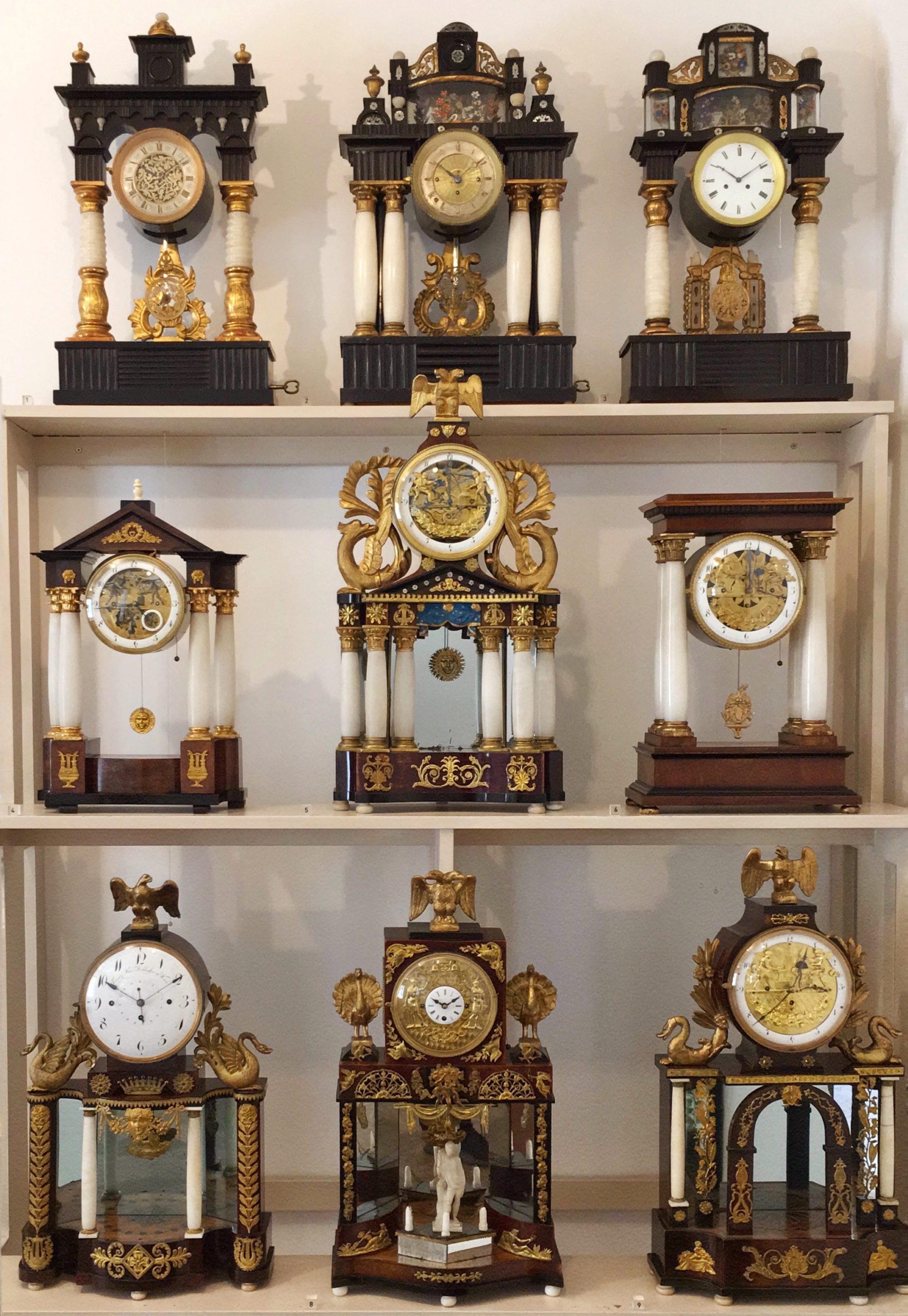
Inside the Palais Obizzi sits the foundation of what became the world’s first clock museum: a collection of 10,000 timepieces originally stashed in a Viennese sanatorium by an obsessive schoolteacher named Rudolf Kaftan. When the building was slated for demolition in 1917, the city swooped in, purchased the lot, and opened the Uhrenmuseum in 1921.
Shortly after, Marie von Ebner-Eschenbach’s collection came up for grabs — her heirs gave the city a deadline: raise 301,000 Kronen by July 15, 1917, or lose it. They pulled it off thanks to donations from wealthy Viennese business magnates. The star of the collection: an astronomical clock completed in 1769 by Frater David Cajetano, a Discalced Augustinian monk who studied mathematics, mechanics, and astronomy in Vienna, then applied his knowledge to create a clock with a universal calendar illustrating planetary movements, day length, and sunset times. Every hour, all three floors erupt in a symphony of hundreds of clocks chiming in unison.
Looking to read more about this area of the world? This location exists in a guide:
Read the Guide 48.2108436, 16.3693423
This floating castle appears to be from an enchanted fable, but in actuality it is Europe's best preserved Renaissance water castle.
AWA visted here
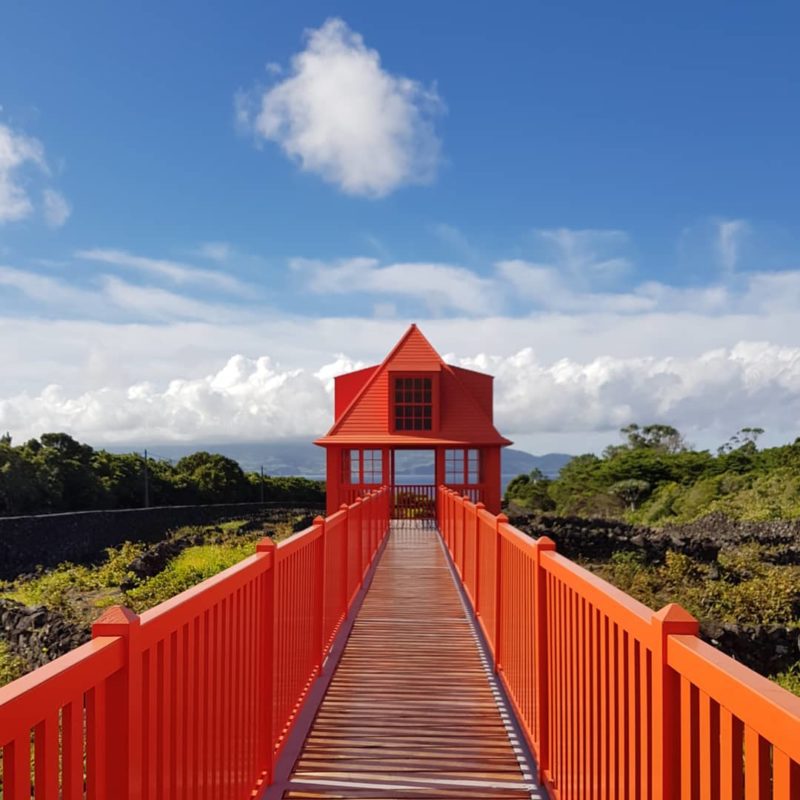
Surrounded by scenic views and ancient dragon forests, this Portuguese museum is dedicated to the love of wine.
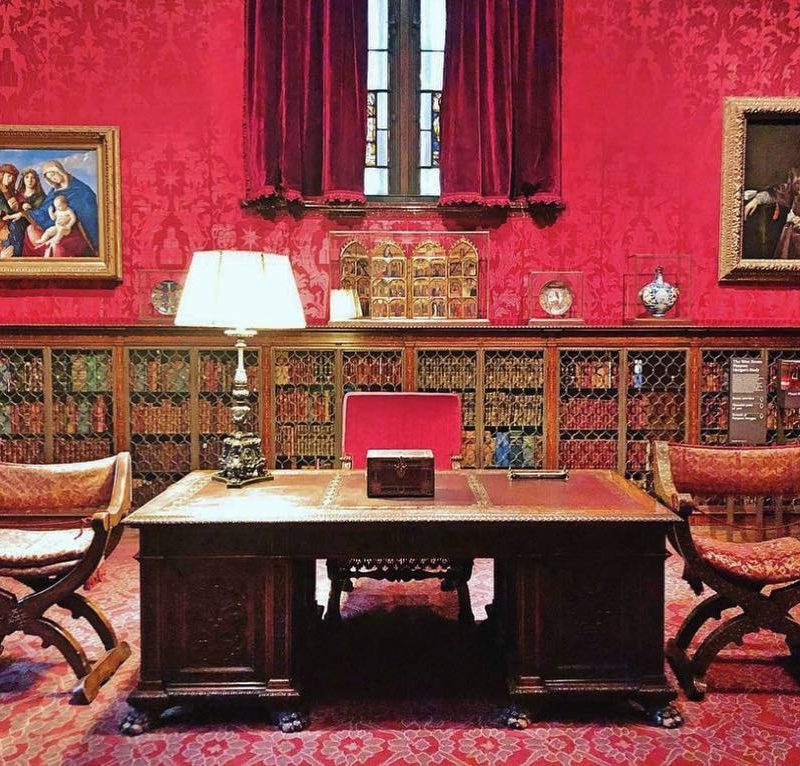
From the CommunityThe Morgan Library & Museum, once the private office and library of financier J.P. Morgan, is now a museum and scholarly research center in New York City.
Max file size is 40MB. JPEGs are preferred.
You do not have permission to view this form.