Login
Login
 login / signup










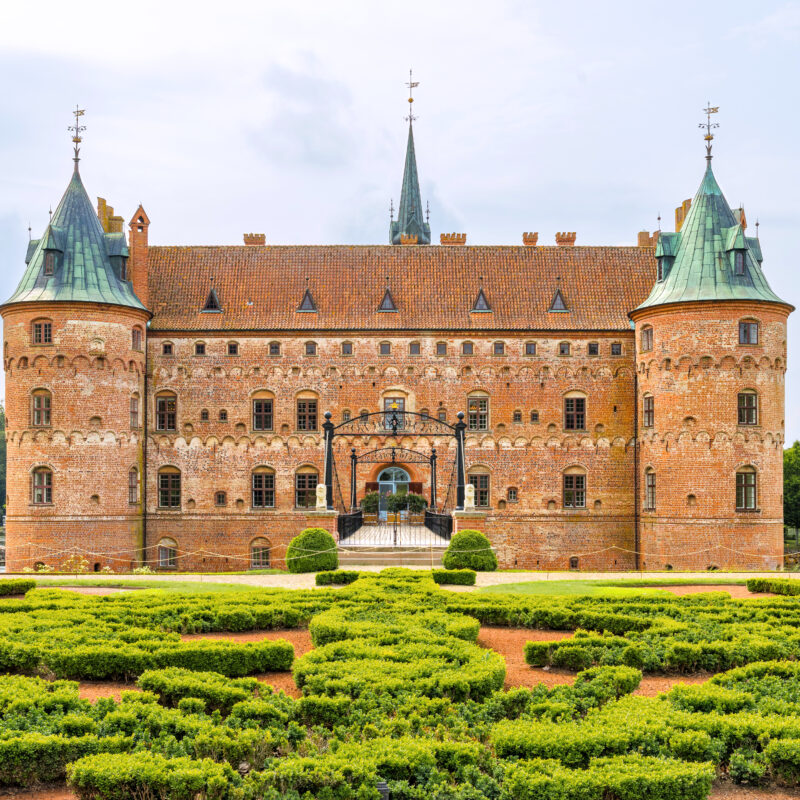

Funen, Denmark
Egeskov Castle
This floating castle appears to be from an enchanted fable, but in actuality it is Europe's best preserved Renaissance water castle.
AWA visted here
Presented with



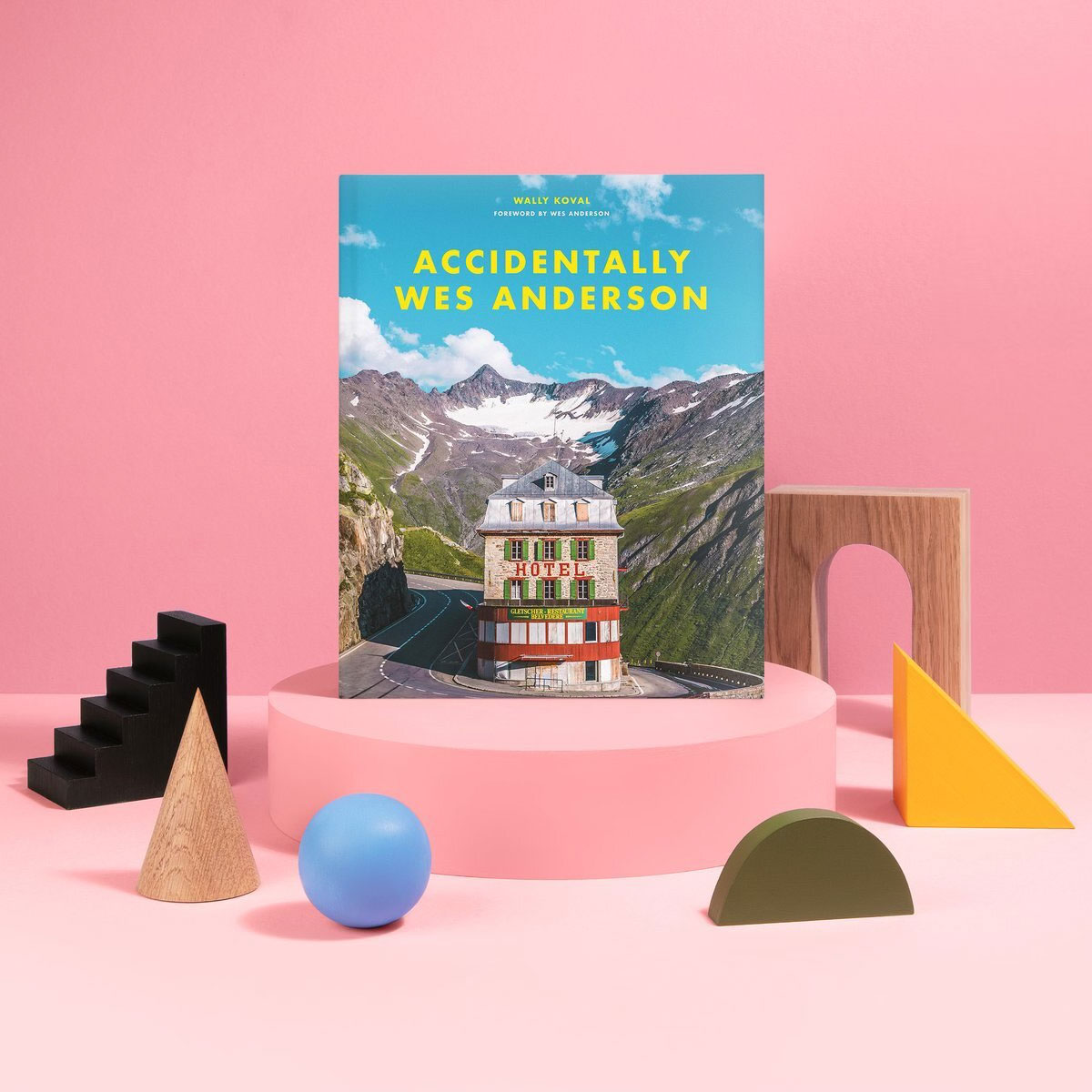


Beaune, France | C.1857

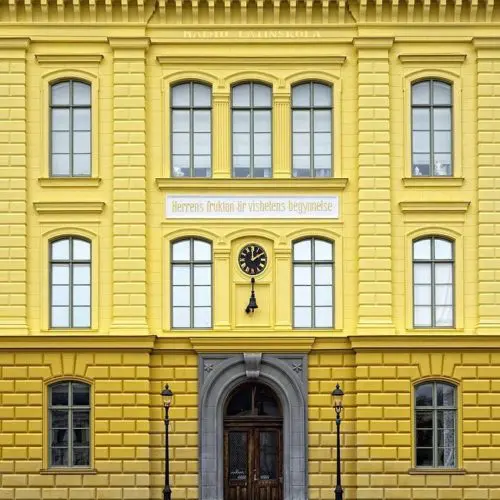
The decree came from the Emperor himself in 1856: Beaune would have a proper palais de justice, and it would go up exactly where convenience dictated. Architect Jean-Philippe Suisse and contractor Bourgoin-Jomain broke ground in 1857, positioning the new courthouse directly opposite the prison that had occupied the former Carmelite convent grounds since 1851. A new street, Rue du Tribunal, was carved out to formalize the relationship. Underground, a tunnel did the rest of the work, allowing the accused to travel from cell to courtroom without troubling the citizens of Burgundy with the sight of them.
The cornerstone ceremony, held that December, was attended by the sous-préfet, the clergy, assorted notables, and a priest from Notre-Dame who offered a prayer for the building’s future occupants, who would not be consulted on whether they wanted one. A bottle containing the ceremony’s official record and a sample of the era’s coinage was sealed into the foundation, a time capsule for a building whose principal function was to process people as efficiently as possible.
That efficiency had its limits. The prison’s roster over the following century included Pierrot le Fou, the nickname attached to more than one notorious French criminal and applied here without much concern for which one history would prefer to claim. The convent’s Carmelites, presumably, had different ambitions for the property.
The prison came down in 1986. The courthouse stayed, proof that in Beaune, justice outlasts everything except the people it was built for.
 47.0231411, 4.8404481
Partner


This floating castle appears to be from an enchanted fable, but in actuality it is Europe's best preserved Renaissance water castle.
AWA visted here
This resilient theater has weathered two destructive fires, and continues to be one of the most important cultural centers throughout Spain.
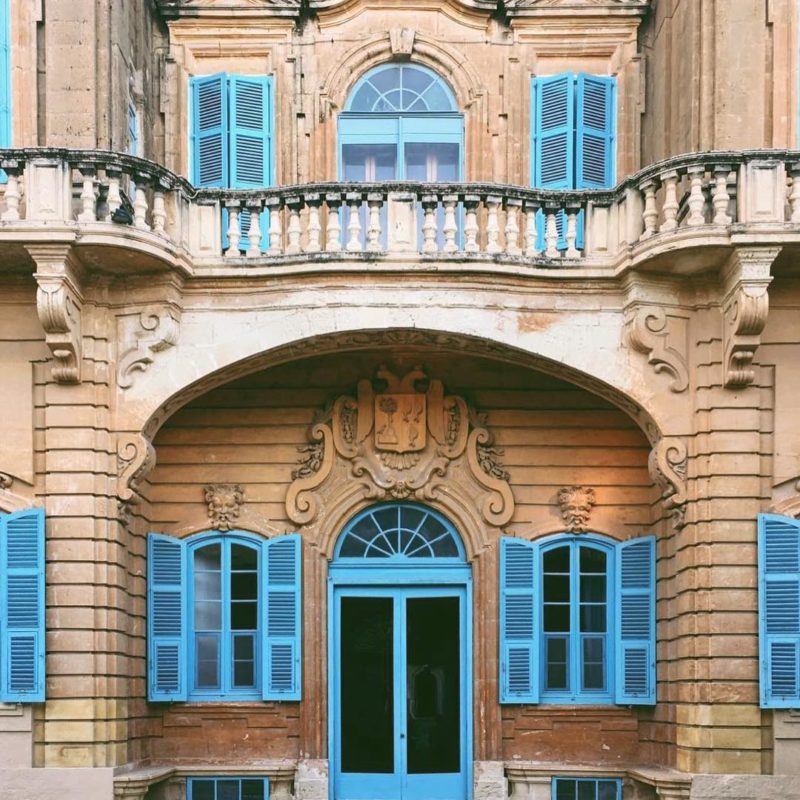
Uditore Fabrizio Grech would say this 1745 country house was built for his daughter, but it was in fact constructed to silence critics of his wealth.
Max file size is 40MB. JPEGs are preferred.
You do not have permission to view this form.