Login
Login
 login / signup



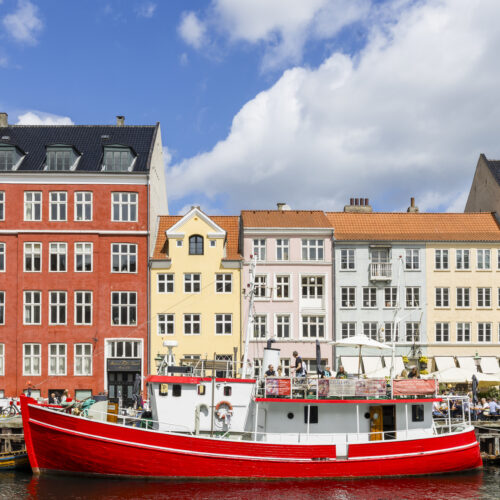



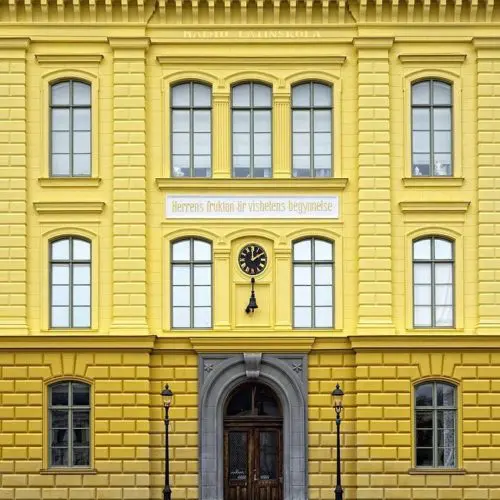

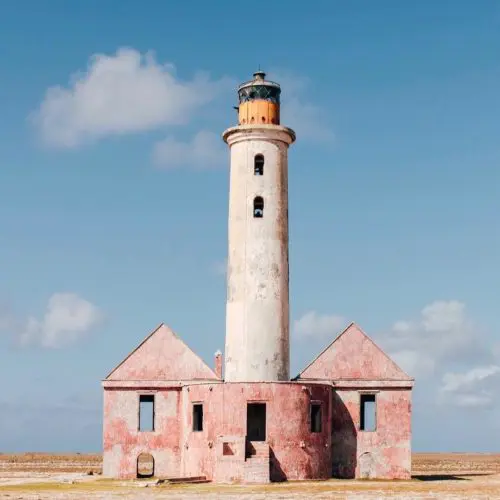






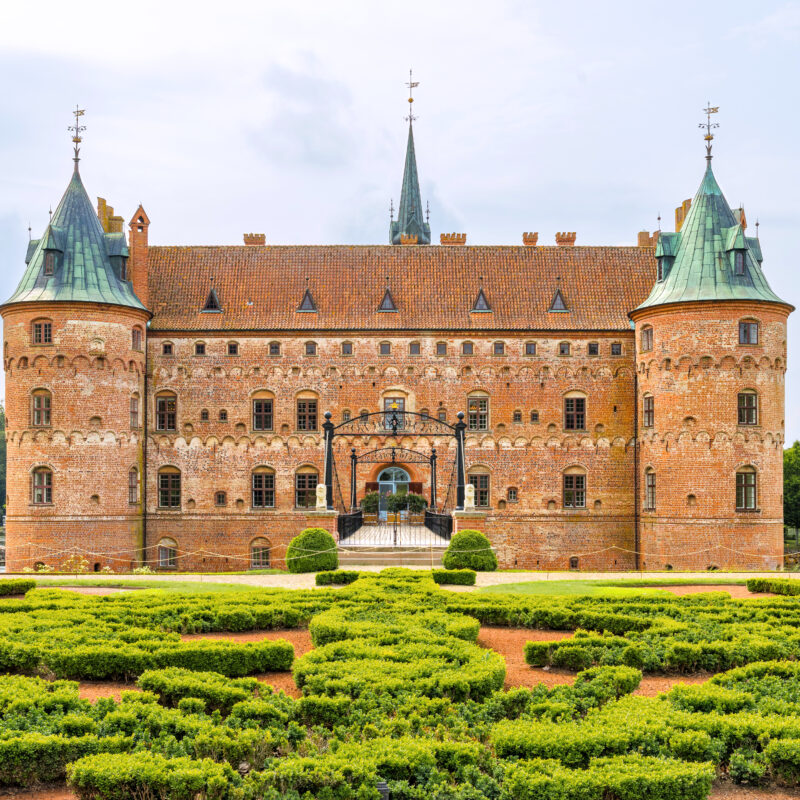

Funen, Denmark
Egeskov Castle
This floating castle appears to be from an enchanted fable, but in actuality it is Europe's best preserved Renaissance water castle.
AWA visted here
Presented with






Edinburgh, United Kingdom | C.1511

Partner
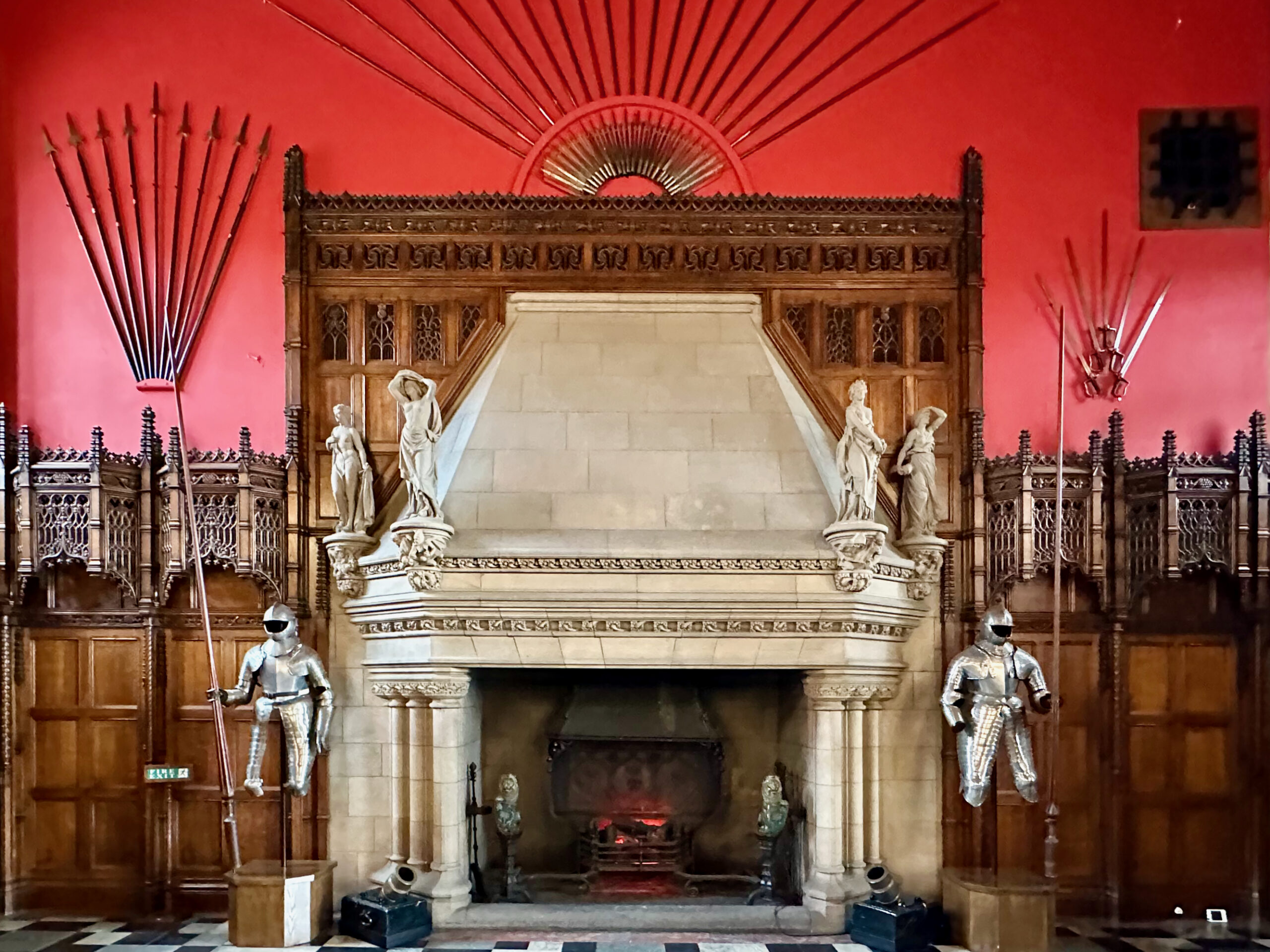
James IV started building the Great Hall in 1509, shortly after marrying into the House of Tudor, and imported oak from Norway because Scotland’s own trees weren’t up to the job. The result was a hammerbeam roof still ranked among the finest in Britain, its corbels carved with thistles and a rose to mark the new alliance with England. The hall was finished in 1511.
James had two years to enjoy it. In 1513 he marched to Flodden and died fighting the army of Henry VIII, his brother-in-law.
Cromwell’s troops took the castle in 1650 and moved soldiers in. The arrangement became official in 1737, when six rooms across three floors were built to fit 312 men. A military hospital took over once the New Barracks opened around 1800, and stayed one for nearly a century.
Somewhere in the process, the roof disappeared behind a false ceiling. It stayed hidden until Hippolyte Blanc’s restoration, between 1887 and 1891, stripped the partitions out and found the timbers still pegged together, without a single nail. Four centuries of soldiers and patients slept under that roof without once knowing what was above them.
 55.9488399, -3.196413
Partner


This floating castle appears to be from an enchanted fable, but in actuality it is Europe's best preserved Renaissance water castle.
AWA visted here
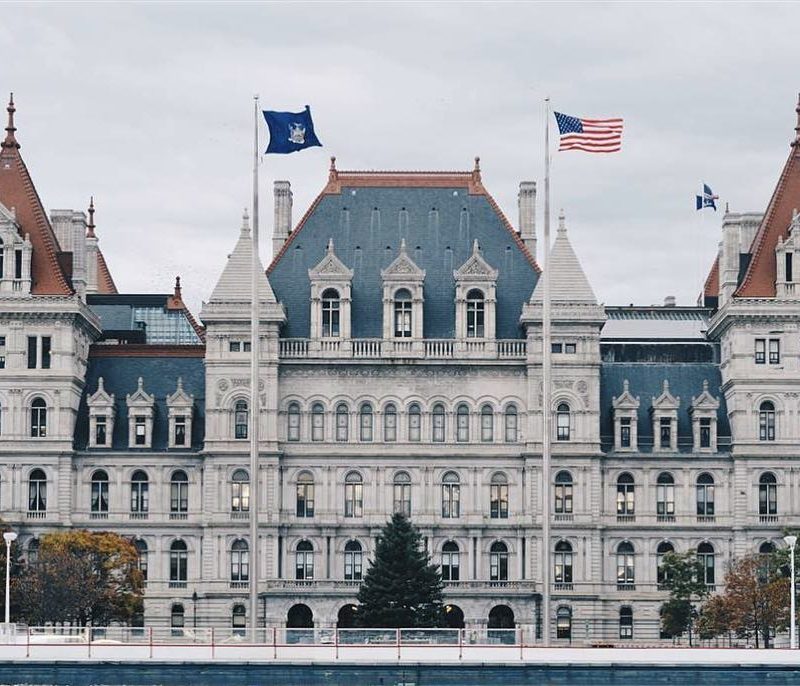
This state capitol building, constructed by three architects in different styles, still stands today thanks to an exterior staircase supporting the Eastern façade.
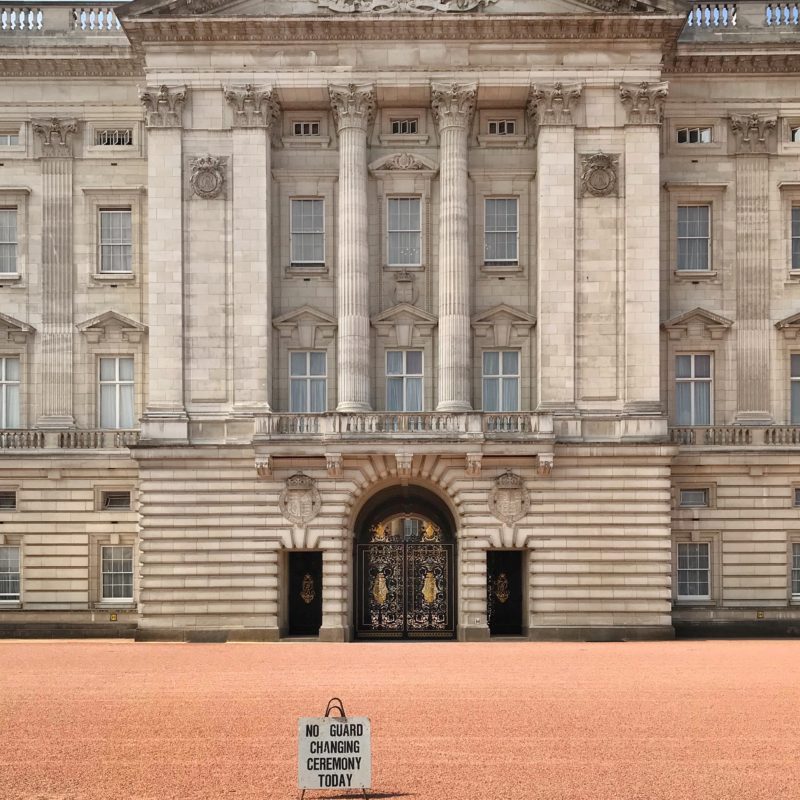
This fixture of British culture was nearly destroyed in World War II after five German bombs were dropped on the palace on Friday the 13th, 1940.
From the CommunityMax file size is 40MB. JPEGs are preferred.
You do not have permission to view this form.