Login
Login
 login / signup













Funen, Denmark
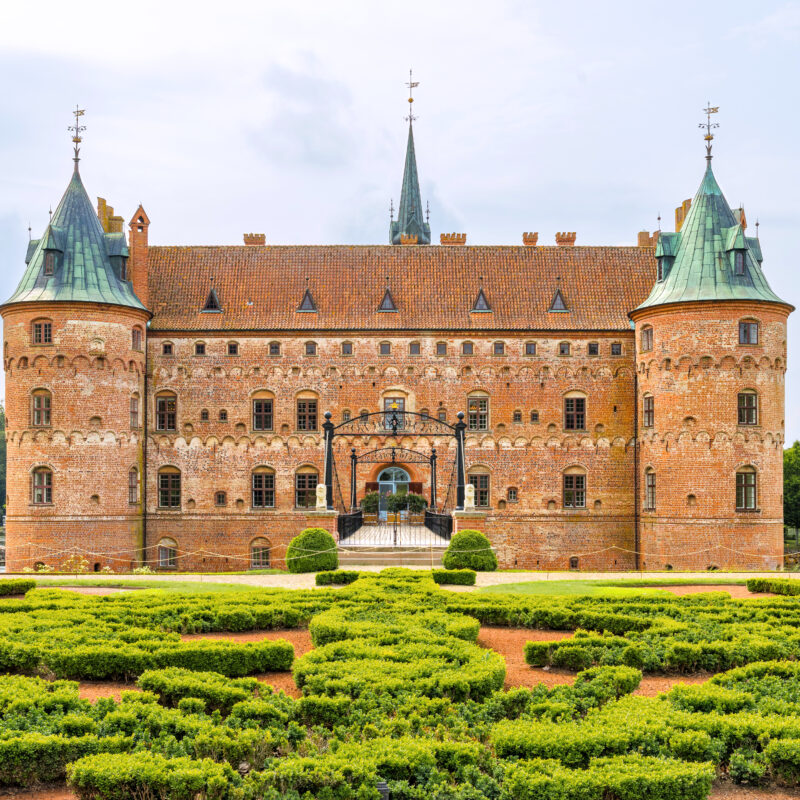
Egeskov Castle
This floating castle appears to be from an enchanted fable, but in actuality it is Europe's best preserved Renaissance water castle.
AWA visted here
Presented with






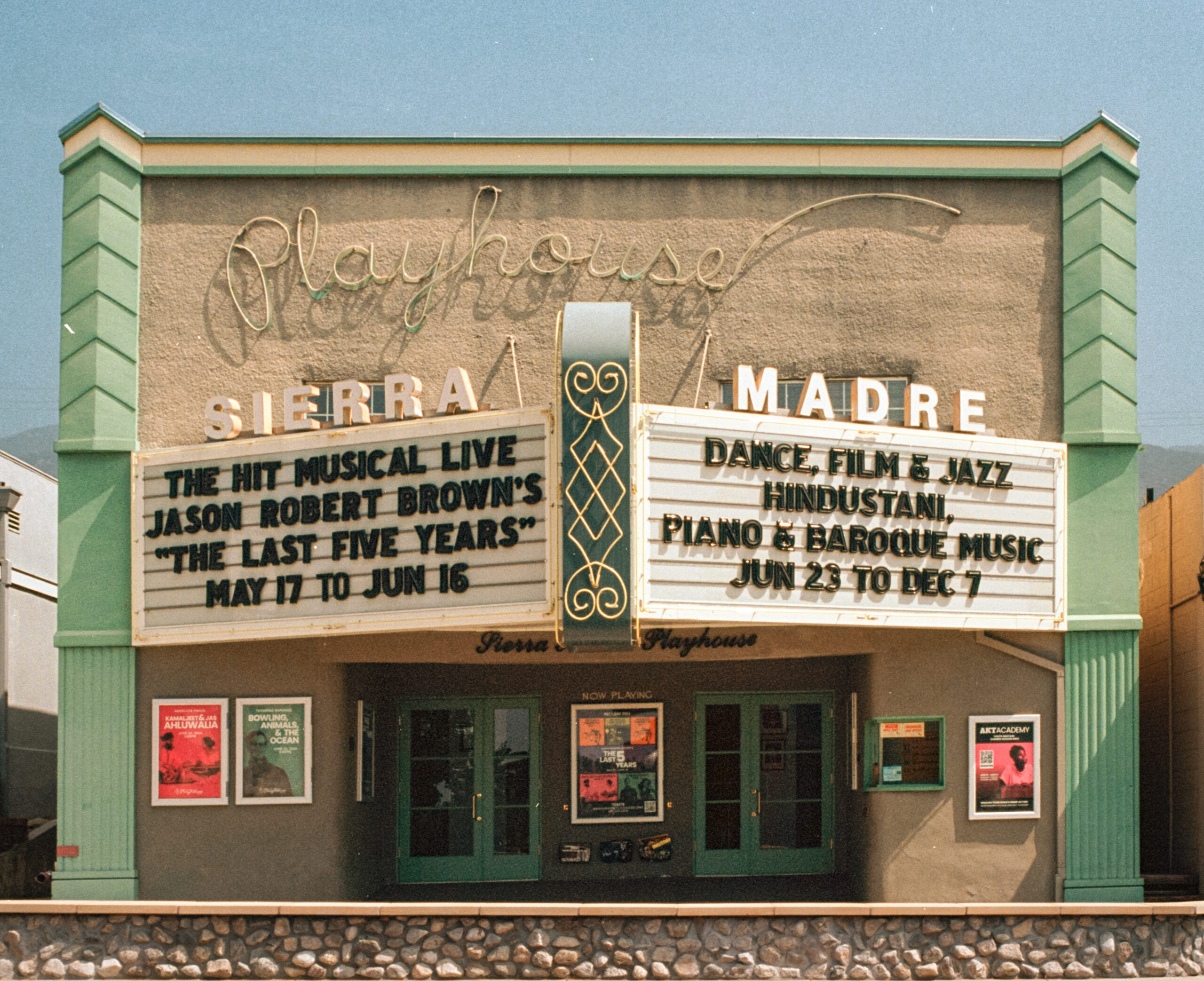
Sierra Madre, California | C.1924

Before audiences swooned over silent film stars, the building housed the Burgien Brothers’ furniture emporium. When it opened as the Wistaria Theatre in 1924, it seated 390 for silents with live piano accompaniment. By the 1930s, talkies expanded capacity to 1,200 seats stretching to the curb: no lobby, just a balcony and dreams. A fire from those terrifying carbon arc projectors forced a reckoning. The space reinvented itself as the Bogart Theatre in 1968, screening Bergman and art house fare, before live theater claimed it in the 1970s. A century later, Christopher Nolan’s cameras rolled here, transforming it into a 1939 Berkeley cinema for Oppenheimer.
That centennial is now something Sierra Madre Playhouse is marking deliberately, returning to its origins with a silent film festival that collapses a hundred years into a single program. The 2026 season looks forward just as ambitiously, with eight Los Angeles dance companies sharing the stage in a rotating showcase that turns the intimate venue into something closer to a festival hub than a neighborhood playhouse. It is a fitting evolution for a theater that has never stayed still: known by multiple names, claimed by multiple art forms, and occasionally by Hollywood production designers in need of a room that still looks like 1939. What has kept it alive where countless others closed is harder to name than any single reinvention: something closer to a stubbornness about remaining useful, whether to a community that needed live performance, a filmmaker who needed the right ceiling, or an audience ready to remember what it felt like when the piano started and the screen flickered on.
 34.1621099, -118.054648
Partner


This floating castle appears to be from an enchanted fable, but in actuality it is Europe's best preserved Renaissance water castle.
AWA visted here
A one-night stay at the Stanley Hotel sparked the inspiration for Stephen King's The Shining.
AWA visted here
For over 70 years this city hall has operated as the political and civic center of Aarhus, Denmark, and continues to be a symbolic representation of democracy.
Bubbling deep beneath the heart of Budapest—also known as “the city of baths”—is nature’s hot tub: geothermal springs enriched with healing minerals.
From the CommunityFor over 70 years this city hall has operated as the political and civic center of Aarhus, Denmark, and continues to be a symbolic representation of democracy.
Known locally as "the pregnant oyster," this center for the arts was a gift from the US to Berlin in 1957.
Max file size is 40MB. JPEGs are preferred.
You do not have permission to view this form.