
 Login
Login
 login / signup



















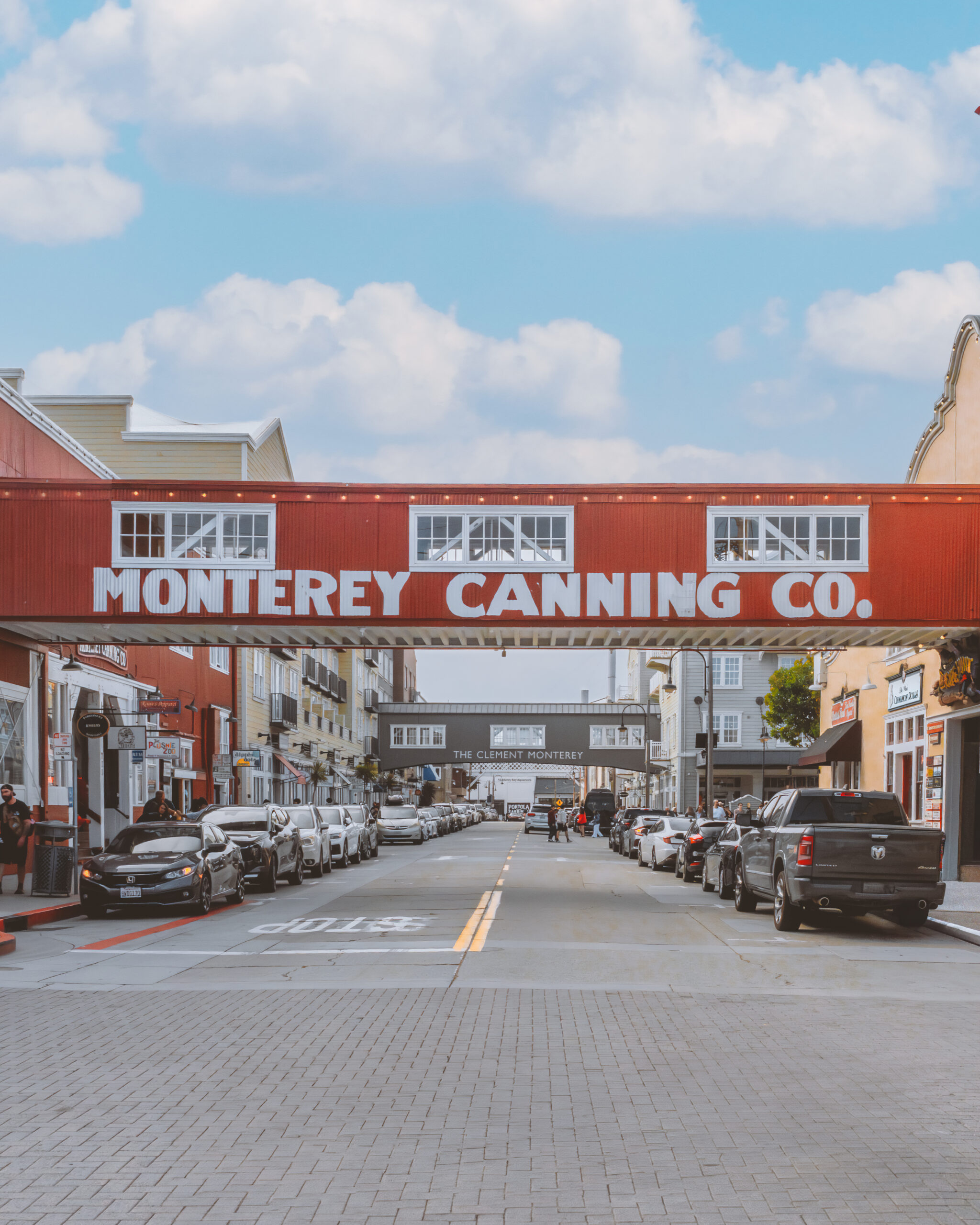


When marine biologist Ed Ricketts was asked where all the sardines had gone after Monterey’s fishing industry collapsed in the 1950s, his answer was devastatingly simple: ‘They’re in cans.’ At its peak during World War II, Cannery Row processed a quarter million tons of sardines annually – but two-thirds never made it into cans at all. They were ground into fertilizer through ‘reduction,’ a process so profitable and so pungent it inspired the local saying: ‘Carmel by the sea, Pacific Grove by God, and Monterey by the smell.’
Ricketts ran his marine biology lab amid the industrial chaos, a tide pool philosopher whose late-night conversations with his friend John Steinbeck inspired a novel that would immortalize them both. But he never wanted fame – he preferred collecting specimens to celebrity, and never quite recovered from having his private life transformed into public fiction. When he died in 1948, struck by a train at the Del Monte Express crossing, his Pacific Biological Laboratories was sealed up, jars of preserved octopi and research notes tucked into the walls.
The canneries closed one by one. Thousands of cannery workers – most of them women whose hands moved faster than machines – found themselves jobless on America’s suddenly-silent sardine street. For years the Row sat abandoned and reeking, until preservationists bet everything on transforming the industrial ruins into a literary landmark. When they renovated Doc’s old lab, they found his specimens still waiting in the walls – along with notes suggesting he’d been documenting something strange in the water years before the collapse.
Today, visitors wander where cannery girls once stood elbow-to-elbow on processing lines, the smell of reduction replaced by saltwater taffy and souvenir shops. Doc’s lab still stands, a bronze plaque marking where a man who never wanted to be famous became literature’s most beloved marine biologist.
 36.6138456, -121.8984533