Login
Login
 login / signup



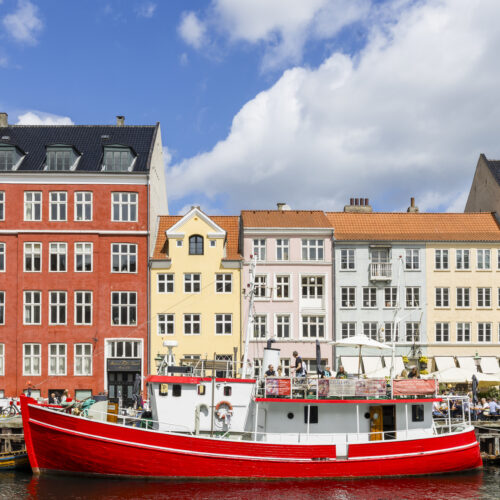









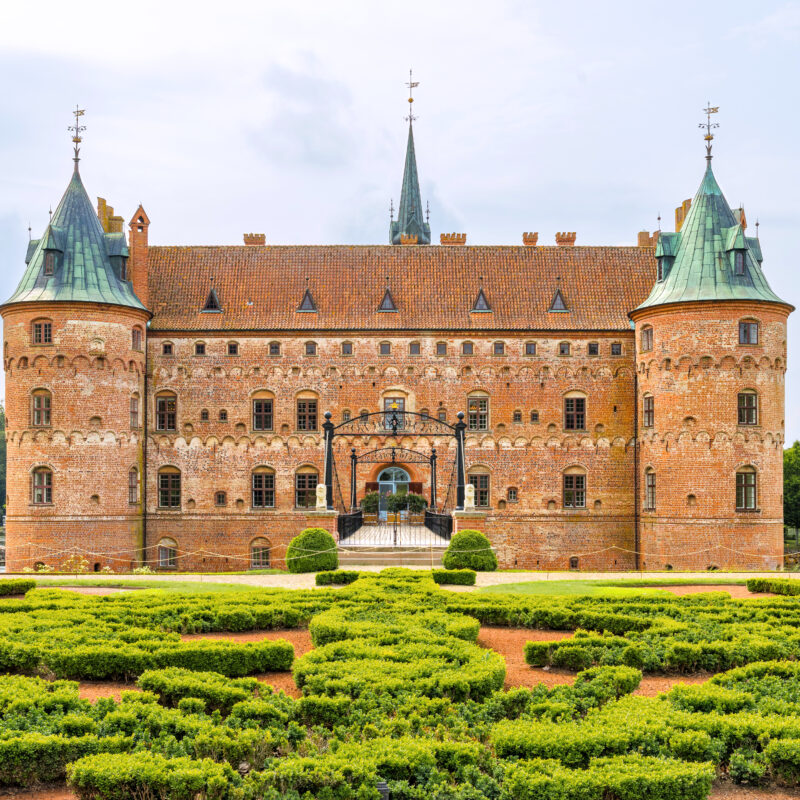

Funen, Denmark
Egeskov Castle
This floating castle appears to be from an enchanted fable, but in actuality it is Europe's best preserved Renaissance water castle.
AWA visted here
Presented with





Söder-Öster, Sweden | C.1994

Before nervous lecturers sought solace in its beech forests, Bokhultet was a fashionable 19th-century picnic destination for Växjö’s citizens. Then in 1914, the Swedish military transformed these genteel woods into a training ground. For 78 years, soldiers marched where families once strolled. When the regiment disbanded in 1992, it left behind an unexpected gift: every trail winding through the reserve today was carved by military boots, not park planners. The county’s largest beech forest now hosts 90 species of wild bees instead of drills.
The soldiers and the picnickers were both latecomers. Long before either, someone buried the dead here: a Stone Age stone coffin sits atop a burial mound, alongside Bronze or Iron Age clearance cairns, two further Iron Age burial mounds, and a scatter of cup-marked rocks whose purpose nobody has fully explained. None of it slowed anyone down. The military dug in anyway, and the trails they left are the ones still in use.
The 90 bee species aren’t spread evenly through the beech trees. They’re concentrated in a specific patch, a former vehicle training yard and sand pit that Växjö turned into a dedicated bee reserve starting in 2008, using a state grant meant for local nature conservation. A survey that year put the site among the two richest in Sweden for solitary bees, a distinction the city’s own ecologist credits largely to the military, whose decades of trucks churning up bare sand built exactly the kind of loose, disturbed ground that ground-nesting bees prefer. It turns out the best thing you can do for a wild bee is dig up the earth for eighty years and then leave.
 56.8700012, 14.8179121
Partner


This floating castle appears to be from an enchanted fable, but in actuality it is Europe's best preserved Renaissance water castle.
AWA visted here
This resilient theater has weathered two destructive fires, and continues to be one of the most important cultural centers throughout Spain.
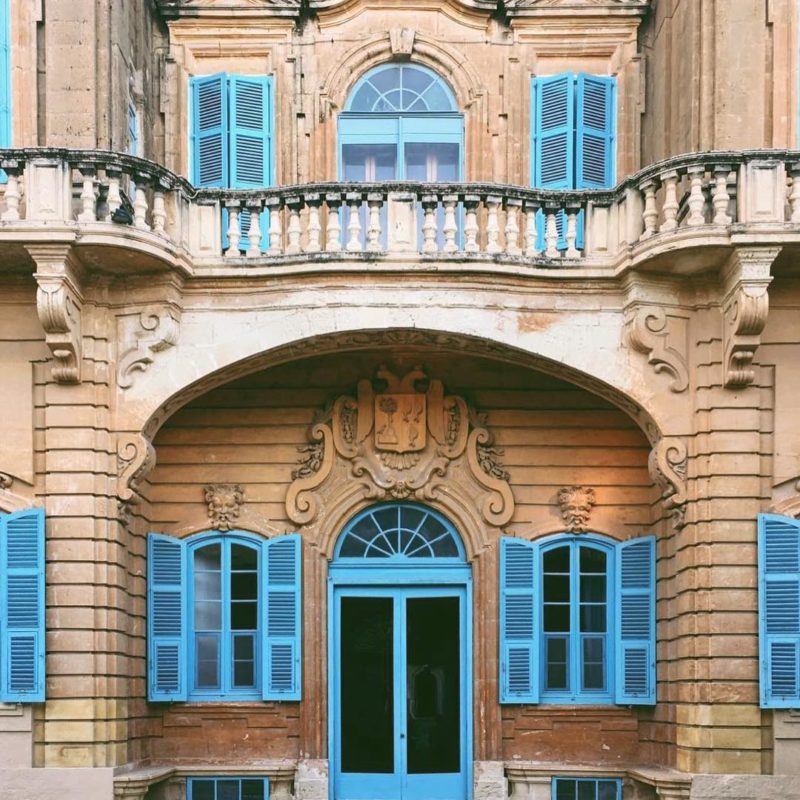
Uditore Fabrizio Grech would say this 1745 country house was built for his daughter, but it was in fact constructed to silence critics of his wealth.
Max file size is 40MB. JPEGs are preferred.
You do not have permission to view this form.