Login
Login
 login / signup










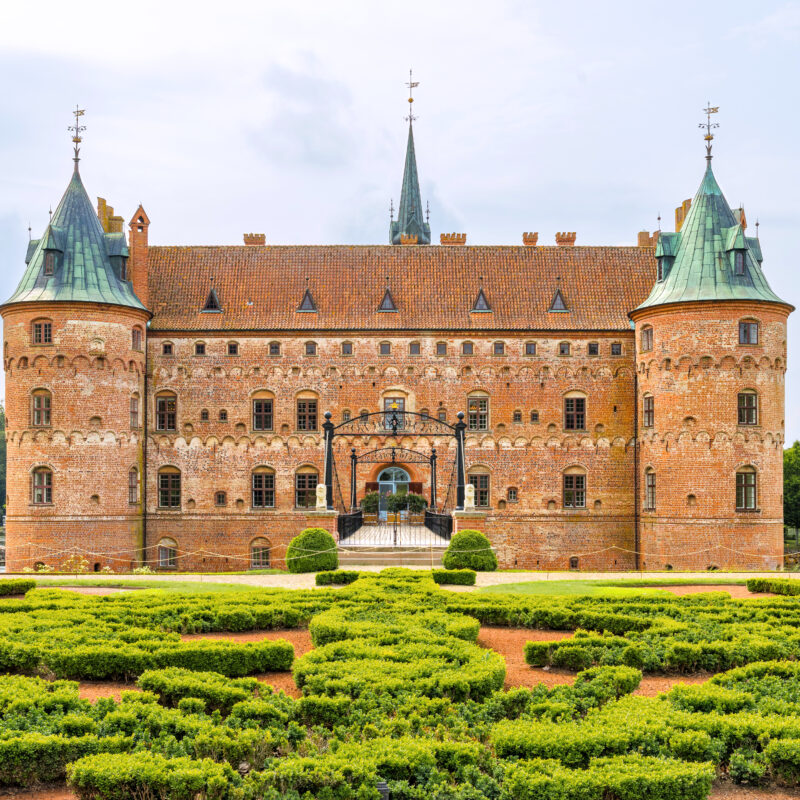

Funen, Denmark
Egeskov Castle
This floating castle appears to be from an enchanted fable, but in actuality it is Europe's best preserved Renaissance water castle.
AWA visted here
Presented with






Marrakech, Morocco | C.1157

When Almohad sultan Abd al-Mu’min commissioned this vast orchard in 1157, the enormous basin wasn’t just for irrigation, it doubled as a swimming pool where troops trained to cross the Mediterranean to Al-Andalus. The water arrived via khettaras, underground channels snaking over 30 kilometers from the Atlas Mountains, a gravity fed system that’s been functioning for nine centuries without pumps. UNESCO recognized it in 1985, though ostriches roamed here until the early 1900s.
The engineer behind it, Hajj al-Ya’ish, was reportedly brought in from Malaga specifically for projects like this, and he also worked on the automated mechanisms of the nearby Kutubiyya Mosque, which suggests Abd al-Mu’min had a taste for infrastructure that did more than one job at once. The basin’s military training use may sound like a stretch for a swimming pool, but medieval chronicles specifically describe a second reservoir on the same estate being used to teach Quran readers how to swim, so the idea of dual-purpose water storage wasn’t incidental to the design. The gardens fell into disrepair after the Almohads lost power and the capital moved to Fez, only to be revived centuries later by 19th century Alaouite sultans who replanted the orchards and built the pavilion still standing today, ostriches and all, at least until someone eventually decided the birds had made their point.
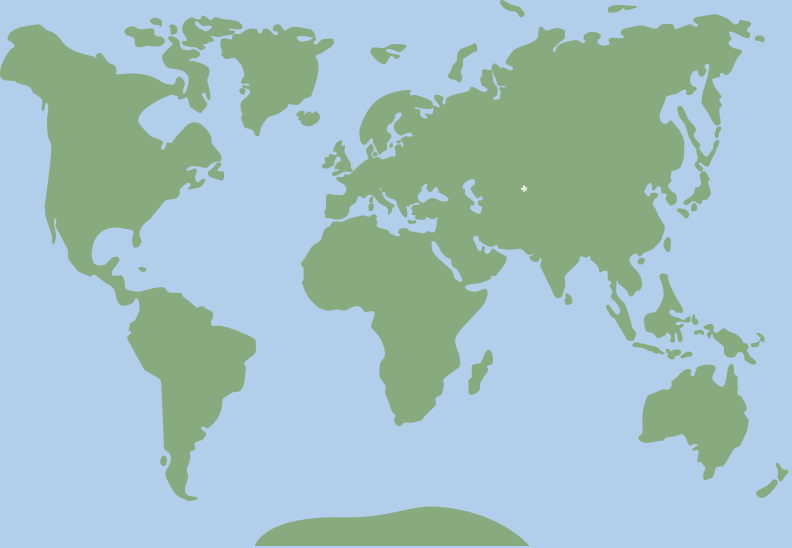 31.613473, -8.01627
Partner


This floating castle appears to be from an enchanted fable, but in actuality it is Europe's best preserved Renaissance water castle.
AWA visted here
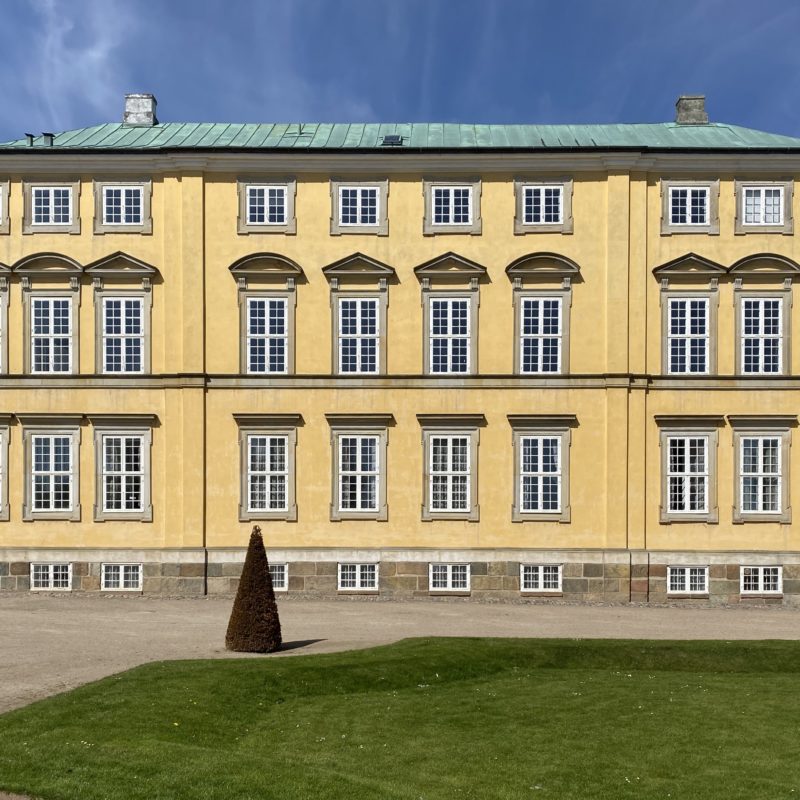
One of the largest and most attractive green spaces in Copenhagen, these grounds were established by King Frederik IV for his summertime palace.
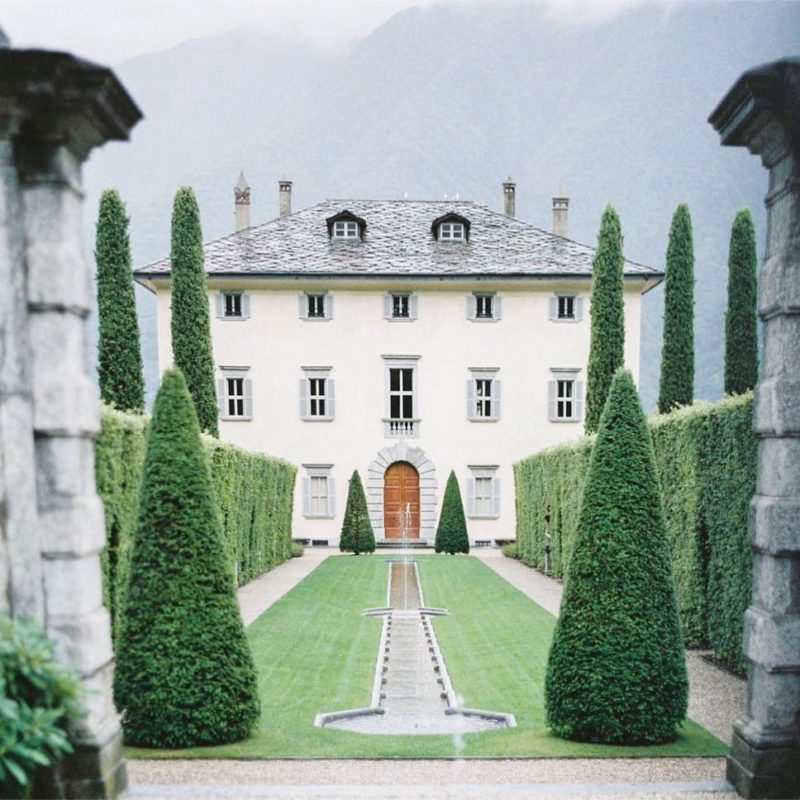
Once home to papal Cardinals, this picturesque villa looks out onto the calm waters of Lake Como, Italy.
Max file size is 40MB. JPEGs are preferred.
You do not have permission to view this form.