Login
Login
 login / signup











Funen, Denmark
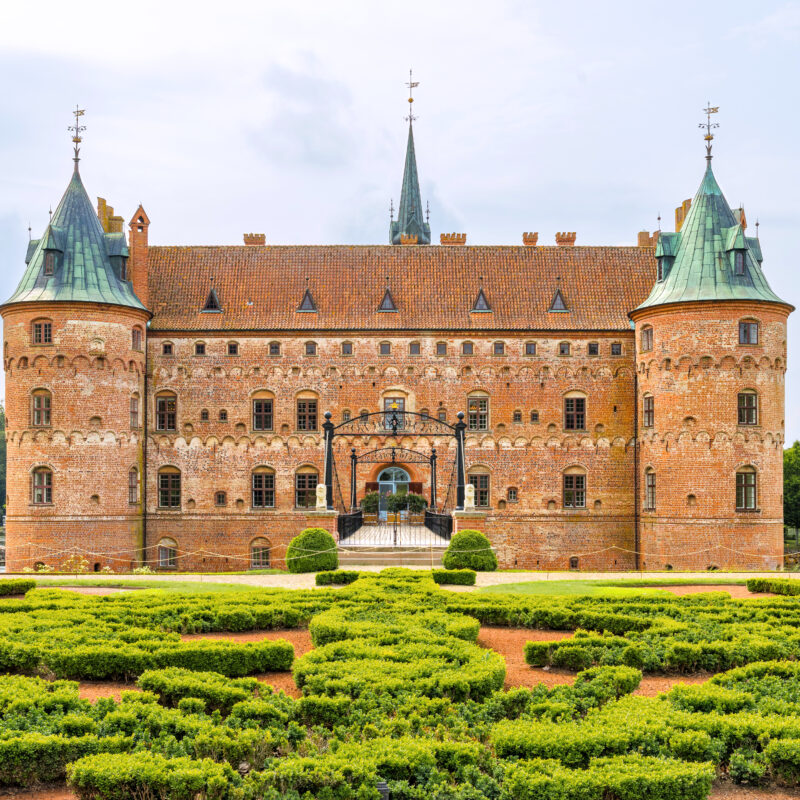
Egeskov Castle
This floating castle appears to be from an enchanted fable, but in actuality it is Europe's best preserved Renaissance water castle.
AWA visted here
Presented with




Odense, Denmark | C.1799

Partner
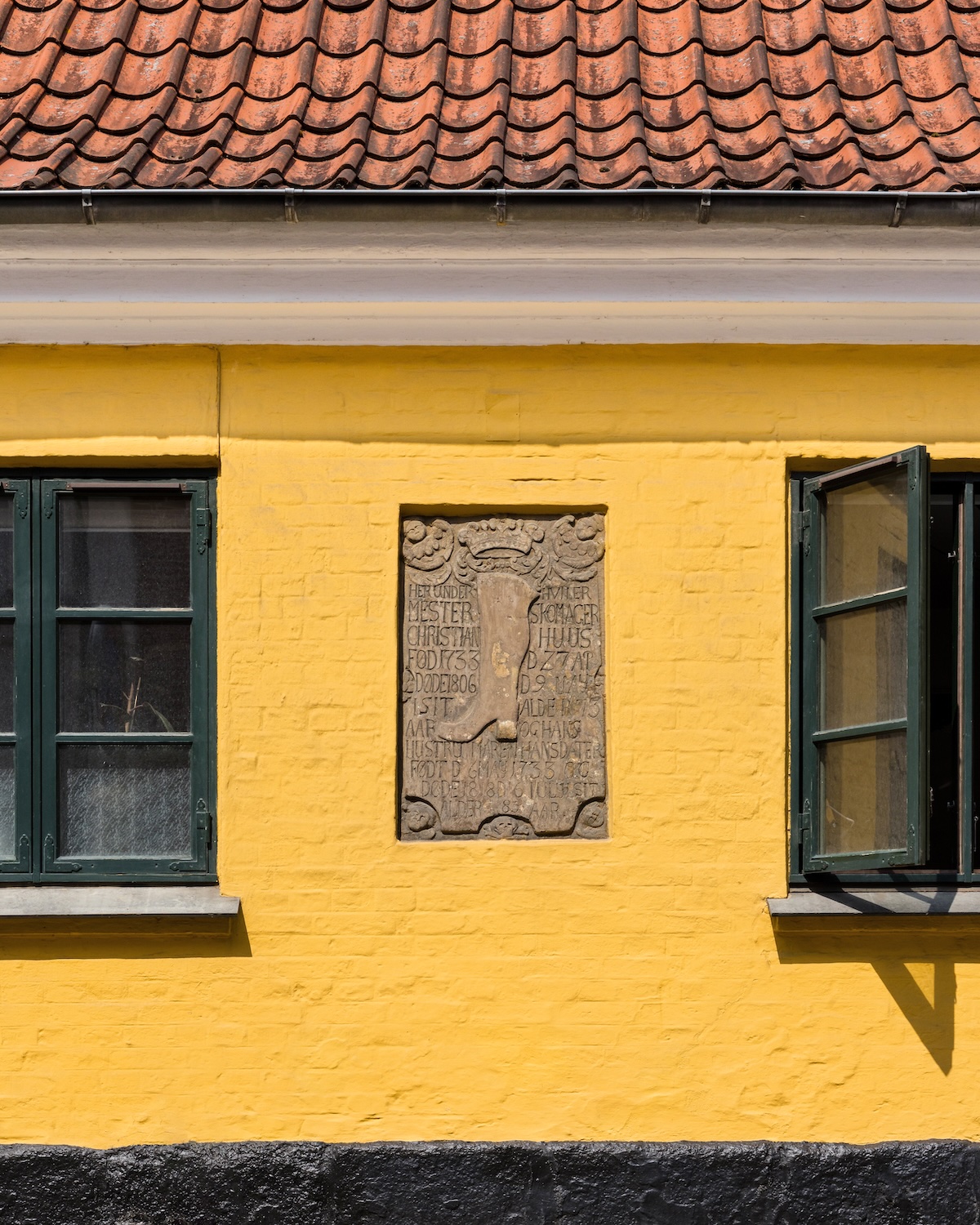
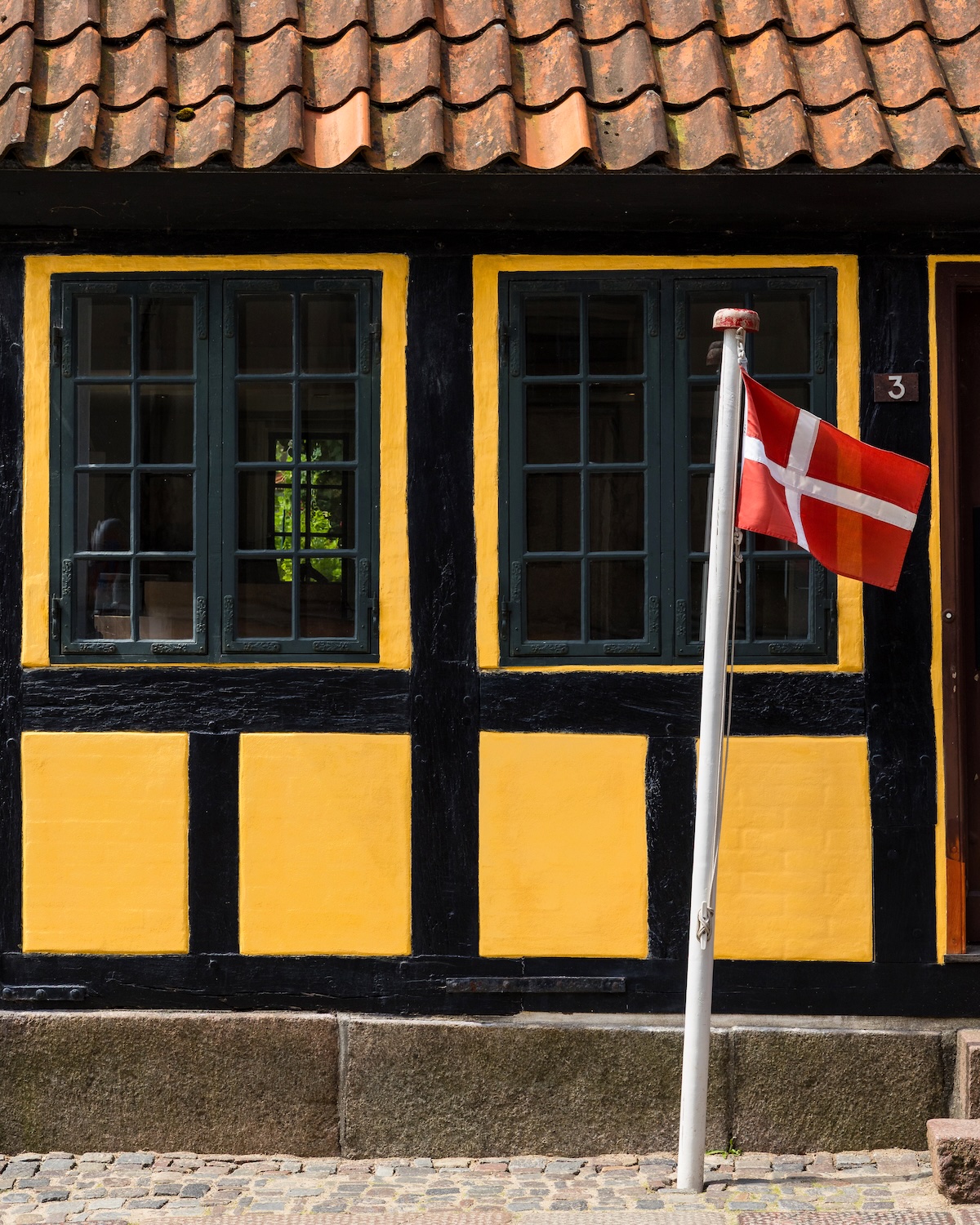
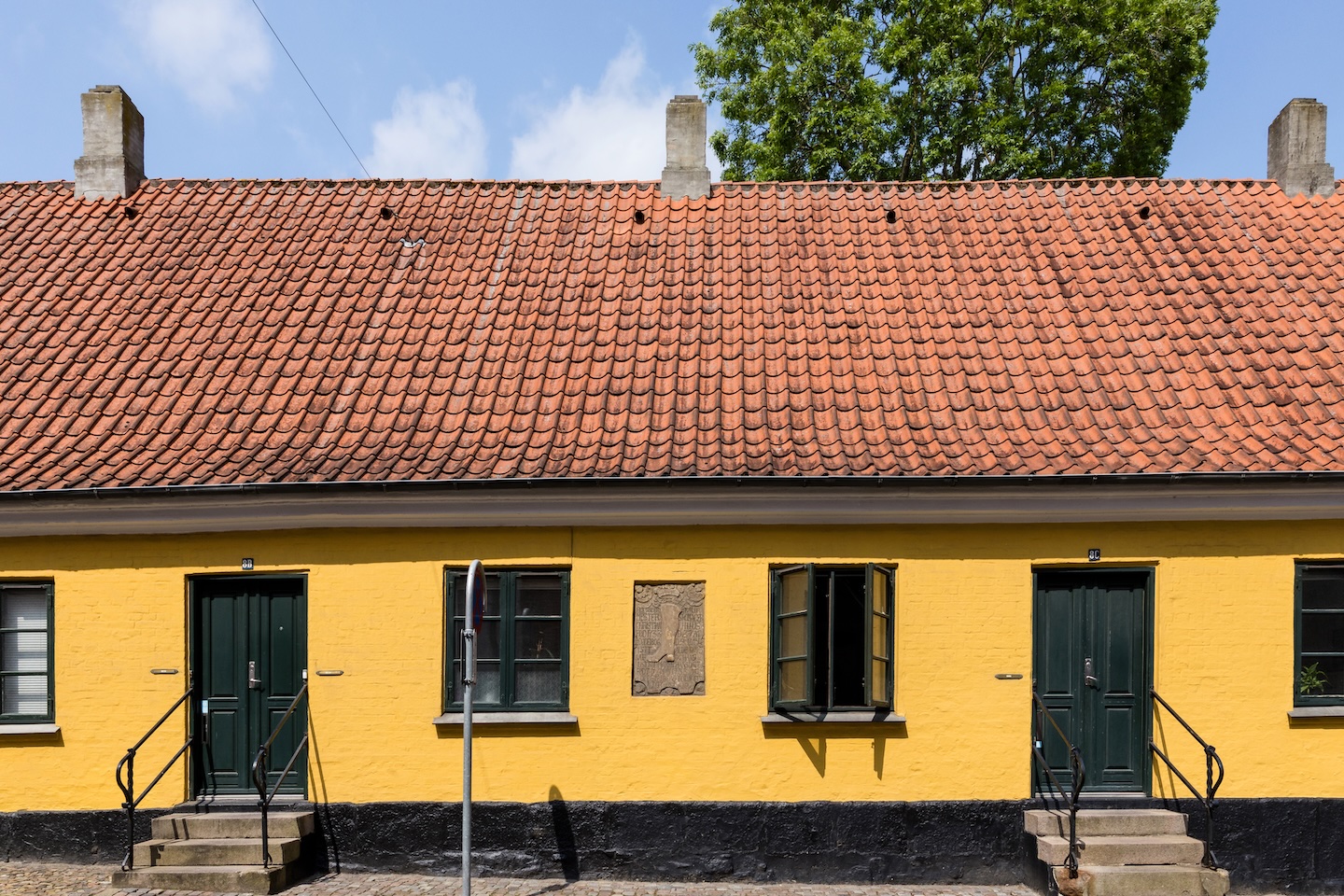
The little yellow half-timbered house on Munkemøllestræde in Odense where Hans Christian Andersen spent ages two to fourteen measured just 42 square meters – three small rooms holding an entire childhood. In one of Odense’s poorest quarters, twelve people from three families crowded inside while Andersen’s washerwoman mother and bookish cobbler father raised a boy who would become Denmark’s most famous storyteller.
One room served as kitchen, workshop, and bedroom. His father read him One Thousand and One Nights and built him a toy theater; his mother brought him to the asylum where she washed clothes, exposing him to scenes that would later haunt his darker tales. In such tight quarters, Andersen saw everything – his parents’ struggles, their ambitions, as well as the gossip and drama of multiple families living on top of one another.
Yet these cramped confines came to be known as a “cradle of imagination”: the collision of hardship and storytelling that helped shape 168 timeless fairy tales. Today, the house remains preserved as a museum – its impossibly small, yet large enough to have contained one of literature’s biggest imaginations. Just a 5 minute walk from the larger Hans Christen Anderson Hus, you’ll find cobbling tools used by Andersen’s father and be able to explore courtyard where roots of fairytales took place.
Looking to read more about this area of the world? This location exists in a guide:
Read the Guide 55.3945334, 10.38729
This floating castle appears to be from an enchanted fable, but in actuality it is Europe's best preserved Renaissance water castle.
AWA visted here
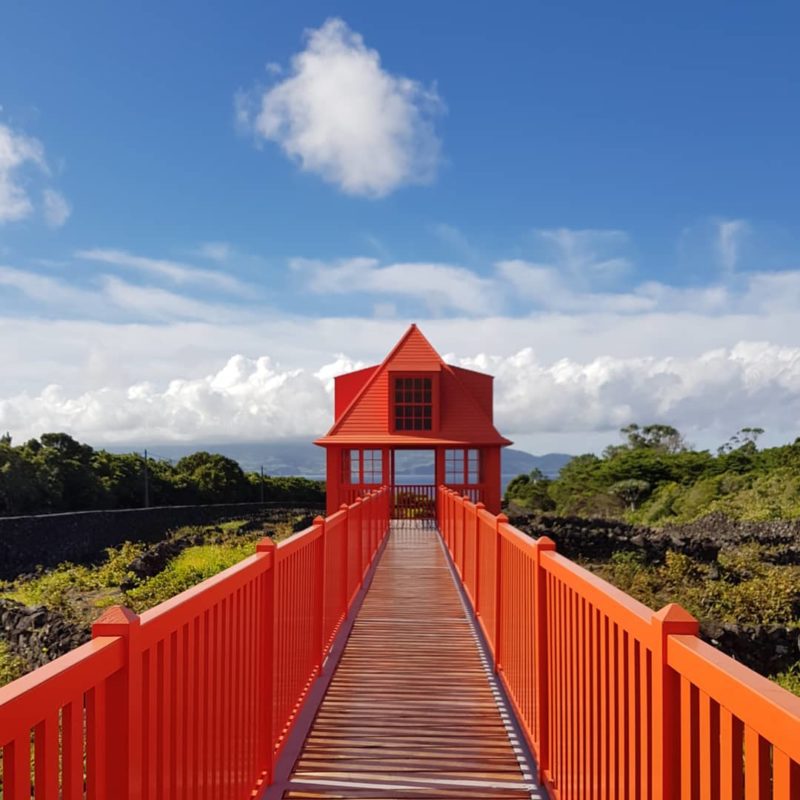
Surrounded by scenic views and ancient dragon forests, this Portuguese museum is dedicated to the love of wine.
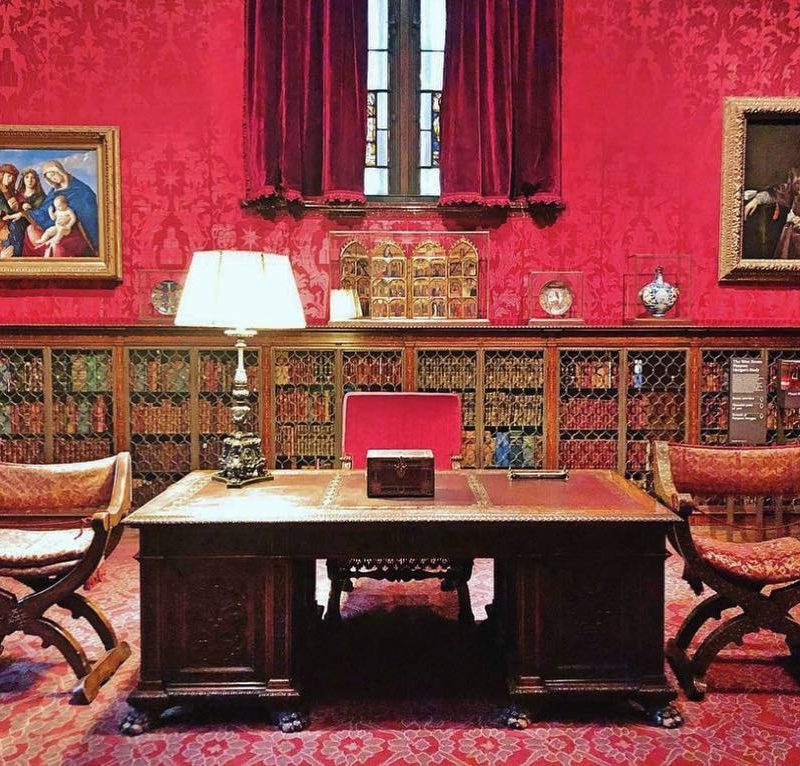
From the CommunityThe Morgan Library & Museum, once the private office and library of financier J.P. Morgan, is now a museum and scholarly research center in New York City.
Max file size is 40MB. JPEGs are preferred.
You do not have permission to view this form.