

 Login
Login
 login / signup














The world’s largest ski area exists because one man thought stopping to pay for lift tickets was ruining the flow of skiing.
In 1973, Erich Kostner of Alta Badia invited representatives from neighboring valleys to a meeting at the Hotel Post in Corvara. Kostner – son of a mountaineer and the man who had installed Italy’s first chairlift in 1947, the Col Alto lift in Corvara – had a simple complaint. Skiers traveling around the Sella Massif had to pull out their wallets at every lift station to buy another ticket. The interruptions, he argued, were absurd.
Kostner proposed something radical: one ski pass that would work across every lift in the surrounding valleys.
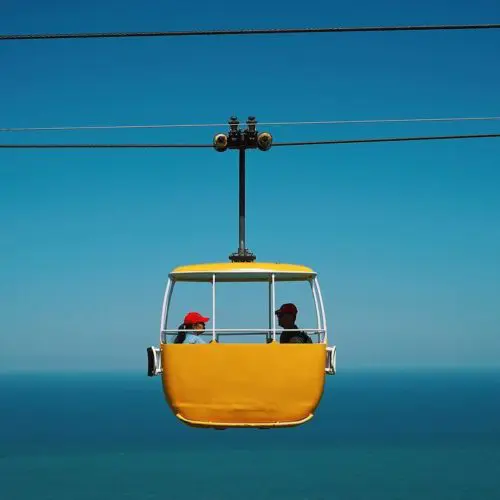
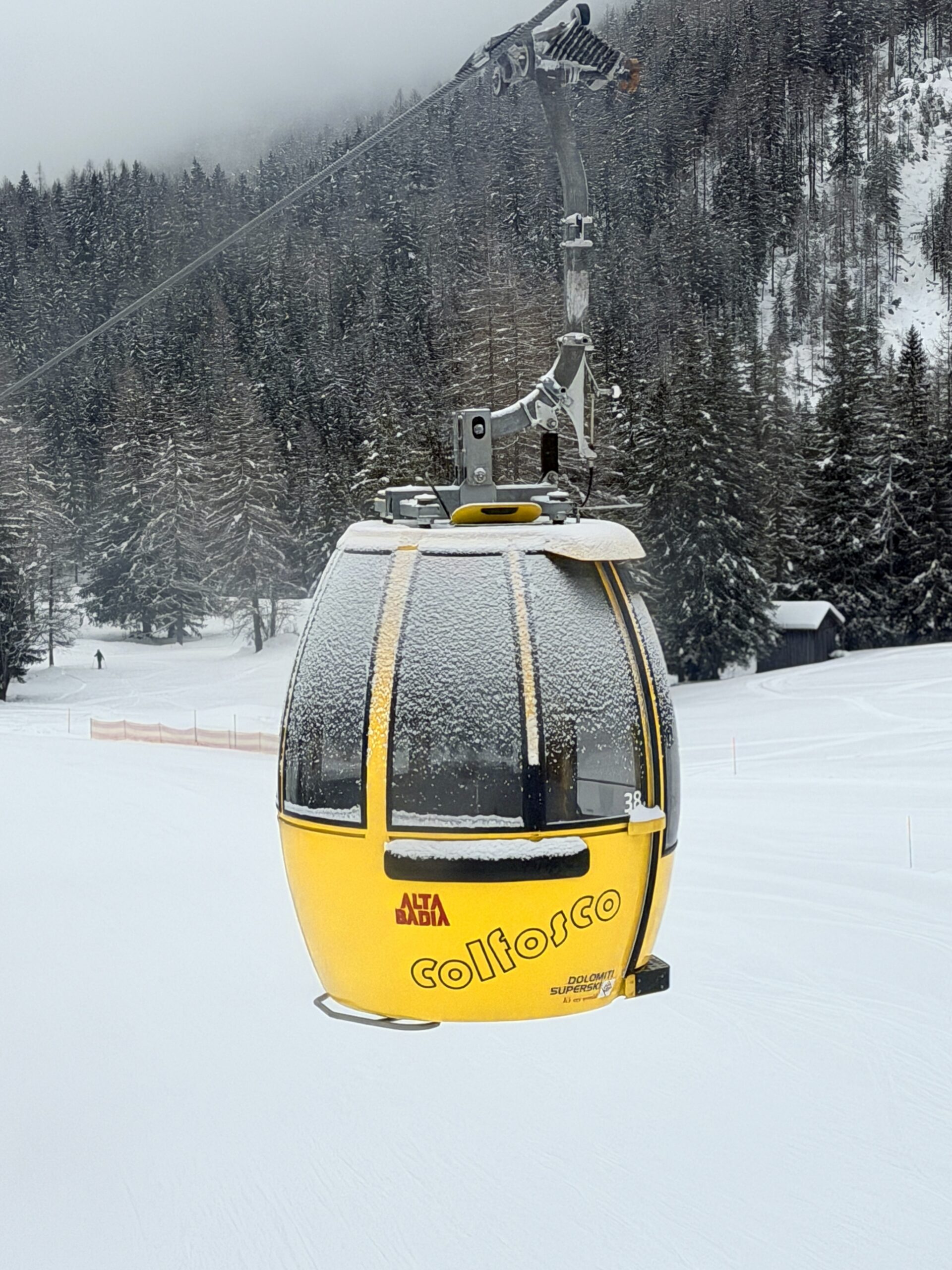
On November 14, 1974, five valley representatives signed the founding agreement for Dolomiti Superski. What began as a practical fix has since grown into the largest interconnected ski area on Earth – nearly 1,300 kilometers of slopes spanning twelve resorts across the Dolomites and the yellow gondola seen here – cable car #38 – is one small piece of that system.
It also sits along the Sellaronda, a 40–44 kilometer ski circuit that loops around the Sella Massif across four mountain passes: Gardena, Sella, Pordoi, and Campolongo. Today the route carries thousands of skiers each day, forming what is essentially a moving carousel of people circling a mountain. About half is skiable, the rest covered by lifts, allowing skiers to complete the entire loop without ever removing their skis.
The circuit itself has older roots. Long before chairlifts and gondolas appeared, residents of the Dolomite valleys used similar high passes to travel between communities. The Sella massif sits between five Ladin-speaking valleys – Val Gardena, Val Badia, Val di Fassa, Livinallongo, and Cortina d’Ampezzo – where Ladin, a Romance language that developed from the Latin introduced by Roman officials around 15 BC, still survives today.
Ironically, modern ski tourism helped preserve it. The same infrastructure that carries millions of visitors each winter also strengthened economic ties between these Ladin valleys, helping maintain cultural identity in valleys that were once kept isolated by the very mountains now crossed by gondolas.
Every winter roughly 674,000 skiers attempt the Sellaronda loop. Most set off early in the morning; finishing the circuit before lifts close can take up to six hours. Miss the final connections late in the afternoon and the mountain itself decides your route home.
Which means that lifts like the Colfosco gondola are more than transportation but rather checkpoints in a daily pilgrimage – part of a vast alpine network that began with one skier’s simple frustration about having to stop and reach for his wallet.
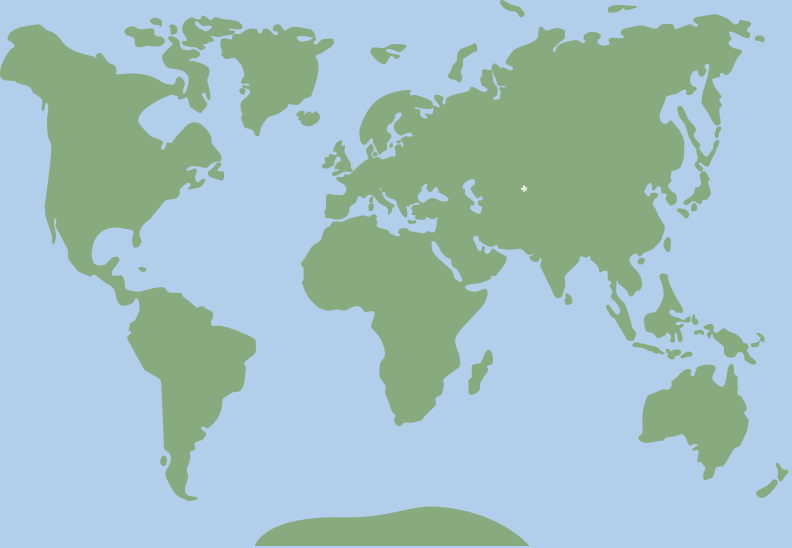 46.5534301, 11.8546144


Know more? Share with the community!
Submit Your ImageLogin/Sign Up.