 Login
Login
 login / signup













The Louvre castle was established as a defensive fortress in 1190 by King Philippe Auguste. Because its purpose was to defend against English invasion, it was designed for physical and symbolic strength, not beauty, complete with moat, towers, and a 30-meter keep. Art was the furthest thing from anyone’s mind.
For 600 years, French monarchs remodeled it. Charles V moved the royal residence from the IÎle de la Cité to the Louvre around 1365. Francis I demolished the medieval keep in favor of Renaissance style. Louis XIV filled the galleries with paintings and sculpture. But in 1682, Louis XIV chose the Palace of Versailles for his household, leaving the Louvre primarily as a place to display the royal collection. Everything belonged to the king.
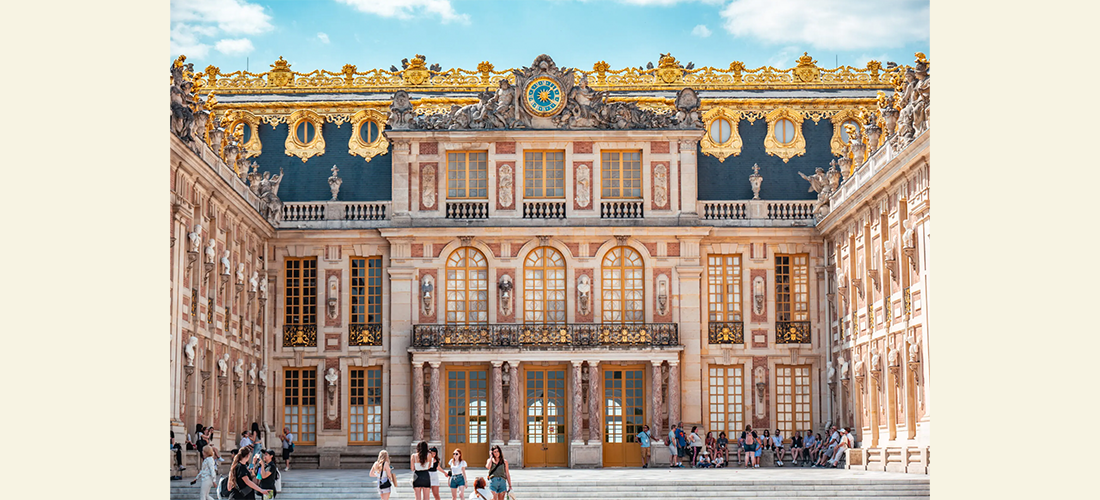
📍 Château de Versailles, Versailles, France 📸: Locke Hutcheson
Then came the guillotine. The museum opened on 10 August 1793, the first anniversary of the monarchy’s demise, as Muséum central des Arts de la République. Same year Louis XVI and Marie Antoinette lost their heads. The museum opened on 10 August 1793 with an exhibition of 537 paintings, the majority of the works being royal and confiscated church property. Six centuries of royal hoarding, transformed into public property in a single revolutionary decree.
In 1802, Napoleon appointed Denon director of the Louvre. In 1803, the museum was renamed the Musée Napoleon. When Napoleon Bonaparte led his army across the Alps, he ordered the Italian states he conquered to hand over artworks that were the pride of the peninsula. The Vatican was emptied of the Laocoon, and Venice was stripped of Veronese’s 1563 painting The Wedding Feast at Cana. The spoils of war filled gallery after gallery.
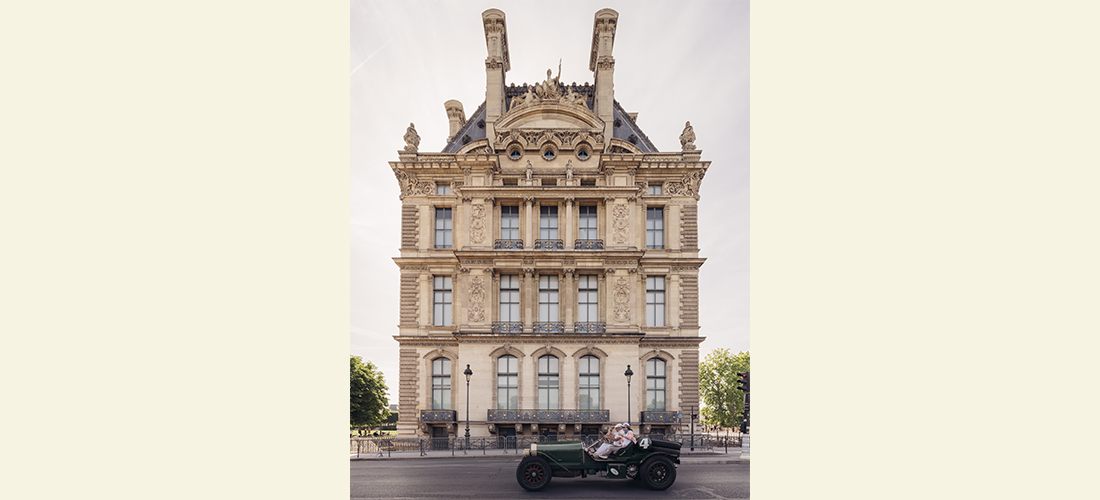
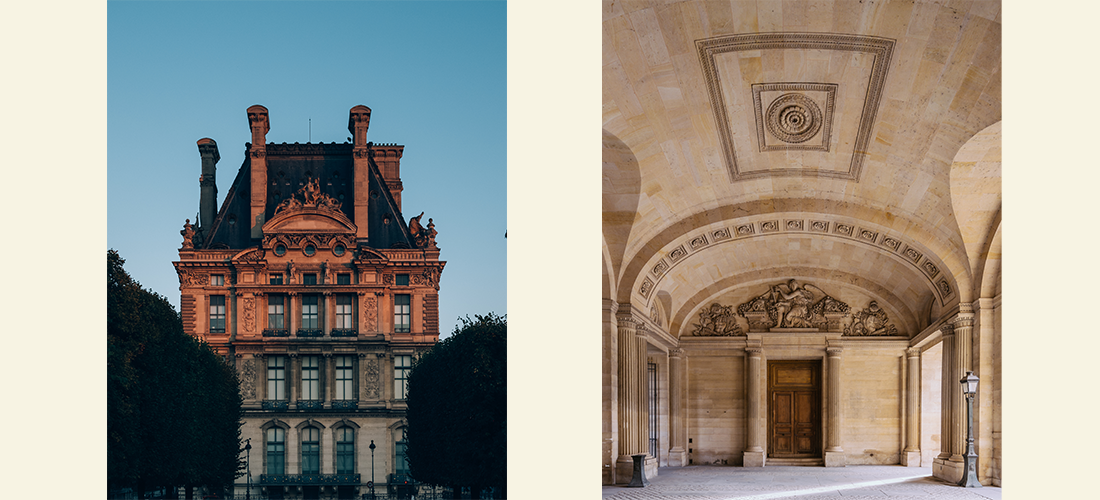
On 20 September 1815, Austria, the United Kingdom, and Prussia agreed that the remaining artworks should be returned after Waterloo. Roughly half of the Italian paintings that Napoleon had taken were returned. The other half stayed in France, including The Wedding Feast at Cana. The painting was deemed too fragile to move… A convenient excuse?
In any event, the fortress built to keep invaders out eventually became the museum that let everyone in.