Login
Login
 login / signup













Barcelona, Spain
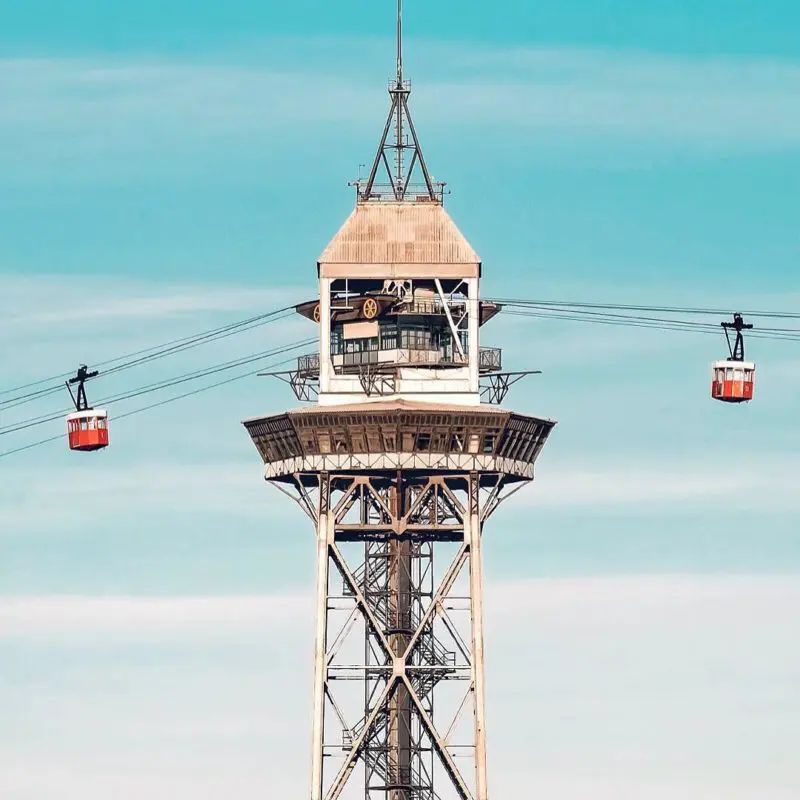
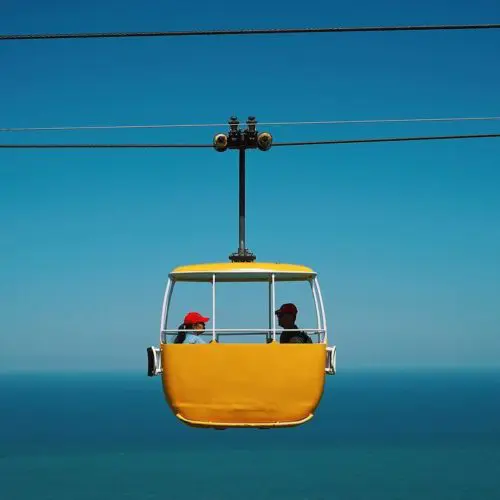
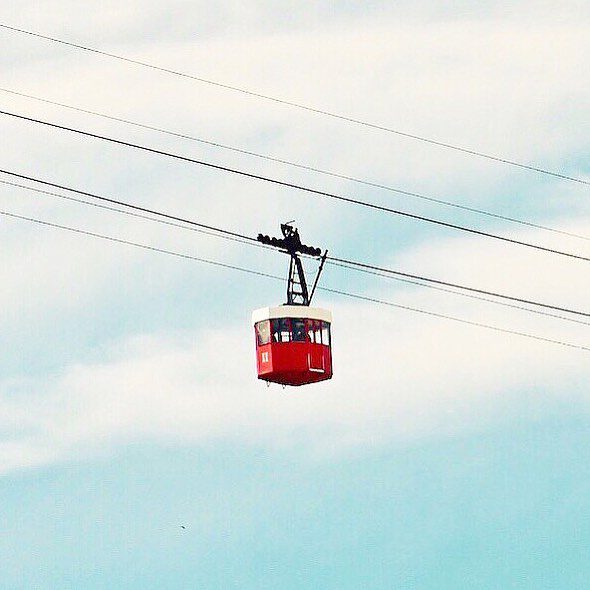
Montjuïc Cable Car
This cable car in Barcelona celebrates its 50th anniversary in 2020.






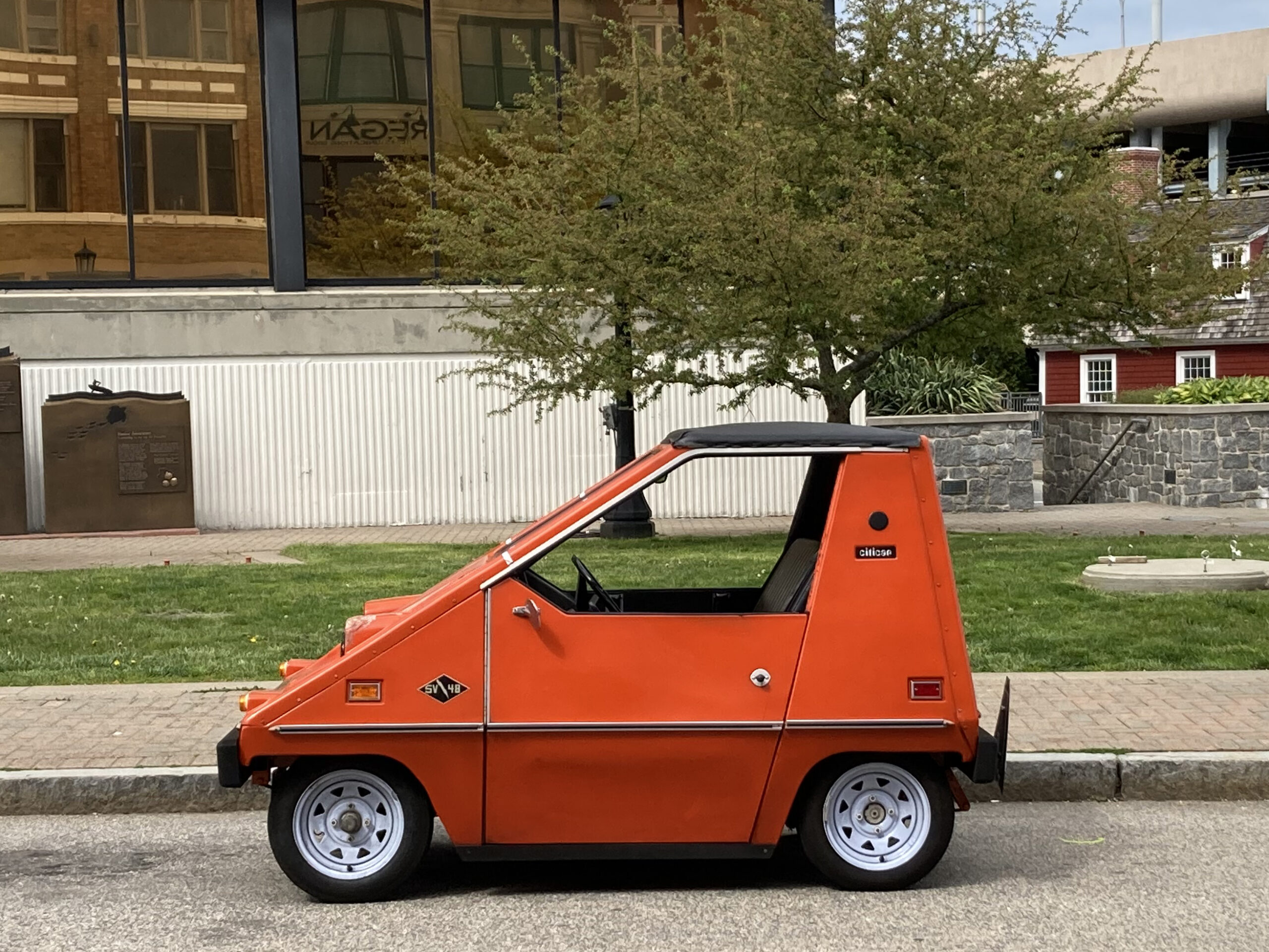
Sebring, Florida | C.1976

When gas lines snaked around blocks during the 1973 oil crisis, a former Chrysler dealer from upstate New York moved to Florida and built what looked like an orange cheese wedge on wheels. By 1976, his wedge-shaped electric runabout had catapulted Sebring-Vanguard to become America’s sixth-largest automaker, ahead of Excalibur, behind Checker, selling 2,300 CitiCars that topped out at 38 mph. For nearly four decades, this golf-cart-adjacent experiment held the record as America’s best-selling electric vehicle, until the Nissan Leaf finally overtook it in 2011.
Under the ABS plastic panels there was nothing to reverse-engineer. Six or eight golf cart batteries, a 3.5-horsepower motor, and a rheostat that stepped through speeds the way a dimmer switch steps through brightness. No computer decided anything. No regenerative braking recovered anything. When the CitiCar stopped, the energy just left.
Designer Jim Muir borrowed the shape from a Club Car golf cart, riveting ABS panels onto an aluminum frame because it was cheap and light. Fifty years later, another automaker would put out an angular wedge of a vehicle and call it revolutionary. The CitiCar got there first, at a fraction of the price and a fraction of the horsepower.
The timing that made Sebring-Vanguard worked in exactly one direction. Gas lines created the demand, and when OPEC eased off and prices dropped again, the demand went with them. The company filed for bankruptcy in 1977, undone by the same crisis that had built it.
 27.4954287, -81.4411562
Partner


This cable car in Barcelona celebrates its 50th anniversary in 2020.
She won Parliament by a world-record landslide, founded schools, and turned a garden palace into a political headquarters- beauty be damned.
AWA visted here
Decimated by the Spanish War, this tramway was restored in 2000 to serve its intended purpose: a tourist attraction offering exceptional views of Barcelona.
Max file size is 40MB. JPEGs are preferred.
You do not have permission to view this form.