Login
Login
 login / signup










Muscat, Oman
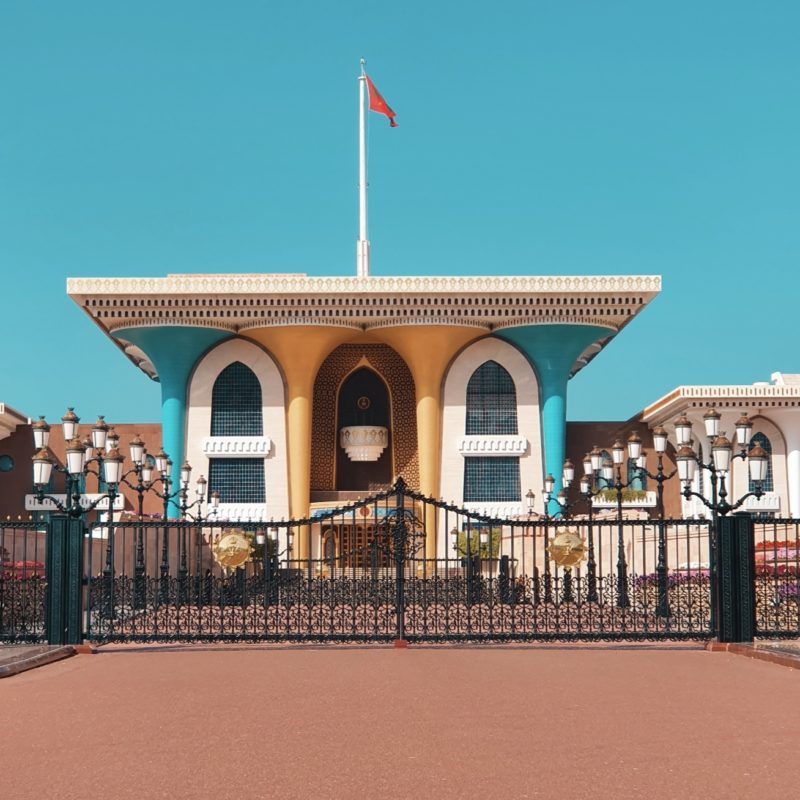
Al Alam Palace
This royal palace in Oman is owned by the Sultan, who has retained the property through eight generations.





Yucatán, Mexico | C.1549

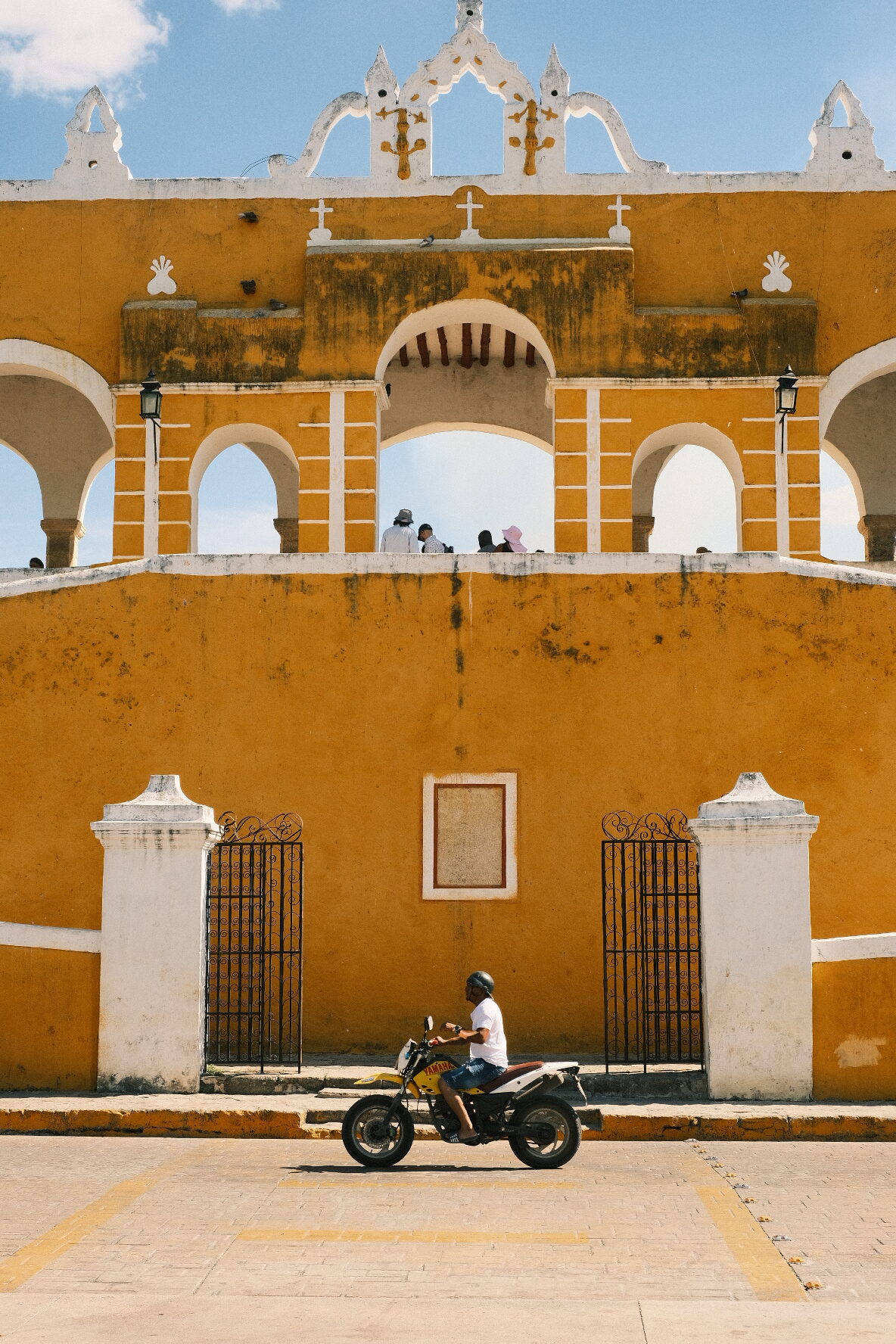
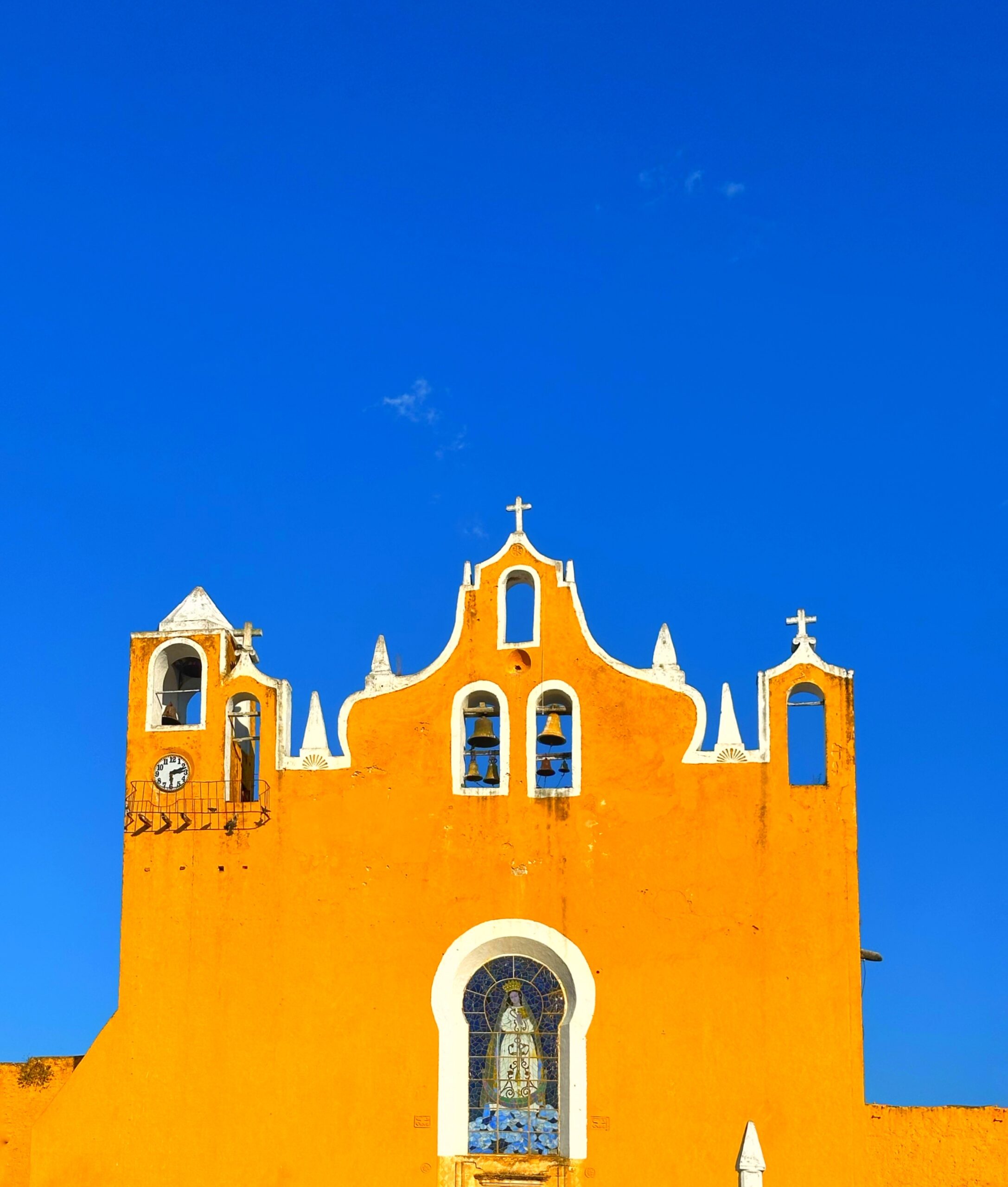
To build their second-largest atrium in the world, 7,806 square meters trailing only the Vatican, Franciscan friars didn’t just level the Maya pyramid Ppap-Hol-Chac in 1549. They recycled it. Under Fray Diego de Landa’s direction, 6,000 Maya laborers dismantled their sacred temple stone by stone, then spent six months rebuilding those very stones into the monastery’s 75 arches and walls. Look closely under the arcades today: geometric Maya glyphs still mark the pilfered blocks, a mazelike reminder of what was erased to create what remains.
The convent that rose from that erasure became one of Mexico’s most magnetic pilgrimage sites, drawing Pope John Paul II not once but twice. When lightning struck in 1829 and flames consumed nearly everything, one statue survived untouched: Our Lady of Izamal, now Yucatán’s patron saint, her survival still unexplained. Today her frescoes are peeling and her walls are crumbling, preservationists racing against the same slow erosion that eventually claims every monument built to outlast time.
Izamal is a city of layers. The Maya built on bedrock. The Spanish built on the Maya. And somewhere in the walls, both are still there.
 20.932485, -89.018042
Partner


This royal palace in Oman is owned by the Sultan, who has retained the property through eight generations.
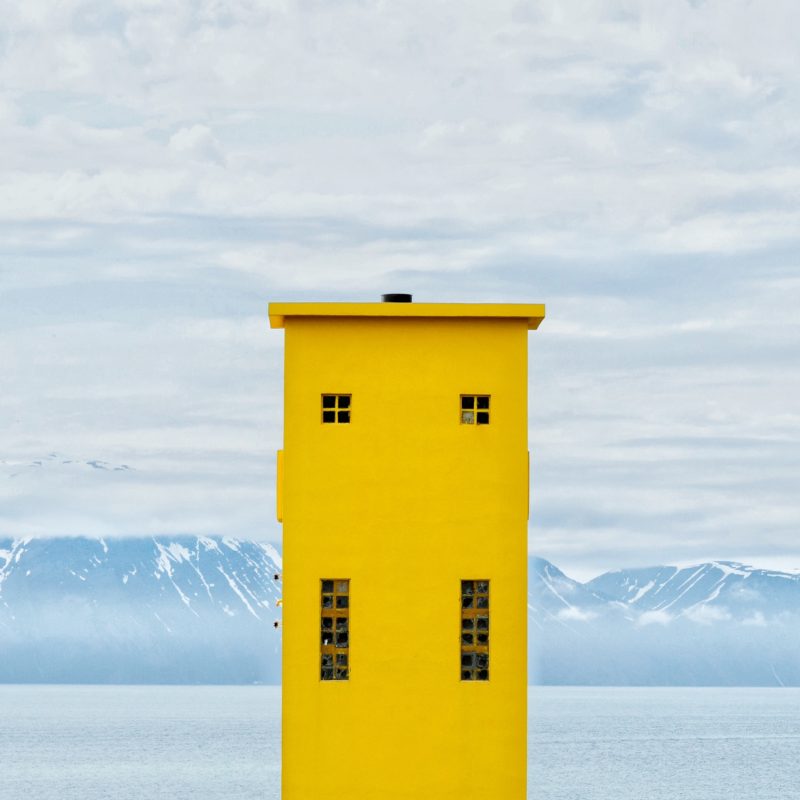
This semicircular-cylindrical light house guards a fishing village in Iceland.
Known locally as "the pregnant oyster," this center for the arts was a gift from the US to Berlin in 1957.
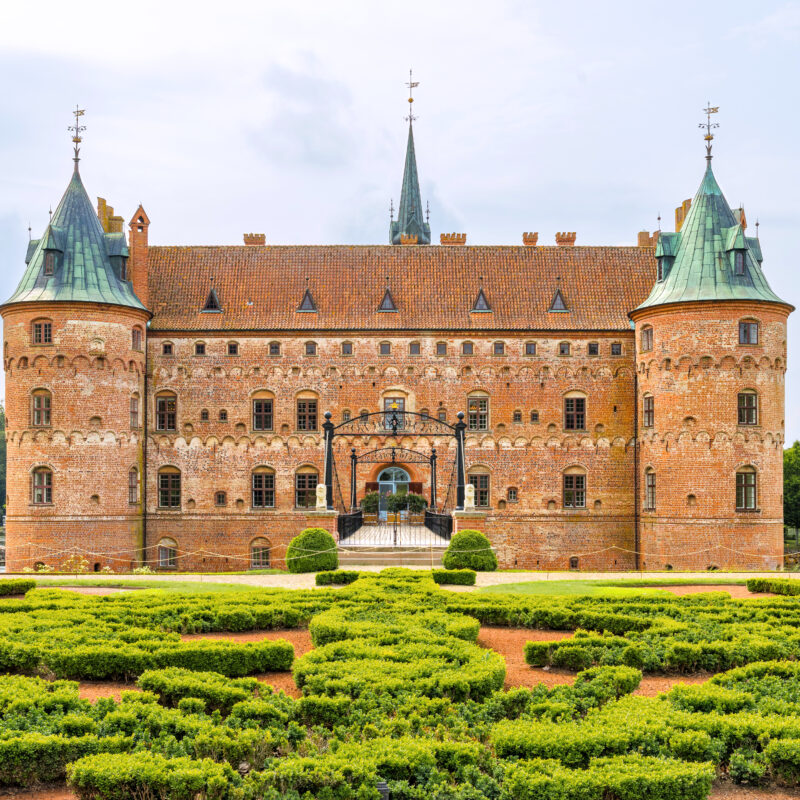
This floating castle appears to be from an enchanted fable, but in actuality it is Europe's best preserved Renaissance water castle.
AWA visted here
This resilient theater has weathered two destructive fires, and continues to be one of the most important cultural centers throughout Spain.
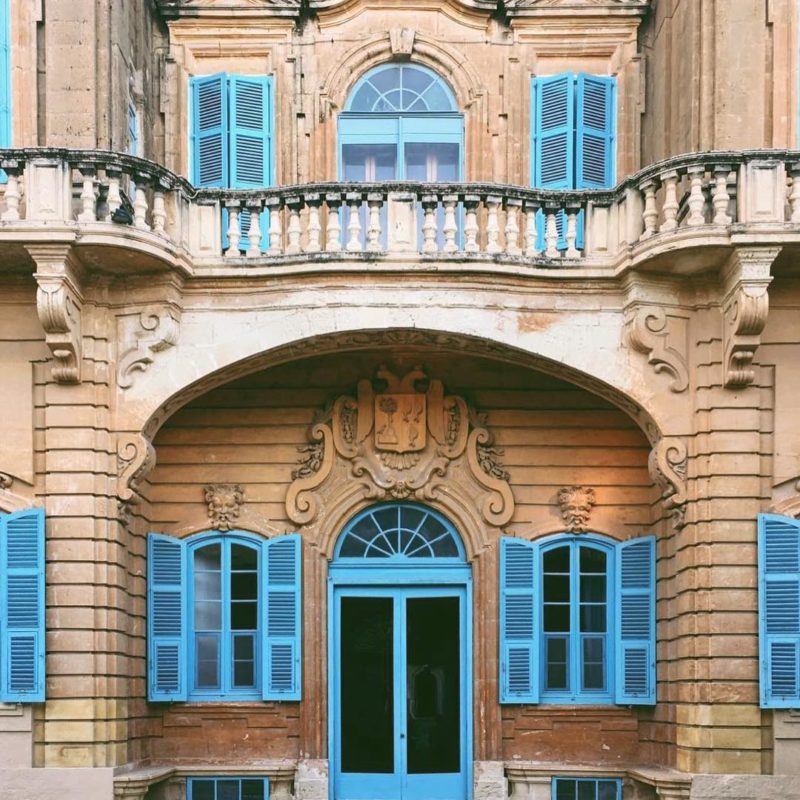
Uditore Fabrizio Grech would say this 1745 country house was built for his daughter, but it was in fact constructed to silence critics of his wealth.
Max file size is 40MB. JPEGs are preferred.
You do not have permission to view this form.