 Login
Login
 login / signup










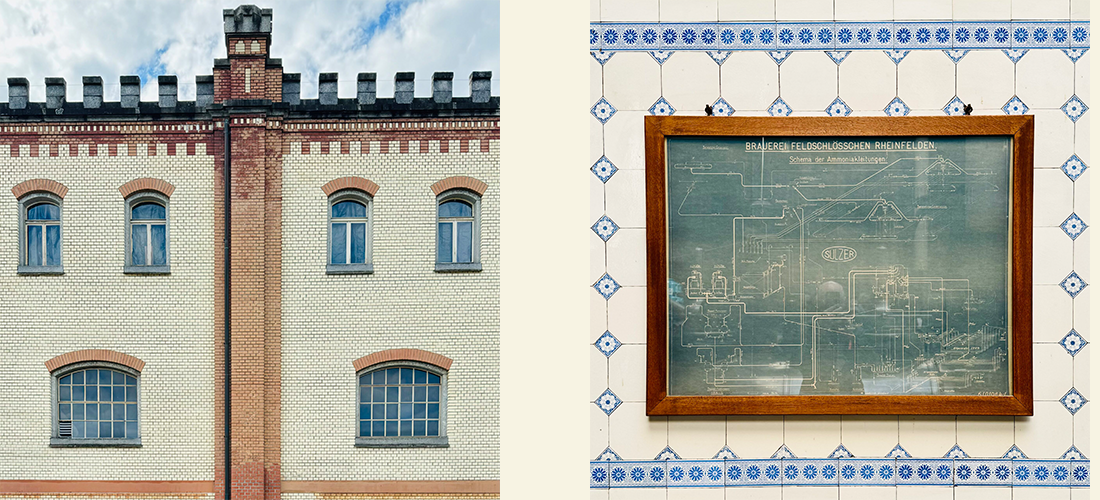
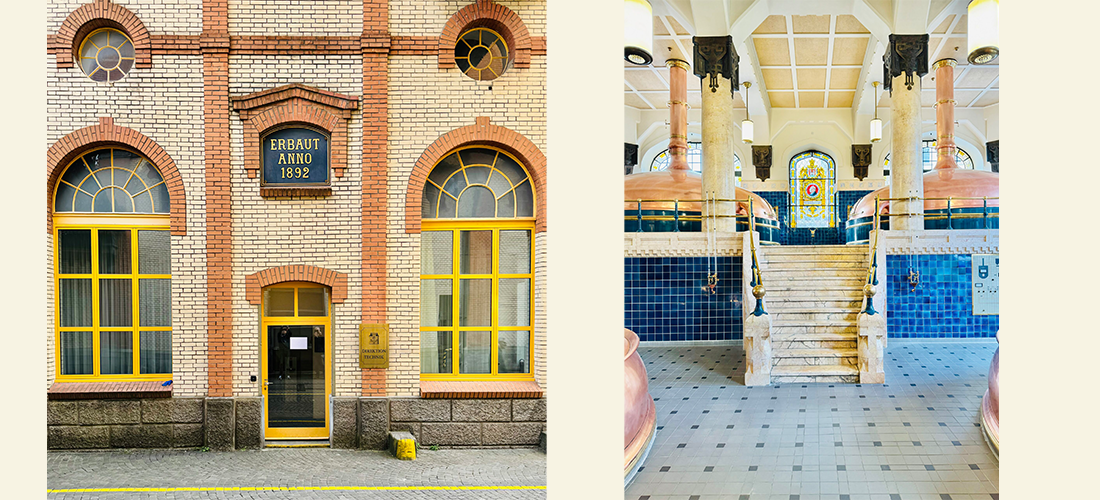
In the Swiss-German border town of Rheinfelden, overlooking the urban area nestled on the Rhine river is an unusual castle–with smoke stacks. Designed in a whimsical Gothic style, this “fortress” protects hops instead of a populace. Home to the largest brewery in Switzerland, one would never know that melting ice almost ruined the company right at its start.
In 1876, Theophil Roniger and Mathias Wüthrich banded together to form the Feldschlösschen Brewery. Passionate about the brewing process, Roniger had journeyed through Germany for three years, learning the trade from brewmasters throughout the country. Wüthrich was the son of a wealthy farmer, whose father perceptively recognized that Mathias should partner with entrepreneurial Roniger. Using a large sum of the Wüthrich fortune, the duo would build the present-day structure and quickly begin brewing vast sums of beer. In the initial two years, one problem put the entire operation at risk of failure.
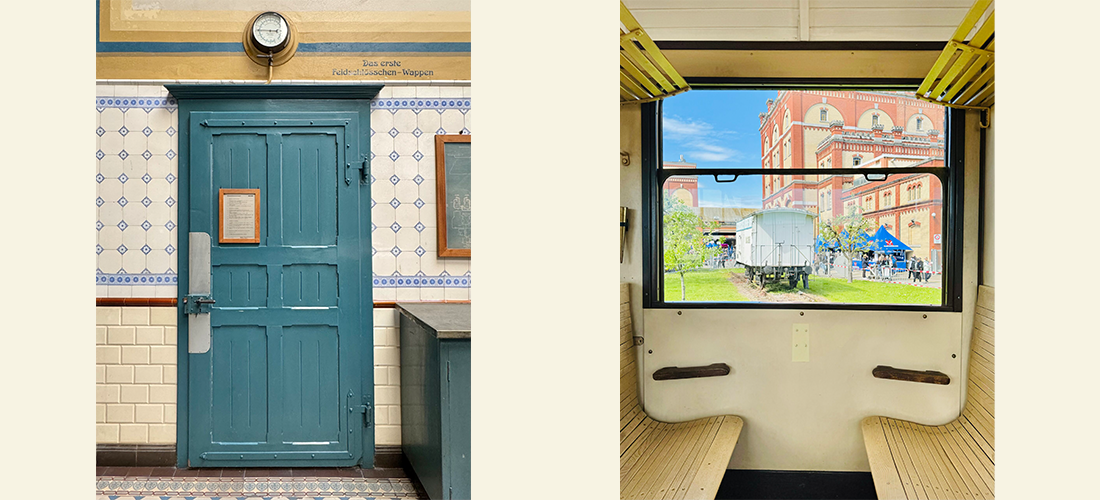
At that time, natural ice was extremely important, as there were no mechanized ways to artificially create the cooling process. Especially for brewing beer, which needs to be created at different temperatures over the course of the fermentation process and cooled in storage. The winter of 1877-1878 was unseasonably warm, and none of the local lakes (that usually would allow for ice mining) ever froze. Desperate, Theophil and Mathias arranged for an expedition of horses and carts to collect ice from Klöntal, which was over 90 miles away. While the costs hurt in the interim, the partners made the correct bet that their product would pay off down the line. Failure was not an option.
/ 2
Embracing railroad technology and connecting a direct line to the main Swiss rail system, Feldschlösschen beer began to be transported around the country and quickly became popular. By 1898, twenty years after almost losing everything to unfrozen lakes, the brewery was the largest in the country, a title it still holds today.
Over 140 years old, Feldschlösschen shows no signs of turning off the lights of its bright castle. It continues to be the most popular option for bars and homes alike around Switzerland, along with thousands of visitors touring its facilities each year. These days, ice is easier to come by, too.