
 Login
Login
 login / signup





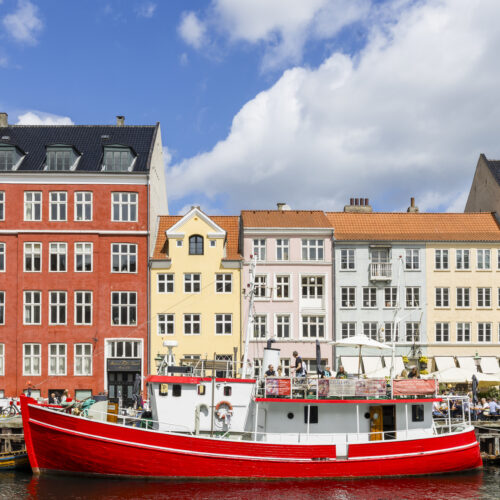
















For most of history’s internationally famous artists and writers, not many can say that they lived to see that coveted recognition. It’s also quite rare to have over fourteen statues dedicated to one’s stories in their hometown. Growing up in a poor family in the old city of Odense, Hans Christian Andersen would become one of the most well-known authors of the 19th Cenutry. By the end of his life, the government of Denmark was even paying him a stipend due to his stature as a “national treasure.” But even with his fortunes secured, Andersen’s life was as peculiar as a pea in a mattress.
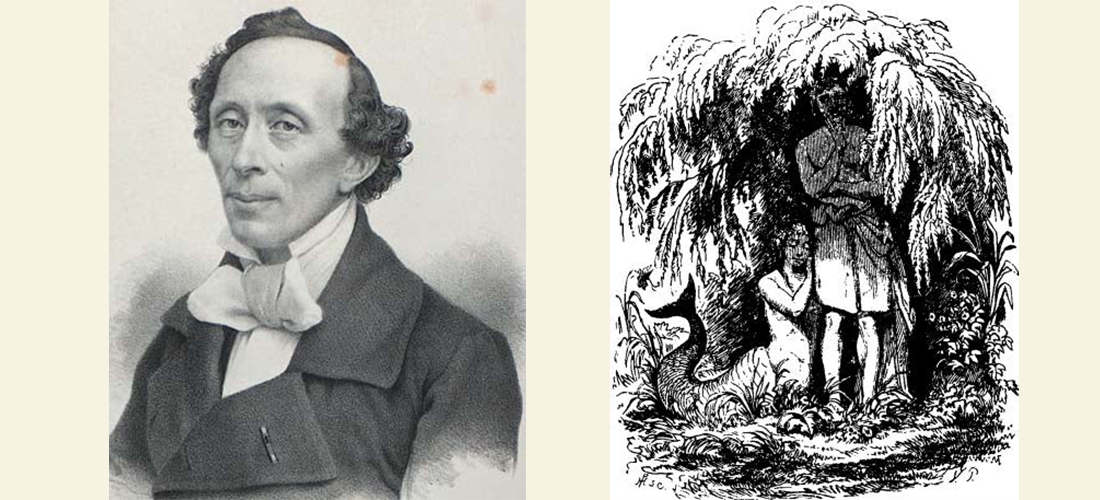
📖: The Little Mermaid by Hans Christian Andersen
First working as an apprentice to both a weaver and tailor in Odense, the young Hans moved to Copenhagen to fulfill a dream to be an actor. While he did some success at the Royal Danish Theater, he was encouraged to begin writing and gain an education instead through friends he met at the theater company. In 1829, Andersen enjoyed his first success with the short story, “A Journey on Foot from Holmen’s Canal to the East Point of Amager.” The period between 1835 and 1837 would arguably, however, make Hans the most famous. Published in three installments, Hans Christian Andersen released a large series of fairy tales that continue to be popular today, including “Thumbelina,” “The Princess and the Pea,” “The Emporer’s New Clothes,” and many more.
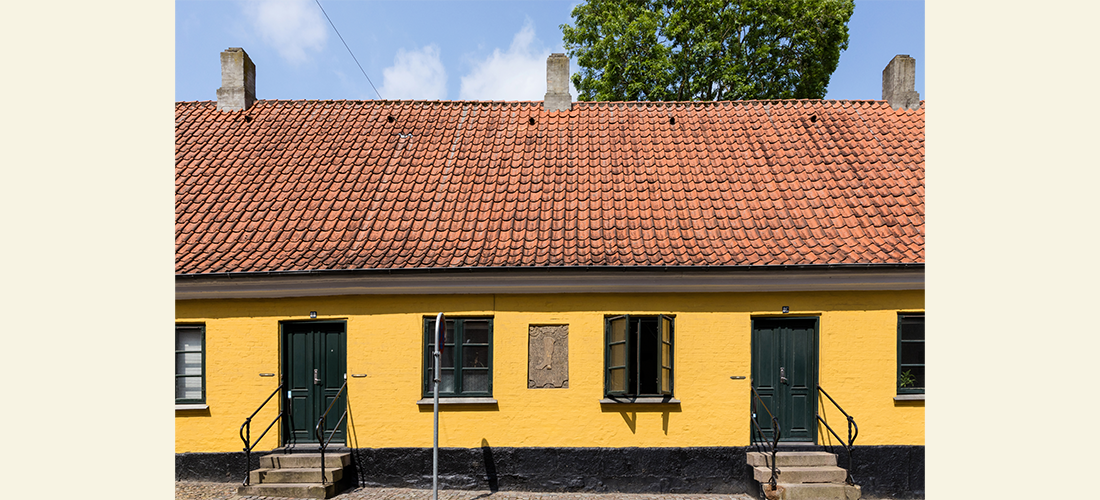
📍 Hans Christian Andersen Childhood Home 📸: Accidentally Wes Anderson
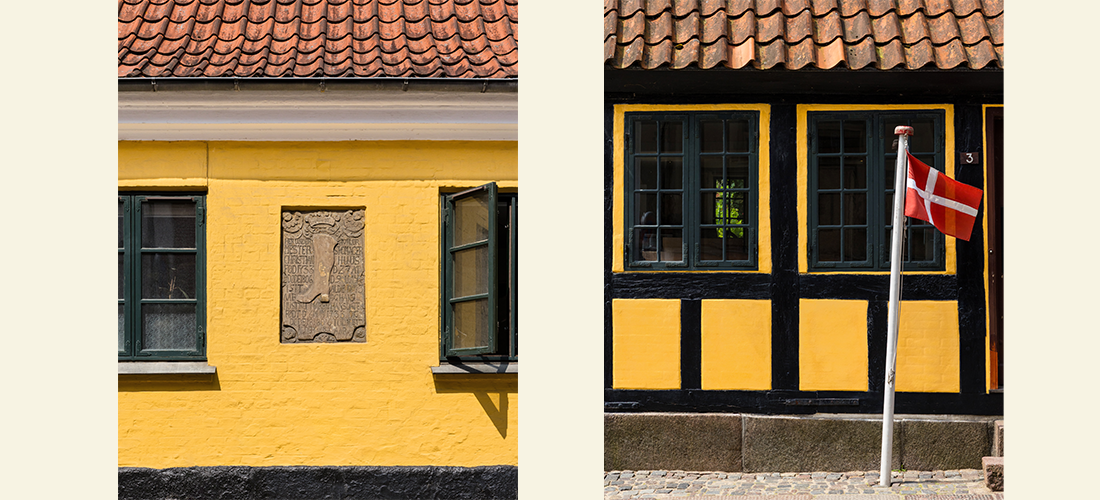
📍 Hans Christian Andersen Childhood Home 📸: Accidentally Wes Anderson
/ 2
While many of his stories have become children’s classics, the author’s own life was a little more nuanced than a straightforward fairy tale. His brilliantly woven stories such as ”The Ugly Duckling” or “The Little Mermaid” many times reflected his own real-life struggles with fitting in, his unluckiness in love, and finding his inner voice (or swan). An eccentric and quirky personality, the author often struggled with finding the positive. With ringing endorsements and fame continuing to follow him throughout his life (like national treasure stipends), the anxious Andersen kept a collection of rejection letters from publishers and lovers, sought out bad reviews of his work, and even assumed the worst before heading to bed. He was known to carry rope with him to escape in case of a house fire, and sometimes left a note on his bedside table reading “I only seem dead” to make sure his sleeping body be mistakenly buried alive.

📍 Hans Christian Andersen Museum 📸: Accidentally Wes Anderson

📍 Hans Christian Andersen Museum 📸: Accidentally Wes Anderson
/ 2
Even with all of his quirks and paranoia, Andersen’s passing in 1875 was a day of international mourning, and his legacy lives on especially in his proud hometown. Where Hans lived the first fourteen years of his life, the city of Odense is also home to the Hans Christian Andersen museum amongst the many statues the decorate the city’s streets. A large collection reflecting on Andersen’s life as well as including his birthplace and childhood home, the museum is a magical gateway into the author’s storybook world. The latest addition was inaugurated in 2021, designed by Japanese architect Kengo Kuma as a “house of fairytales” that immerses visitors in Andersen’s stories, and includes a fanciful garden featuring homages to the author’s many stories.
With young people playing in the museum’s gardens, and even adults finding childlike joy journeying through the immersive exhibits, it’s evident that more than 150 years since his passing, Hans Christian Andersen is still quite the national treasure.