 Login
Login
 login / signup

















High in the mountains of central Portugal, a little-known tradition that had sustained the region for centuries was quietly on the verge of extinction, until one woman arrived.
For generations, burel – a dense wool fabric rooted in the highlands and long favored by farmers and shepherds for its warmth and near-waterproof durability – was manufactured here.
In its heyday, the region was home to nearly a dozen factories employing hundreds of locals. But as manufacturing moved overseas, mills closed one by one, leaving the economy to unravel. The last factory closed its doors in 2005.
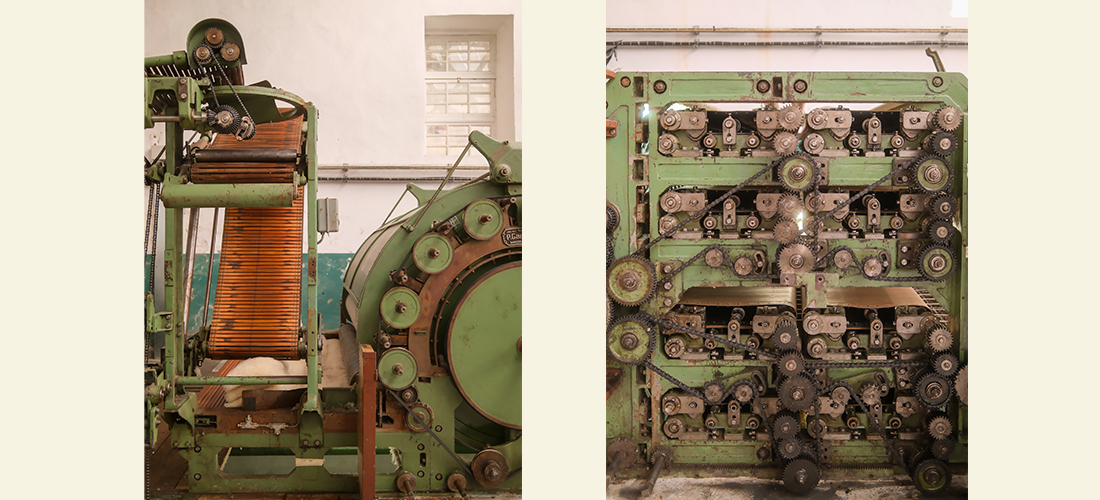
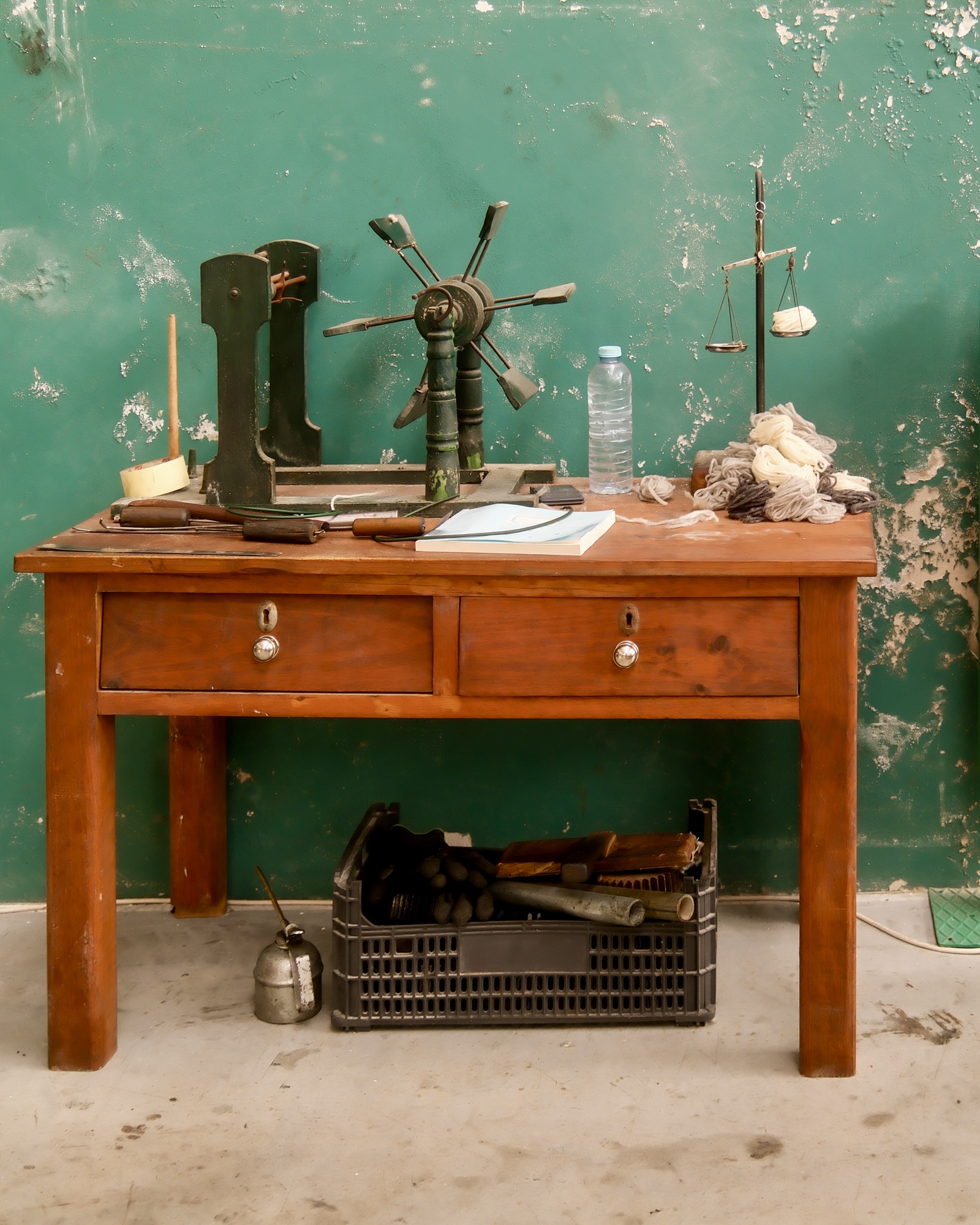
A year later, Isabel Costa arrived in Manteigas hoping to open a small hotel in the picturesque valley, but as she learned about the village’s history, her vision expanded. She decided to purchase and try to revive one of its wool factories to bring burel – and the village – back to life. But time was short; many of the artisans who knew how to operate the antique looms were aging, so she needed to act fast. As she put it, “The machines are beautiful, but they are only beautiful if they work. Otherwise, it’s just a museum.”
Today, the aptly named Burel Factory produces fabric from Serra da Estrela’s native Bordaleira sheep, ensuring traceability and regional impact. A strict zero-waste policy guides production; byproducts are recycled, and the company collaborates with local shepherds and cheese-making workshops to sustain the mountain economy. With more than 100 employees – primarily women – the factory is now Manteigas’s largest employer.

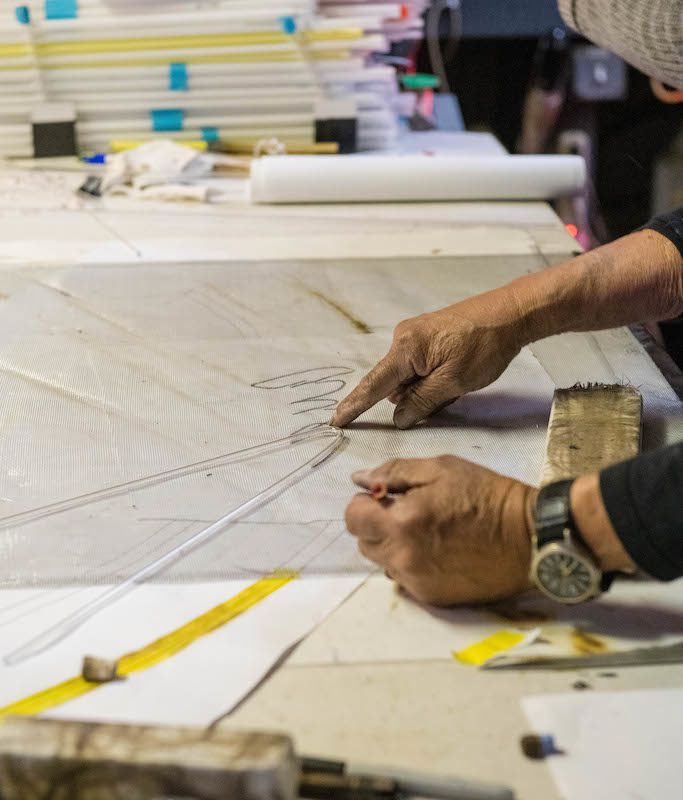
Although large machines drive production, the work remains meticulous. A human hand is essential to keep the process running — each time a strand snaps, it must be retied manually.
The factory’s products have even expanded: from blankets and throws to cushions and curtains, clothing, and even architectural textiles with built-in acoustic insulation. Burel has also found its way into corporate spaces — Microsoft Portugal reportedly commissioned large-scale panels to adorn its office walls.
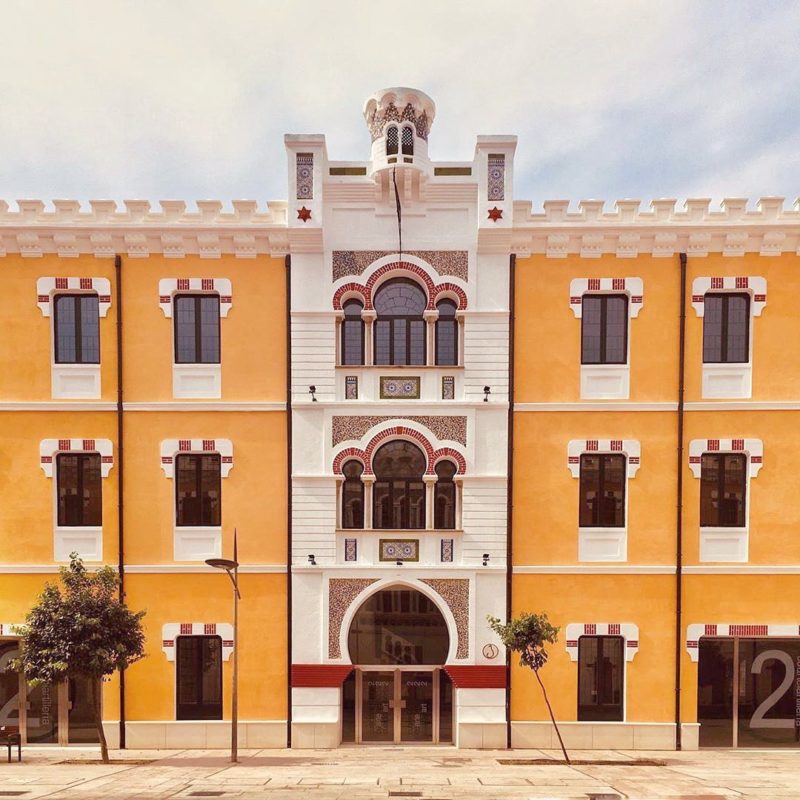
Burel Factory has become both a cultural destination and a symbol of renewal. Its revival has even enticed a younger generation to return and build new roots in the countryside — proof that tradition, when cared for, can sustain both past and future. Visitors can tour the site, watch wool transformed into fabric before their eyes, and witness a heritage once close to vanishing made vibrant again. As Costa says, “It’s a project to save heritage.”