
 Login
Login
 login / signup















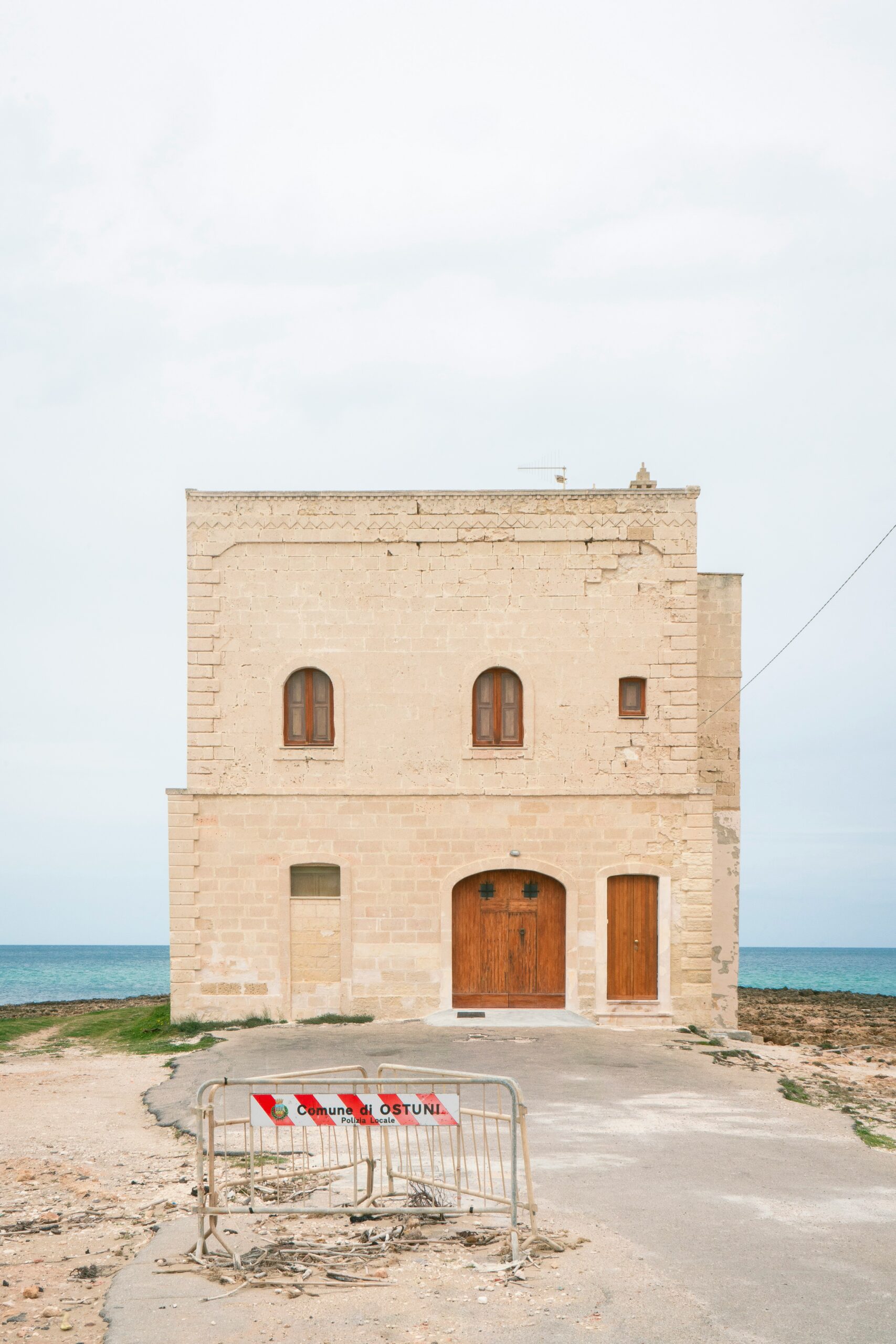


Torre San Leonardo went up in 1569, the work of master builder Scipione Lopes of Gallipoli, who was paid in installments by the royal treasury of the Kingdom of Naples to get the job done. It joined a chain of coastal towers strung along the Adriatic in response to a problem that had been escalating for decades: Ottoman and Saracen raiders treating the Terra d’Otranto coastline as an open buffet. The tower was built square rather than the more common round, a design choice made specifically to fit more cannons inside, since this particular stretch of coast near the freshwater springs at Pilone had a habit of attracting Turkish vessels and not enough artillery to discourage them.
The system worked the way these things were supposed to: watchmen scanned the horizon, and when trouble appeared, they passed word down the line, smoke by day, fire by night, tower to tower, until the whole coast knew what was coming. Torre San Leonardo held its position as the northernmost outpost of the old Terra d’Otranto defenses, in visual contact with Torre Canne to the north and Torre Villanova to the south. For roughly three centuries, this was a perfectly reasonable way to spend a career.
Then the raids tapered off, the tower lost its job, and the 19th century turned it into a summer residence, which is a significant demotion for a building once trusted with naval intelligence. Today it sits inside the Parco delle Dune Costiere, a protected reserve of dunes, wetlands, and Mediterranean scrub stretching between Torre Canne and Torre San Leonardo itself, home to flamingos and herons rather than hostile fleets.
Three centuries of watching for invaders. The current threat level is a heron deciding where to land.
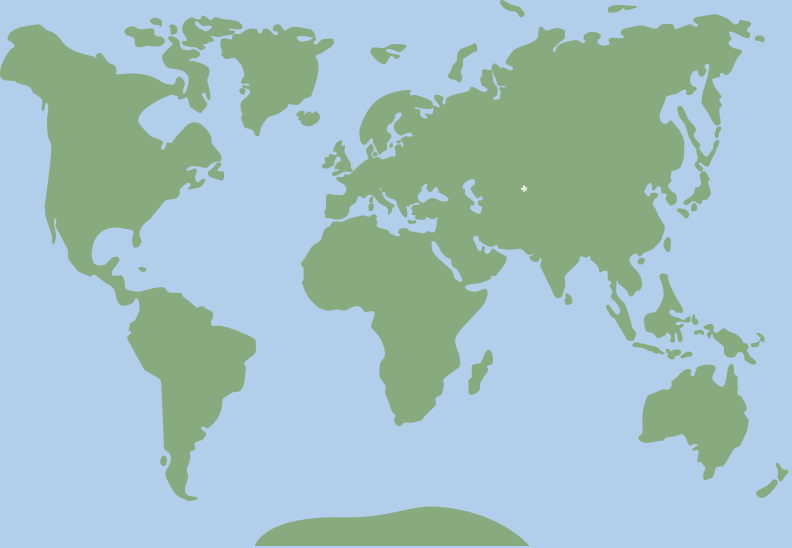 40.8072433, 17.5375108