Login
Login
 login / signup











Funen, Denmark
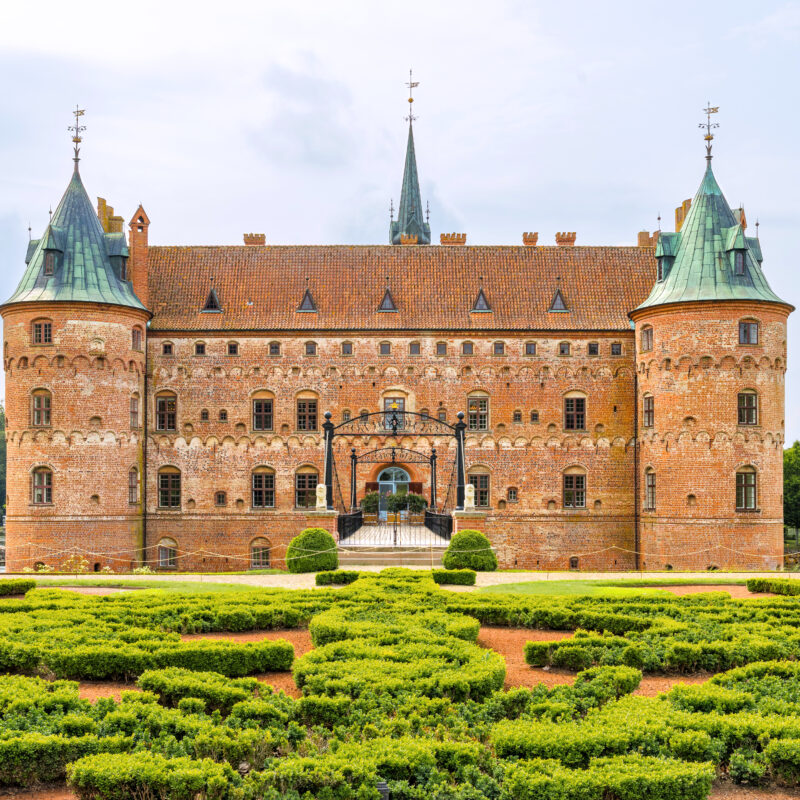
Egeskov Castle
This floating castle appears to be from an enchanted fable, but in actuality it is Europe's best preserved Renaissance water castle.
AWA visted here
Presented with






Dubrovnik, Croatia | C.1522

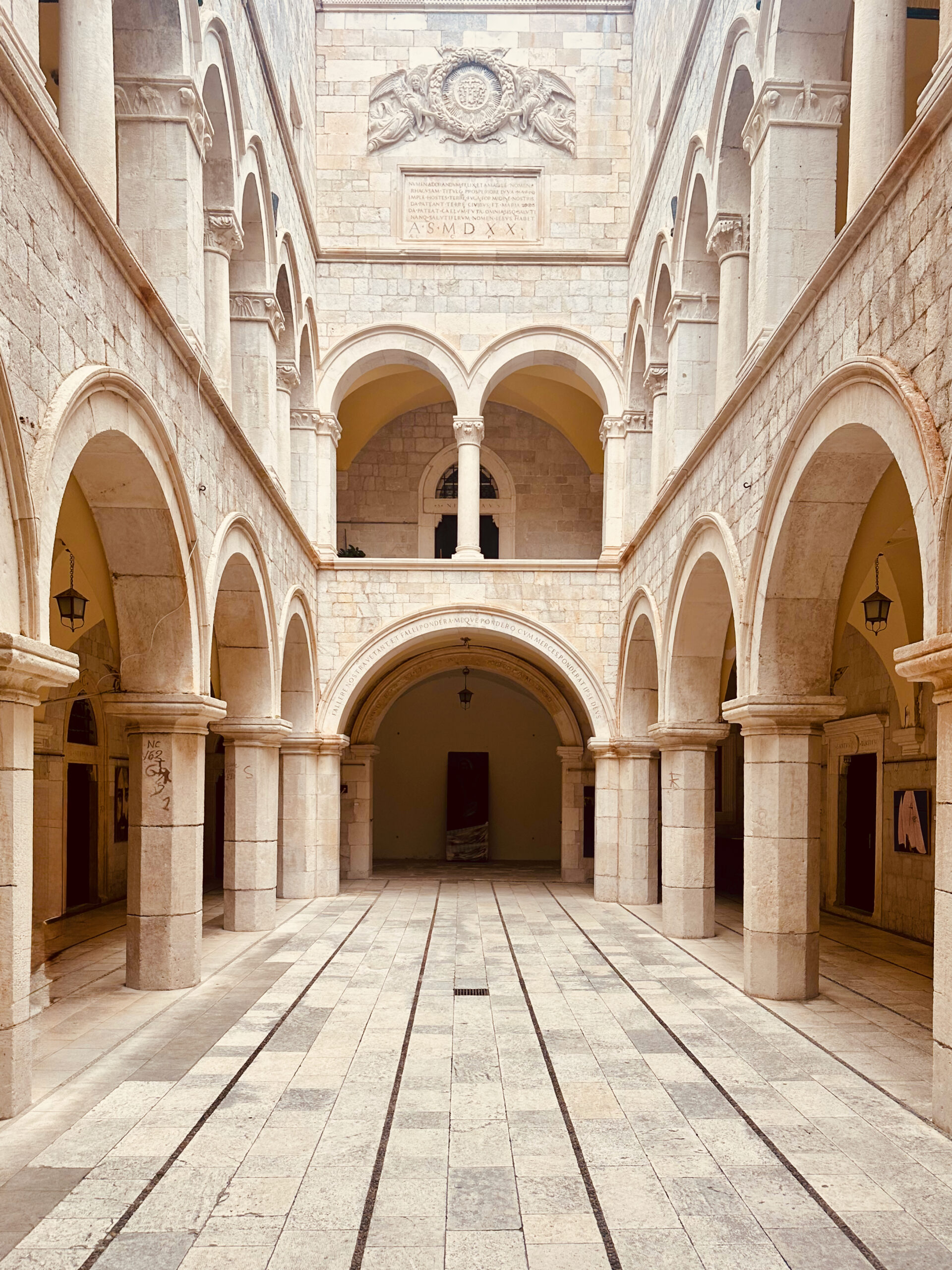
When an earthquake leveled most of Dubrovnik in 1667, Sponza Palace stood firm, one of the few survivors in a city reduced to rubble. Built as the Republic of Ragusa’s customs house between 1516 and 1522 by architect Paskoje Miličević Mihov, it housed not just trade inspectors but also the mint, treasury, and armory of a maritime republic whose fleet rivaled Venice despite having fewer than 10,000 people within its walls. Above the scales where merchants’ goods were weighed, a Latin inscription still warns: when we measure goods, God himself is measuring us, a reminder that in Ragusa, cheating on weights wasn’t just bad business, it was blasphemy.
The building’s survival in 1667 turned out to matter for reasons beyond architecture. With the palace intact, the Republic’s records and administration kept functioning while the rest of the city rebuilt around it, and today those same rooms hold the Dubrovnik State Archives, roughly 100,000 manuscripts spanning nearly a thousand years, with the earliest document dating to 1022. One wing has since taken on a very different kind of record-keeping: a memorial to the defenders of Dubrovnik killed during Croatia’s 1991-95 war for independence, a 20th-century tragedy housed inside a building whose whole reputation rests on having outlasted the 17th century’s.
 42.641108, 18.1106324
Partner


This floating castle appears to be from an enchanted fable, but in actuality it is Europe's best preserved Renaissance water castle.
AWA visted here
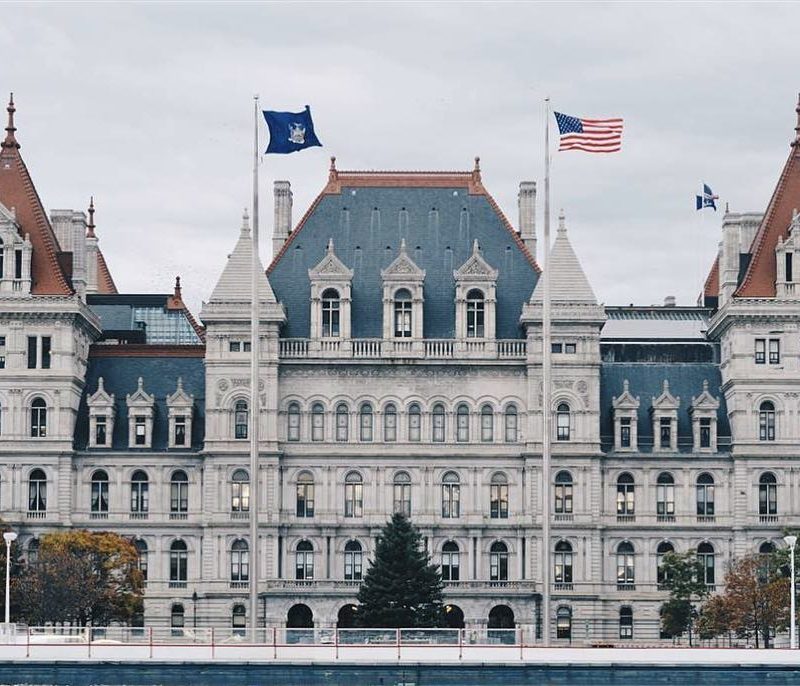
This state capitol building, constructed by three architects in different styles, still stands today thanks to an exterior staircase supporting the Eastern façade.
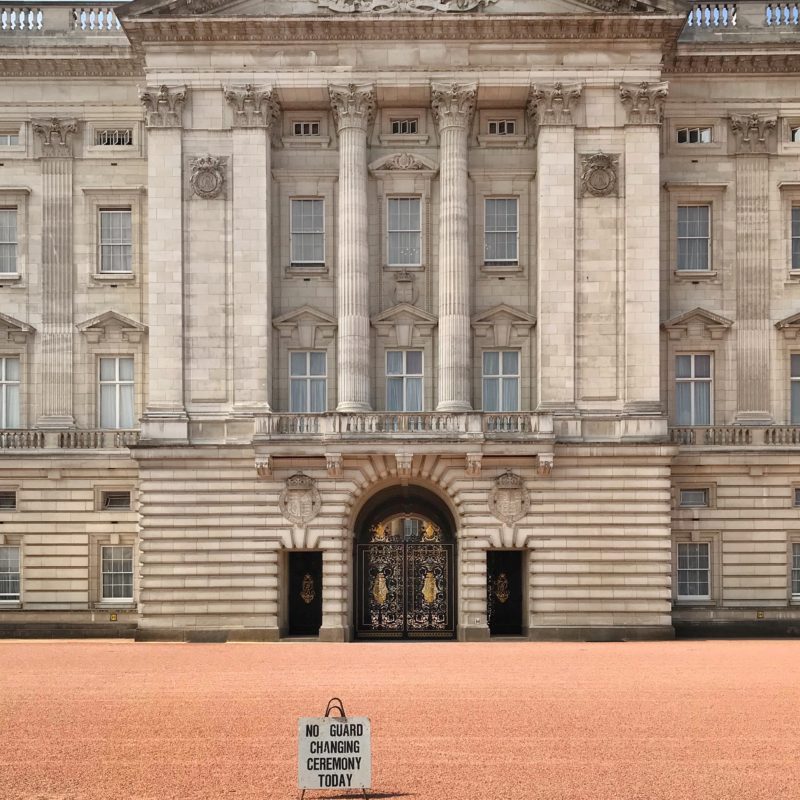
This fixture of British culture was nearly destroyed in World War II after five German bombs were dropped on the palace on Friday the 13th, 1940.
From the CommunityMax file size is 40MB. JPEGs are preferred.
You do not have permission to view this form.