
 Login
Login
 login / signup






















Puerto Escondido keeps its statistics simple. Roughly 800 people get pulled from the water each year across the town’s two main beaches, a figure provided by the captain of the local lifeguard corps and not the kind of number that invites complacency. Most of the rescues happen at Playa Zicatela, where an offshore canyon does something genuinely impressive to incoming swells: it focuses and amplifies them, turning ordinary deepwater waves into faces that occasionally reach 40 to 60 feet. The wave has earned a nickname, the Mexican Pipeline, on the logic that anything this consistently violent deserves comparison to Hawaii’s original.
The lifeguards know the pattern by now. Tourists rent boogie boards without being warned what they are renting them for, or wade into water that looks calm from the beach and discover, too late, that calm and safe are not the same word. The drownings are almost exclusively visitors, which says less about the ocean’s preferences and more about who reads the flags and who reads the sand.
None of this has hurt the wave’s reputation among the surfers it was built for. Zicatela draws the sport’s best for exactly the reasons it should terrify everyone else, and the town has been formally recognized as a World Surfing Reserve, the kind of designation that exists specifically because beaches like this are rare and increasingly crowded by their own fame. For those who would rather not test the canyon’s amplification firsthand, La Punta sits at the beach’s far southern end, gentler, slower, and apparently included in the itinerary precisely so beginners have somewhere to go that isn’t Zicatela.
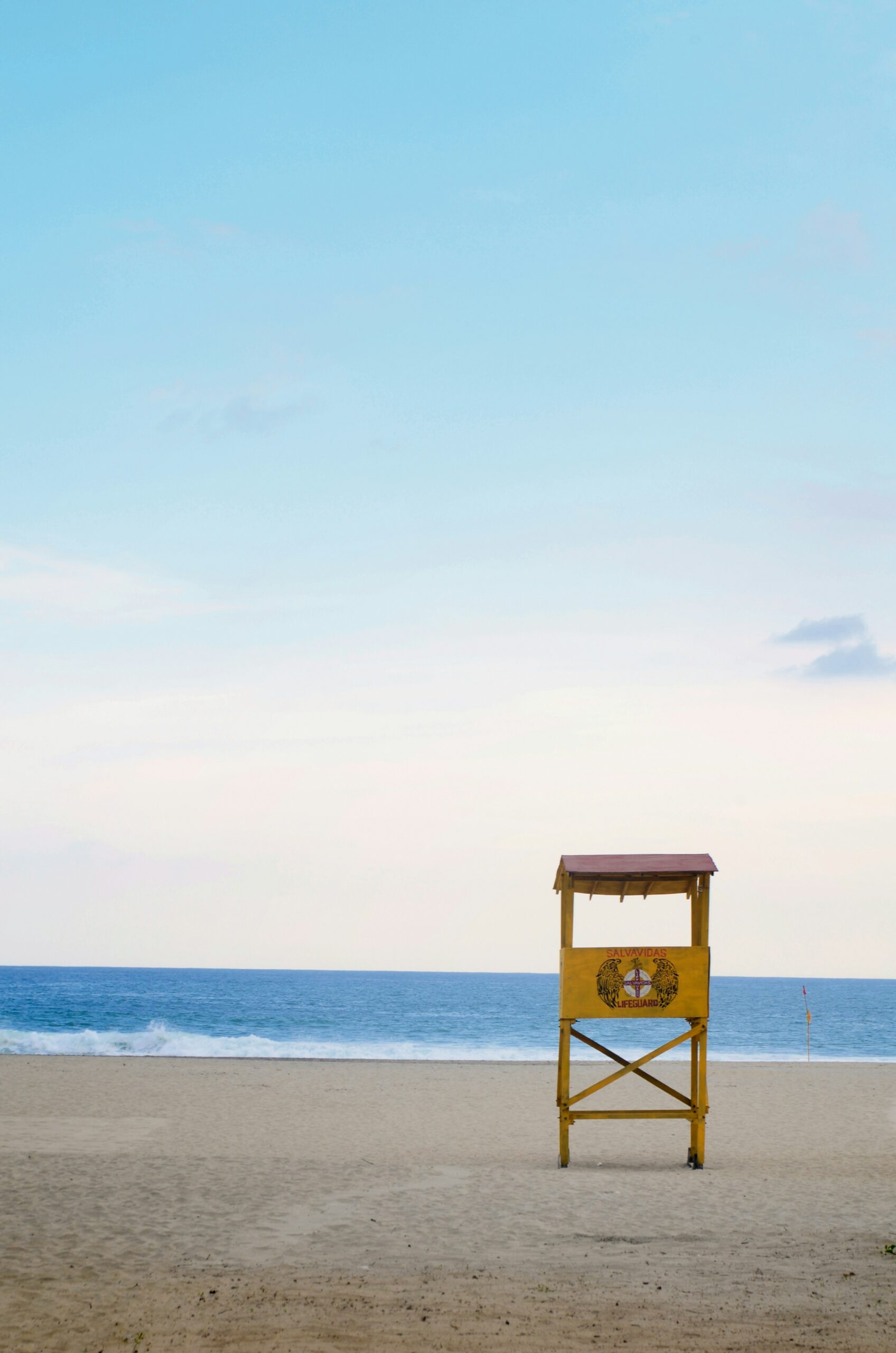
The lifeguard chair at Zicatela isn’t really furniture. It’s the only seat in town with a clear view of the gap between what tourists assume and what the canyon actually does. Hang loose… but not too loose.
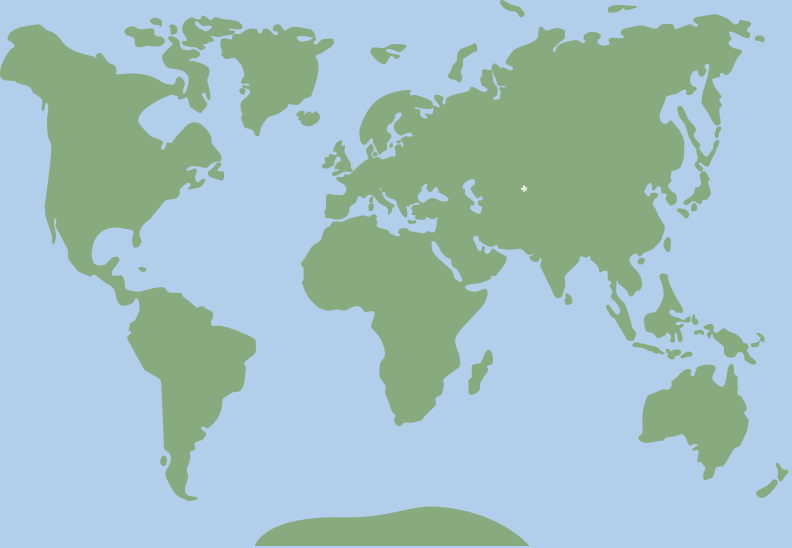 15.8473643, -97.05238