
 Login
Login
 login / signup













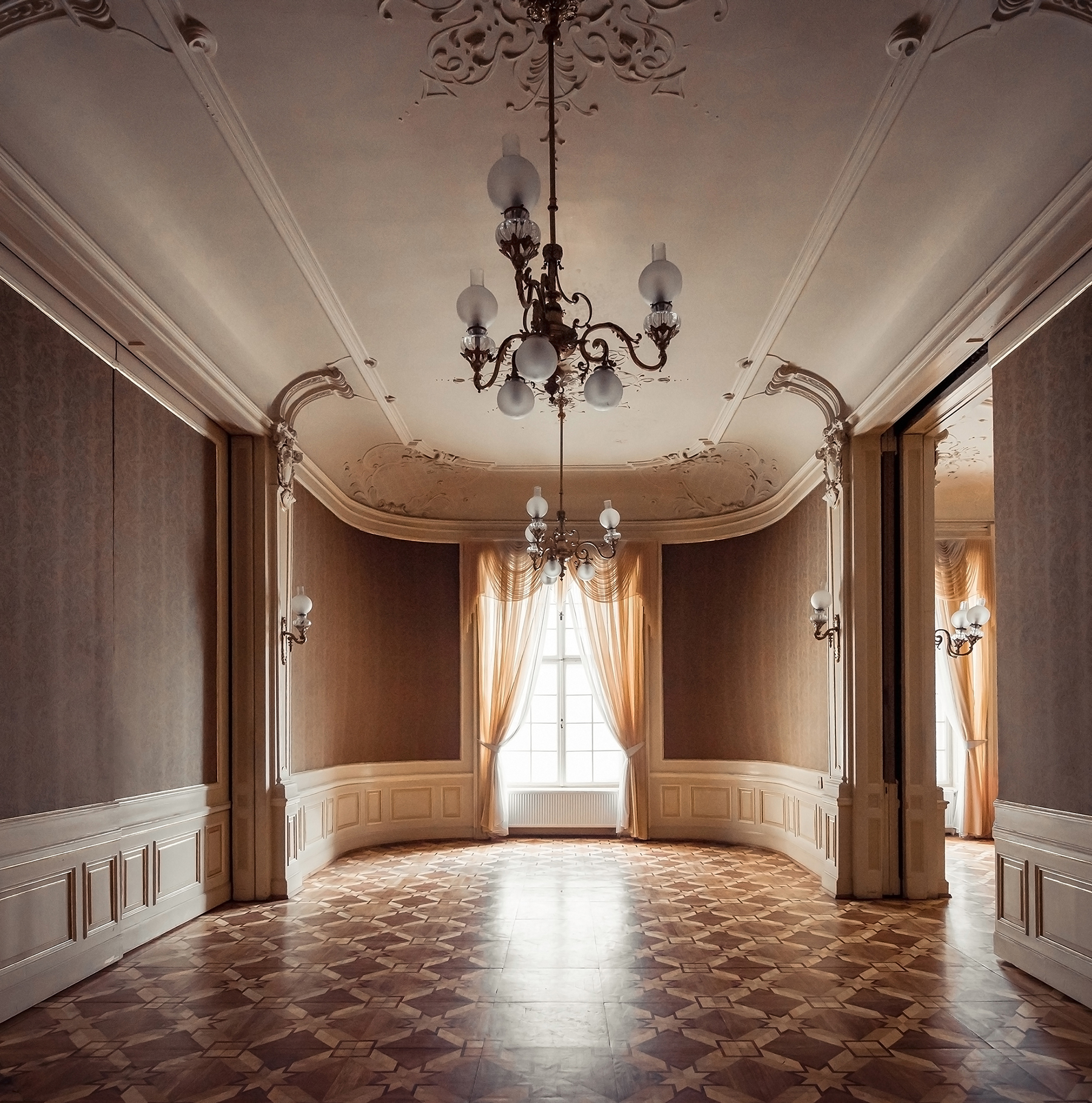


When Fellner and Helmer designed a neo-baroque pleasure palace for wealthy horse breeders in 1898, they made it the first building in Lviv with electric lighting, a glowing beacon for aristocratic deal making and political intrigue. The so called casino wasn’t for gambling. It was where the city’s elite negotiated business over carved oak and alabaster. After World War II, the Soviets repurposed the opulent halls for academics, transforming a horse breeder’s clubhouse into the House of Scientists, where intellectual pursuits replaced equestrian ones.
Fellner and Helmer were, at the time, busy stamping their signature neo-baroque style across half the Austro-Hungarian Empire, having already delivered opera houses in Odesa and Zurich and theatres from Budapest to Bielsko-Biała. Lviv’s version came with a carved staircase famous enough to later appear in a Three Musketeers adaptation, and a glass ceiling that lit the whole ascent from above rather than the side, an architectural flourish nobody particularly needed for a horse breeders’ social club. The building’s champagne fountain suggested a similar disregard for restraint. By 1948 the aristocrats and their horses were long gone, replaced by scientists who inherited a building better suited to negotiating land deals than delivering lectures, and who seem to have made peace with that arrangement anyway.
 49.8411462, 24.0213453