
 Login
Login
 login / signup



















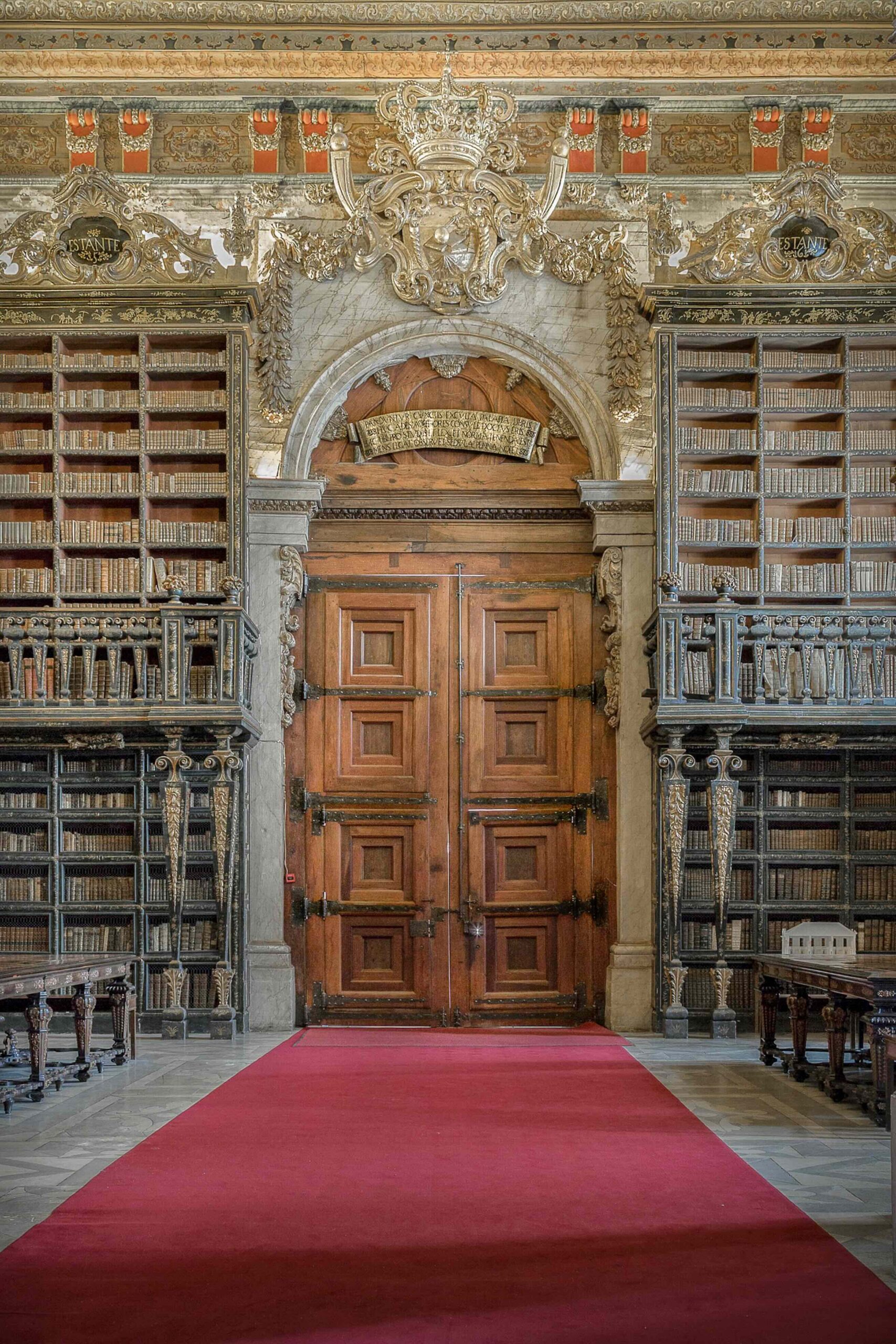

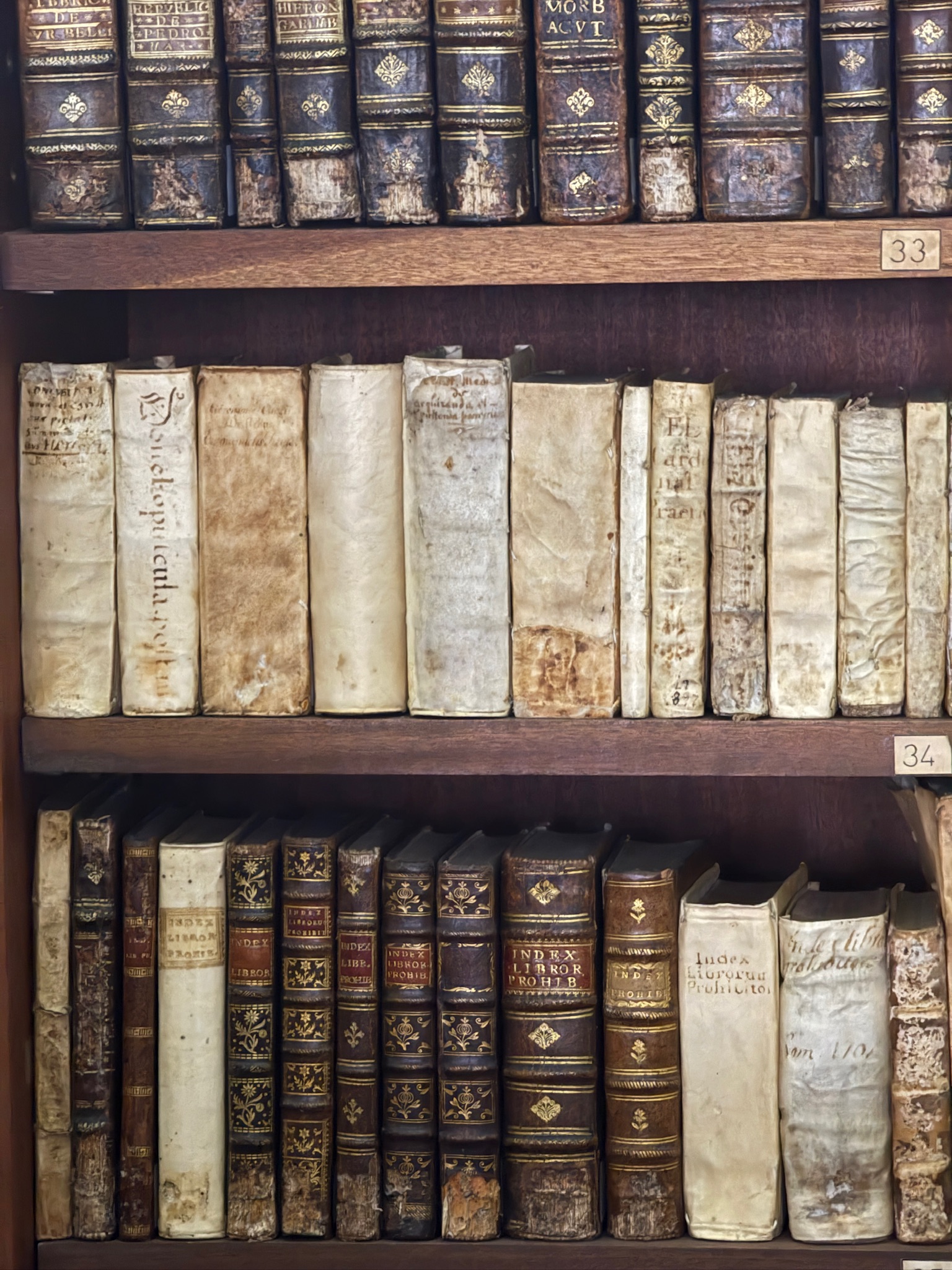


The Joanina Library was built directly on top of a prison. When construction began in 1717, architects needed a foundation strong enough to support the massive baroque reading rooms, so they used the existing medieval prison structure beneath, with its stone walls and cells literally holding up the library above. This wasn’t just any prison: it’s the oldest one preserved in Portugal, dating to the late 14th century when it was part of the Royal Palace built outside the Muslim walls. The University had wanted its own jail since 1541, finally getting official permission in 1591. The reason? Academic privilege. Under a system called the Academic Forum, the University of Coimbra governed itself with its own laws and justice system, keeping students separate from common criminals- a setup that lasted until 1834. By 1782, the prison had expanded to include communal cells, a visiting room, a prayer room, and latrines, all tucked beneath thousands of gilded books.
Above this foundation of confinement, an entirely different system of order emerged. For roughly 250 years, bat colonies have patrolled the stacks each night, devouring paper-eating insects that threaten the library’s 60,000 volumes. Staff cover tables every evening with large Russian leather sheets- purchased since the late 1700s specifically to protect furniture from possible bat droppings. It’s an arrangement that works: the bats provide pest control, the leather provides protection, and the books survive.
From medieval cells below to winged guardians above, the Joanina has always been a building where someone, or something, is doing time.
 40.2071974, -8.426338