
 Login
Login
 login / signup










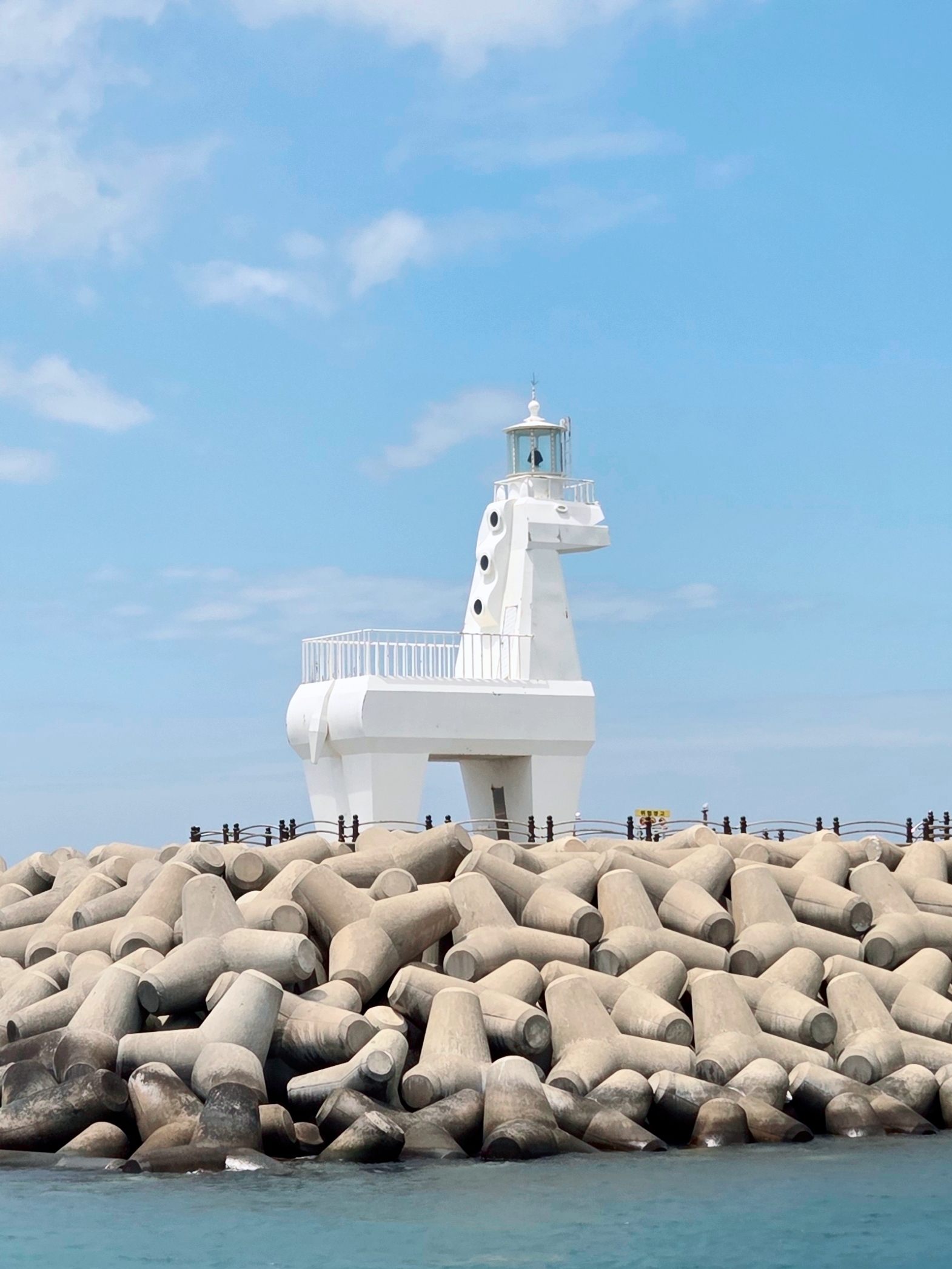


For centuries, Jeju sent more horses to Korea’s mainland than anywhere else, so many that a saying emerged: send people to Seoul, send horses to Jeju. When Kublai Khan arrived in 1276 with 160 Mongolian horses and an occupation that would last a century, the Mongols eventually took some 30,000 horses back with them, which suggests the island’s reputation was well-founded and also that Kublai Khan had an excellent eye for logistics.
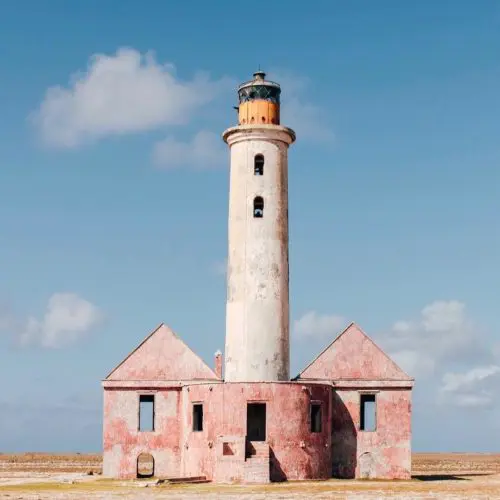
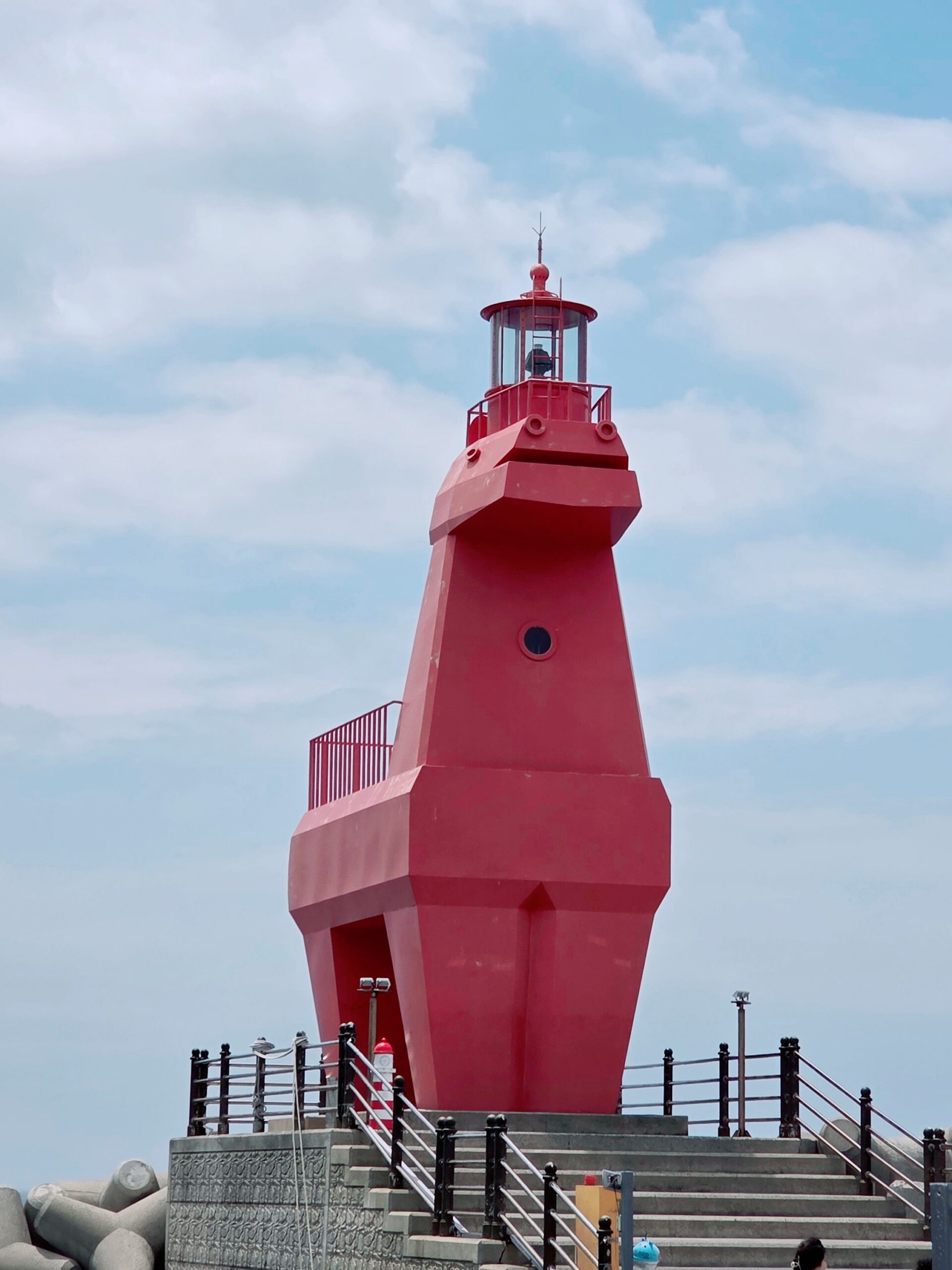
By the 1980s, mechanization had reduced the native Jeju horse population to approximately 1,200, which is the kind of number that tends to concentrate minds. Conservation efforts followed. The breed survived. On Iho Tewoo Beach in Jeju City, two horse-shaped lighthouses now stand at the water’s edge where the island’s most prized export once departed: one red, one white, their colors carrying the navigational logic of maritime beacons while gesturing toward something older. The beach itself has shifted over the decades from working waterfront to one of South Korea’s more photographed coastal destinations, a transformation the lighthouses did nothing to discourage.
The Eongal Coastal Trail approaches the beach on foot, which is the slower way and therefore the better one. At the right hour, the two (Guinness World Record holding!) horses stand against the sky in silhouette, red and white, practical and symbolic, doing what lighthouses do. What remains are two lighthouses, one old saying, and considerably fewer horses than there used to be.
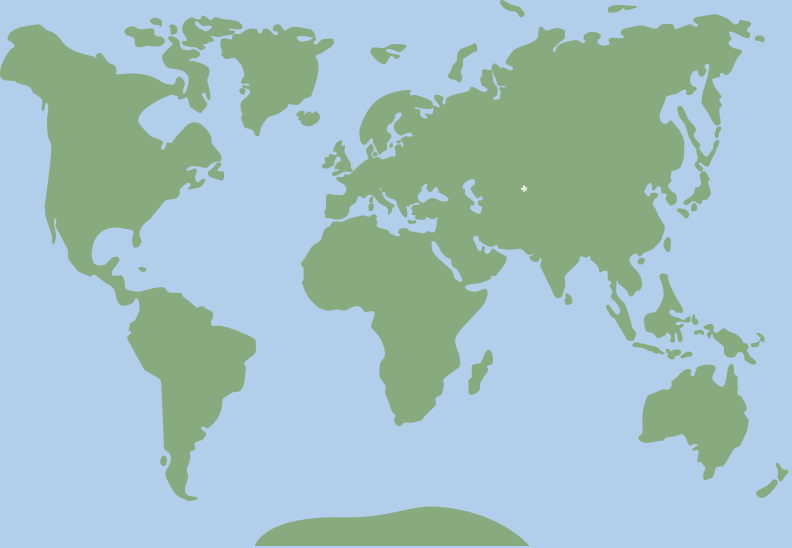 33.501757, 126.4520594