Login
Login
 login / signup












Funen, Denmark
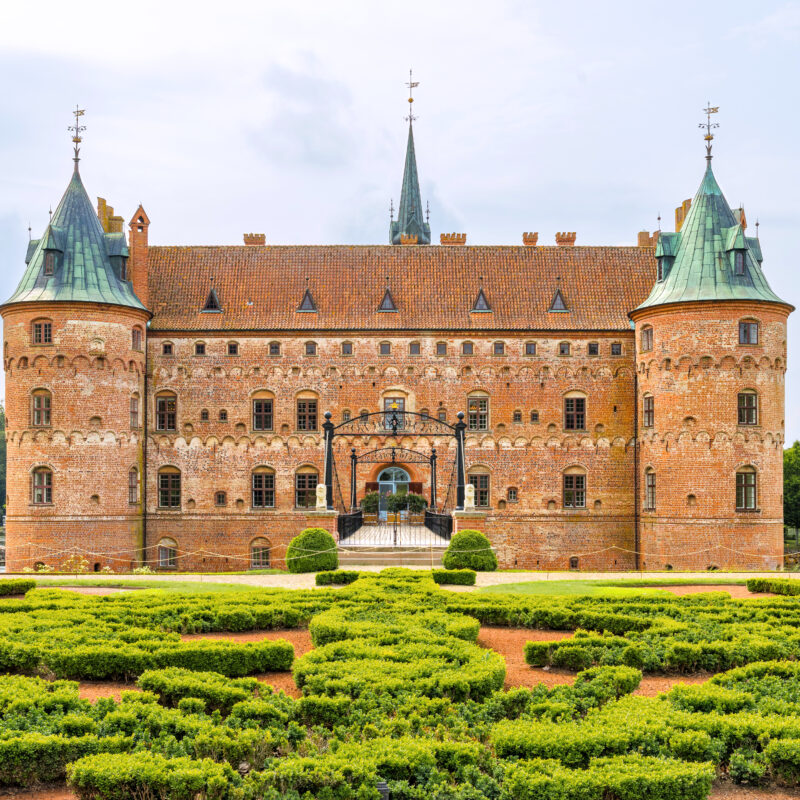
Egeskov Castle
This floating castle appears to be from an enchanted fable, but in actuality it is Europe's best preserved Renaissance water castle.
AWA visted here
Presented with






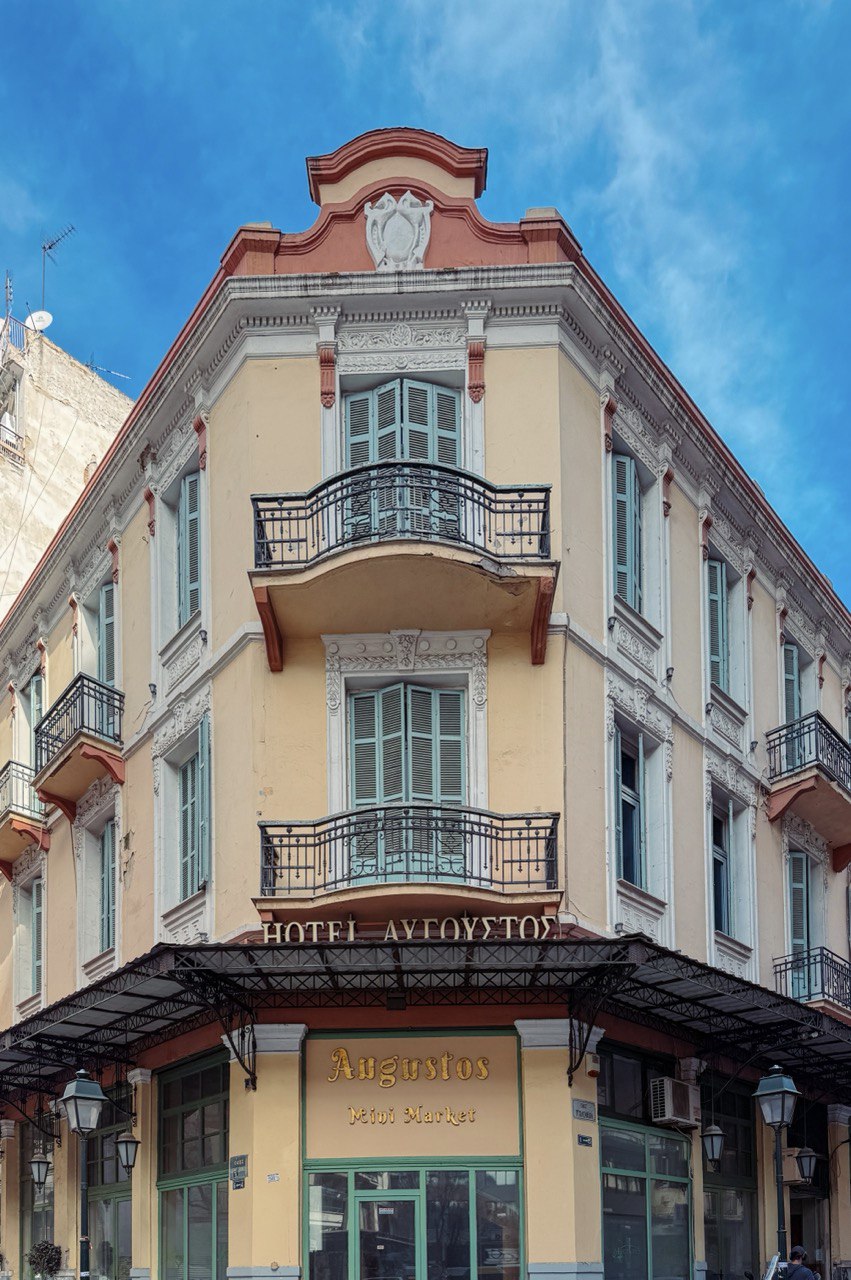
Thessaloniki, Greece | C.1923

When a devastating fire razed two-thirds of Thessaloniki in 1917, the Greek government saw opportunity in the ashes. Rather than rebuild the Ottoman-era labyrinth, Prime Minister Venizelos commissioned French architect Ernest Hébrard to reimagine the city as a modern European capital. Hotel Augustos opened in 1923, one of the first buildings to rise from Hébrard’s ambitious blueprint, a phoenix in a city of phoenixes, now operating for over a century as Thessaloniki continues its perpetual reinvention.
The fire displaced more than 70,000 people, most of them from Thessaloniki’s Sephardic Jewish community, which had called the city home since the expulsions from Spain four centuries earlier. Rebuilding didn’t restore what was lost to its original owners: the government declared the burned district a public utility zone, allowing large-scale expropriation of the land, much of it owned by Jewish families, before Hébrard’s boulevards and squares were laid over it. Many of those families never returned to the neighborhood they’d lived in for generations.
Hébrard worked with a small international team, Greek architects Aristotelis Zachos and Konstantinos Kitsikis, British designer Thomas Hayton Mawson, and fellow Frenchman Joseph Pleyber, though wartime finances meant his most ambitious plans, including a grander version of what’s now Aristotelous Square, were scaled back before they were built. Hotel Augustos went up anyway, a modest three-star building that has spent the century since quietly outlasting the grand vision that made room for it.
 40.6398303, 22.9376365
Partner


This floating castle appears to be from an enchanted fable, but in actuality it is Europe's best preserved Renaissance water castle.
AWA visted here
This resilient theater has weathered two destructive fires, and continues to be one of the most important cultural centers throughout Spain.
Uditore Fabrizio Grech would say this 1745 country house was built for his daughter, but it was in fact constructed to silence critics of his wealth.
Max file size is 40MB. JPEGs are preferred.
You do not have permission to view this form.