
 Login
Login
 login / signup


















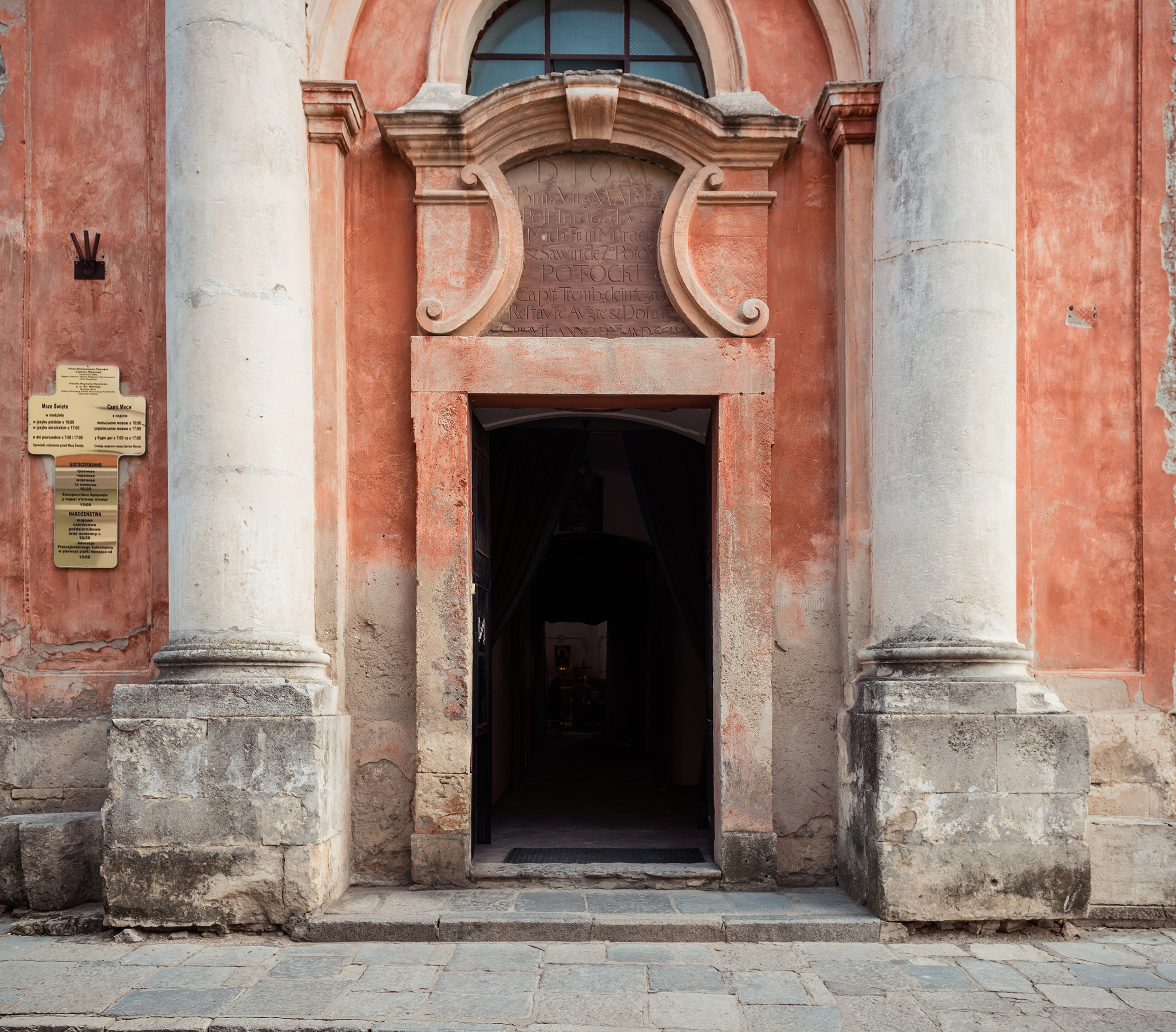


Kamianets-Podilskyi sits on a rocky peninsula encircled by a canyon carved by the Smotrych River, which means the city has always been less a place people passed through than a place they fought over. Polish, Ottoman, and Russian rulers each held it in turn, and each left something behind. The Ottomans, who seized the city in 1672, were there for twenty-seven years, which is long enough to convert a Dominican church into a mosque, install a white stone minbar inside it, and name the whole arrangement after Rabia Gul-Nush, the beloved wife of Sultan Haseki. Then they left, and the Dominicans came back.
The minbar stayed. It stands inside the Church of St. Nicholas today, a Muslim pulpit in a Catholic sanctuary, in a city that is now part of Ukraine. It is one of the few Ottoman-era artifacts preserved in a Catholic church anywhere in the country, which makes it either a remarkable accident of history or a very efficient use of limestone, depending on how you look at it.
The Old Town preserves the rest of the palimpsest at similar density: Catholic churches, Orthodox cathedrals, and the remnants of Ottoman mosques arranged inside a canyon moat, in a city that most visitors to Ukraine have not yet found. Kyiv gets the visitors. Kamianets-Podilskyi gets the minbar.
 48.6967162, 26.5825364