Login
Login
 login / signup










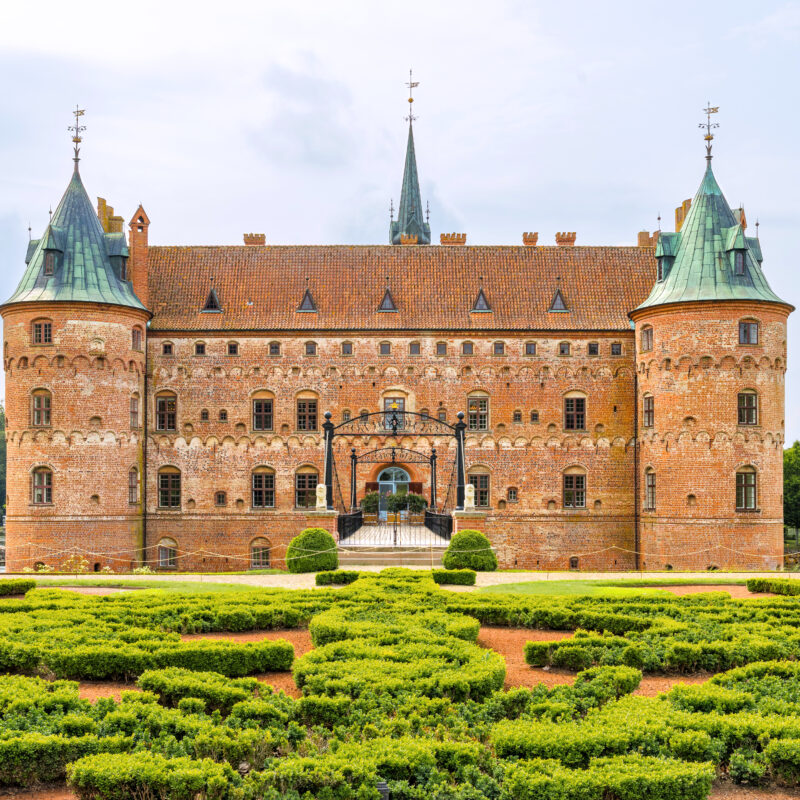

Funen, Denmark
Egeskov Castle
This floating castle appears to be from an enchanted fable, but in actuality it is Europe's best preserved Renaissance water castle.
AWA visted here
Presented with





Corfu, Greece | C.1840

When the Ionian Bank opened in Corfu in 1840, it became Greece’s first bank, though it was established in London to finance trade for a British protectorate. Its first banknotes weren’t even in drachmas, but Spanish dollars called columnarios. Today, the bank’s neoclassical headquarters houses a museum chronicling Greek history through currency: from revolutionary bonds in 1822 to a 100 billion drachma note from 1944’s hyperinflation (worth just 2 drachmas after the crisis ended). Admission and guided tours are free.
The building itself is part of the story. Designed by a local Corfiot architect, the neoclassical structure was an act of civic ambition as much as financial pragmatism, built to project permanence and confidence in a colonial institution that would outlast the British protectorate it served. Inside, the permanent collection traces what happened next: how a bank founded in London with Spanish currency gradually became woven into the fabric of Greek economic identity. Each note in the cases charts a different chapter, from the fragile paper bonds that helped finance the revolutionary war to the increasingly absurd denominations of the occupation-era hyperinflation, when printing presses struggled to keep pace with collapse. The result is a museum where Victorian banking traditions and Mediterranean history fold into each other, and where currency functions less as financial artifact than as a record of everything Greece survived.
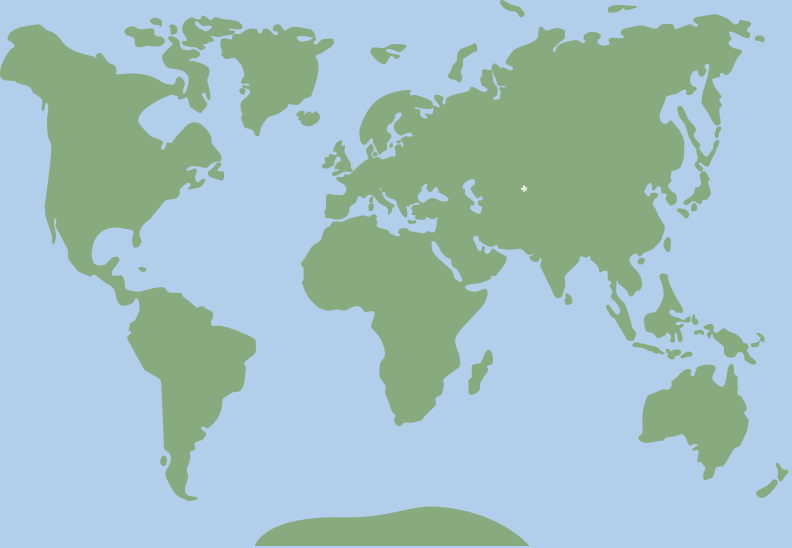 39.6246602, 19.9225251
Partner


This floating castle appears to be from an enchanted fable, but in actuality it is Europe's best preserved Renaissance water castle.
AWA visted here
This resilient theater has weathered two destructive fires, and continues to be one of the most important cultural centers throughout Spain.
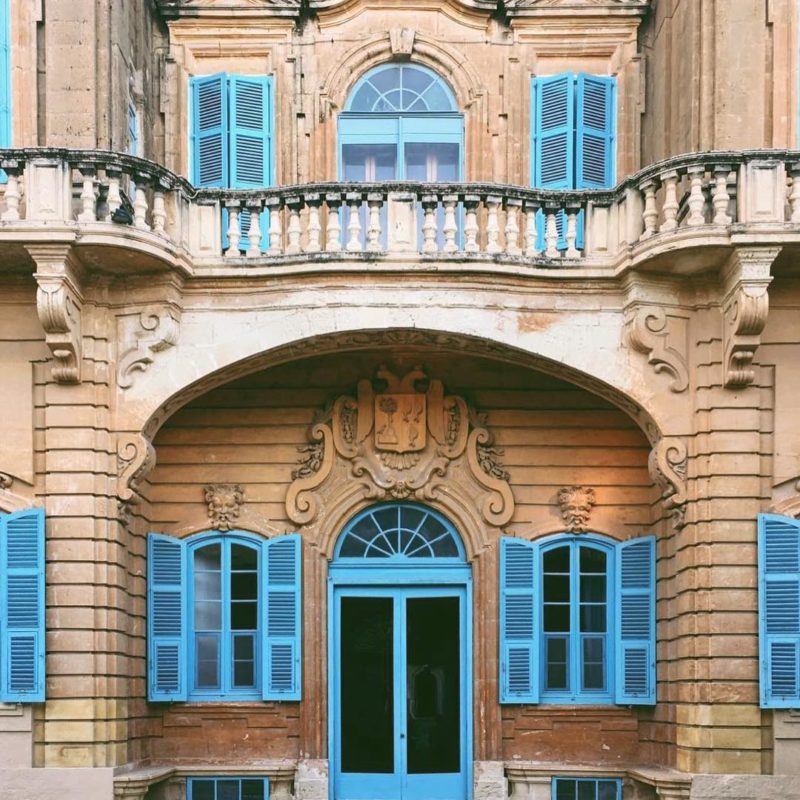
Uditore Fabrizio Grech would say this 1745 country house was built for his daughter, but it was in fact constructed to silence critics of his wealth.
Max file size is 40MB. JPEGs are preferred.
You do not have permission to view this form.