 Login
Login
 login / signup


















The city of Lucca spent 144 years building walls to defend against an impending attack from Florence. By the time they finished fortifying the city in 1648, Florence was no longer interested in taking over. What they built in that time, though, became one of the most over-engineered insurance policies in European history.
Construction kicked off on in May 1504, when the “Office of Fortifications” was formed in Lucca. This bureaucratic body had a single-minded mission: keeping the Medici at bay. Florence’s dominion stretched to within 15 kilometers of the city, close enough to feel like a very real threat. Nearly 2,000 workers were needed per day, and people from the surrounding countryside were required to lend a hand at least once a week. They hauled stone and brick, built eleven bastions of different shapes – rectangular, rounded, square-nosed – each designed to eliminate blind spots where enemies might hide. The walls stretch more than 4 kilometers long stretching more than 12 meters into the sky and measuring more than 30 meters wide. For context: that’s thick enough that your next door neighbor could fire a cannon and you wouldn’t hear it through the wall. The three original gates were fortified, closed by drawbridges actuated by chains, by a rolling shutter, and by iron-studded gates in the front and back. The only thing missing from this fortress? An actual war to use it in.
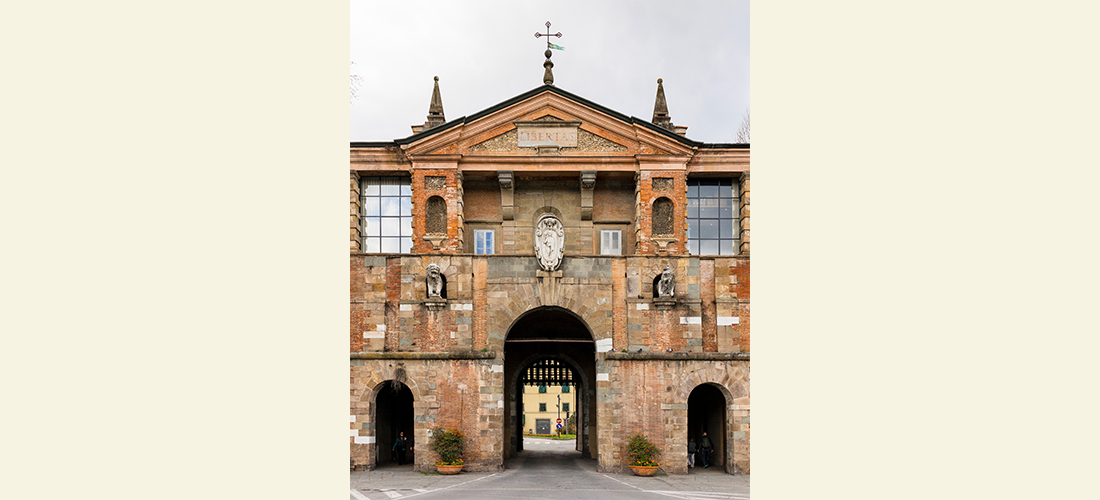
 :
: / 2
An important urban center since Ancient Roman times, Lucca brought in the best military engineers from Modena, Milan, and Urbino. Trees were planted along the walls as a reserve of wood in the event of a siege. Inside the bastions, great brick vaults hid heavy bronze cannons. This was top-of-the-line Renaissance military engineering – a deterrent strong enough to make anyone think twice. But by the time the project wrapped in 1648, the political landscape had shifted. The threat of Medici expansion had faded. The walls stood ready, pristine, and completely unnecessary.
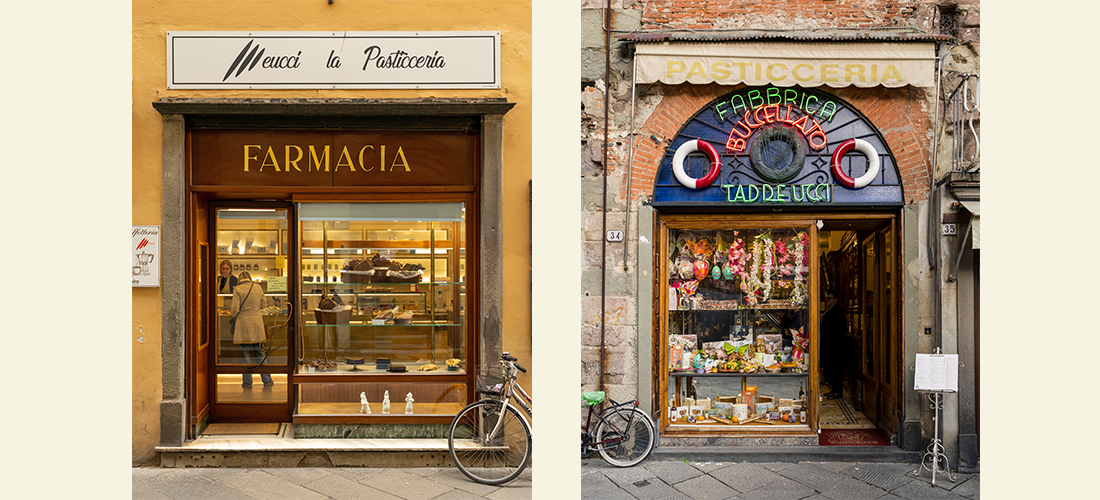
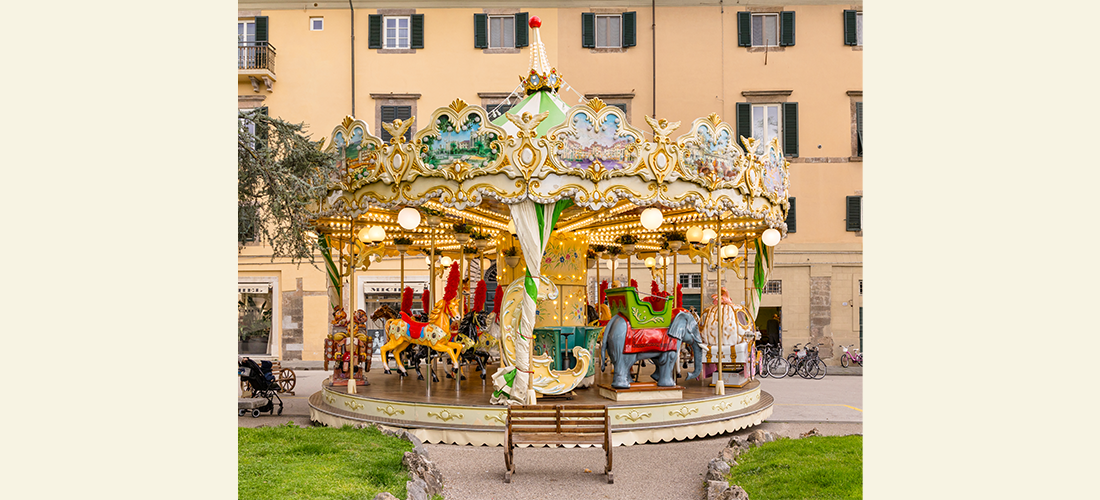
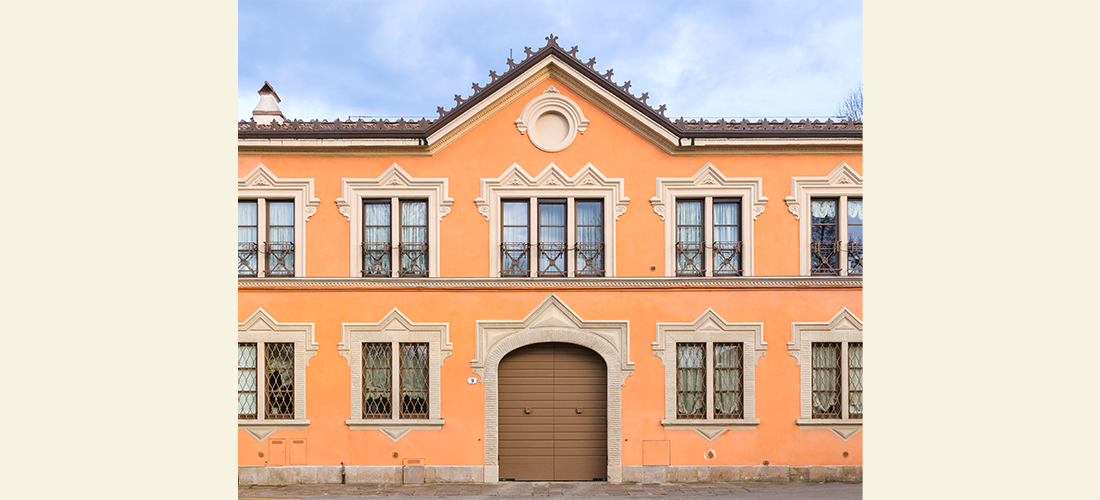
Since completion, the impressive fortifications have never once been attacked or besieged by any humans, though they were however tested by a great flood of the River Serchio in 1812. As the waters rose quickly around the city, the hard work of the Luccans paid off, with the “enemy” of nature never breaching any of the walls or meticulously designed gates.
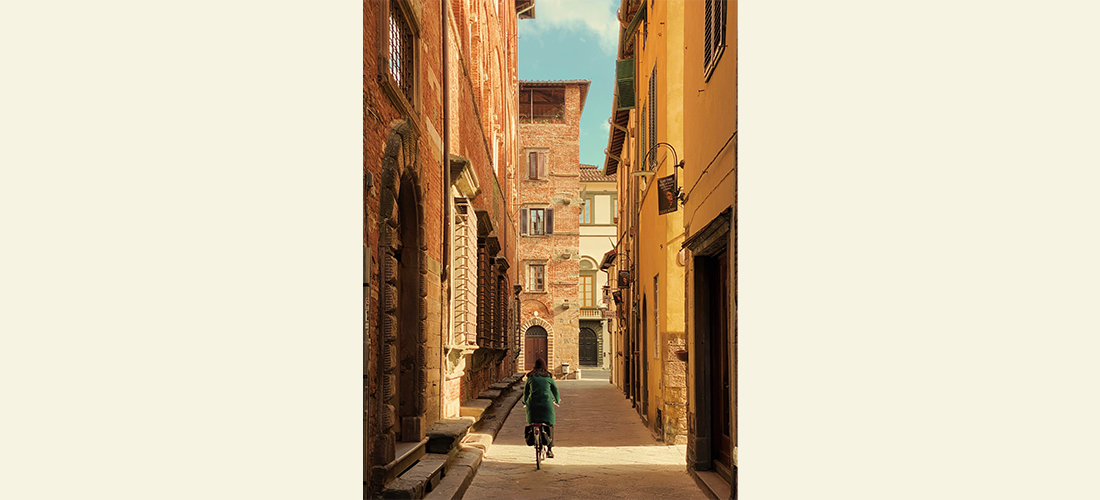
Lucca’s planners probably would never have imagined that today’s walls are no longer guarded by soldiers but instead patrolled by visitors, violinists, and gelato vendors. The old city of Lucca has remained intact – a feat that many cities without such ambitious walls can only envy. With much of the space converted into a promenade, the walls today are perfect for a long walk to admire the city below, from the Romanesque cathedral to the neighborhood pasticceria. The cannons may be long gone, but the view from the bastions? Still worth defending.