 Login
Login
 login / signup




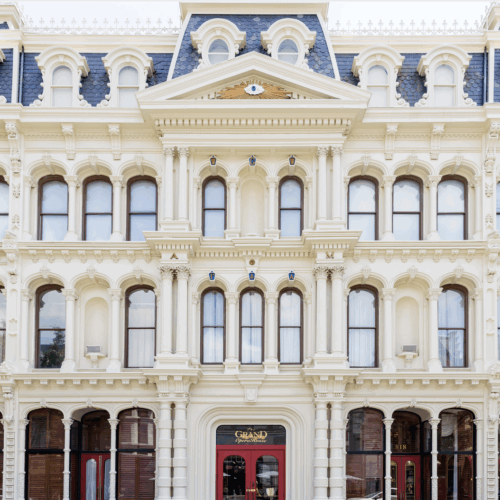















The battered fish in fish and chips arrived in England via Sephardic Jews fleeing the Spanish and Portuguese Inquisition in the 16th century. This was a technique born from religious necessity, not culinary ambition. Jews would batter and fry their fish on Friday before sundown, thereby preserving the fish for consumption throughout the Sabbath, during which they were prohibited from cooking. The batter and oil acted as a preservative, allowing the fish to be eaten cold the following day without spoiling.

The chips? That’s Belgium’s doing. Villagers in the Meuse valley had a tradition of frying small fish from the river, but during harsh winters, the river would freeze over, making fishing impossible. The locals would instead cut potatoes into the shape of the small fish and then fry them. This wasn’t a culinary innovation so much as a pragmatic substitution during months of scarcity.
The two ingredients coexisted in England for centuries without meeting until the 1860s. Joseph Malin, an Eastern European Jewish immigrant, is widely credited with opening the first combined fish and chip shop in London. What had been two separate traditions from two separate corners of Europe became a single meal on the streets of industrial England.
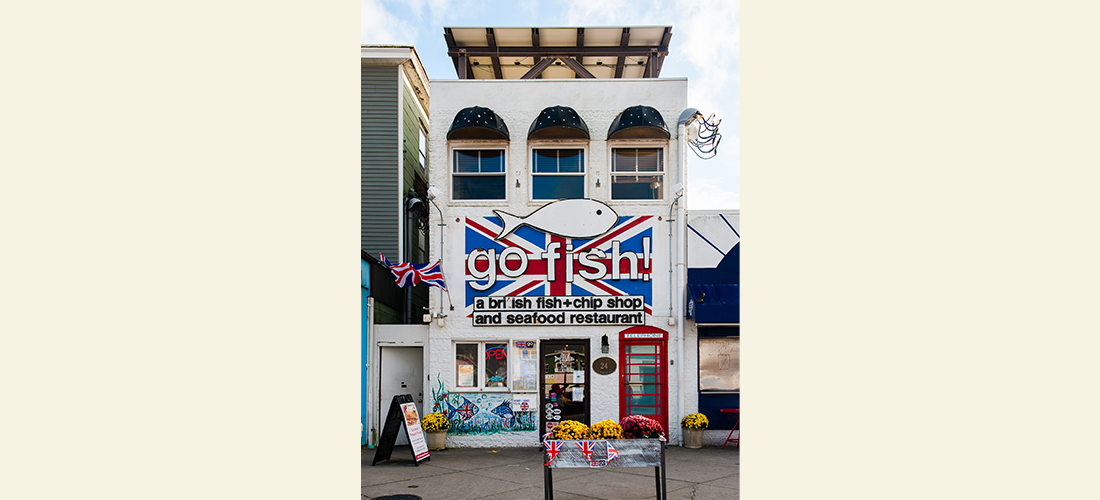
Fish and chips became a staple among the working class as a consequence of rapid development in the North Sea trawl fishing industry and the expansion of railways connecting ports to major cities. Britain’s national dish is an immigrant success story told in grease and salt.