 Login
Login
 login / signup


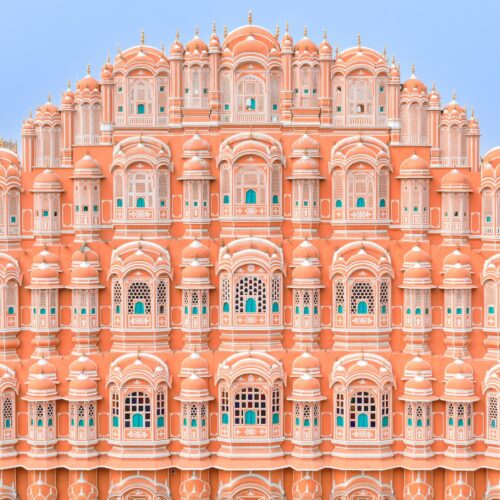
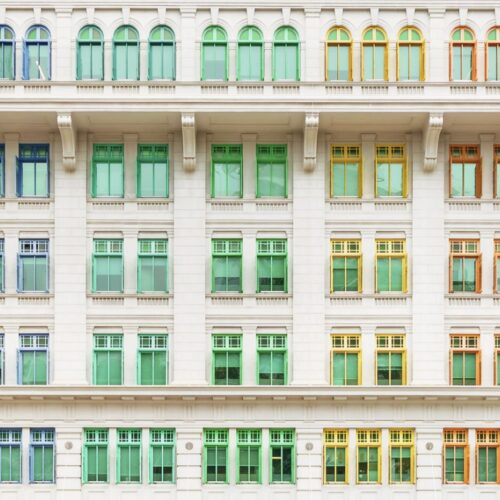
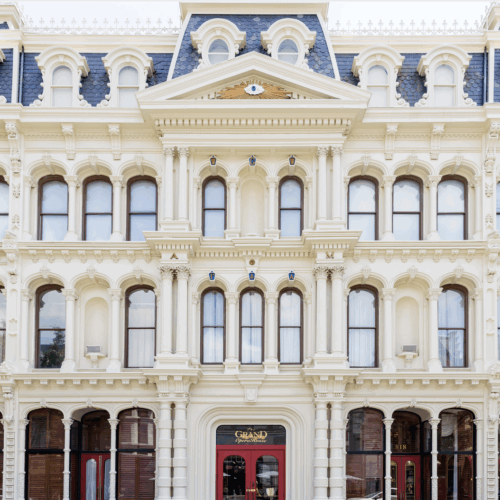
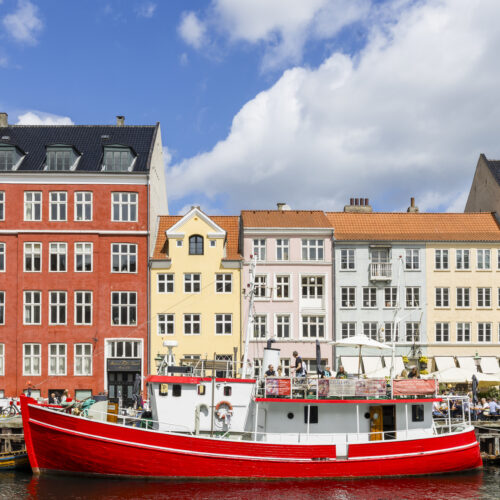


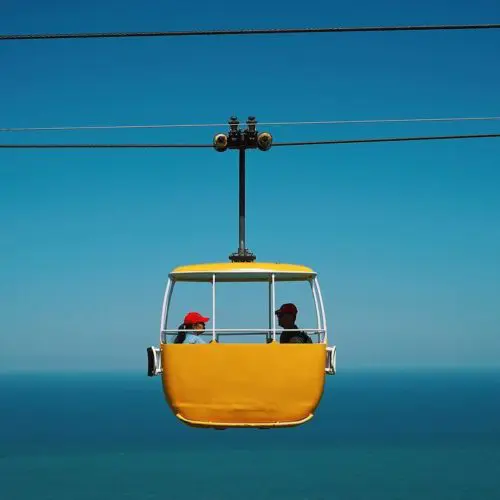
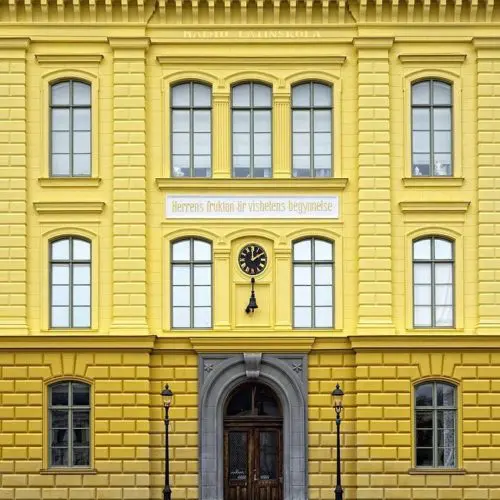

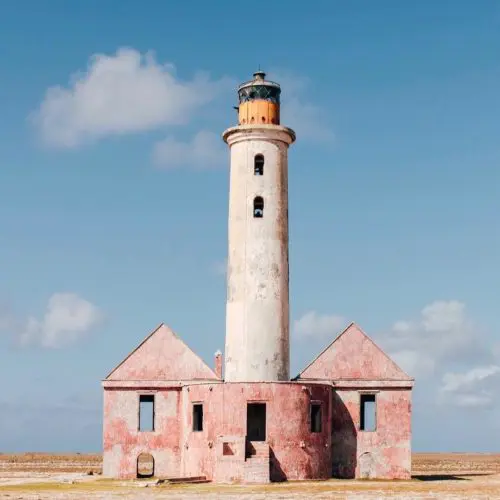


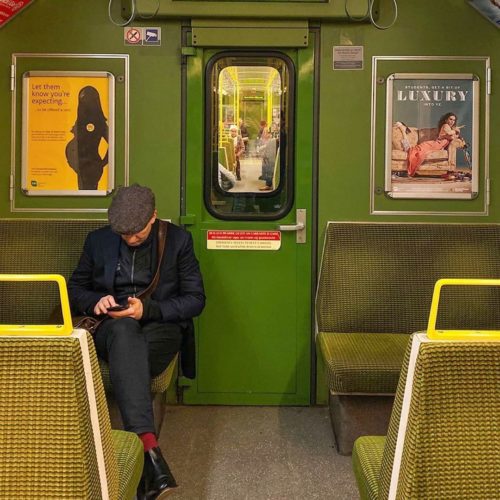



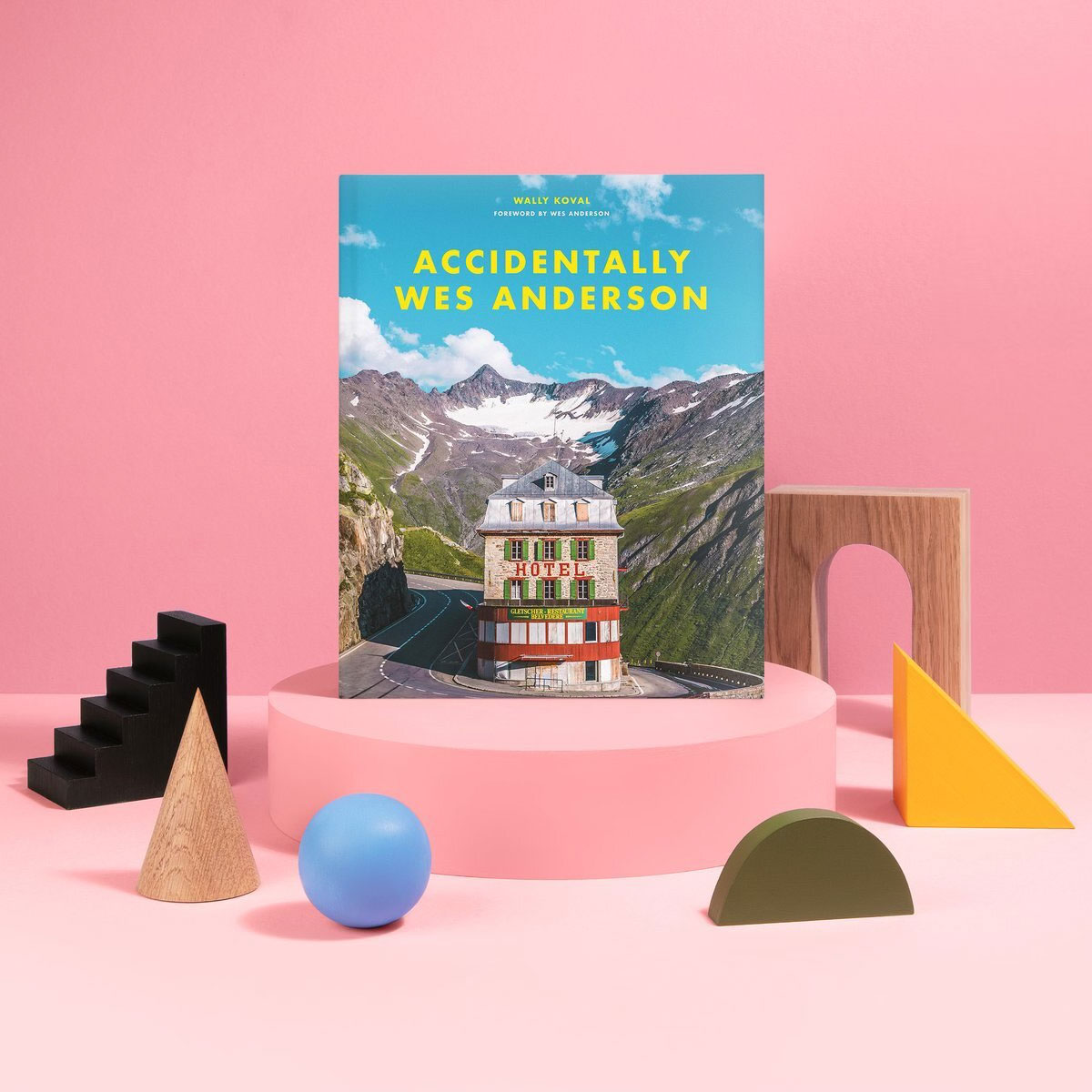


What if the colours of a Wes Anderson film weren’t just felt, but mapped – extracted, labelled, and applied to the facade of a real building? One architecture student decided to find out.
Louis Harrison of Newcastle University extracted color from cinema and painted it onto buildings. The result? A love letter written in Pantone codes.
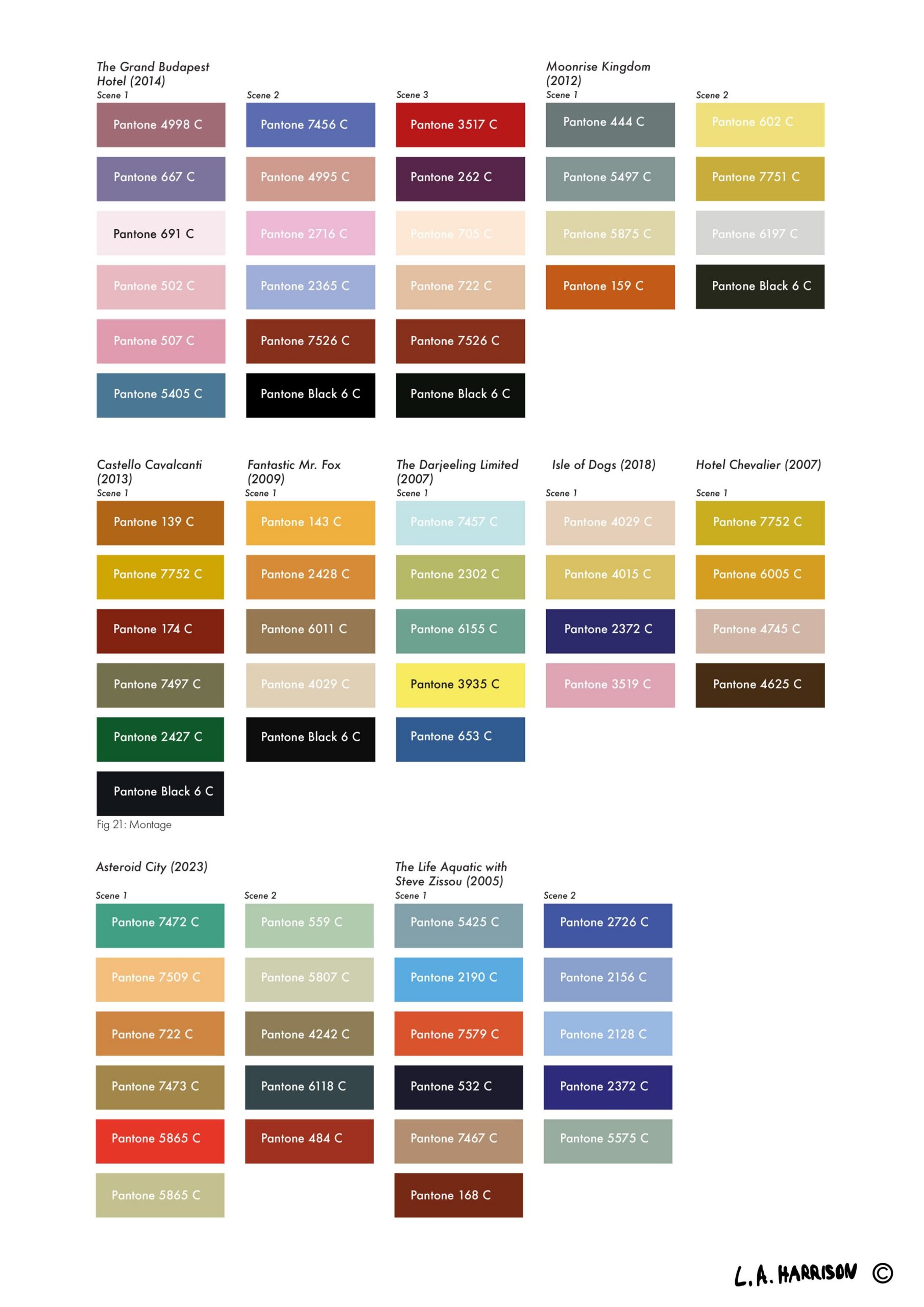
The project, Colour in Cinema: Observing, Analysing, and Reconfiguring the Colour Compositions of Wes Anderson’s Films, treated each film frame not as narrative, but as pure design. Using Adobe Photoshop’s eyedropper, Louis catalogued dominant colors from eleven films, translating them into Pantone codes and architectural palettes. What emerged wasn’t random decoration; it was structural logic that translated directly into architectural color theory.
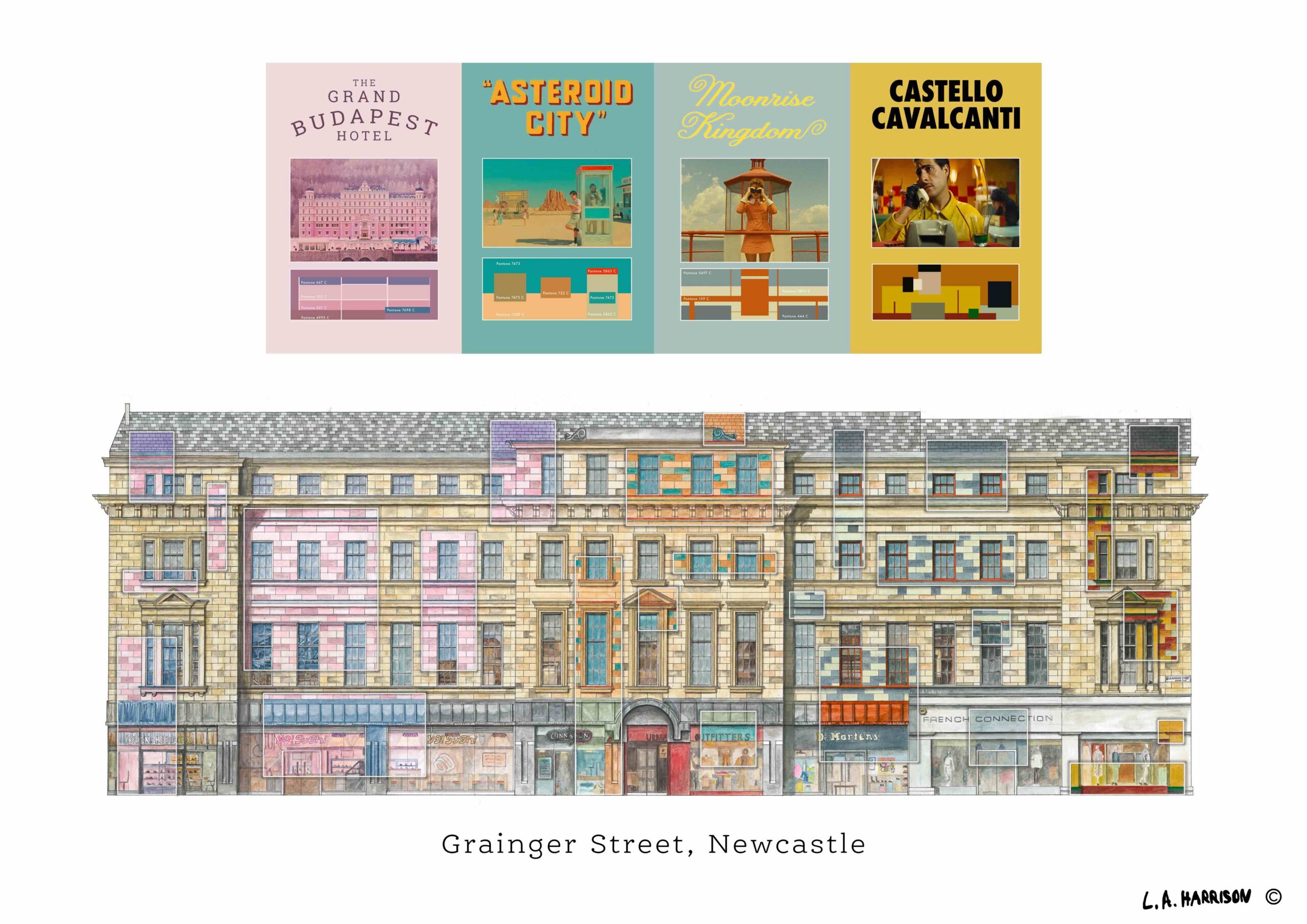
Four principles surfaced: monochromatic scenes using five or six shades of the same color to create depth, complementary colors kept apart by neutral tones to prevent visual cancellation, unnatural hues popping against natural backdrops, and tiny bursts of high-contrast color working as visual magnets.
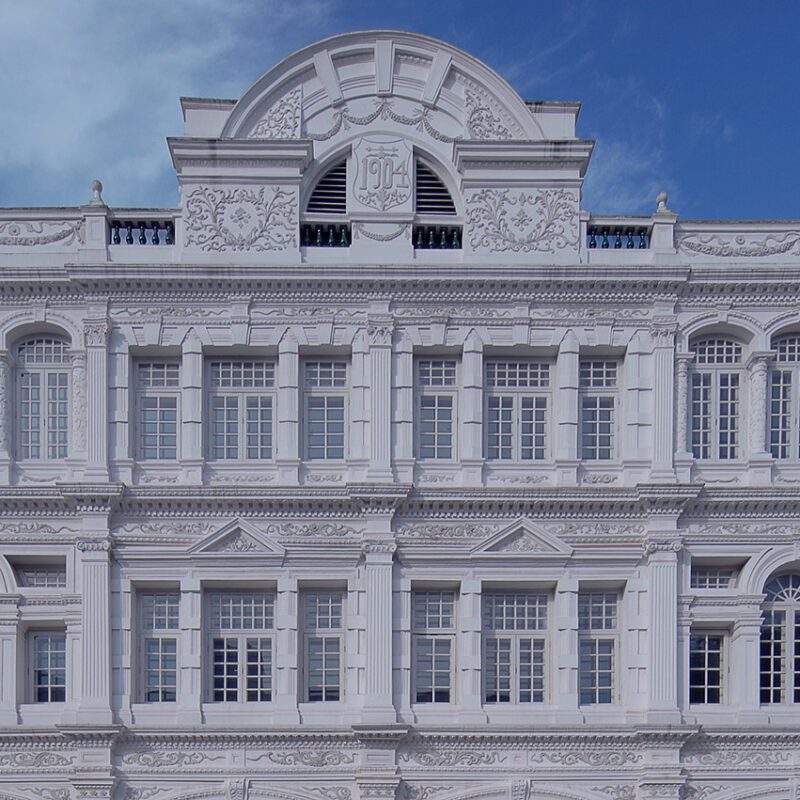
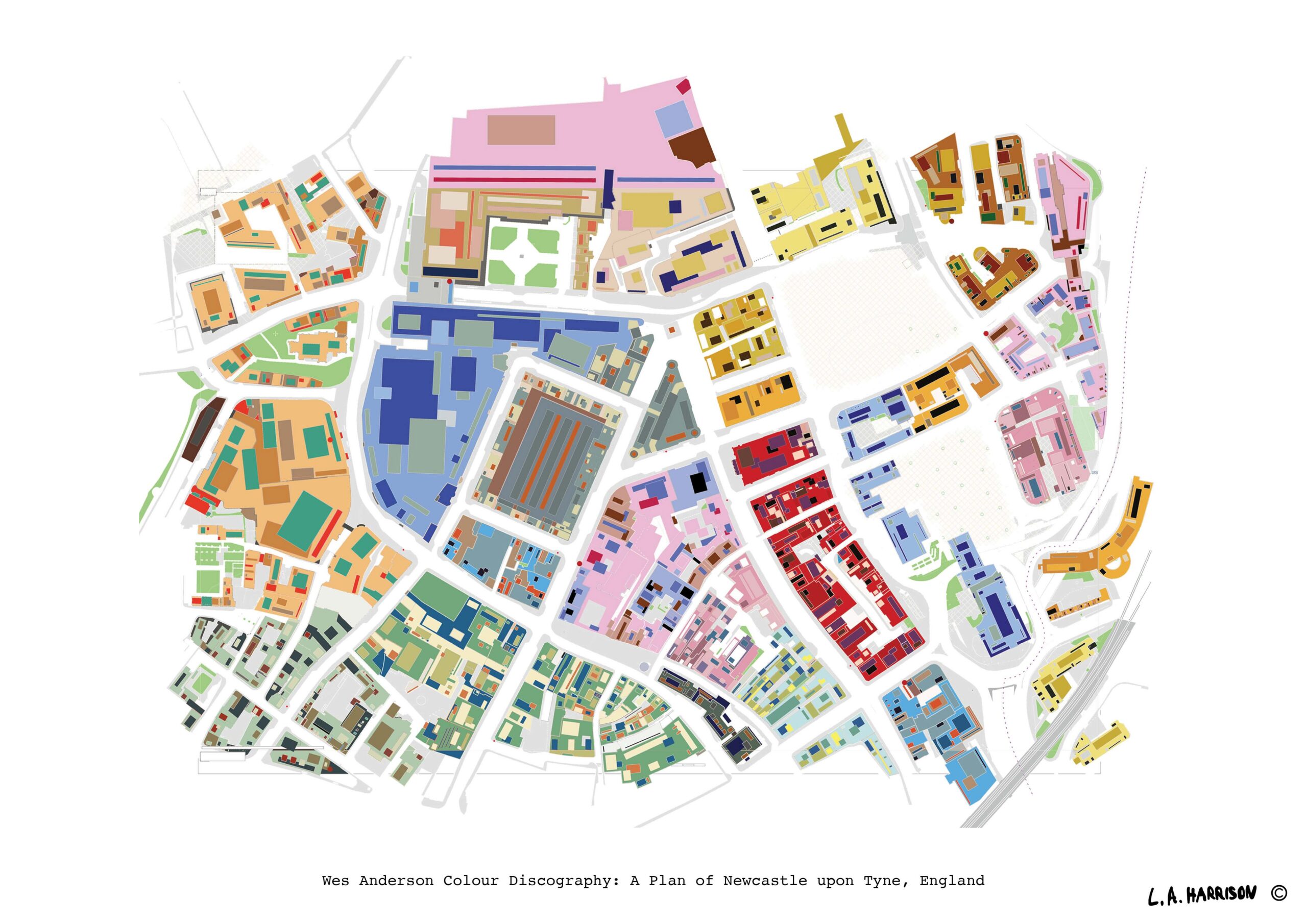
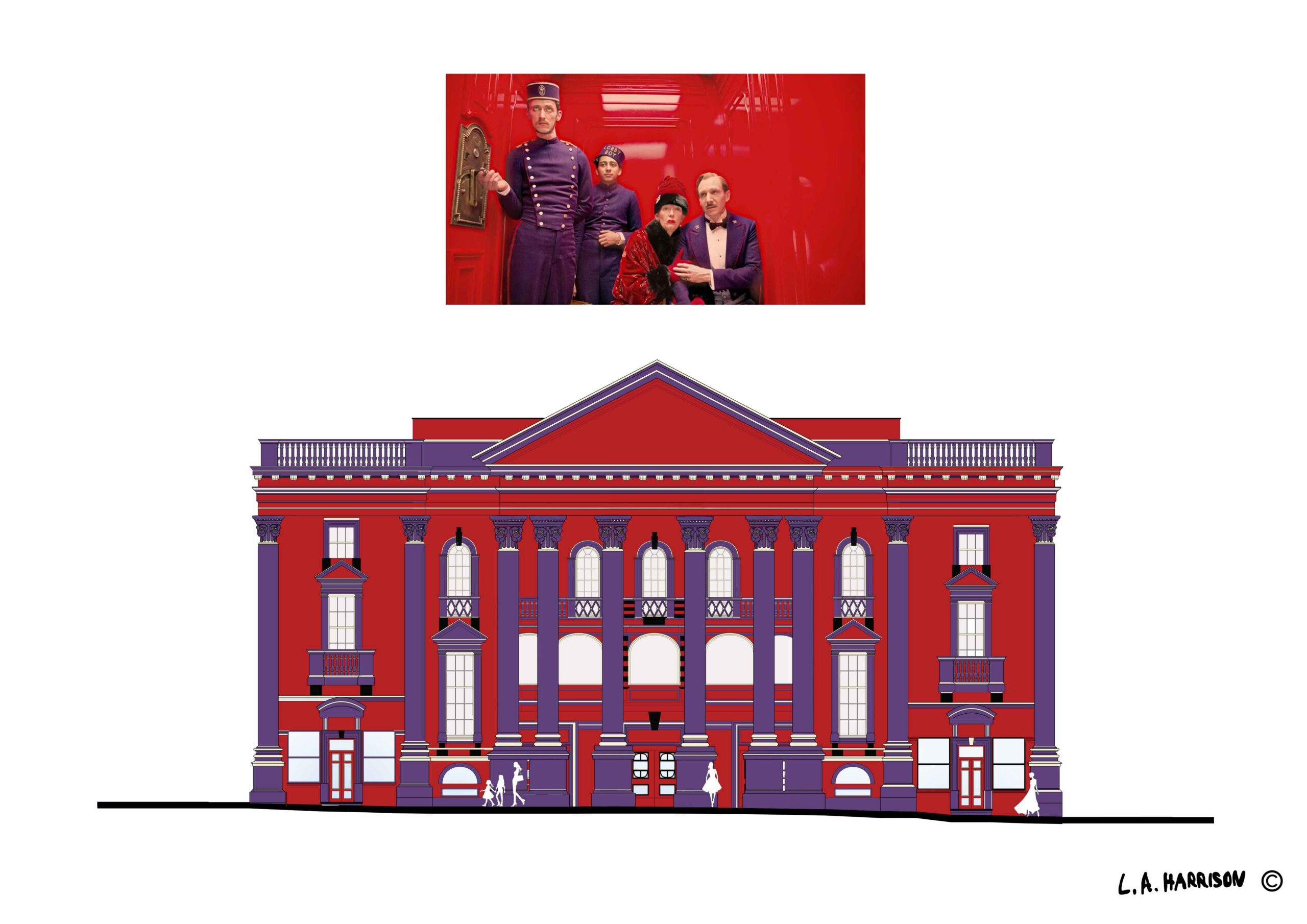
Louis then took his findings a step further and painted those palettes onto actual Victorian buildings in Newcastle as precise architectural elevations. Some worked beautifully, the Moonrise Kingdom blues and orange translated like they’d been designed for Georgian shopfronts all along. Others, like the red-purple saturation scheme, proved genuinely unsettling on a static facade. The final move borrowed from a Zurich project that mapped every building’s color: Louis reimagined Newcastle’s entire city centre as a filmstrip, each block wearing its assigned palette, revealing patterns from above – red-orange reliably paired with natural greens, yellow and teal appearing across different films, that aggressive red-purple standing out like a sore thumb.
"At its core, the project asks a fairly simple question: what would our cities look like if they carried the same sense of colour, care, and character as a Wes Anderson film? In a world that can often feel a little grey, the dissertation became a way of imagining urban spaces as something softer, brighter, and a bit more joyful." -Louis Harrison
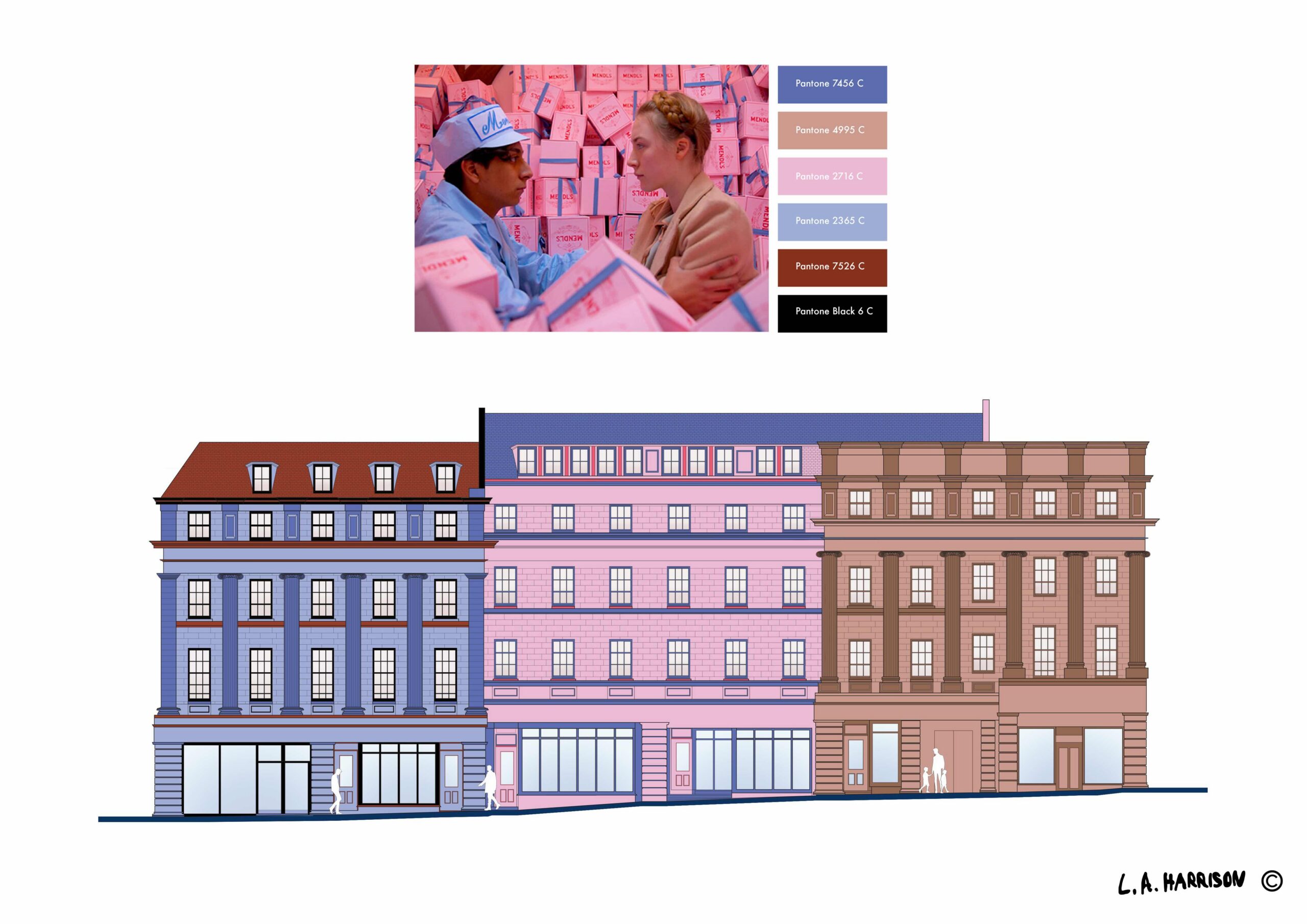
One thing’s for sure: Louis’ dissertation is the ultimate fan letter – repainting an entire city in someone else’s palette.
You can take a look at the full dissertation here.