 Login
Login
 login / signup


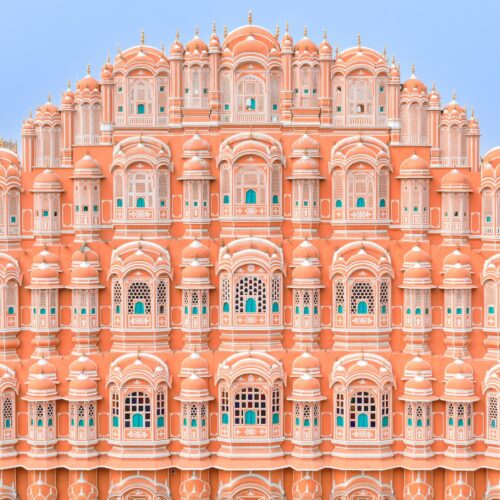











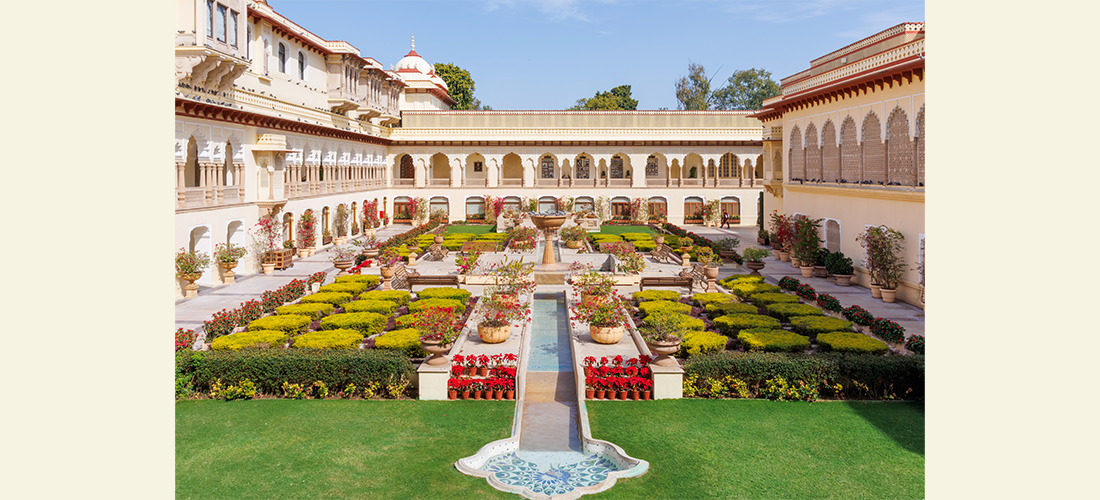
Struggling with what to get your housekeeper this year? The Maharaja of Jaipur has you beat: in 1835, he built a palace for Kesar Badaran, his son’s wet nurse and the queen’s favorite handmaiden. Granted, it started as a modest garden pavilion – housing for the help on his sprawling estate outside the city. For decades, it remained a simple servants’ residence, far from the grandeur of the royal courts – but still. Buildings, like people, have a way of moving up in the world.
 :
: By the late 19th century, the pavilion had evolved into a royal hunting lodge and guesthouse, a place for the Maharaja’s relatives to crash between tiger hunts. Then, in the early 20th century, things got serious. The structure was expanded significantly in an Indo-Saracenic style that blended Rajput and Mughal motifs. By 1925, Rambagh Palace had become the principal residence of Maharaja Sawai Man Singh II – a dashing polo player who won the World Cup in 1933 and married the legendary beauty Maharani Gayatri Devi. The former servants’ quarters now hosted royalty, heads of state, and celebrities. Kesar Badaran’s modest quarters now welcomed Queen Elizabeth II, Nikita Khrushchev, and Jackie Kennedy to name a few.
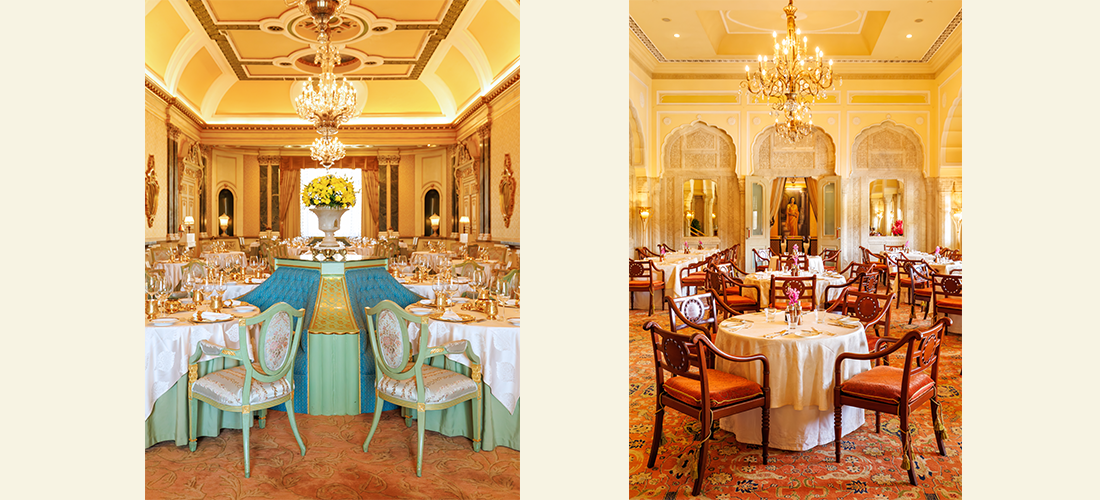
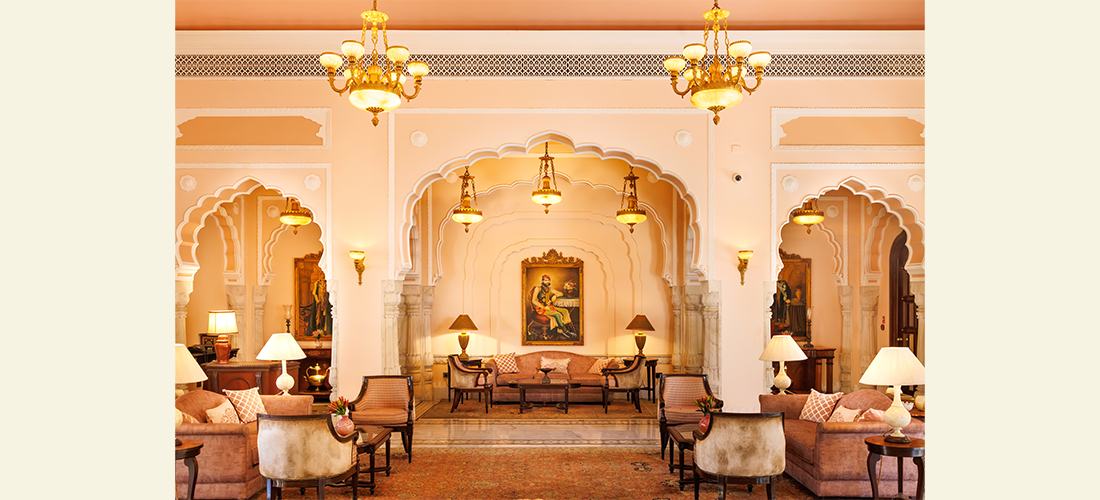
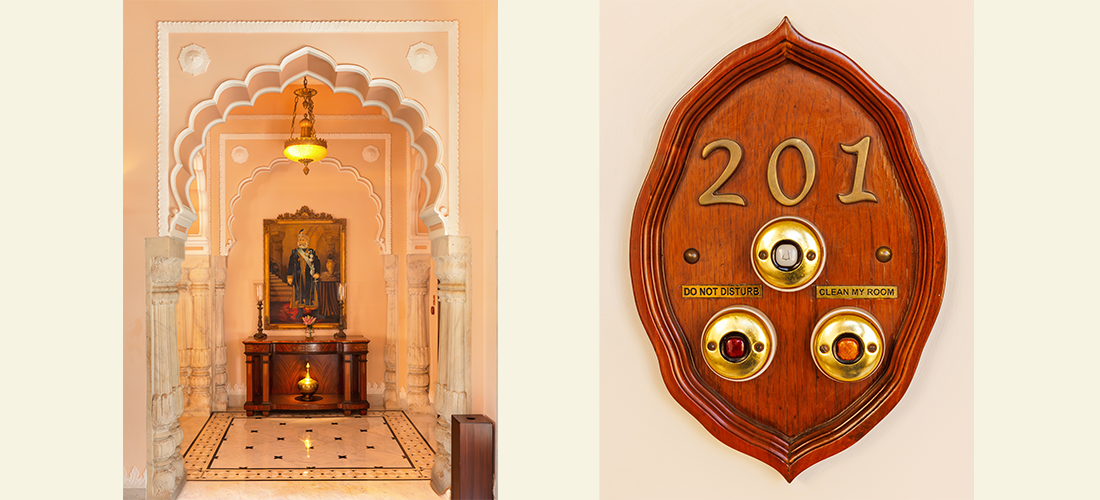
After India’s independence in 1947 and the integration of the princely states, the role of the maharaja and his palaces changed. Maintaining a 47-acre palace became untenable. So in the 1950s, Rambagh was converted into a hotel, creating what became known as the first luxury palace hotel in the country.
Today the palace still operates as a luxury hotel with 78 suites, a spa, and manicured gardens where polo matches once unfolded. Guests pay handsomely to sleep in rooms that once belonged to handmaidens and polo champions alike. In the end, Kesar Badaran’s garden pavilion has come a long way – and unlike the royal family, it’s still accepting guests.