Login
Login
 login / signup













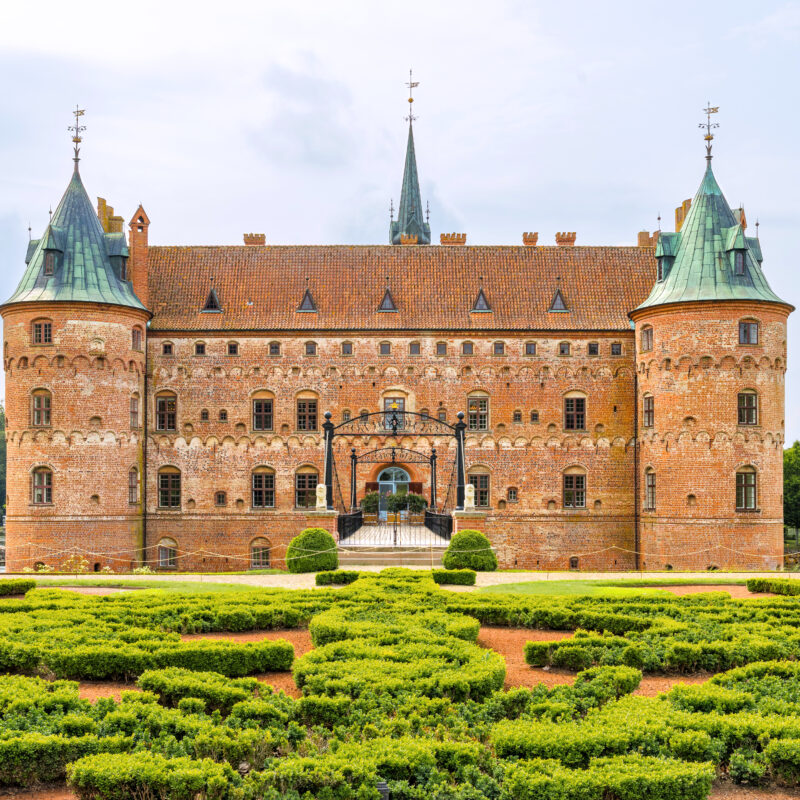

Funen, Denmark
Egeskov Castle
This floating castle appears to be from an enchanted fable, but in actuality it is Europe's best preserved Renaissance water castle.
AWA visted here
Presented with





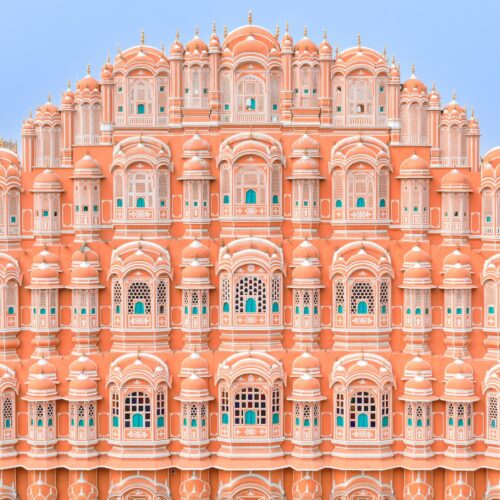
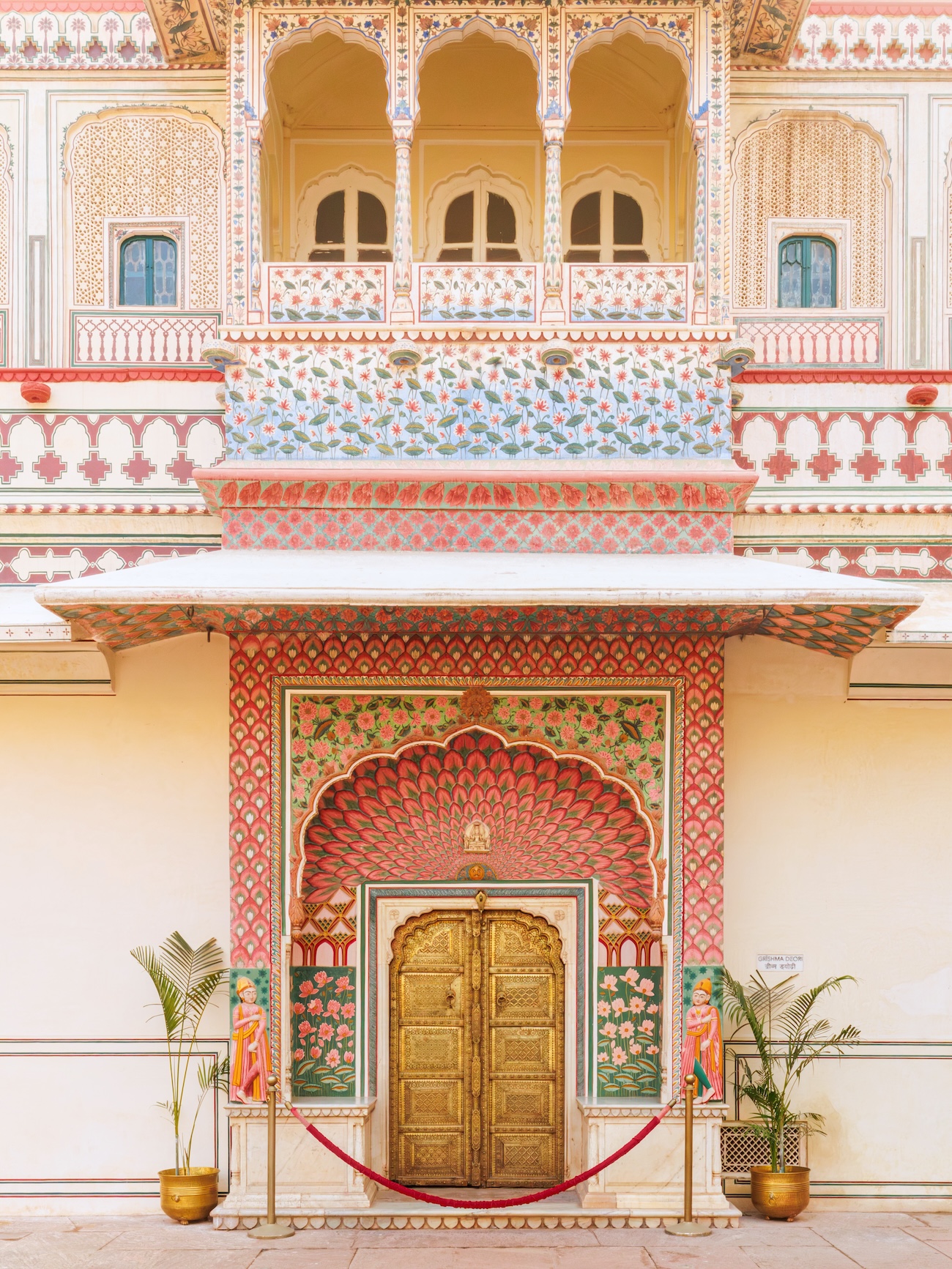
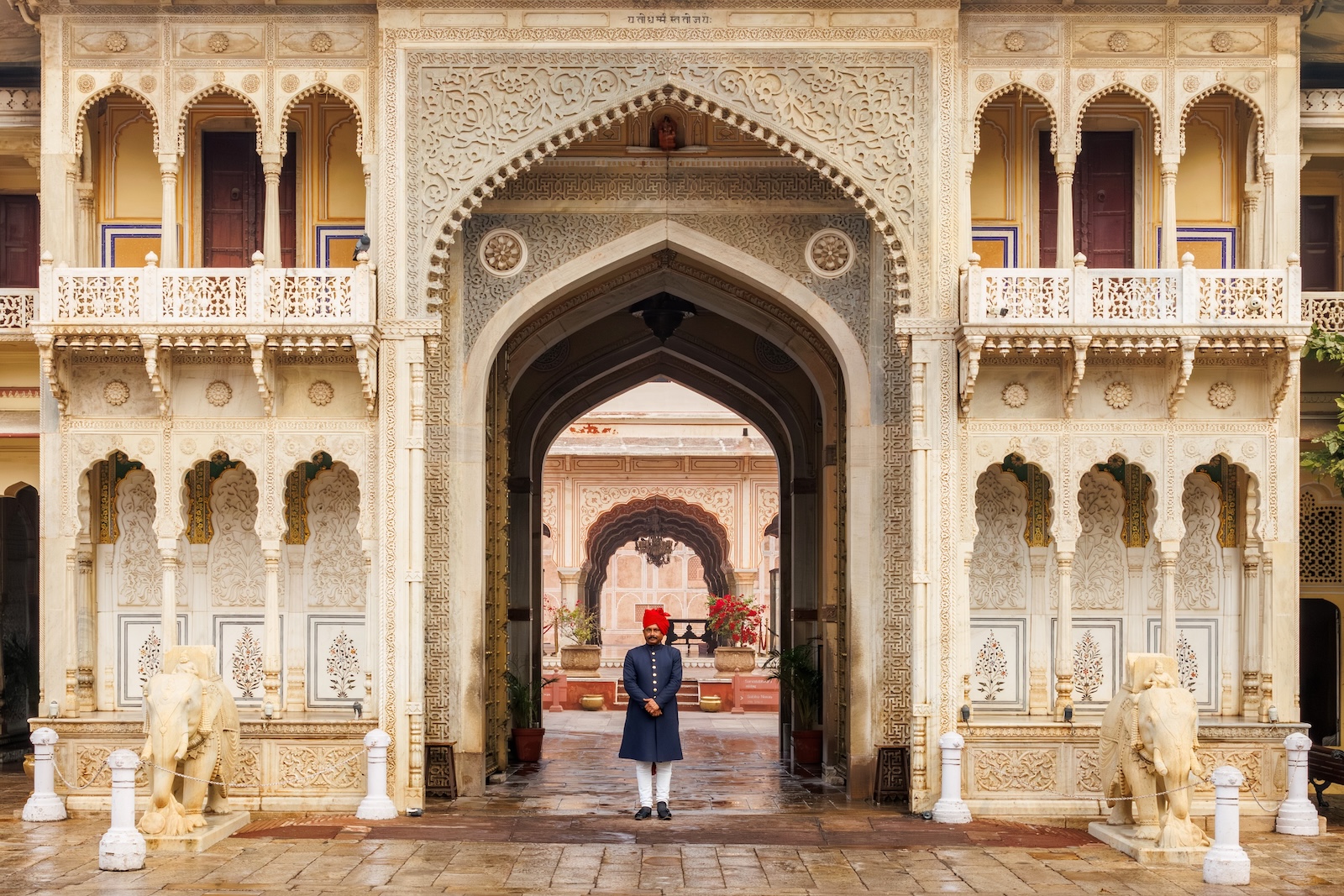
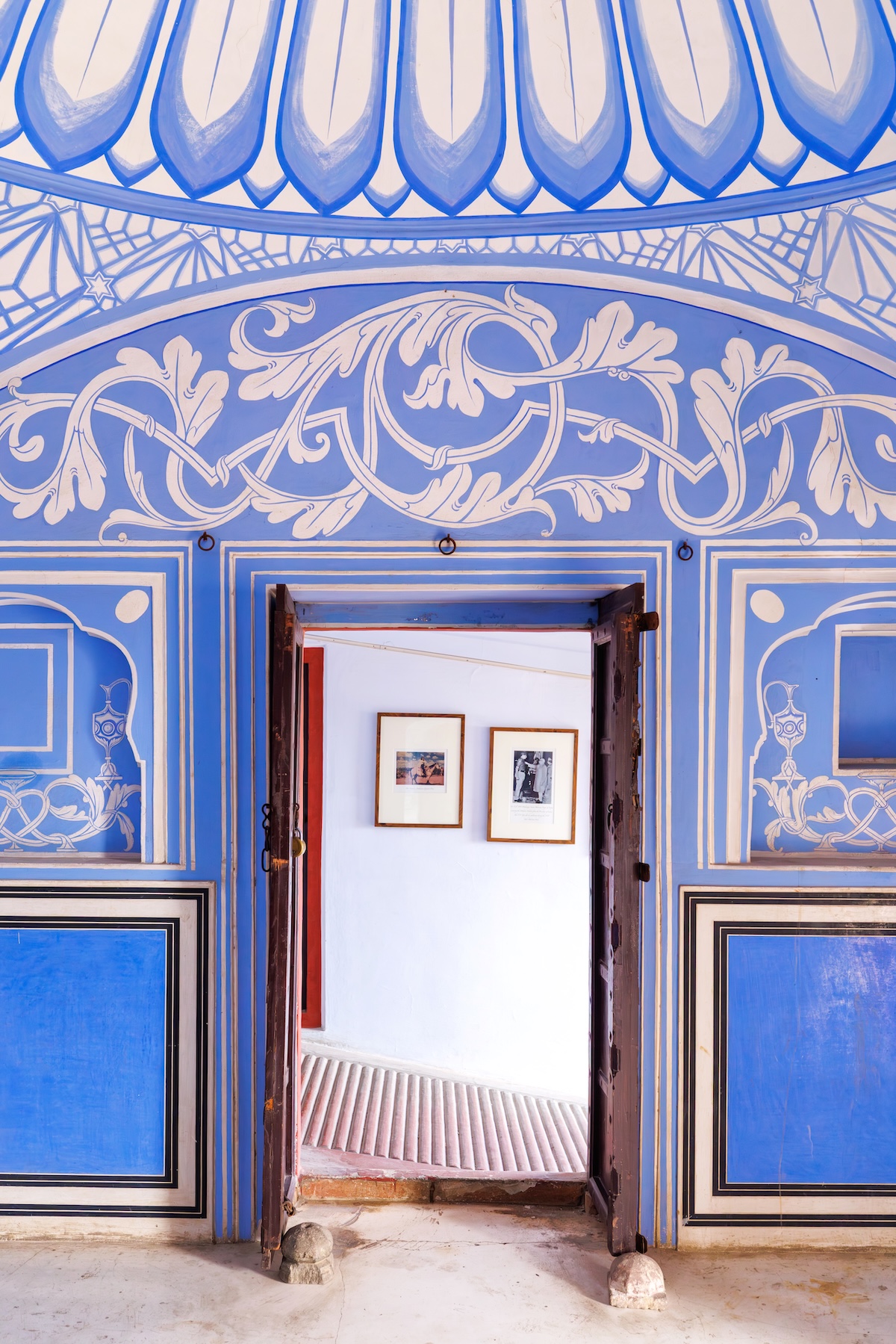
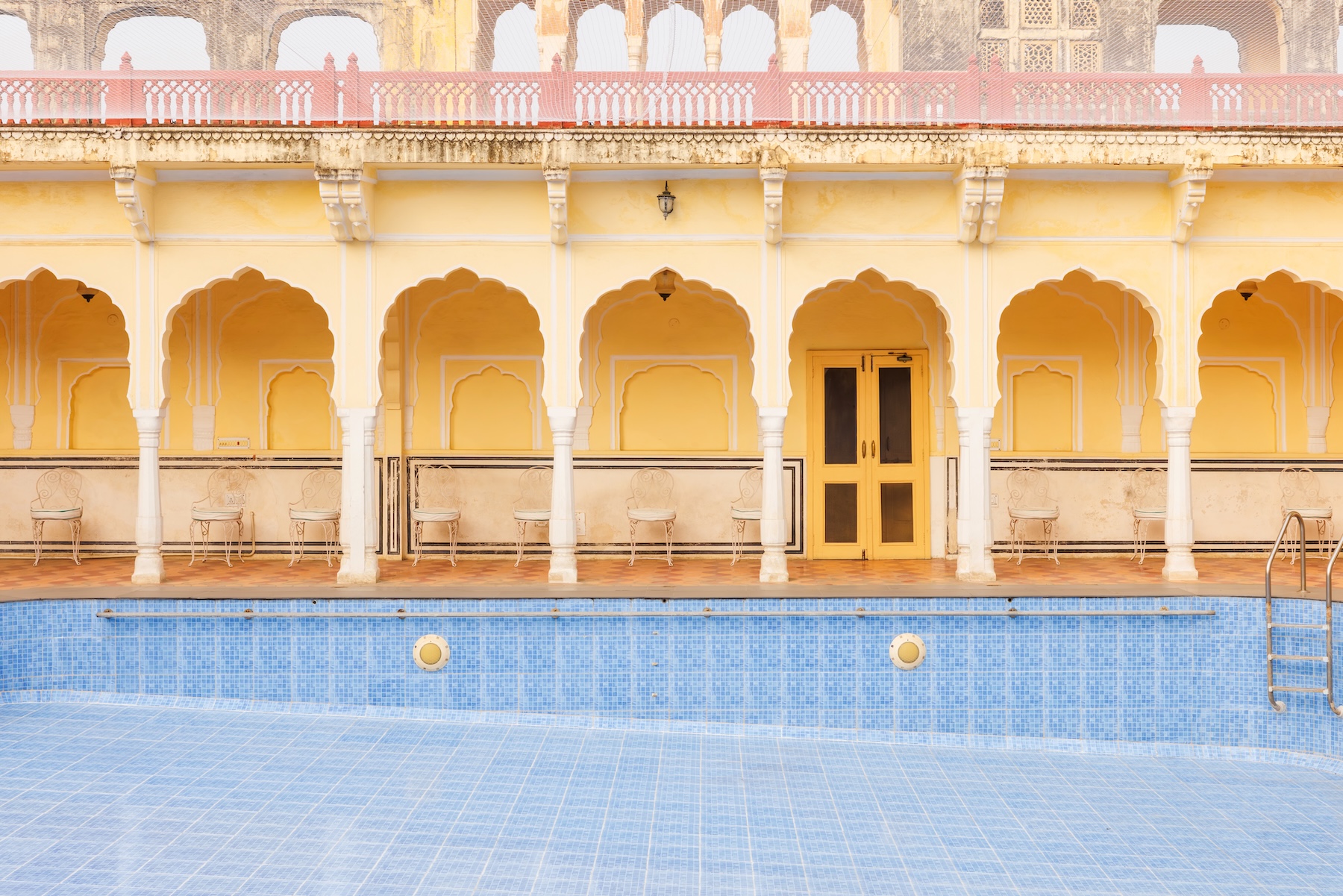
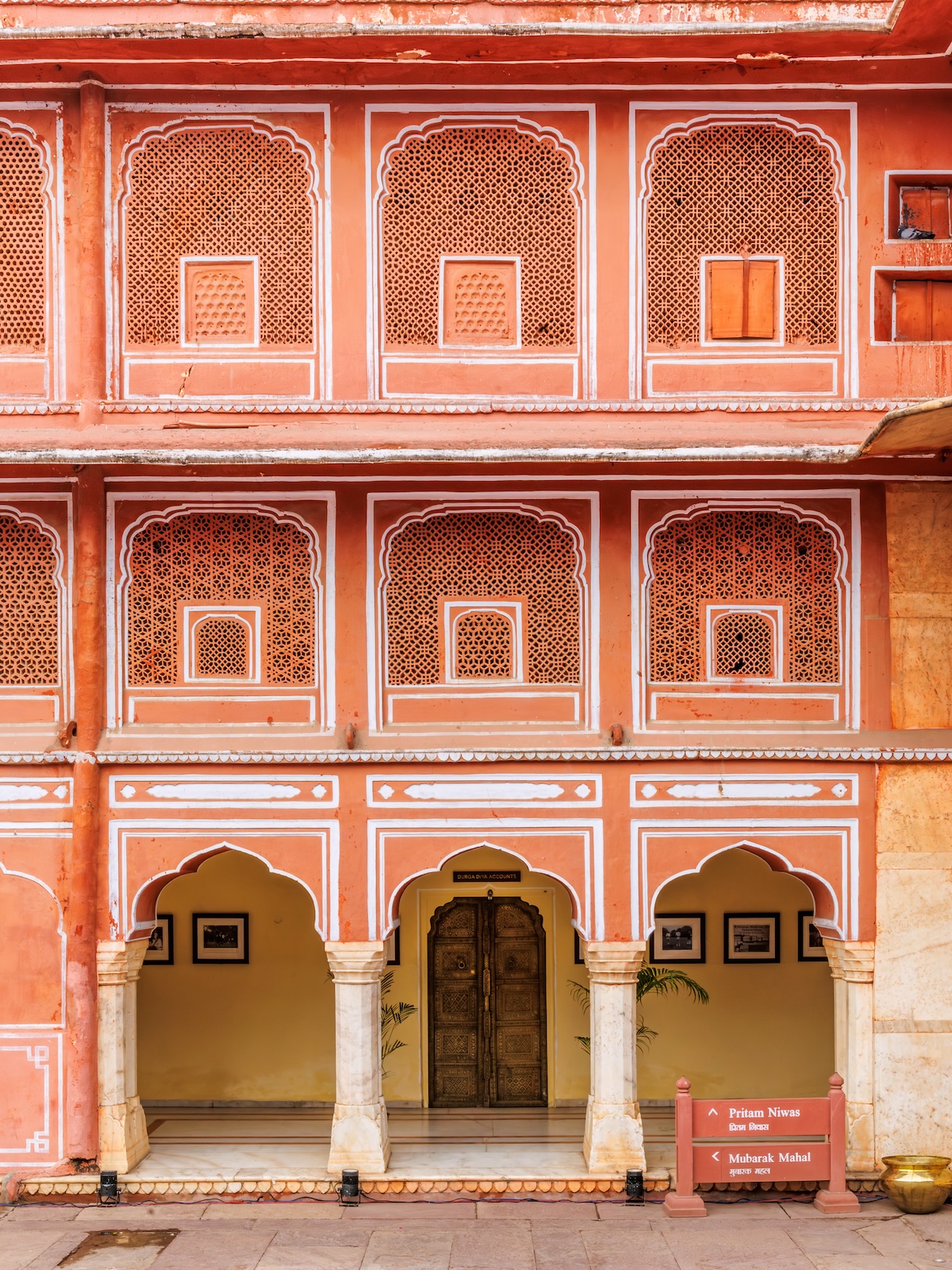
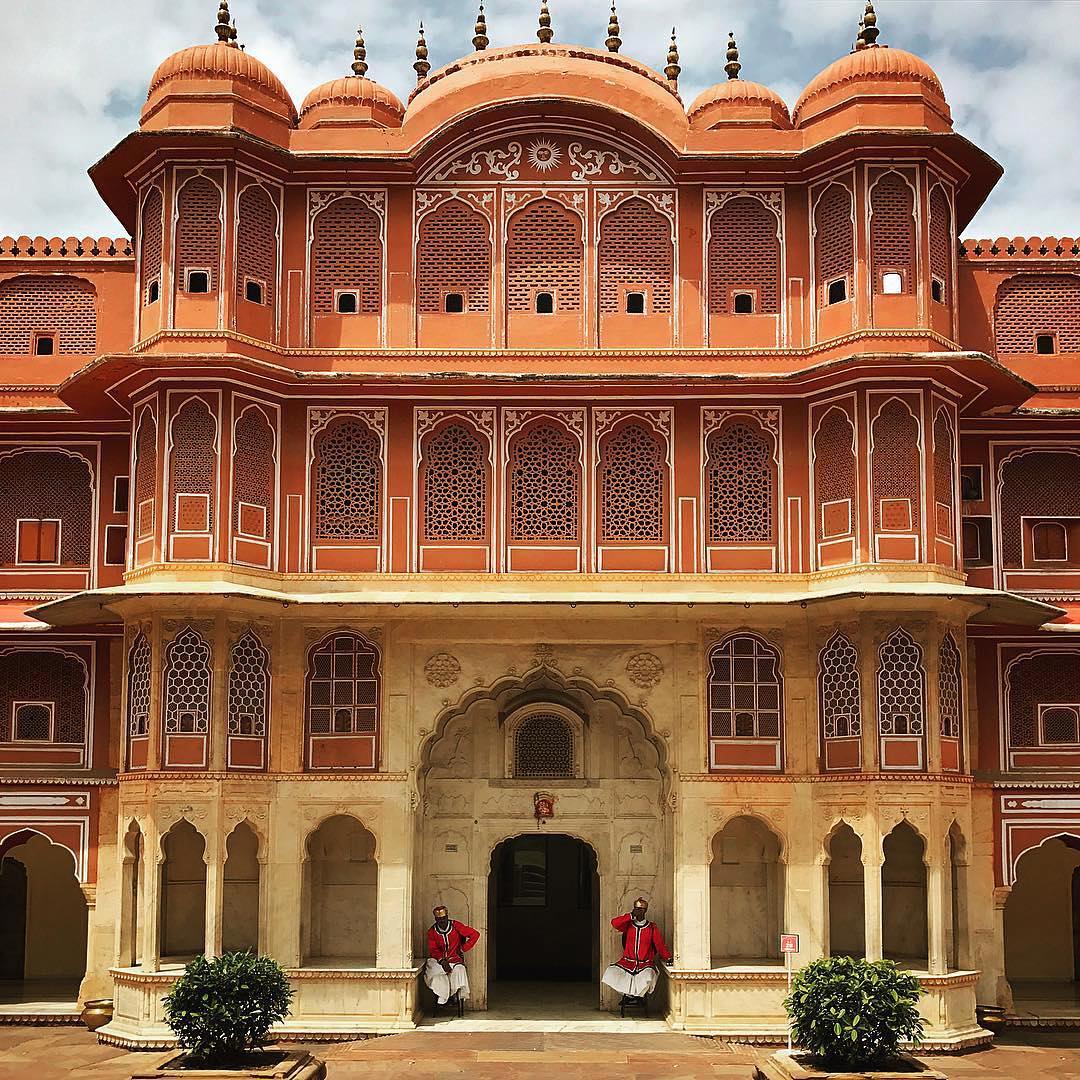
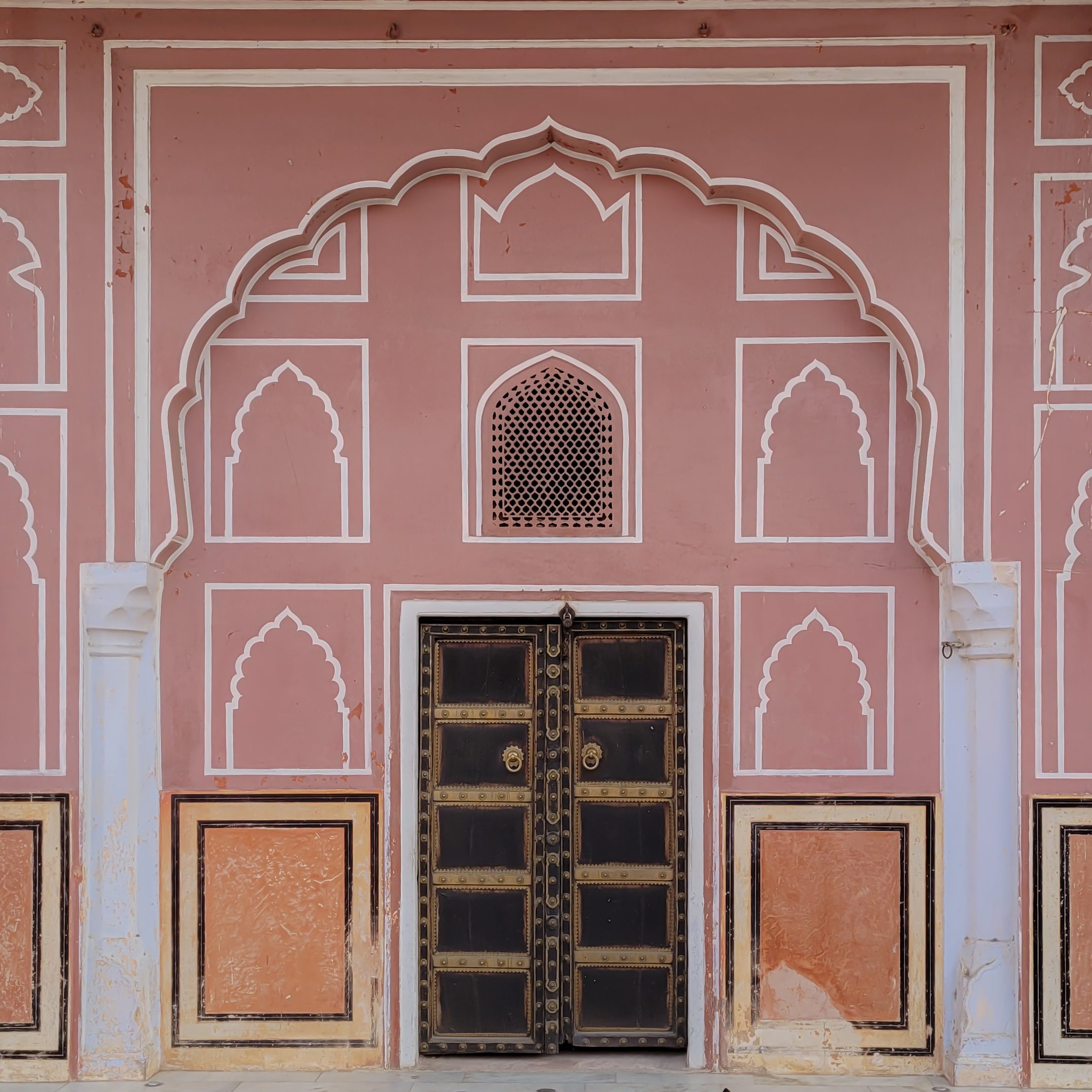
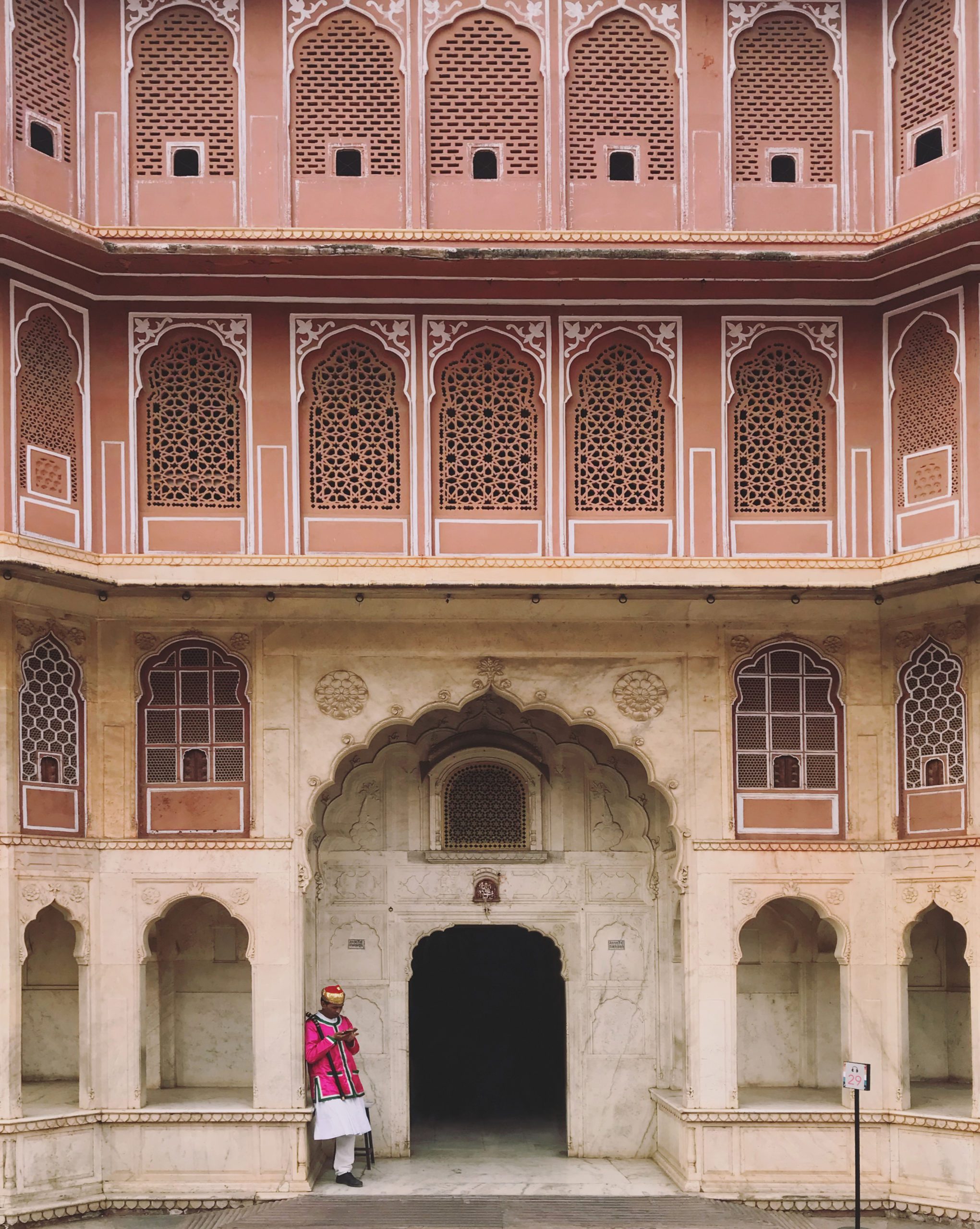
Jaipur, India | C.1732

Partner

A boy becomes king at eleven, and inherits a throne and barely enough money to field 1,000 cavalry. By age fifteen, he charms a Mughal emperor into submission with nothing but quick wit, earning a title that translates to “one and a quarter times superior to his contemporaries.”
Sawai Jai Singh II moves his capital from Amber to the newly founded city of Jaipur in 1727, but not before commissioning a Sanskrit translation of Euclid’s “Elements of Geometry” and building five astronomical observatories across India—because what good is founding a city if you can’t also recalculate the cosmos?
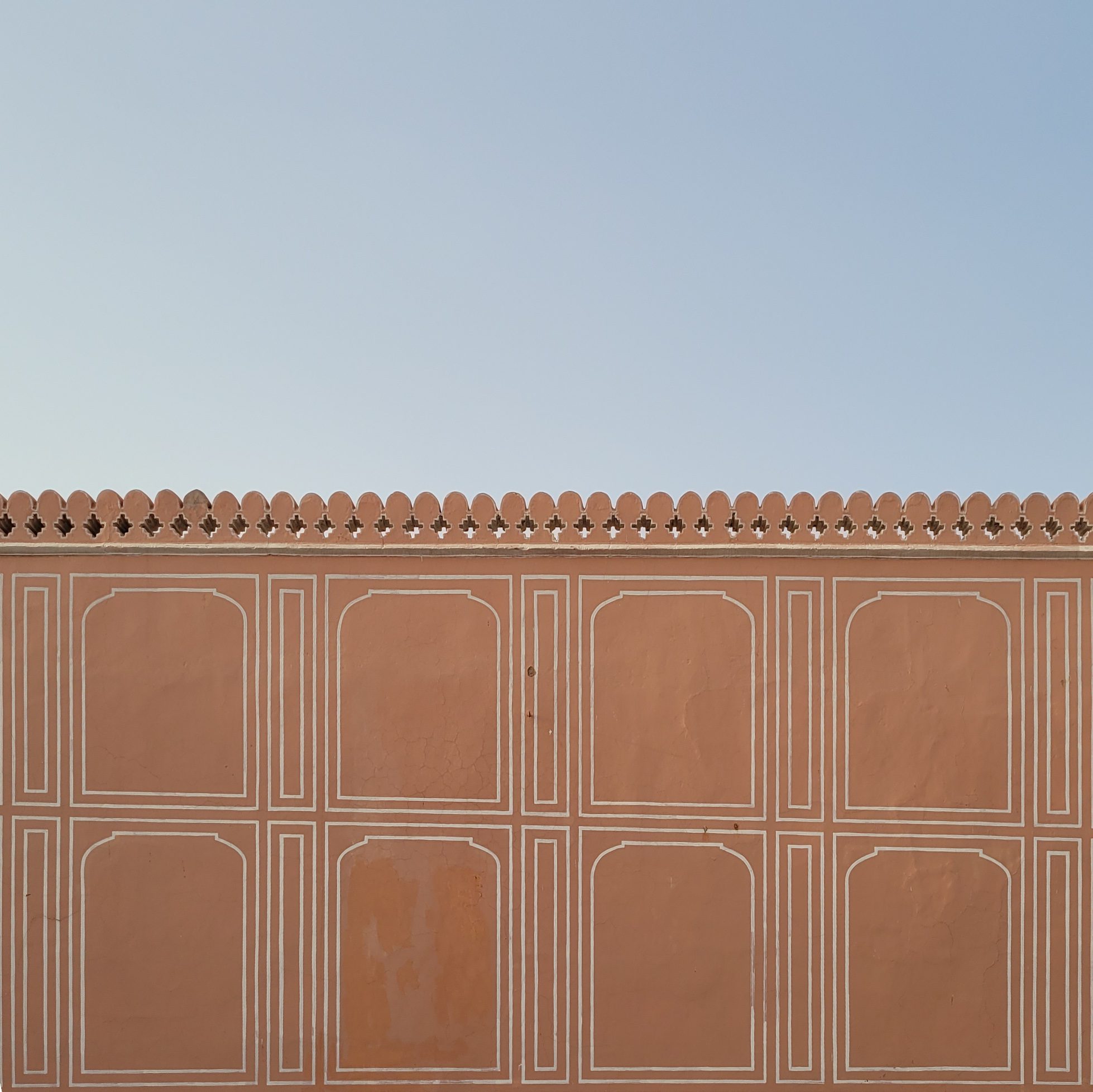
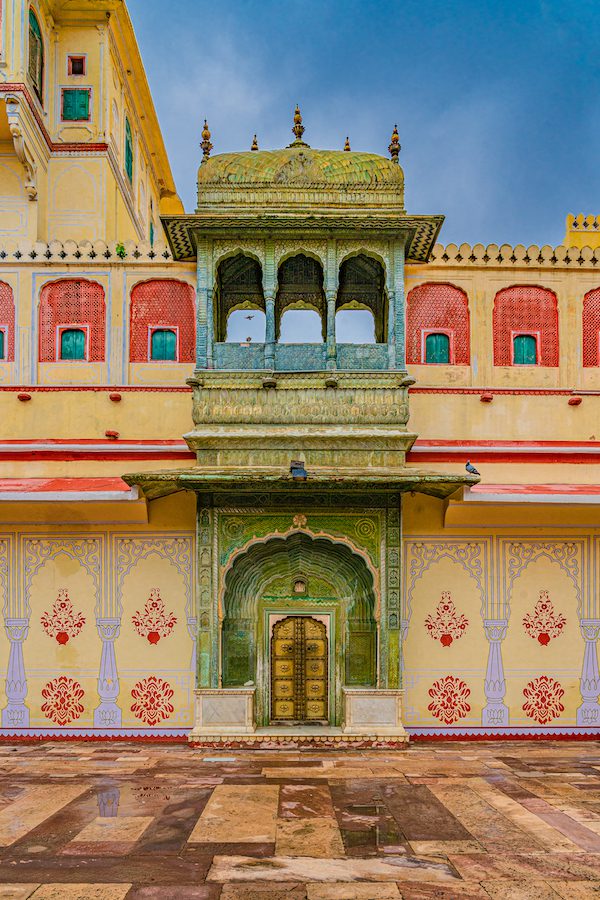
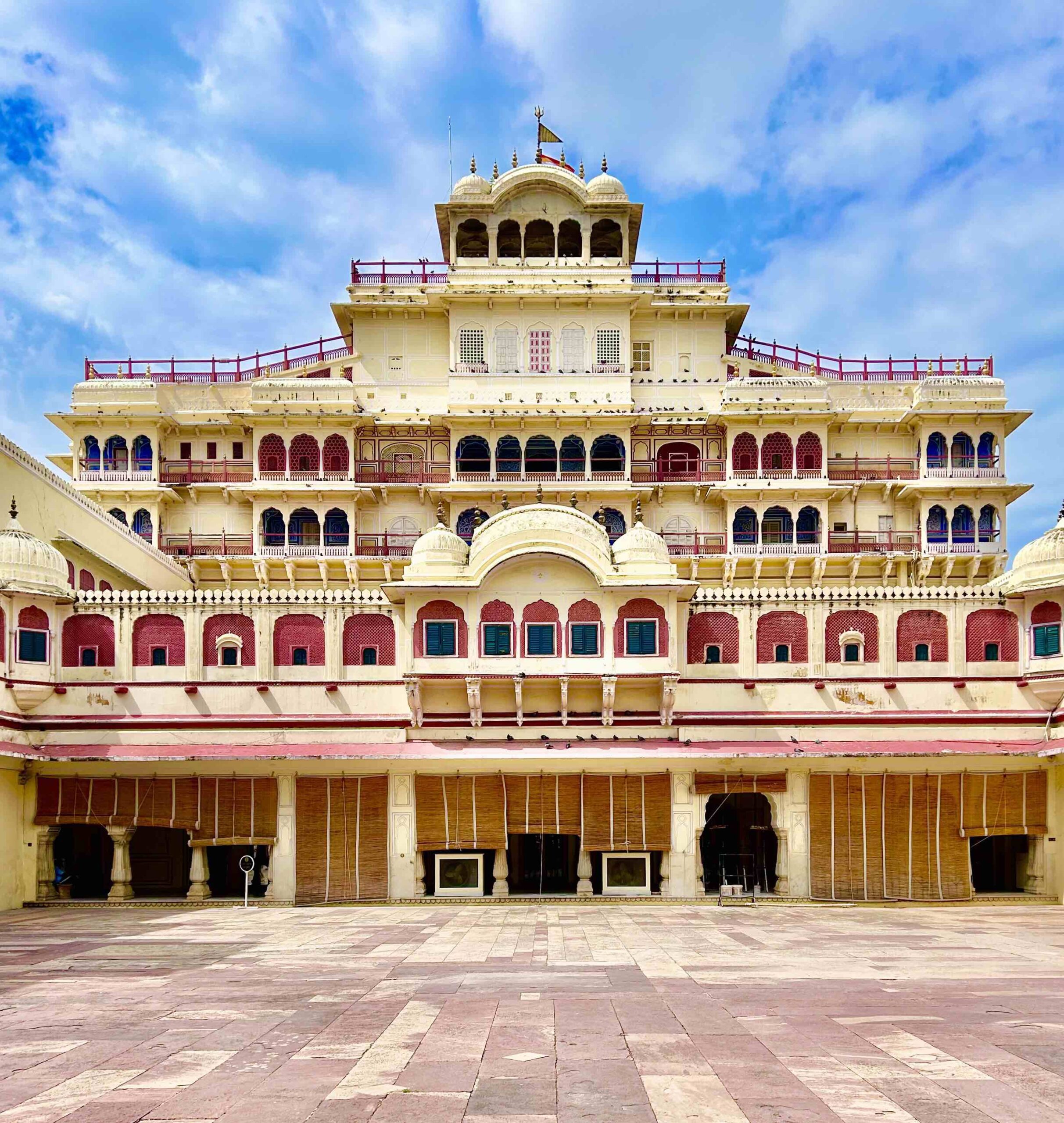
The City Palace was built between 1729 and 1732, anchoring a metropolis designed by a junior auditor from Bengal who happened to be an expert in mathematics, craftsmanship, astrology, and Sanskrit. Vidyadhar Bhattacharya used holistic principles of Shilpa Shastra and Vaastu Shastra to create a grid-based city model, dividing Jaipur into nine squares symbolizing the nine planets.
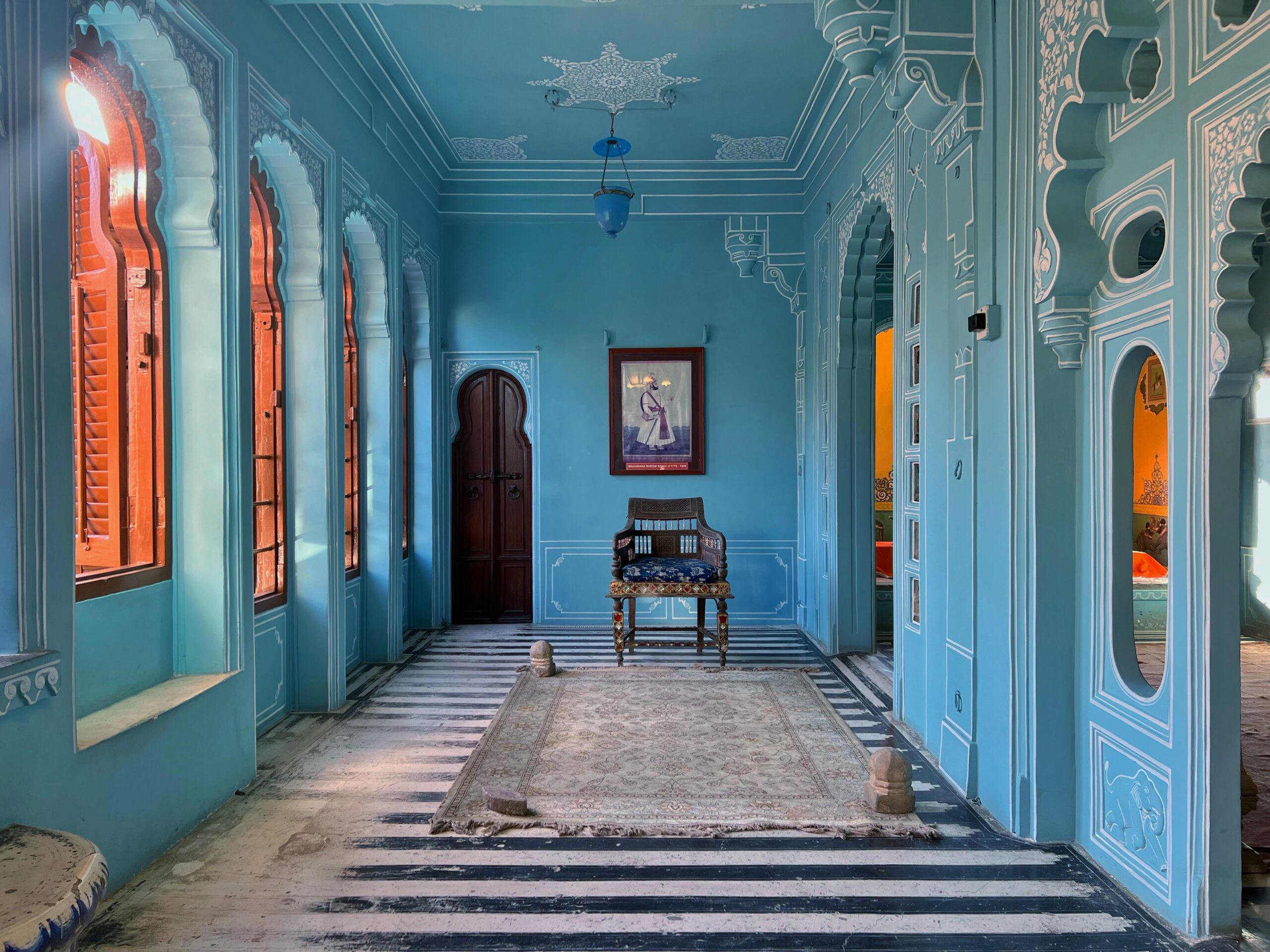
The palace galleries tell their own stories: It now houses the Maharaja Sawai Man Singh II Museum and continues to be the home of the Jaipur royal family. The Textile Gallery holds a 1650 pashmina carpet. The Arms Gallery displays a tulwar once wielded by Maharaja Ram Singh II. The Sabha Niwas features large-format paintings of maharajas who once held court here. And the Transport Gallery? A celebration of every wheeled contraption invented before the combustion engine ruined everything.
Looking to read more about this area of the world? This location exists in a guide:
Read the Guide 26.925785, 75.823658
This floating castle appears to be from an enchanted fable, but in actuality it is Europe's best preserved Renaissance water castle.
AWA visted here
This resilient theater has weathered two destructive fires, and continues to be one of the most important cultural centers throughout Spain.
Uditore Fabrizio Grech would say this 1745 country house was built for his daughter, but it was in fact constructed to silence critics of his wealth.
Max file size is 40MB. JPEGs are preferred.
You do not have permission to view this form.