Login
Login
 login / signup










Funen, Denmark
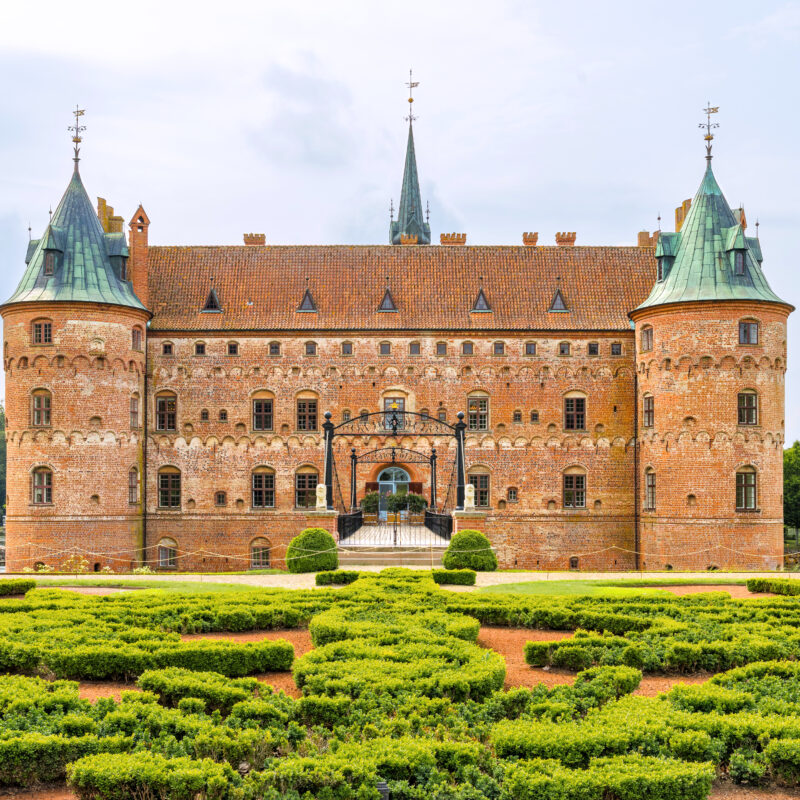
Egeskov Castle
This floating castle appears to be from an enchanted fable, but in actuality it is Europe's best preserved Renaissance water castle.
AWA visted here
Presented with




London, United Kingdom | C.1924

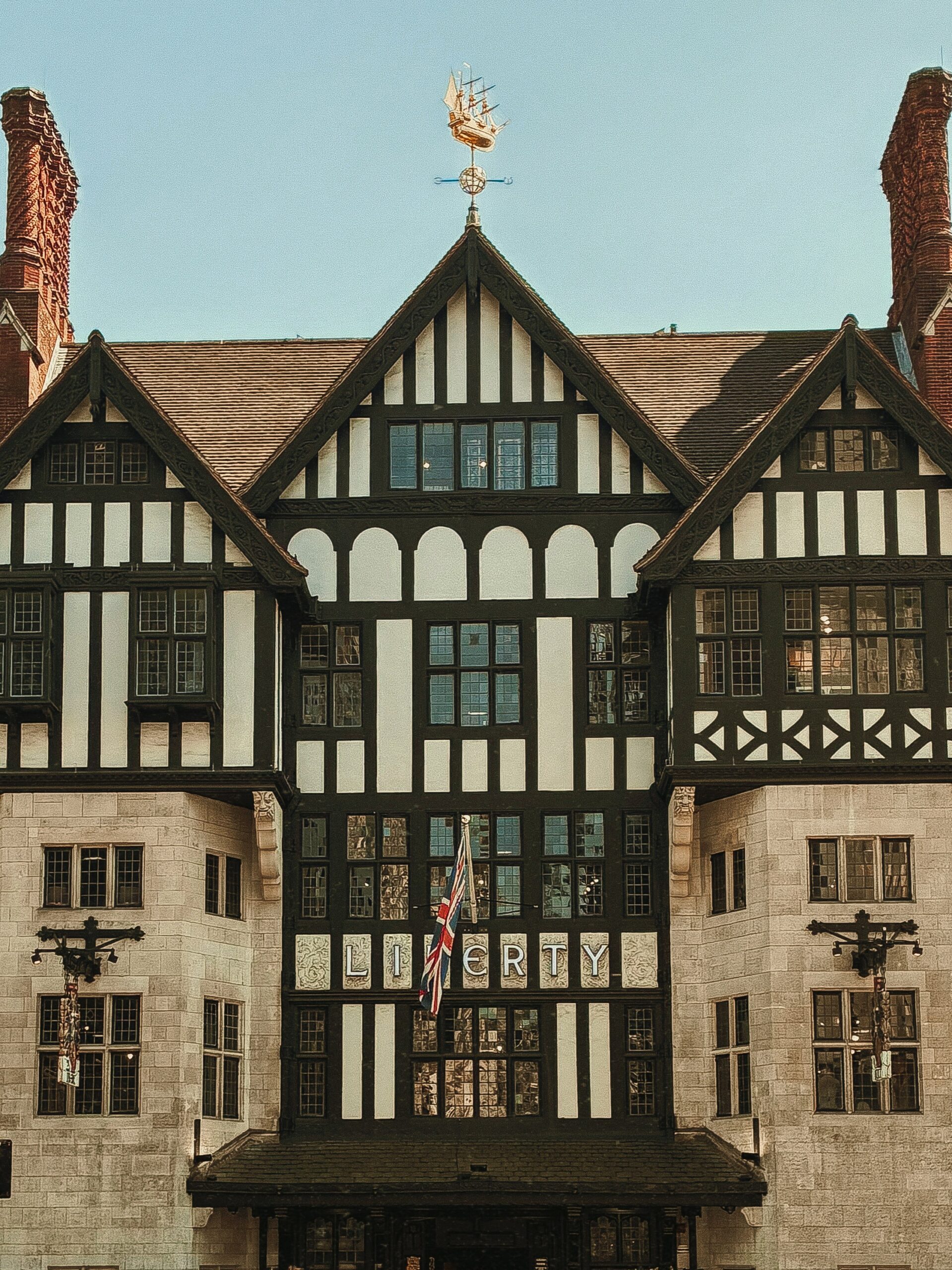
When Arthur Lasenby Liberty dreamed of docking a ship laden with exotic goods in the heart of London, he got his wish, posthumously. The mock-Tudor building completed in 1924 was constructed from over 24,000 cubic feet of timber salvaged from two Royal Navy warships: HMS Impregnable (once the largest wooden ship ever built for the Navy, framed from 3,040 hundred-year-old oaks felled in the New Forest) and HMS Hindustan. The store’s Great Marlborough Street frontage measures exactly the length of the Hindustan, while its floors are the ships’ original decks. Arthur never saw his nautical fantasy realized. He died in 1917, five years before construction even began.
The building’s origin story goes back further than the ships. Liberty opened his first shop on Regent Street in 1875, in his early thirties, selling ornamental goods from Japan and the East at a moment when Victorian Britain still treated Eastern design as a curiosity rather than a source of style. That early bet on Japanese aesthetics is what eventually funded a store elaborate enough to be built like a mansion instead of a shop, complete with fireplaces, atriums, and a three-story archway spanning from Carnaby Street to Kingly Street, a domestic fantasy disguised as retail, floating on the bones of two decommissioned warships.
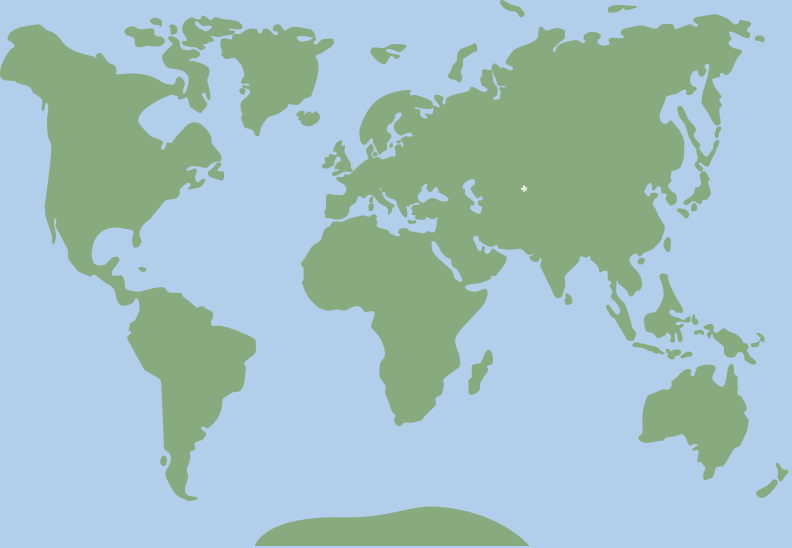 51.5125217, -0.140186
Partner


This floating castle appears to be from an enchanted fable, but in actuality it is Europe's best preserved Renaissance water castle.
AWA visted here
This resilient theater has weathered two destructive fires, and continues to be one of the most important cultural centers throughout Spain.
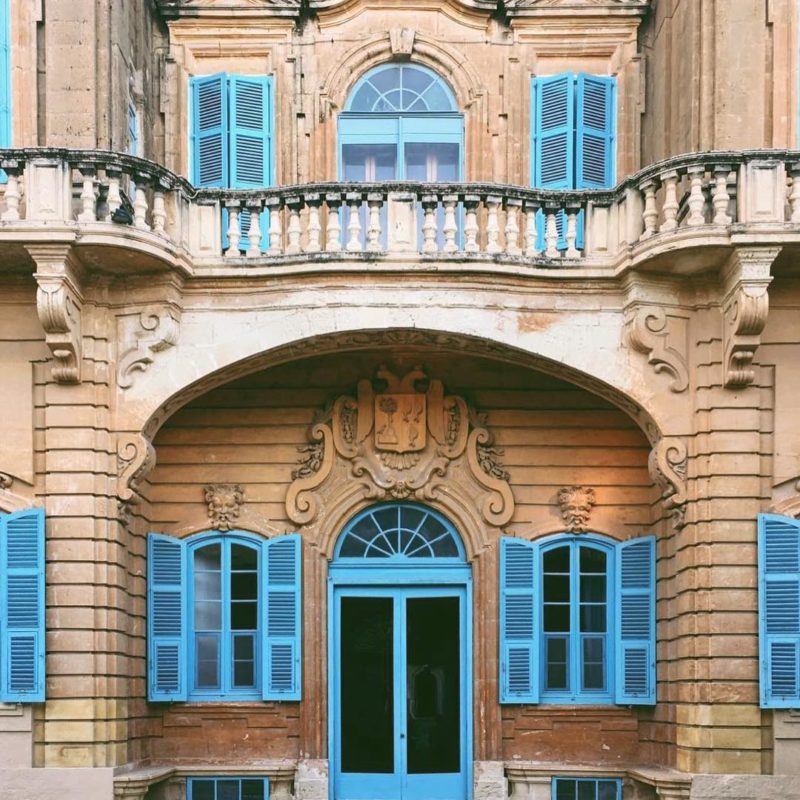
Uditore Fabrizio Grech would say this 1745 country house was built for his daughter, but it was in fact constructed to silence critics of his wealth.
Max file size is 40MB. JPEGs are preferred.
You do not have permission to view this form.