Login
Login
 login / signup














Barcelona, Spain
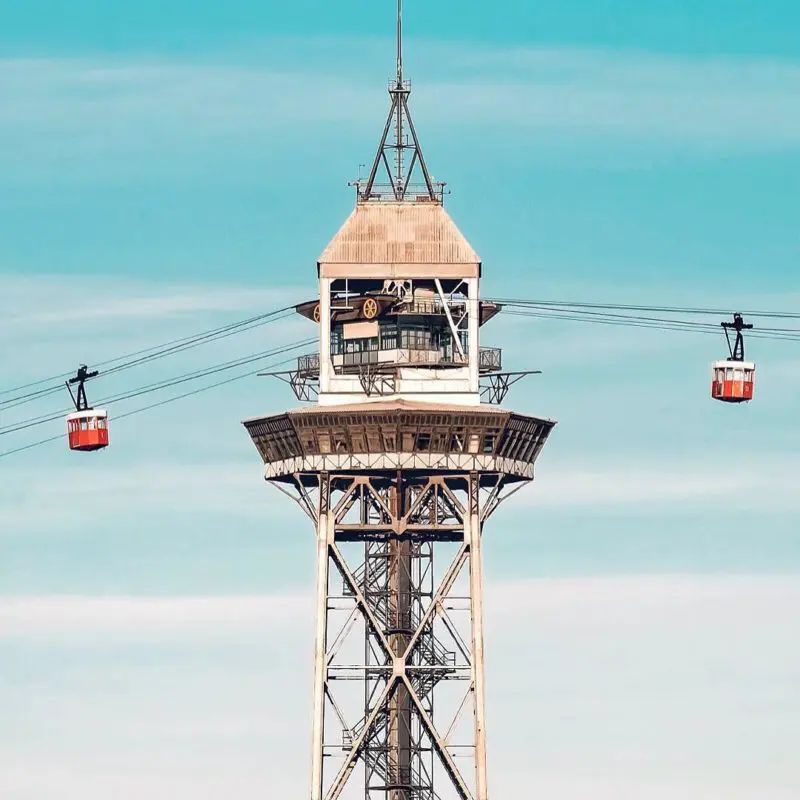
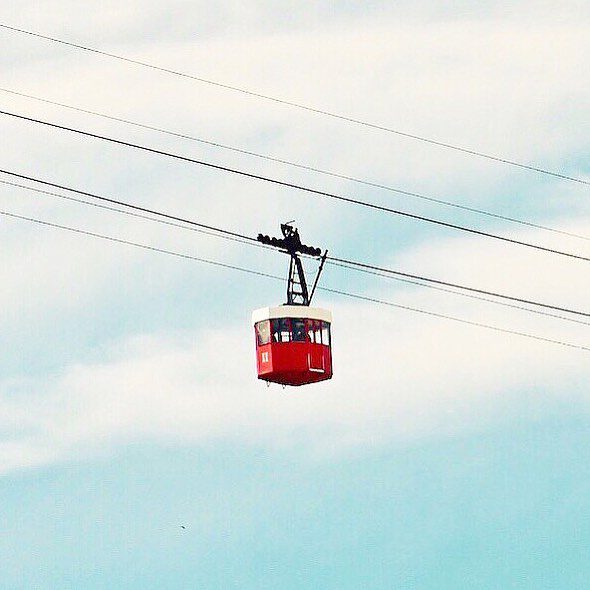
Montjuïc Cable Car
This cable car in Barcelona celebrates its 50th anniversary in 2020.






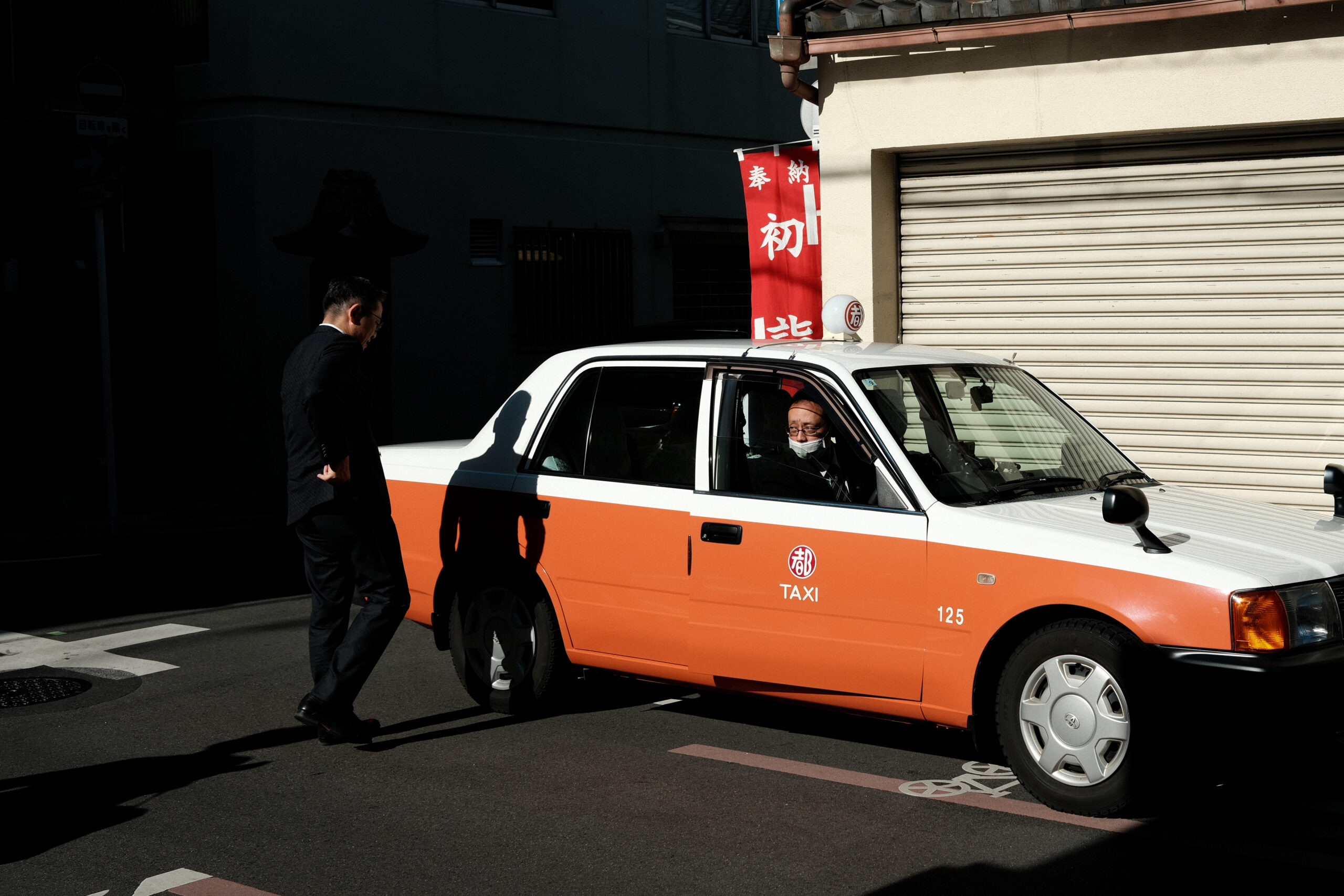
Kyoto, Japan | C.1912

Japan’s taxi industry began, as many things do, with six Ford Model T’s. On August 5, 1912, the Takushi Jidosha KK started operations in Tokyo’s Yurakucho district, stationing its small fleet at Ueno and Shimbashi stations and charging 60 sen for the first mile. The cars were called tsujimachi jidosha, which translates, with admirable practicality, to “vehicles waiting to be hired.” It was the beginning of an industry that would eventually run to some 260,000 taxis nationwide, each operated with a degree of ceremony that the original Model T drivers could not have anticipated.
In Kyoto, where the street grid predates the automobile by roughly a thousand years, the taxi became something closer to an institution. The Toyota Crown Comfort, a long-wheelbase sedan built specifically for the trade, became the preferred vehicle for decades, its white gloves and doily-covered seats setting a standard of presentation that no other city has attempted to match. The Yasaka Taxi Group, one of Kyoto’s oldest operators, runs a fleet of around 1,400 vehicles, four of which carry a four-leaf clover logo born from an accident: a wet leaf once blew onto the company’s original trefoil emblem, a passenger later wrote in to say their luck had improved, and the rest is company mythology.
The door, famously, opens itself. Passengers who reach for the handle are discouraged from doing so, and in some cases told off outright. It is a small but consistent reminder that in Kyoto, the taxi is not merely transportation. It is a performance of hospitality in a city that has been rehearsing hospitality for quite some time.
 34.9909478, 135.7584754
Partner


This cable car in Barcelona celebrates its 50th anniversary in 2020.
She won Parliament by a world-record landslide, founded schools, and turned a garden palace into a political headquarters- beauty be damned.
AWA visted here
Decimated by the Spanish War, this tramway was restored in 2000 to serve its intended purpose: a tourist attraction offering exceptional views of Barcelona.
Max file size is 40MB. JPEGs are preferred.
You do not have permission to view this form.