Login
Login
 login / signup












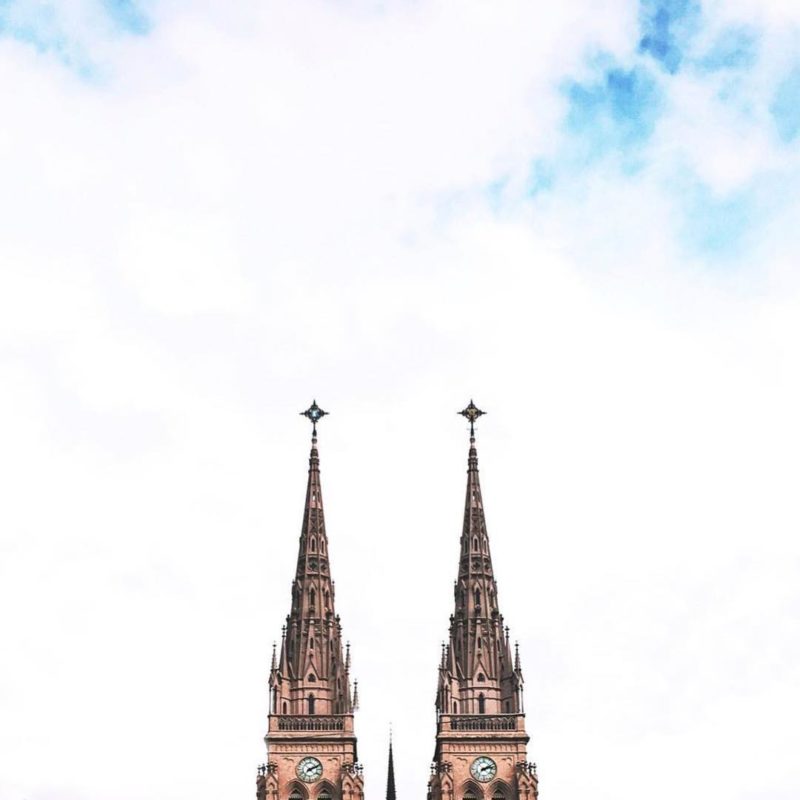
Buenos Aires, Argentina
Basilica of Our Lady of Lujan
This Argentinian basilica is home to a famous icon and 15 bells, each with a different name and motto.






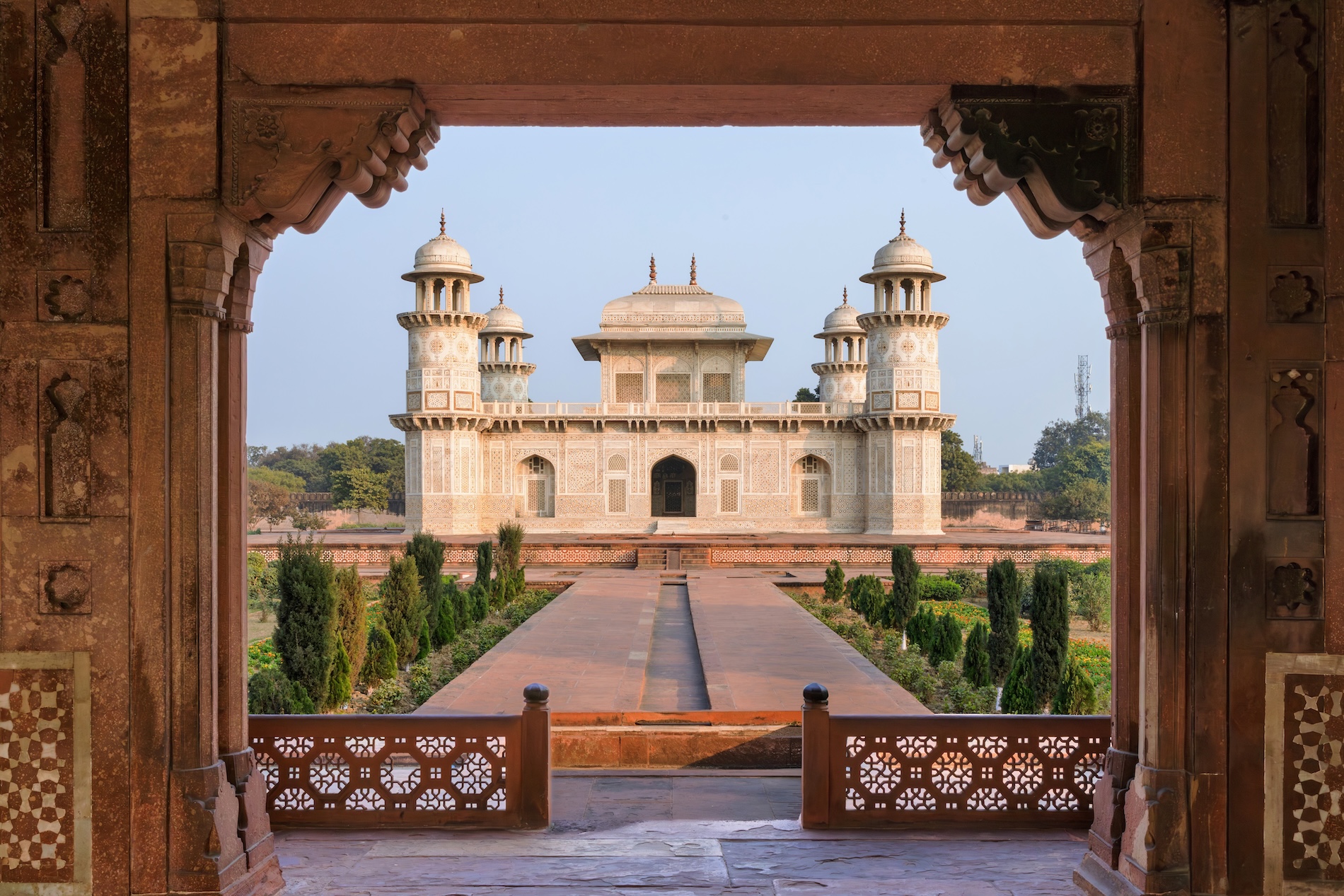
Agra, India | C.1622

Nur Jahan, the powerful wife of Emperor Jahangir, commissioned this tomb in 1622 for her father, Mirza Ghias Beg, who held the title Itmad-ud-Daulah: Pillar of the State. He rose from Persian refugee to the highest-ranking noble in the Mughal court, and when he died in 1622, Nur Jahan built him a monument that broke every Mughal architectural convention. Instead of red sandstone, she used white marble. Instead of bold geometric patterns, she ordered delicate inlay work with semi-precious stones: lapis lazuli, onyx, jasper, topaz. The entire structure is covered in pietra dura, the marble inlay technique that would later define the Taj Mahal. This was the prototype. Shah Jahan, Nur Jahan’s stepson, studied it closely before designing his wife’s tomb two decades later. The Itmad-ud-Daulah is often called the Baby Taj, but that gets it backward. This came first. One empress. One father. One architectural revolution wrapped in white marble.
Looking to read more about this area of the world? This location exists in a guide:
Read the Guide 27.1917691, 78.0352346
This Argentinian basilica is home to a famous icon and 15 bells, each with a different name and motto.
It started with an avalanche and a flask of Holy Blood.
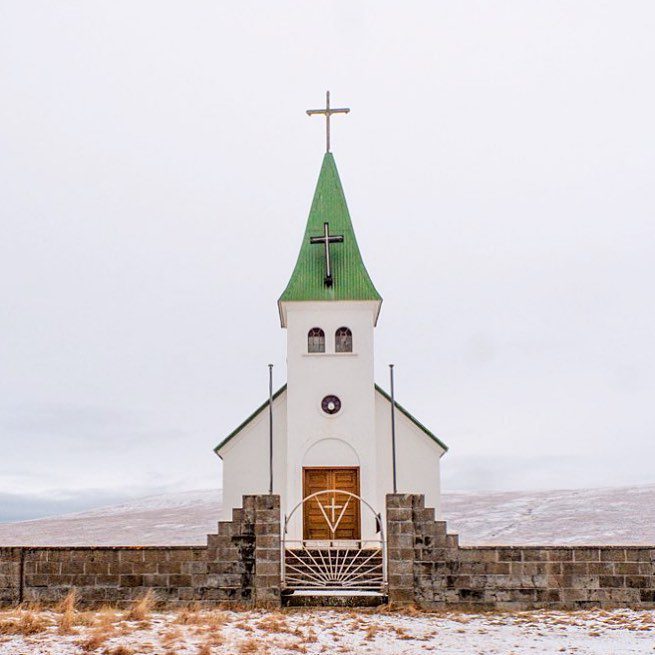
This Icelandic church's cemetery plays a major role in a popular Icelandic ghost story.
Max file size is 40MB. JPEGs are preferred.
You do not have permission to view this form.