 Login
Login
 login / signup


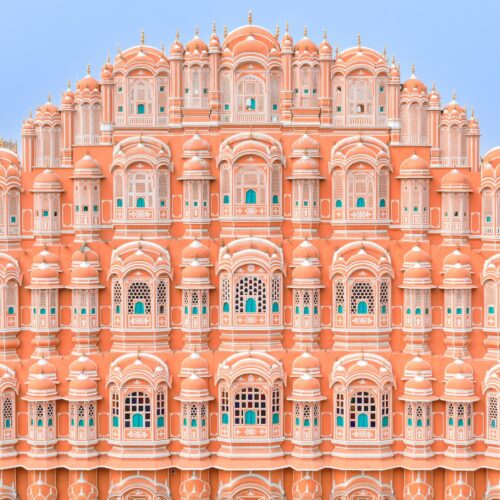














In 1970, hand block printing in Jaipur wasn’t thriving – it was disappearing. Industrial manufacturing had pushed handmade textiles to the margins and only a few aging craftsmen remained. The traditional systems that once sustained them had begun to collapse. The rhythmic thwack of teak on cotton cloth came close to surviving only in history books until John and Faith Singh stepped in.
/ 2
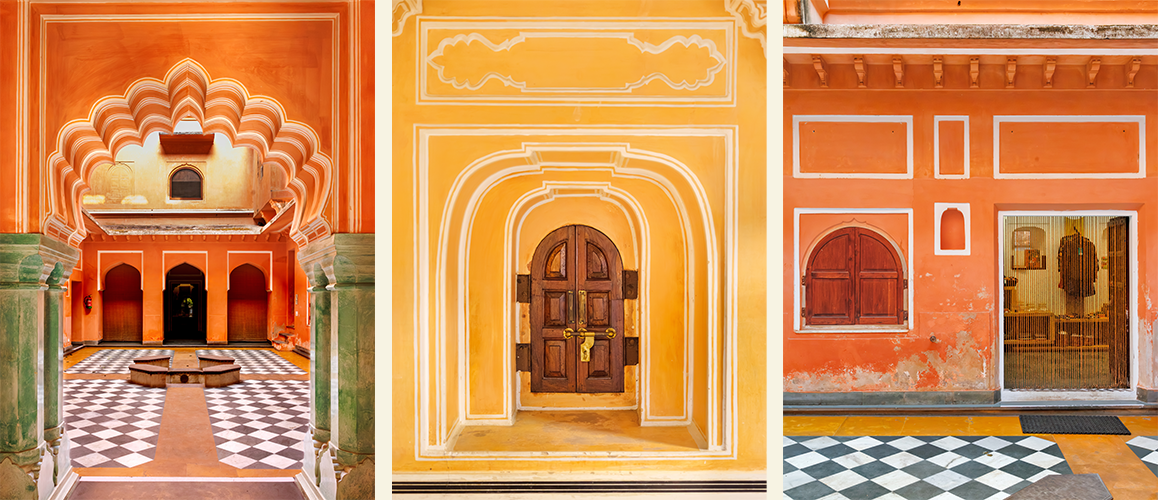
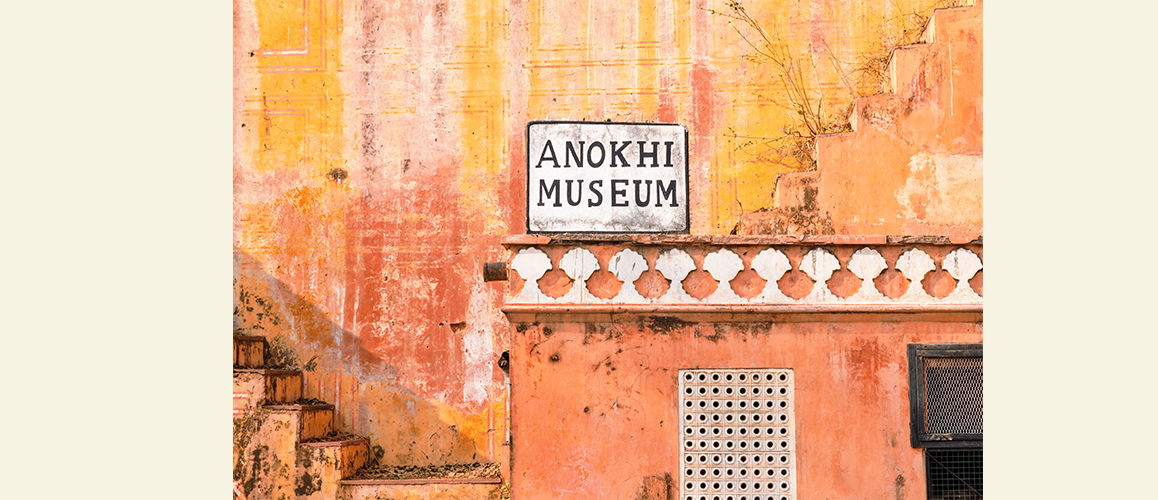
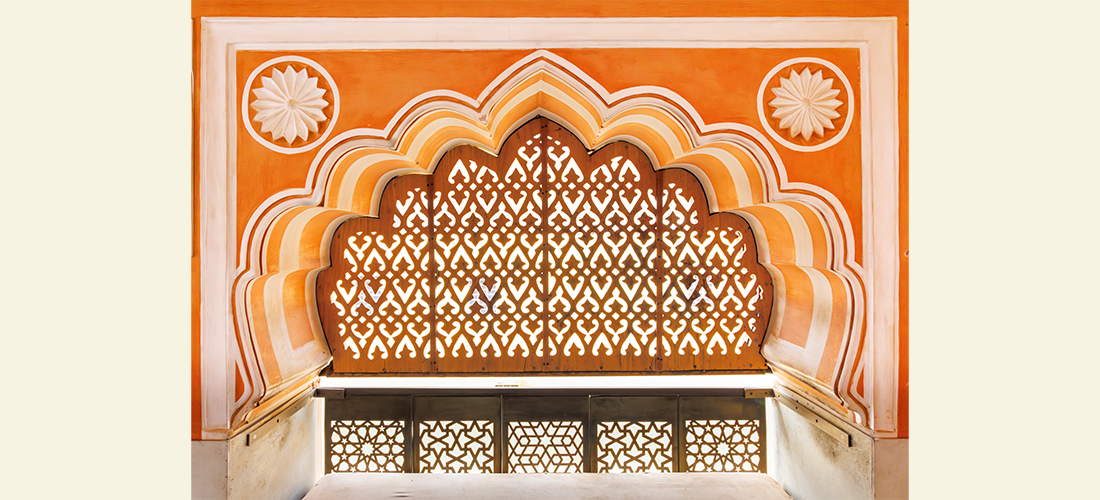
They founded Anokhi that year, working with the printers who were left – carvers, dyers, artisans watching their knowledge fade without apprentices. In 1989, John Singh purchased a dilapidated 16th-century haveli at the base of Amber Fort, once used by Mughal courtiers and later left to decay before being brought back from the brink. Today, it functions less as a static museum and more as a working archive of the craft. The building mirrors the practice it now houses – nearly lost, carefully restored, and still in active use.
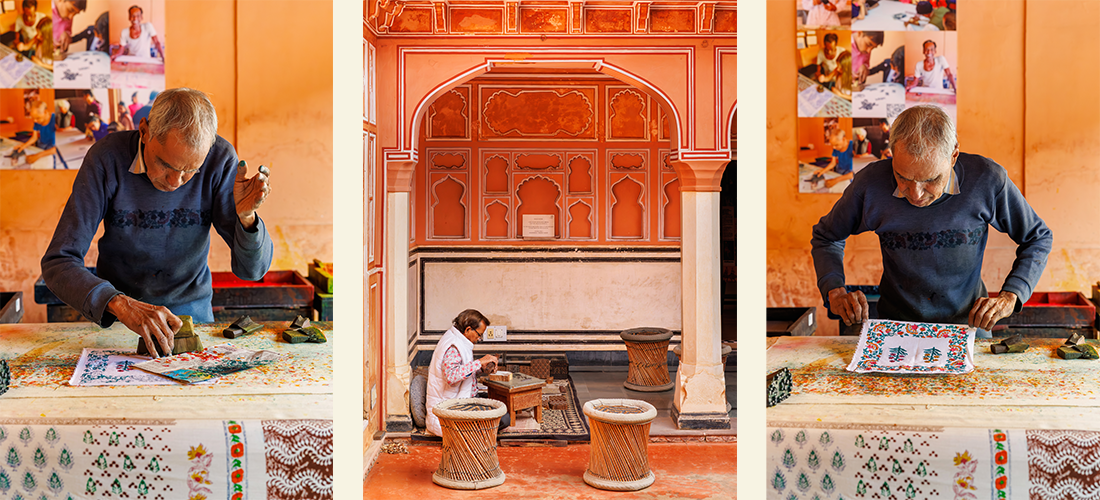
Inside, the real draw of the museum isn’t the collection of antique blocks and centuries-old fabrics behind glass. They’re beautiful, but watching experienced printers transform plain cotton into intricate patterns with practiced precision is the point. These aren’t performers recreating a lost art – they’re working artisans continuing a lineage passed down through generations, one that nearly broke but held.
/ 2
If you’re lucky enough to join a workshop session, you’ll try block printing yourself – which sounds simple until you attempt clean, aligned impressions without gaps or smudges. It’s much harder than it looks. The blocks, hand-carved from teak, range from simple geometric repeats to complex florals requiring multiple passes. Each strike demands the right pressure, angle, and dye load. Do it wrong and the appeal of industrial printing becomes obvious. Do it right and the craft justifies itself.
What makes the place work is its refusal to be overly precious about preservation. Yes, there are fragile textiles in climate-controlled cases. But there’s also a working studio where you leave with ink under your fingernails and a printed scarf you made yourself – slightly uneven, unmistakably yours, and a direct connection to a tradition that very nearly disappeared.